REVIEW · TOKYO
Tokyo Private Guided 1/2-Day Walking Subway Tour English guide
Book on Viator →Operated by Japan Gray Line · Bookable on Viator
Tokyo gets easier with one smart guide.
This private half-day subway-and-walk route strings together Tokyo classics in about 4.5 hours, with hotel pickup and a one-day Metro Pass so you spend less time sorting out trains. I also like that you get a local perspective while you move through neighborhoods that feel totally different from each other. One possible drawback: the tour includes a fair bit of outdoor walking, so plan for comfortable shoes and rain.
If you’ve ever stared at Tokyo’s subway maps and thought, nope, you’re not alone. With guides such as Yoshi, Hiromi, and Izumi (names from the tour’s feedback), the focus is on moving efficiently and answering real questions—like how to navigate the subway system without wasting time.
In This Review
- Key Points Before You Go
- A 4½-Hour Tokyo Remix: The Real Payoff
- Getting Picked Up and Getting On: Metro Pass, Hotel Location, and Transfers
- Meiji Jingu Shrine: Emperor Meiji and a Calm Start
- Shibuya Crossing: Icon Without the Confusion
- Asakusa: Traditional Streets, Souvenirs, and Street Food Energy
- Senso-ji Temple: One of Tokyo’s Oldest Big Names
- Tsukiji Outer Market at the End: Early Afternoon Eats and Atmosphere
- How Much Walking and Rain Gear You’ll Actually Need
- Price and Value: What You’re Paying For
- Who This Tour Suits Best (and Who Might Want Something Else)
- Should You Book This Tokyo Half-Day Private Subway Tour?
- FAQ
- What places does this half-day tour include?
- How long is the tour?
- Is admission included for the main attractions?
- What’s included in the price?
- Is lunch included?
- Is the tour private?
Key Points Before You Go
- Hotel pickup + one-day Metro Pass means you start traveling already set up
- Private tour only for your group keeps the pace more flexible than group bus tours
- Meiji Jingu to Tsukiji covers both modern Tokyo icons and classic temple-and-market Tokyo
- Subway navigation support helps you avoid wrong turns and train confusion
- It’s free admission for the big sights listed on the route
- Good outdoors time: wear sneakers and bring rain gear just in case
A 4½-Hour Tokyo Remix: The Real Payoff
This tour is built for people who want Tokyo highlights without spending your whole day commuting. You’re looking at a tight route: Meiji Jingu Shrine, Shibuya Crossing, Asakusa, Senso-ji Temple, and then Tsukiji Outer Market. The format matters because Tokyo is huge—so the value here is not just what you see, but how efficiently you connect each area.
The best part, in my view, is that it’s paced for learning while still moving. You’ll get context around what you’re looking at—like why Meiji Jingu is tied to Emperor Meiji, or why Senso-ji has such old roots going back to 645. That’s the difference between snapping pictures and actually understanding what those places mean in Japanese culture.
The “private” part is also practical. In feedback tied to this experience, guides are described as patient with slower travelers, which matters on a route with a lot of streets, stairs, and crowds. If you have someone in your party who needs extra time, you’ll likely appreciate that flexibility more than you expect.
You can also read our reviews of more walking tours in Tokyo
Getting Picked Up and Getting On: Metro Pass, Hotel Location, and Transfers
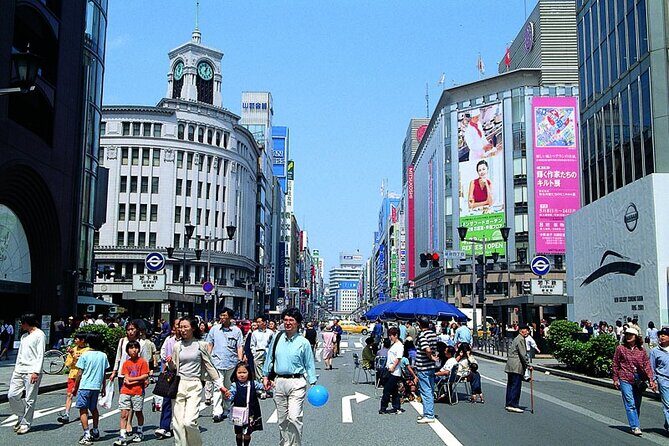
You’ll get hotel pickup (within the provider’s designated range), plus a Metro card for easier travel. That combination is a big deal in Tokyo, where the subway is fast but not intuitive if you’re juggling language, station entrances, and transfer routes.
A couple logistics points to keep in mind:
- Your tour includes transportation fees tied to a one-day Metro Pass, which helps control costs versus buying lots of individual rides.
- The tour is near public transportation, so you’re not meant to be stuck in a remote part of town.
- If your hotel is outside the pickup range and you can’t reach the first stop conveniently by subway, you may need to cover extra fare costs. The fine print also notes that could include the guide’s transportation both to the first destination and back from the last.
Also, you’ll want to be ready for outdoor time between stops. Even when you’re riding the subway, the route still includes walking outdoors around each attraction and from stations to entrances.
Meiji Jingu Shrine: Emperor Meiji and a Calm Start
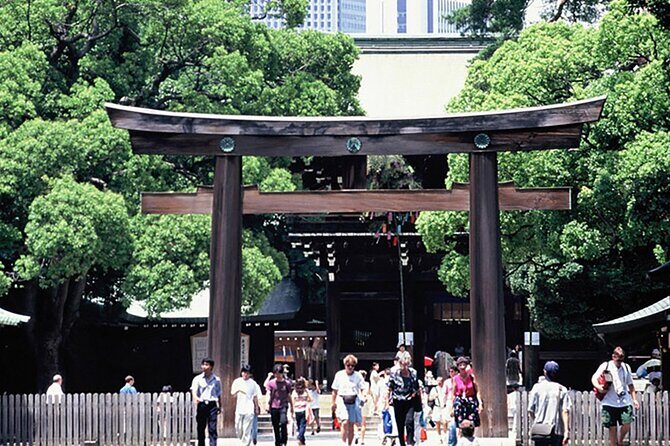
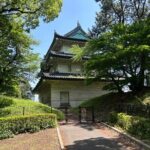
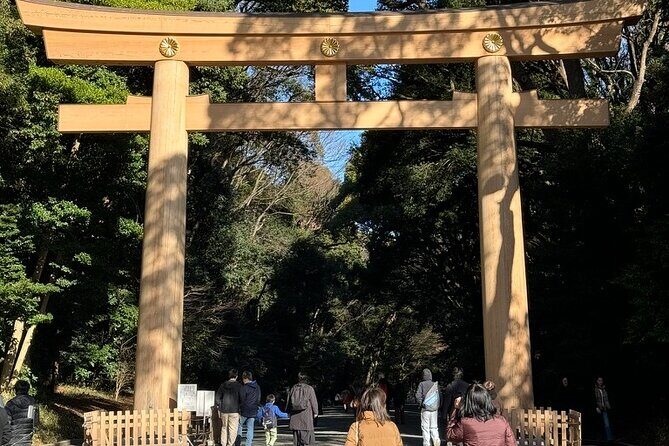
You start at Meiji Jingu Shrine, with about 50 minutes on site and a free admission listing. It’s a strong opening because it gives you a reset before the chaos of the city. The shrine was completed in 1920 and it’s a tribute to Emperor Meiji, a key figure in modern Japan during the 19th century.
What I like about starting here on a guided route is pacing. The calm atmosphere helps you actually pay attention while your brain wakes up to Tokyo’s pace. It also sets context for the rest of the day: you’ll move later into Shibuya and Asakusa, where the cultural and historical layers become visible in how people shop, worship, and move through public space.
In practical terms, Meiji Jingu is also a great “first stop” for subway routing. The tour description emphasizes getting from the nearest station to your hotel to reach the shrine, which usually means you’re not forced into complicated early connections.
Shibuya Crossing: Icon Without the Confusion
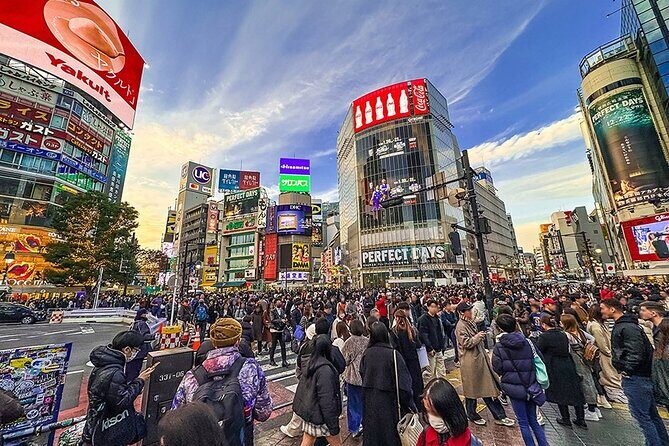
Next up is Shibuya Crossing, with a short stop and about 20 minutes allotted. This is the iconic pedestrian crossing in the heart of Shibuya City. It’s busy by nature, so the real win from a guided format is timing and navigation. If you’ve only visited Tokyo by yourself, you know the crossing can feel like you’re just trying to survive the crowd flow.
A good guide helps you:
- get to the right viewing area quickly
- avoid spending half your time wandering the station exits
- understand how the crossing functions as a piece of urban design, not just a photo spot
Even on a tight schedule, Shibuya works as a contrast after Meiji Jingu. One place is about reflection and ritual. The other is about movement—literal human choreography. Together, they show you two sides of Tokyo in one short block.
Asakusa: Traditional Streets, Souvenirs, and Street Food Energy
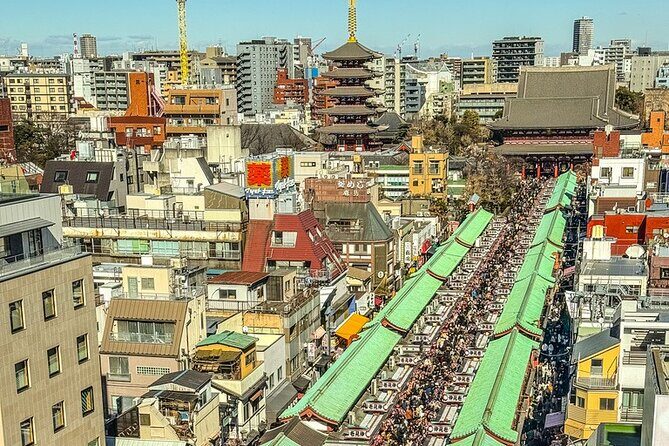
Then it’s over to Asakusa for a taste of traditional Tokyo. The tour gives about 20 minutes here, and Asakusa is described as a lively area with shops for traditional crafts, souvenirs, and street foods.
Asakusa can be overwhelming if you’re trying to plan and find specific streets while also dealing with crowds. So think of this stop as an orientation moment. You’re not just shopping—you’re learning the rhythm of old-school Tokyo commerce. You’ll see how the neighborhood builds atmosphere around visitors: snacks, small shops, and layers of cultural identity right next to each other.
This is also a good place to buy small items if that fits your travel style. With only a short time allocated, you’ll likely appreciate having a guide who can point out where the most interesting streets tend to be, rather than leaving you to wander until you run out of time.
You can also read our reviews of more guided tours in Tokyo



Senso-ji Temple: One of Tokyo’s Oldest Big Names
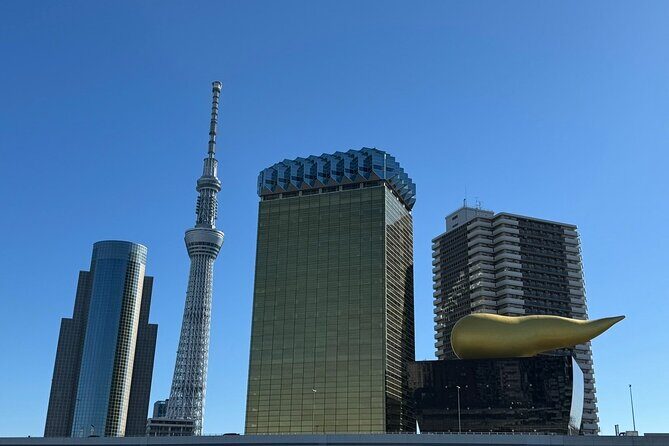
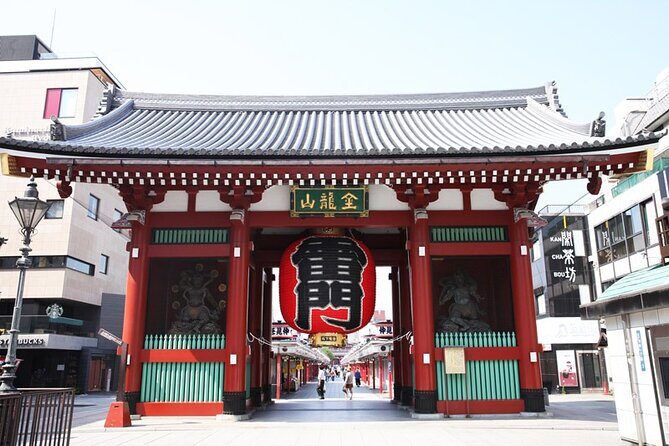
Senso-ji Temple gets about 40 minutes, with free admission listed. It’s described as one of the oldest and largest Buddhist temples in Tokyo, with establishment dating back to 645. This is a major anchor point in Asakusa, and it’s the place where the neighborhood’s “traditional Tokyo” vibe becomes unmistakable.
Here’s what a guided visit helps with:
- knowing what you’re looking at as you walk into temple space
- getting enough context to understand why the site is so central to Tokyo’s religious life
- managing crowds without feeling rushed
Even if you’re not a religion-history person, Senso-ji is worth it for the scale and significance. The year 645 is far enough back that you start to realize you’re not just seeing an attraction—you’re stepping into a long timeline.
As with the other stops, plan that this area will involve walking outdoors and moving through busy pedestrian zones. Wear shoes you can stand in. Tokyo crowds don’t care about your footwear.
Tsukiji Outer Market at the End: Early Afternoon Eats and Atmosphere
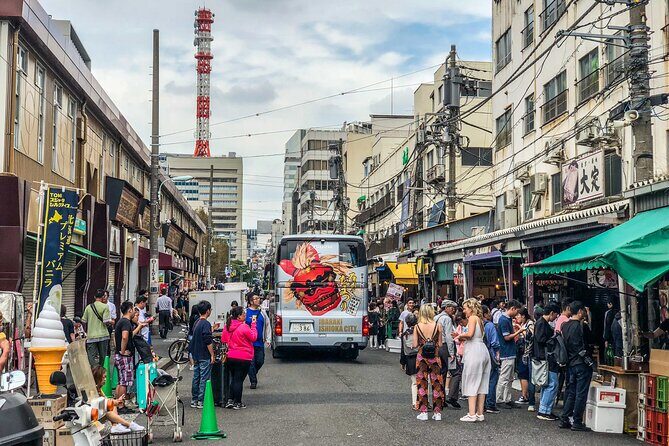
The tour wraps up around 2:00 pm at Tsukiji Fish Market. Important nuance: the wholesale market moved to Toyosu in 2018, but the Tsukiji Outer Market remains in the same place. That matters because you’re not going to the wholesale operations; you’re visiting the market street experience that many people come to for snacks, food stalls, and the general energy of a historic food area.
The tour includes about 30 minutes here. That might sound short, but it’s a smart length for a half-day plan. By the time you arrive, you’ve already seen temples and city icons, so Tsukiji becomes the payoff: quick bites, browsing, and a chance to bring home edible memories.
If you like food travel where you sample as you walk, Tsukiji Outer Market is a great closer. Just remember that you’re ending outdoors too, so keep an eye on the weather and keep moving plans realistic if it’s raining.
How Much Walking and Rain Gear You’ll Actually Need
This is where you should be honest with yourself. The tour description calls out a good amount of walking outdoors, and it also notes that the route is suitable for travelers with moderate physical fitness. That lines up with what you’d expect from a plan that includes multiple stations, temple areas, and market streets all in one afternoon.
My practical advice:
- Wear sneakers or comfortable shoes. You’ll likely do more standing and street walking than you think.
- Bring rain gear (umbrella or raincoat). The tour notes that bad weather can affect itineraries, and rain in Tokyo is the kind that turns “light drizzle” into slippery sidewalks.
- If your group has anyone who needs slower pacing, a private format helps. Feedback tied to this tour includes guides who were patient and accommodating with slower travelers.
Also, because the itinerary may be adjusted due to weather or operational reasons, keep expectations flexible. The tour states it may omit or substitute certain visits, and the tour price may not be refunded in that scenario. That doesn’t mean it will go badly—it just means you should view it as a guided route that adapts.
Price and Value: What You’re Paying For
At $136.82 per person for about 4 hours 30 minutes, this isn’t a bargain-basement activity. But it also isn’t just a sightseeing checklist. The value is built into what’s included:
- Hotel pickup
- English-speaking guide
- Transportation fee covered via a one-day Metro Pass
- Admission listed as free for the major stops on the route
- A private setup for only your group
So you’re paying for time savings and stress reduction. In a city where navigating subway entrances and transfer routes can eat hours, having a guide handle the “how do we get there fastest” part can be worth a lot—especially if you want to see several top sights in a single half day.
There’s also the practical bonus that you can sometimes snag a better situation by booking in advance; this experience averages being booked about 22 days ahead. That suggests it’s a popular plan, likely because it hits a sweet spot: major sights, guided context, and not an all-day commitment.
Who This Tour Suits Best (and Who Might Want Something Else)
This tour is a good match if you:
- want Tokyo highlights without building your own route across multiple neighborhoods
- prefer a private guide who can answer questions and adjust pacing
- like mixing modern Tokyo energy (Shibuya) with classic cultural landmarks (Meiji Jingu, Senso-ji)
- enjoy walking food browsing at Tsukiji Outer Market
It might be less ideal if you:
- hate walking and standing outdoors, even at a moderate pace
- need a very slow schedule, with minimal transfers and minimal time in crowds
- are staying far outside the designated pickup range, since you could be responsible for extra fare costs if alternative transportation isn’t feasible
Should You Book This Tokyo Half-Day Private Subway Tour?
If you want a fast, guided “greatest hits” version of Tokyo—without the subway headache—this is an easy yes. Hotel pickup plus a Metro pass plus an English guide means you start moving immediately and you don’t have to translate Tokyo logistics on the fly.
I’d book it especially if you value context as much as photos. Meiji Jingu’s Emperor Meiji connection and Senso-ji’s 645 establishment date are the kind of details that make the places feel real. And if you’re ending with Tsukiji Outer Market, you get a satisfying final note: eat, browse, and watch the market street life.
Just be honest about walking and weather. Bring sneakers, pack rain gear, and treat the schedule as flexible rather than rigid. Do that, and you’ll come away feeling like you genuinely learned how Tokyo works at street level and station level.
FAQ
What places does this half-day tour include?
It includes Meiji Jingu Shrine, Shibuya Crossing, Asakusa, Senso-ji Temple, and it ends around 2:00 pm at Tsukiji Fish Market (Tsukiji Outer Market).
How long is the tour?
The duration is about 4 hours 30 minutes.
Is admission included for the main attractions?
The tour details list admission tickets as free for the included stops.
What’s included in the price?
Hotel pickup, an English-speaking guide, and transportation fee (a one-day Metro Pass) are included.
Is lunch included?
No. Lunch is not included.
Is the tour private?
Yes. It’s a private tour/activity, and only your group participates.