REVIEW · OSAKA
Osaka/Kyoto: Arashiyama, Nara Park, Fushimi Shrine Tour
Book on GetYourGuide →Operated by Japan Holiday Travel · Bookable on GetYourGuide
One day in Kyoto and Nara can feel like three trips. You’ll start with Arashiyama’s calm bamboo mornings, then shift to the chaos-cute deer at Nara Park, and finish with the red torii tunnel of Fushimi Inari Taisha. What makes this tour appealing is the simple structure: transport is handled, you get real time at each major site, and you’re moving efficiently between Osaka and Kyoto.
I especially like the way it front-loads Arashiyama—cooler air, lots of greenery, and the classic Togetsukyo Bridge area you can enjoy before the day swells. I also like that Nara and Fushimi Inari are built for wandering at your own pace, not rushing through a checklist. One drawback to weigh: the experience is largely self-guided on-site, and the tour is mainly run in Chinese, so you’ll want patience (and a plan) if you rely on English throughout.
In This Review
- Quick hits before you go
- One day, three famous places: how this route makes sense
- Timing that works: Osaka or Kyoto pickup and a 10-hour day
- Arashiyama: Togetsukyo Bridge views and bamboo-area walking time
- Nara Park: 1,000+ deer, Kasuga area vibes, and a big green pause
- Fushimi Inari Taisha: the torii tunnel walk with shrine history behind it
- Guide style and group reality: what you’re actually buying
- Price and value: what $51 buys (and what it doesn’t)
- What to pack and how to avoid stress on this kind of day
- Who this tour fits best
- Should you book this Osaka/Kyoto Arashiyama–Nara–Fushimi Inari tour?
- FAQ
- How long is the tour?
- Where does the tour start?
- What stops are included in this day trip?
- Is meals and drinks included?
- Is the tour wheelchair accessible?
- What language is the guide?
- Can I eat on the bus?
- What should I do at the meeting point?
- What happens if weather or traffic affects the plan?
Quick hits before you go

- Arashiyama morning timing: more breathing room for the bamboo-area walking.
- Nara Deer Park scale: you’ll see over 1,000 deer roaming freely.
- Fushimi Inari’s torii walk: the famous 10,000 red gates experience.
- Practical “between-city” logistics: transport and fees are handled for the day.
- Guide support varies: some guides are praised for helpful info; onboard commentary can be basic.
- Punctuality matters: a late check-in can cost you the ride.
One day, three famous places: how this route makes sense
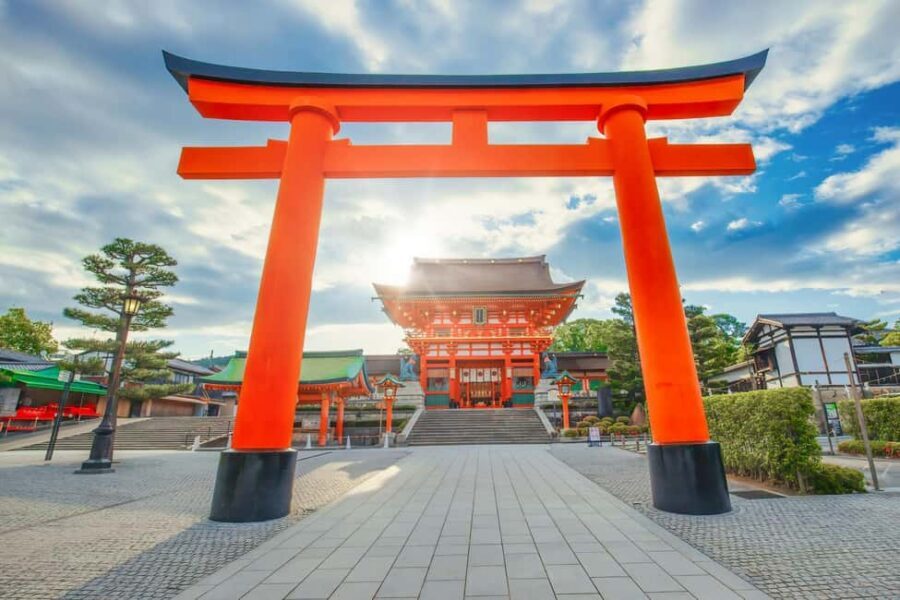
This is a classic “best-of” day for people who want Kyoto and Nara without juggling trains, buses, and transfers all day. You’re getting three heavyweight stops that each have a different mood: Arashiyama for nature walks, Nara for deer-filled shrine-park atmosphere, and Fushimi Inari for that signature torii-hallway feeling.
The value isn’t that you get a lot of extra sightseeing you wouldn’t do yourself. The value is that the transport headaches are reduced: the tour covers transport, toll fees, parking fees, and fuel fees. You trade that for one thing: your time is scheduled, and you’ll be on a bus most of the day.
If you’re short on time and want a single day that hits the big icons—this layout fits well. If you’re the type who wants long, in-depth guided walking at every stop, you’ll probably wish the guided component lasted longer than the time blocks you get.
You can also read our reviews of more tours and experiences in Osaka.

Timing that works: Osaka or Kyoto pickup and a 10-hour day
You’ve got two starting options. You can begin from the Kyoto station area (Kyoto Station, Hachijo Exit sightseeing bus stop) or from the Osaka/Dotonbori area (1-chōme-1-3 Dōtonbori). From there, the schedule is built around a smooth sequence of three major sights.
A typical flow looks like this:
- Morning departure: 8:00 from Osaka and 9:20 from Kyoto
- Arashiyama: arrive around 10:00 with about 2 hours free time
- Nara: arrive around 13:15 with about 80 minutes
- Fushimi Inari: arrive around 15:20 with about 1.5 hours
- Back to Kyoto or Osaka by early evening (finish around 17:00 in Kyoto / by 18:00 in Osaka)
Why this matters: Arashiyama is more enjoyable in the morning, and this tour puts it first. Fushimi Inari, meanwhile, is where you’ll want enough time to actually do the torii walking without your legs feeling like they’re already on strike.
Also, plan for real-world variation. Traffic, poor weather, and facility closures can shift timing. The tour can arrive early or finish earlier than planned, and your time at each site can change depending on conditions and group size.
Arashiyama: Togetsukyo Bridge views and bamboo-area walking time
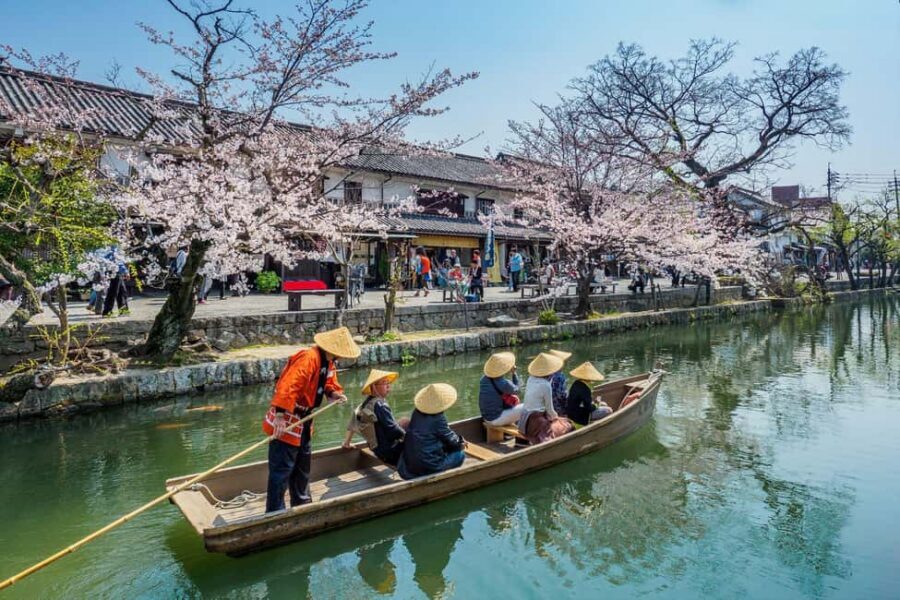
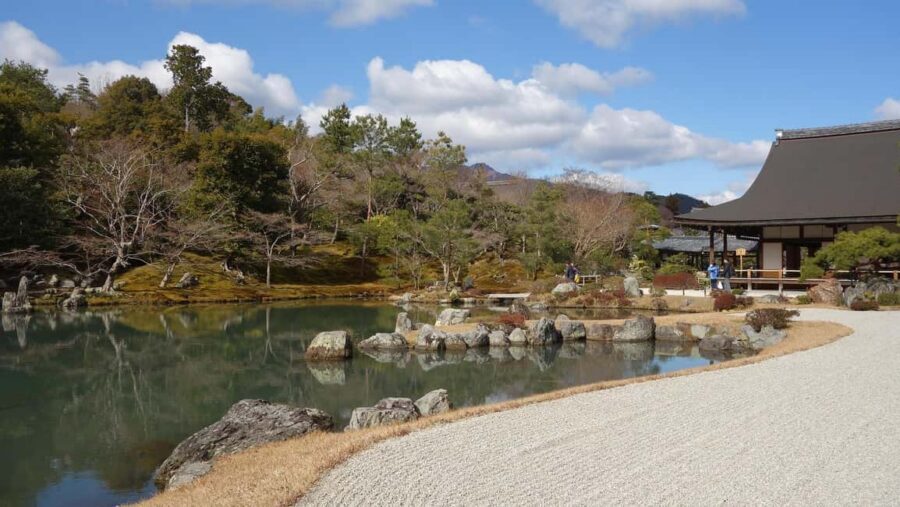
Arashiyama is where the day starts to feel lighter. The tour notes that you’ll begin with air that feels fresher and fewer people in the morning. Once you arrive, you get about 2 hours of free time for self-guided exploration.
A few elements make this stop worth the effort:
- Togetsukyo Bridge: a classic viewpoint area where the scenery changes with the seasons.
- Bamboo forest trails: the tour highlights the greenery and walking paths in the bamboo area.
- A natural reset before you switch gears to the more packed energy of Nara and the torii climb at Fushimi Inari.
Practical mindset for this block: use the time to get your bearings fast. This is not a “stand in one place and let the guide do the work” stop. You’ll enjoy it most if you’re ready to walk at your own pace and decide what you want to prioritize within the 2-hour window.
What can be tricky: with only two hours, you can’t treat this as an unlimited stroll. If bamboo-area walking is your top priority, keep the rest flexible so you don’t spend your best time moving slowly from one spot to another.
Nara Park: 1,000+ deer, Kasuga area vibes, and a big green pause
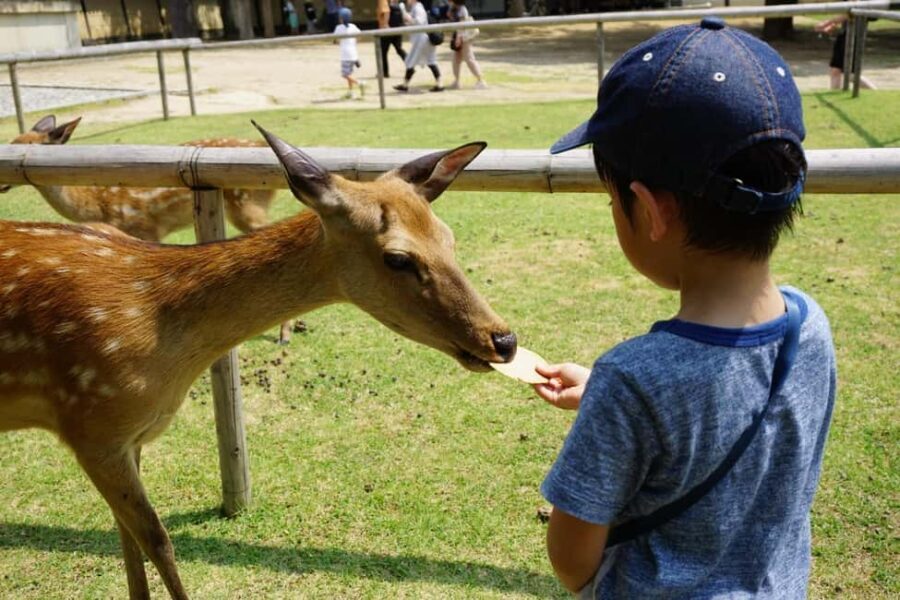
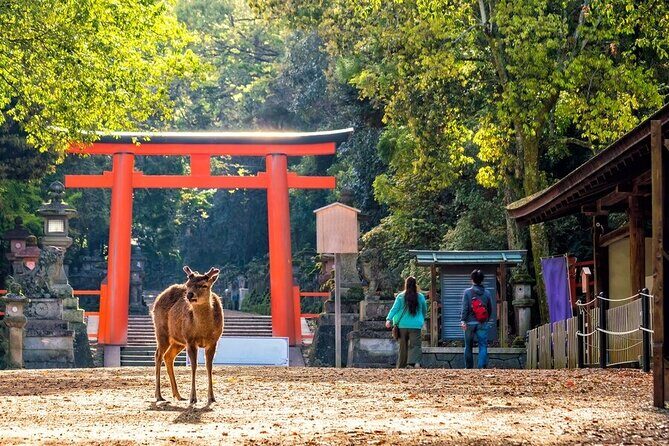
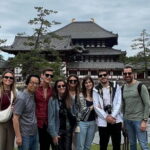
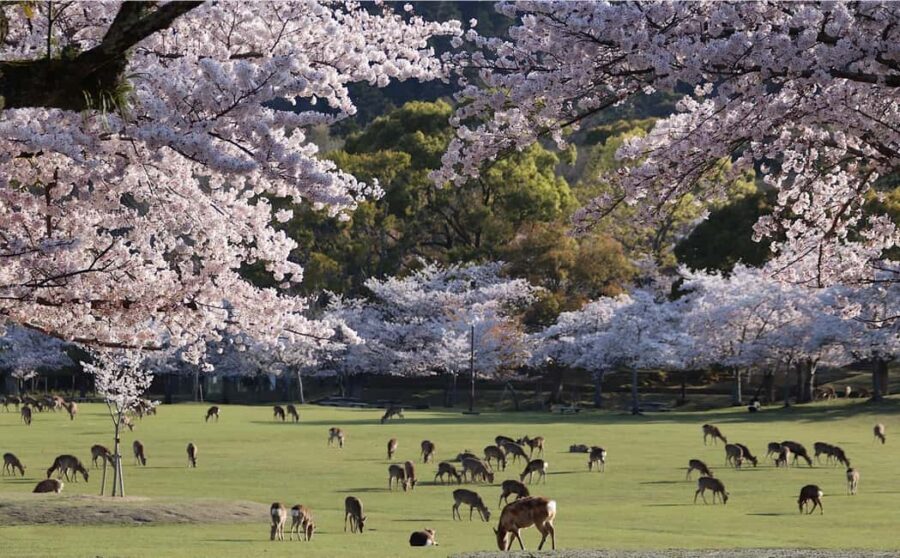
Then you’re off to Nara, where you’ll find a wide green space adjacent to Kasuga Taisha Shrine. The headline here is the deer: you’ll encounter more than 1,000 freely roaming deer at Nara Deer Park.
What I like about this stop is how it blends nature and tradition. The tour describes the deer as messengers of God, with a history of over 1,300 years. It also notes the deer are listed as a national natural monument. Even if you’ve seen deer before in other parts of Japan, Nara’s scale and freedom of movement are the main event.
You get about 80 minutes for self-guided time. That’s enough to enjoy the atmosphere, take photos, and slowly work your way through the park area without turning it into a full-day project.
One consideration: Nara can be crowded around peak hours. Because your visit is time-boxed, it’s smart to arrive ready to enjoy “close-up energy” quickly, then decide whether you want to linger in calmer corners or keep moving.
Fushimi Inari Taisha: the torii tunnel walk with shrine history behind it
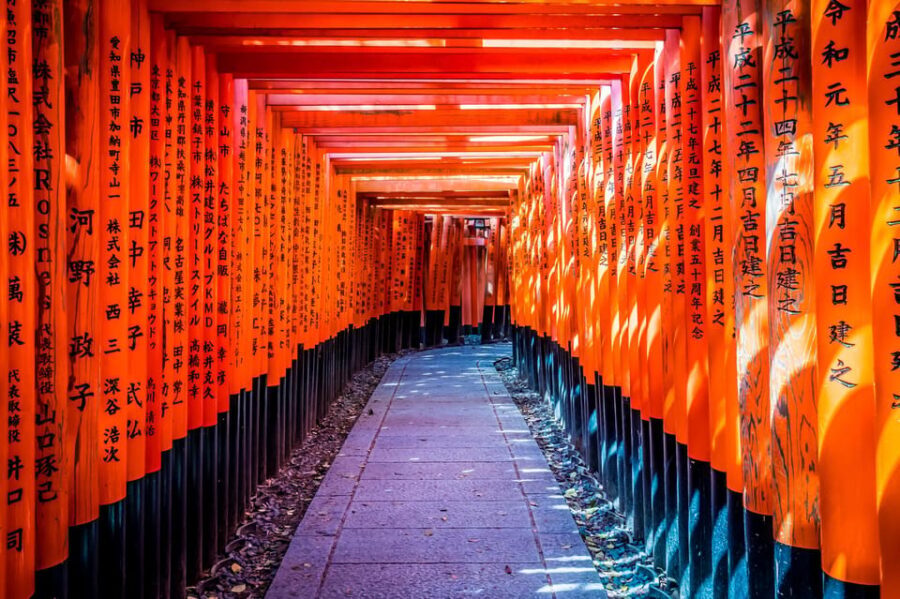
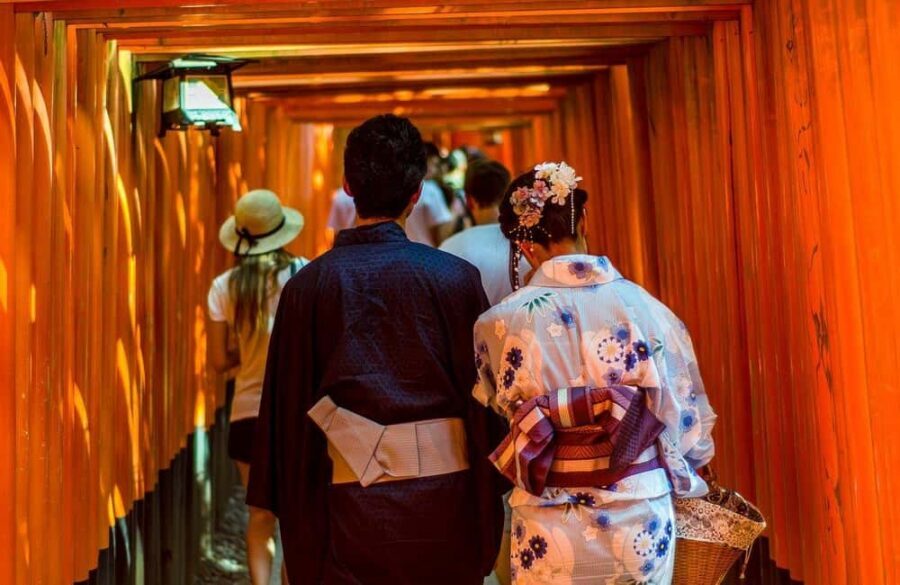
Fushimi Inari Taisha is the climax of the day trip, and it’s easy to see why. This is the headquarters of about 30,000 Inari shrines across Japan. The tour also notes the shrine was founded in 711 AD, which gives the torii walk more weight than it might have at first glance.
The signature experience is the 10,000 red torii gates—passing through them is exactly what you should picture when you think of Fushimi Inari. The tour also describes the entire Inariyama as a sacred area, so walking there feels like you’re moving through a structured sacred route, not just sightseeing around one main building.
You’ll have about 1.5 hours of free time here. That can be just right for a torii-walk-focused visit—especially if you’re realistic about how far you want to go within the time window.
Tip from the way this tour is paced: plan your energy early. If you’re aiming for the fuller torii sequence, don’t spend your first 20 minutes wandering randomly. Get moving, find the flow you like, then allow yourself time to slow down for the classic photo moments.


Guide style and group reality: what you’re actually buying
On paper, you’re getting a multi-language guide and transport, and that matters. The guide offered can be Chinese, English, Japanese, or Korean—though the tour notes it’s mainly conducted in Chinese. English and Korean support may be available upon request at booking time, but availability isn’t guaranteed.
Also, in small groups, the driver may serve as a guide with basic onboard commentary only. That means you shouldn’t expect the tour to function like a detailed walking lecture at every site.
The best part of this setup happens when the guide takes ownership of what to do next. In the feedback, named guides like Levi and CC are credited for being helpful and kind, with CC offering good information about where to go. HuaHua also gets praise for excellent support and organization. That kind of guidance can turn a mostly self-guided day into a smoother, less stressful one.
Now the caution side: one experience in the feedback points to a serious problem when people weren’t handled well at the departure moment, with a guide named Eric involved. The core lesson isn’t about blaming a person—it’s about your own timing. The tour guide won’t contact you in advance, and check-in is at the meeting point with staff wearing an EASY GO vest or flag. If you miss the window, you may be left to join at the next stop, which is the worst possible outcome when you’re traveling with kids or have tight plans.
Price and value: what $51 buys (and what it doesn’t)
At about $51 per person for a 10-hour day, you’re paying for organization and logistics more than for museum-grade narration. Your cost includes:
- A guide (multi-language support, mainly Chinese)
- Transport
- Toll fees, parking fees, and fuel fees
Meals and beverages are not included. You’ll be on your own for food, and you also should know this rule: food isn’t allowed in the vehicle. So if you’re the type who plans to eat on the go, adjust your plan and handle snacks and meals outside the bus.
Is it good value? For many people, yes—especially if you don’t want to plan a multi-leg transit day between Osaka, Kyoto, Arashiyama, Nara, and Fushimi Inari. There’s also a practical benefit: you don’t have to spend your sightseeing brainpower on routes, schedules, and transfer timing.
One caution from the feedback: one person felt public transport could be faster and cheaper, and that the tour felt like a lot of bus time. That’s a fair trade-off to consider. If you already know your way around Kansai transit and you enjoy DIY travel, this tour might feel like paying to reduce friction.
If you’d rather buy comfort and stay on a controlled schedule, the price can feel reasonable for what’s included.
What to pack and how to avoid stress on this kind of day
This is a “walk, then bus, then walk again” itinerary. So pack like you’re doing three mini tours back-to-back.
A smart packing checklist:
- Comfortable shoes for shrine steps and torii walking
- A light layer for morning-to-afternoon changes
- A phone charger or portable battery for photos and maps
- Your own meal plan since meals aren’t included
Because food isn’t allowed in the vehicle, plan meals around your self-guided time blocks instead of trying to eat during transport.
Also, treat the departure times as firm. Staff won’t be chasing you, and the bus leaving is the kind of risk you want to remove by arriving early. The meeting point can vary by the option you booked, so double-check where you’re expected to check in.
Who this tour fits best
This tour fits best if you:
- Want a single-day hit list of Arashiyama, Nara Deer Park, and Fushimi Inari
- Prefer guided transport and a schedule over planning transit all day
- Like mixing nature (Arashiyama, Nara) with shrine sightseeing (Fushimi Inari)
It might be less ideal if you:
- Need consistently English-led interpretation throughout the day (the tour is mainly conducted in Chinese)
- Want long guided commentary at every site
- Are the type who tends to run late, especially with family in tow
Should you book this Osaka/Kyoto Arashiyama–Nara–Fushimi Inari tour?
If your goal is to see the big icons of Kyoto and Nara in one day without thinking about transit, I think this is an easy yes. The schedule is structured, the sites are strong, and the best guides (like Levi, CC, and HuaHua) can make the day feel organized instead of chaotic.
Book it with two expectations: most site time is self-guided, and language support isn’t guaranteed to be fully English. If you’re punctual and you’re comfortable making your own way at each stop, you’ll likely leave happy—even if you don’t get a constantly guided walking tour.
FAQ
How long is the tour?
The tour duration is 10 hours.
Where does the tour start?
You can choose between two starting locations: Kyoto Station Hachijo Exit sightseeing bus stop, or the Dotonbori area (1-chōme-1-3 Dōtonbori). The meeting point may vary depending on the option you booked.
What stops are included in this day trip?
The tour includes Arashiyama, Nara Park (Nara Deer Park area), and Fushimi Inari Taisha.
Is meals and drinks included?
No. Meals and beverages are not included.
Is the tour wheelchair accessible?
Yes, the tour is wheelchair accessible.
What language is the guide?
The tour is mainly conducted in Chinese. English and Korean-speaking staff may be available upon request at booking time, but availability isn’t guaranteed.
Can I eat on the bus?
Food in the vehicle is not allowed.
What should I do at the meeting point?
You should go directly to the meeting point and check in with staff wearing an EASY GO vest or flag. The guide will not contact participants in advance.
What happens if weather or traffic affects the plan?
The itinerary may change due to traffic congestion or poor weather, and the tour may be canceled for natural disasters or severe weather. Visiting times can also vary depending on conditions and the number of participants.