REVIEW · KYOTO
From Osaka/Kyoto: Kyoto, Nara, and Fushimi Inari Day Trip
Book on GetYourGuide →Operated by Infinity tours and travels · Bookable on GetYourGuide
A torii tunnel and bamboo walk in one day. This Kyoto, Nara, and Fushimi Inari day trip strings together some of Japan’s most recognizable sights, starting with the Arashiyama Bamboo Forest and then moving straight into the thousands of vermilion torii gates at Fushimi Inari Taisha.
I especially like the way the route keeps you walking at the exact places you came for, not just driving past them. You get the big moments plus enough on-the-ground time to actually look around.
Second, I like that the day doesn’t stop at Kyoto. You also spend time in Nara Park with the friendly, roaming deer, then you’ll see Tōdai-ji Temple and the Great Buddha Hall, which is known for housing the world’s largest bronze statue of Buddha.
One consideration: it’s a 10-hour outing with lots of walking, so bring solid shoes and plan for changing weather.
In This Review
- Key Highlights I’d Plan Around
- From Kyoto Or Osaka Pickup: How This 10-Hour Plan Flows
- Arashiyama Bamboo Forest: A Self-Guided Stroll That Feels Calm
- Fushimi Inari Taisha: The Torii Gates Where Your Feet Set the Pace
- Nara Park and Tōdai-ji: Deer Encounters Plus UNESCO Weight
- Nara Park deer: cute, yes, but treat them with respect
- Tōdai-ji: the Great Buddha Hall scale hits fast
- Kasuga Taisha Lanterns: Ending With a Dusk-Ready Shrine
- Price and Value: Is $516 Per Group Fair for This Route?
- Guide and Driver Details That Actually Improve the Day
- The Walk-Heavy Reality: What to Expect Day-of
- Who This Tour Suits Best (And Who Should Skip It)
- Should You Book This Kyoto, Nara, and Fushimi Inari Day Trip?
- FAQ
- How long is the day trip?
- Where do pickup and drop-off happen?
- What language will the host or greeter speak?
- Is this a private tour?
- Is the tour wheelchair accessible?
- What should I bring, and what’s not allowed?
Key Highlights I’d Plan Around
- Pickup from Osaka or Kyoto, then a private van route for a one-day hit list of icons
- Arashiyama Bamboo Forest self-guided stroll so you can move at your own pace
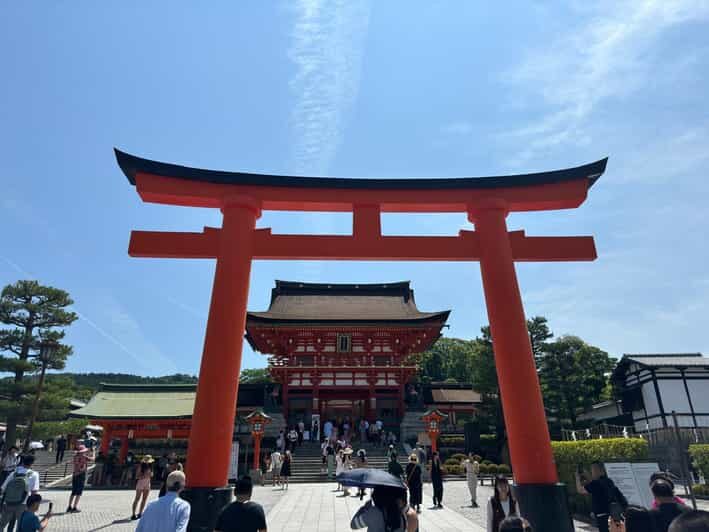
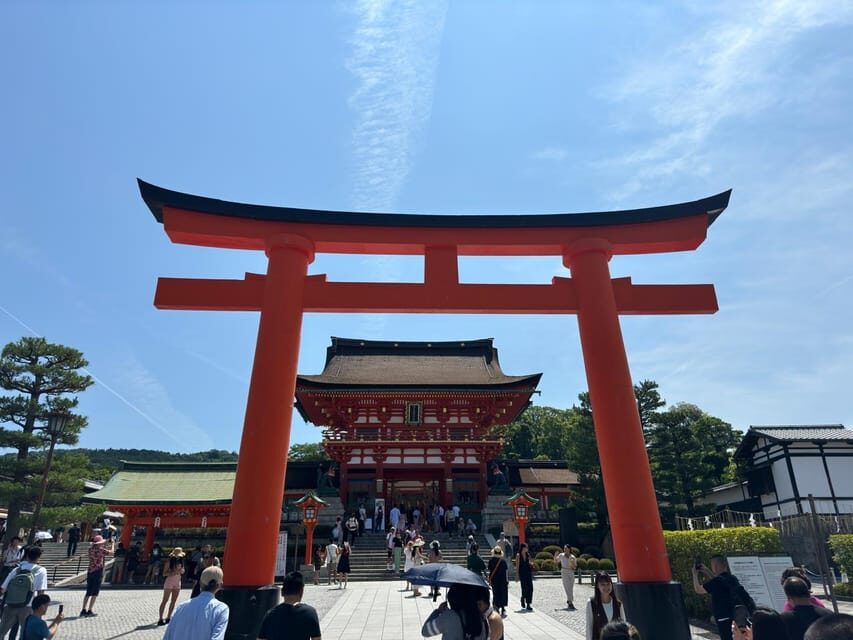
- Fushimi Inari’s thousands of torii gates plus Kyoto views from the shrine paths
- Nara Park deer time plus the UNESCO draw of Tōdai-ji
- Kasuga Taisha lantern setting at dusk for a dramatic end to the day
- English host/greeter support, with real care for families and mobility needs
From Kyoto Or Osaka Pickup: How This 10-Hour Plan Flows
This is a private group day trip designed to move quickly between three high-demand areas: Kyoto, Nara, and the Fushimi Inari shrine route. You start with pickup from Kyoto or Osaka, then you ride in a van (about 40 minutes to the Arashiyama area, then 30 minutes to Fushimi Inari, and another 40 minutes toward Nara) before returning to Osaka or Kyoto at the end.
The big value here is not mystery—it’s structure. You’re not trying to map trains, transfers, and timing while also managing stairs, crowds, and weather. You’re paying for the “door-to-door” day: transportation plus host support while you explore.
You’ll also like the human touch. The tour’s host or greeter is English-speaking, and in past groups the guides were described as punctual and helpful with practical needs (including adjusting for kids and mobility). That matters on a day that’s heavy on walking.
A few more Kyoto tours and experiences worth a look

Arashiyama Bamboo Forest: A Self-Guided Stroll That Feels Calm
Arashiyama Bamboo Forest is the kind of place where photos look good but reality is better—tall stalks, narrow paths, and that hushed, shaded feeling as you move through. In this tour, the bamboo stop is self-guided, which is a quiet blessing. You don’t have to keep up with a script. You can linger for a few shots, then step aside and reset when the light or mood changes.
Why I think this stop works: it sets a tempo for the day. After you’ve been on the van, this gives you a smoother transition into walking, with a naturally “soft” environment compared with shrine staircases.
What to plan:
- Wear comfortable shoes. Even if it’s “just a walk,” bamboo paths mean uneven ground and repeated step-ups.
- Expect weather shifts. Bamboo areas can feel cooler or damp depending on the day, so you’ll want clothing that handles both light sun and misty conditions.
- Use your phone or camera early, but don’t make it your only job. The best moments tend to happen when you stop photographing and just look.
A small caution: this part of the day is still part of the longer 10-hour stretch, so don’t treat it like a sightseeing sprint.
Fushimi Inari Taisha: The Torii Gates Where Your Feet Set the Pace
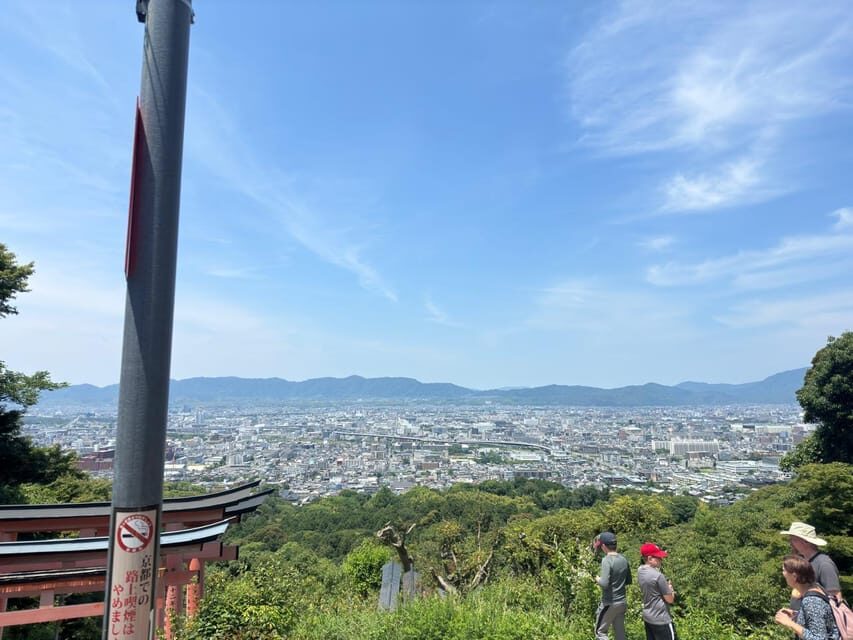
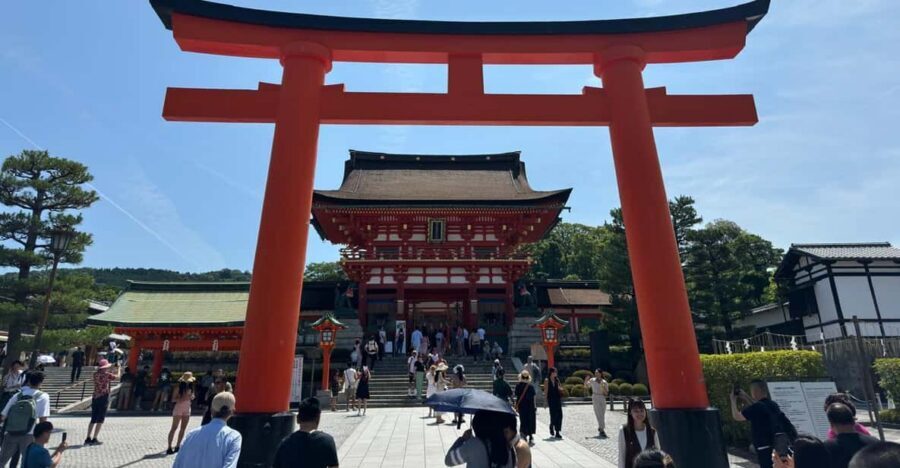
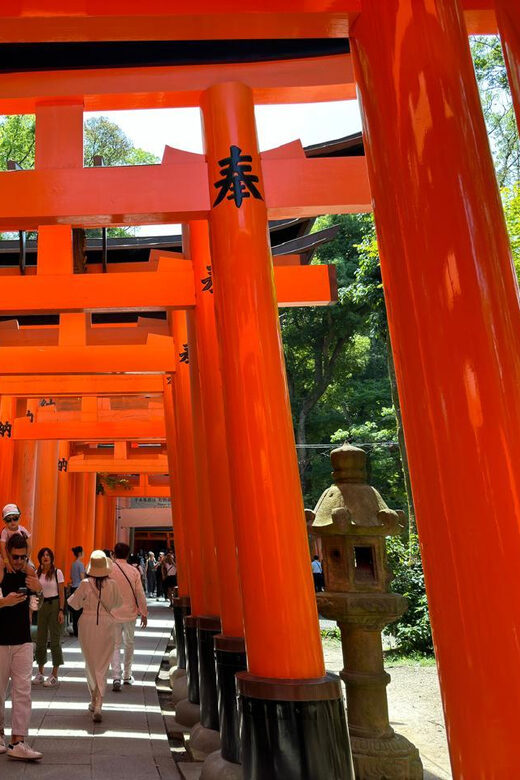
After Arashiyama, you head to Fushimi Inari Taisha, the shrine famous for thousands of torii gates. The experience isn’t only visual. It’s physical. You wind through corridors of orange gates, and the route gradually climbs with views spreading out over Kyoto below.
This is the kind of stop where pacing is everything. If you go too fast, you miss the atmosphere. If you go too slow, you may feel rushed by the rest of your day. The good thing is that this tour lets you walk and explore at your own pace once you’re there.
A practical way to enjoy it:
- Keep your eyes up for composition, but also watch your footing. Shrine paths can include stairs and uneven stone.
- Pause at a few points for photos, then move on. The gate effect is strongest when you experience it as a sequence, not as single snaps.
Also, don’t underestimate the emotional effect. Fushimi Inari isn’t just a “gate tunnel.” It’s a living shrine setting where people come to walk, pray, and reflect. That makes it more than a quick photo stop.
Nara Park and Tōdai-ji: Deer Encounters Plus UNESCO Weight
Then the tour changes gears. Nara is known as Japan’s first permanent capital, and the day is built around two anchors: Nara Park and Tōdai-ji Temple.
Nara Park deer: cute, yes, but treat them with respect
You’ll spend time in Nara Park, where deer roam and are considered sacred messengers of the gods. This is one of those places where “friendly” doesn’t mean “anything goes.” The tour information specifically reminds you to respect local guidelines and follow directions around wildlife.
I like how this is framed for visitors. If you keep it respectful—stay aware of your surroundings and don’t interfere—you can enjoy the charm without turning the moment into a chaos show.






Tōdai-ji: the Great Buddha Hall scale hits fast
Next comes Tōdai-ji, including the Great Buddha Hall, which houses the world’s largest bronze statue of Buddha. Scale matters here. You don’t need extra context once you’re inside; the size communicates it instantly.
Why this stop feels worth the time:
- It’s iconic in a way that doesn’t rely on hype.
- It gives your day balance: after the walking rhythm of shrine gates, you get a heavyweight cultural landmark that’s meaningful and visually dominant.
One more practical tip: since the day is already long, I’d treat this as your “slow down and look” period. Stop for a few minutes to really take in proportions, not just the main statue.
Kasuga Taisha Lanterns: Ending With a Dusk-Ready Shrine
To wrap the day, you’ll visit Kasuga Taisha, a shrine known for being adorned with thousands of lanterns. The tour description calls out the magical glow at dusk, and that’s a big reason to appreciate this final stop.
Lantern settings change minute by minute. As light fades, details pop. Shadows soften. The whole shrine atmosphere shifts from daytime clarity to a gentler mood.
What you’ll want to do here:
- Take in the lantern field as a whole first, then zoom in for details.
- Expect more walking than you think, since you’re moving through shrine grounds rather than standing at a single view.
If you’re trying to plan your camera strategy, this is where I’d spend your effort. Morning photos at temples are fine, but lantern light creates a different feel—one that’s harder to recreate later.
Price and Value: Is $516 Per Group Fair for This Route?
The listed price is $516 per group (up to 6 people), for a total 10-hour outing. On paper, that can sound high until you break down what’s included and what you’re avoiding.
You’re paying for:
- Pickup and drop-off from Osaka or Kyoto
- Van transport between Arashiyama, Fushimi Inari Taisha, Nara Park, Tōdai-ji, and Kasuga Taisha
- An English host/greeter to help you keep the day smooth
- A private group format, which usually means less waiting around than shared tours
Is it “worth it” for solo travelers? Maybe not. If you’re traveling alone or as a couple, you may find other options cheaper. But if you’re a small family or group of friends, private pricing often becomes a good deal because you split the cost and reduce the friction of transit and timing.
Big value signal: the itinerary compresses multiple top-tier stops into one day. Without a plan like this, you’d likely lose time figuring out routes, then still end up with the same walking burden. Here, transport and sequencing are handled for you.
Guide and Driver Details That Actually Improve the Day
This is where the reviews really matter. The tour’s guide/driver approach seems unusually practical and people-focused.
One review highlighted that Hamza (spelled Hazma in one note) was punctual and helpful with kids, including opening doors and adjusting a chair so children could go at the back. The same guest also noted Hamza’s good Japanese and a respectful conversation with an elderly okonomiyaki cook, which says a lot about the guide’s attitude: polite, patient, and genuinely aware of people around them.
Another review mentioned Usama as a great driver and very helpful. Even without a long description, “helpful” on a full-day route like this usually means the guide is watching the small timing and meeting-point details so your group doesn’t waste energy on confusion.
For you, the takeaway is simple: this isn’t a “set you loose and hope” style tour. When you’re spending a day bouncing between Kyoto icons and Nara’s top temples, that kind of support changes the experience.
The Walk-Heavy Reality: What to Expect Day-of
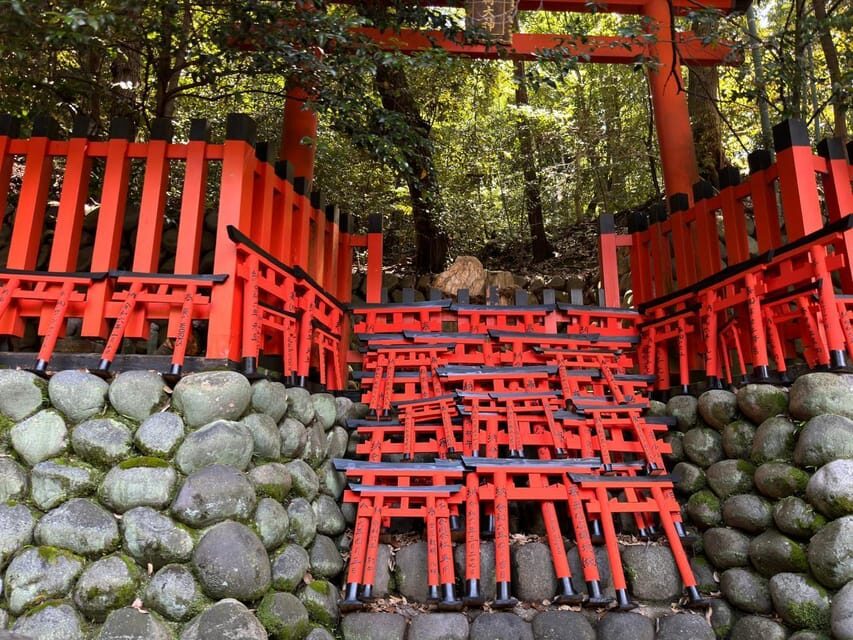
Even though the stops are spaced across a few rides, the core of this day trip is walking. That includes shrine paths, temple grounds, and the gate corridors at Fushimi Inari.
So here’s how to prepare without overthinking it:
- Bring comfortable shoes you can rely on for long, repeated steps.
- Plan for weather-appropriate clothing, because Kyoto and Nara can swing between conditions quickly.
- Bring a camera if you like photos, because the gates and lanterns are built for it.
Also, note the behavior rules. Smoking and alcohol/drugs are not allowed, and the tour info notes restrictions on having alcoholic drinks in the vehicle. It’s a small detail, but it usually means the day is run with a calmer, more family-friendly tone.
Who This Tour Suits Best (And Who Should Skip It)
This day trip is a strong fit if you want:
- A private group day covering major highlights without planning logistics
- A blend of scenic walking (bamboo), iconic shrine visuals (torii gates), and cultural landmarks (Tōdai-ji and its Great Buddha Hall)
- Time for both Nara Park deer moments and Kasuga Taisha lanterns
It’s also described as wheelchair accessible, which is a meaningful point if mobility needs require extra planning.
Who might not love it:
- People who want a slow, low-walking day. This is 10 hours with multiple walking-heavy stops.
- The tour also notes it’s not suitable for people over 95 years, so if that applies, look for a different format.
Should You Book This Kyoto, Nara, and Fushimi Inari Day Trip?
I’d book this if your priority is checking off the big icons efficiently: Arashiyama Bamboo Forest, Fushimi Inari Taisha, Nara Park, Tōdai-ji, and Kasuga Taisha in one guided, private day. The price becomes more reasonable when you have a group up to 6, and the host support (including careful help described in reviews) looks like a real quality marker.
I’d hesitate if you’re traveling solo on a tight budget or if long walking is a challenge for you. In that case, you might get a more comfortable day with fewer stops.
If you do book, my advice is to pack for feet first: comfortable shoes and weather-ready clothing. Then let the day do what it’s designed to do: move you through Japan’s most recognizable spiritual and scenic scenes with a plan that keeps your time from melting away in transit.
FAQ
How long is the day trip?
It’s listed as 10 hours.
Where do pickup and drop-off happen?
You have two pickup options (Kyoto or Osaka) and two drop-off locations (Osaka or Kyoto).
What language will the host or greeter speak?
The host or greeter is listed as English.
Is this a private tour?
Yes, it’s a private group.
Is the tour wheelchair accessible?
The tour is listed as wheelchair accessible.
What should I bring, and what’s not allowed?
Bring comfortable shoes, a camera, and weather-appropriate clothing. Smoking and alcohol/drugs are not allowed, and alcoholic drinks in the vehicle are also not allowed.