REVIEW · TAKAYAMA
Takayama to Gujo Hachiman, History Traditions and Crafts
Book on Viator →Operated by Snow Monkey Resorts Tours (Machinovate Japan Ltd.) · Bookable on Viator
Gujo Hachiman feels like a time capsule. This full-day trip from Takayama takes you into a mountain town where hilltop castle views and hands-on replica food crafting sit side by side with everyday Japanese life. It’s the kind of outing that gives you both photos and context, not just check-the-box stops.
I like that the schedule is built around real places: the castle for the big picture, then the town for how people actually lived. You’ll also get guidance from an English-speaking guide named Hemi, who connects local stories to what you’re seeing, at a Folklore Art Museum that explains how setting and history shape traditions. One drawback to plan for: lunch isn’t included, so you’ll want cash and flexibility for the town break.
In This Review
- Key highlights worth your time
- Why a Takayama to Gujo Hachiman day trip hits different
- Takayama Station pickup and the day’s pace
- Gujo Hachiman Castle: hilltop views plus the reason for the town’s layout
- Folklore Art Museum: traditions explained through setting and history
- Castle Town walking time: take your time in the water-focused streets
- Replica food crafting: the hands-on part you’ll actually remember
- Lunch planning in Gujo Hachiman: what to expect and how to handle it
- The guide matters: Hemi’s style and how it improves the day
- Price and value: is $207.19 a fair deal for what you get?
- Seasons and scenery: when the road to Gujo looks its best
- Who should book this tour (and who might skip)
- Should you book the Takayama to Gujo Hachiman day tour?
- FAQ
- What is the tour duration?
- What time does the tour start, and where?
- How much does the tour cost?
- What’s included in the price?
- Is lunch included?
- What ticket type do I get?
- How big is the group?
- Can I get a full refund if I cancel?
Key highlights worth your time
- Gujo Hachiman Castle: a hilltop visit with panoramic views and stories tied to local power struggles
- Folklore Art Museum: exhibits that connect the natural surroundings and historical sites to local traditions
- Castle Town walking time: plenty of time to browse small shops and get your bearings in a water-focused town layout
- Replica food crafting: make playful food replicas (including gunkan- and sushi-style items) you can take home
- Small-group feel (max 40): easier questions and a calmer pace than large tour buses
Why a Takayama to Gujo Hachiman day trip hits different
Takayama already feels traditional. Gujo Hachiman takes it a step further by slowing you down with places that are made for walking and looking. The town sits in the mountains, so the day has that satisfying rhythm of travel-to-height, then stroll-to-stories.
This is not just sightseeing. The best part is that the tour mixes built heritage (castle + museum) with a craft you can handle. That matters because it makes the culture stick. When you’re holding a replica food piece in your hands, you’re learning in a way that lasts longer than photos and captions.
You can also read our reviews of more historical tours in Takayama

Takayama Station pickup and the day’s pace
The tour starts at 9:00 am at Takayama Station, and you return to the same meeting point at the end. The total duration is about 8 hours 30 minutes, and the travel time between Takayama and Gujo Hachiman is included in that number. So you’re not guessing how much of your day disappears on the road—you can plan around a real, full-day block.
Group size is capped at 40 travelers, which helps keep the flow smoother. You’ll move through stops in an organized way, but you still get enough time at each place to look around at your own speed.
If you’re the type who hates being rushed, this schedule is a good match. You have a museum segment, then a longer chunk in the castle town area, plus time to craft something and reset after the morning walk.
Gujo Hachiman Castle: hilltop views plus the reason for the town’s layout
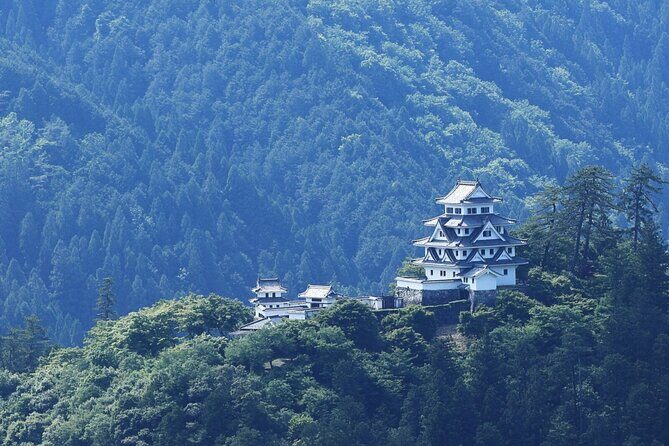
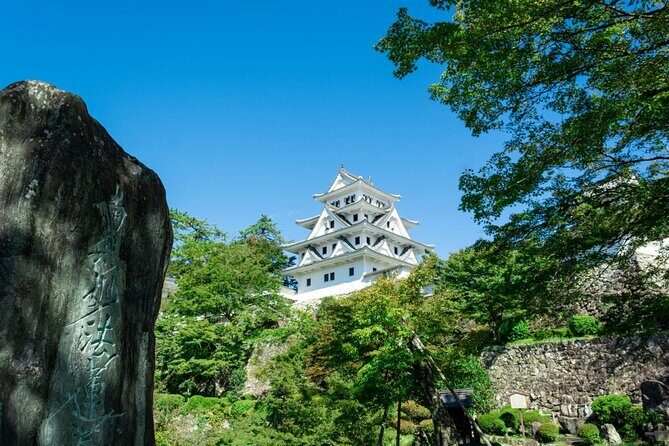
The castle visit is the day’s altitude moment. You’ll ascend to the hilltop where Gujo Hachiman Castle sits, and the payoff is twofold: you get that classic panoramic look over the town, and you also get the story behind it.
From the start, the tour frames the castle as a way to understand the region, not just a photo stop. You’ll hear connections to samurai-era conflicts and how power and geography shaped life here. That’s useful because once you know that context, the town below becomes more than a pretty place—you start seeing why routes, buildings, and defenses were where they were.
The views also help you understand why Gujo has a reputation for water. One thing I love about this stop is that it gives you a mental map. After you’re up on the hill, it’s much easier to recognize the town’s layout when you come back down.
Practical note: going up is part of the plan. Wear shoes that work on uneven outdoor surfaces, and bring a light layer if the mountain air feels cooler than Takayama.
Folklore Art Museum: traditions explained through setting and history
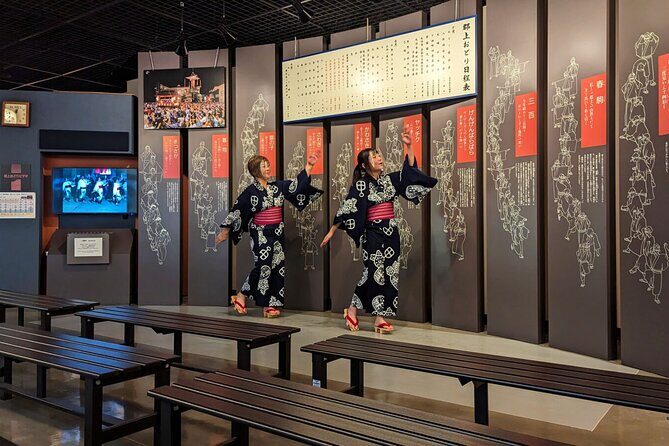
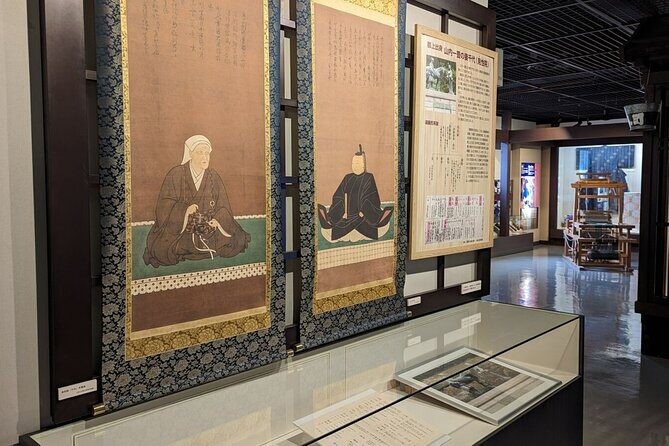
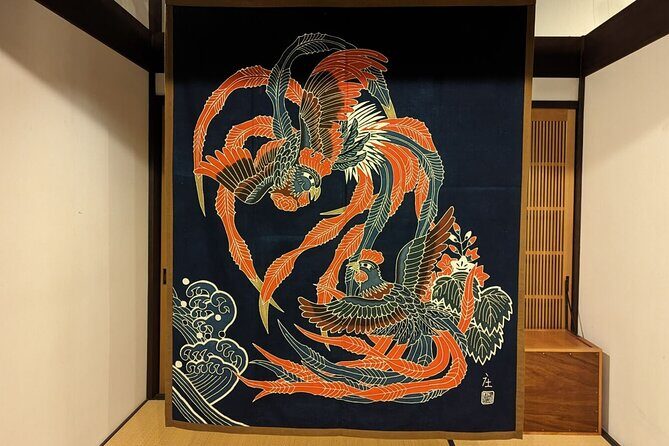
After the castle, the tour moves into learning mode at the Gujo Hachiman Folklore Art Museum. The point here isn’t academic lecturing. It’s more like putting the pieces together: how natural surroundings and historic sites shaped local traditions.
This is where the day gains depth. You’ll see how seasonal customs fit into the calendar, including folk dance traditions that run only for a limited part of the year. You’ll also get explanations that connect everyday life to the bigger story of the region.
If you’re traveling with kids, this museum stop can work well because it’s structured around exhibits and clear themes rather than long, uninterrupted walking.
A small tip: pace yourself here. Museums can go long if you try to read everything. I’d focus on what matches the morning context—the parts that connect the hilltop castle viewpoint to what people practiced in daily life.
Castle Town walking time: take your time in the water-focused streets
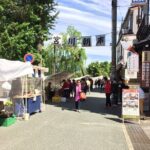
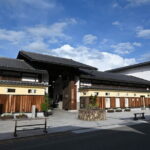
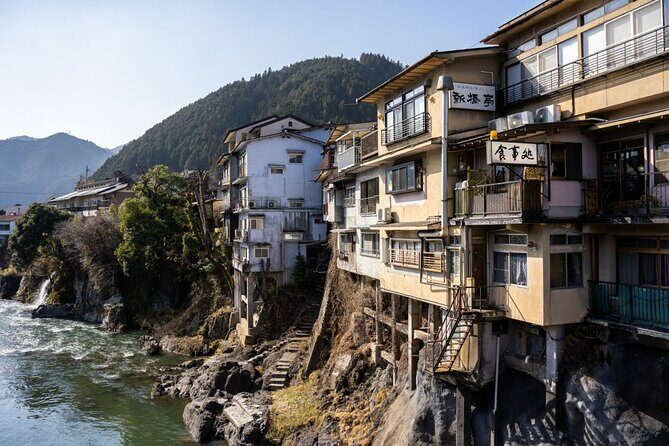
One of the best uses of time on this tour is the long stretch in Gujo Hachiman Castle Town. You get about 3.5 hours here, and the museum/castle tickets aren’t required for the town portion. Admission is free for this segment, so your “value” comes from what you choose to do with your eyes and feet.
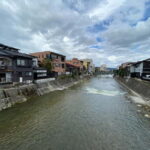
This is where the town’s personality shows up. Streets feel intentionally designed, and water plays a major role in the layout. If you pay attention, you’ll start spotting how the town directs movement and how the waterways shape the vibe.
It’s also when you’ll get your lunch break (more on that in a moment). But even before food, this is a great time to browse small shops and look for craft-related souvenirs that feel more local than mass-market.
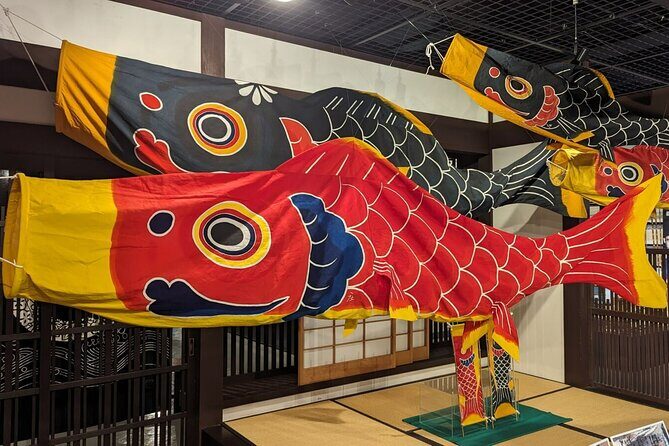
One thing worth planning for: look for the fish in the water features. Koi are a big part of the town’s visual identity, and it’s the kind of detail that makes your photos feel alive, not staged.

Replica food crafting: the hands-on part you’ll actually remember
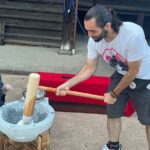
The included craft experience is one of the most memorable pieces of the day. You’ll do hands-on replica food crafting, creating food models that copy popular dishes in a way Japanese shops use to display items.
In this tour, you can make replica styles such as gunkan and sushi. That’s a fun detail because it’s recognizable even if you don’t speak the language. You’re not just watching someone else work—you’re making something yourself, and you get to bring it home.
Why this matters: replica food isn’t only a novelty. It’s a practical craft that helps shops sell. It’s also a skill that takes patience and eye for detail, which connects perfectly back to the castle and museum theme of traditions shaped over time.
If you want your souvenir to mean something, prioritize this moment. Give yourself the full attention you’d give to making a small art project at home. Take photos while you work, but keep your hands steady. Your finished piece will look better, and you’ll enjoy the process more.
Lunch planning in Gujo Hachiman: what to expect and how to handle it
Lunch is not included, but the tour does build in time for it during the castle town segment. That’s actually a positive, because it gives you control. You can choose something quick, something sit-down, or something that fits your budget and tastes.
Practical move: use the lunch window to test-drive the town. Eat somewhere close to where you want to keep browsing after the meal. Don’t plan lunch as a big detour, because your time is better spent walking and crafting.
If you’re traveling as a family, this is also your easy “reset moment.” The day has walking and learning. A calm meal helps everyone stay happy for the afternoon.
The guide matters: Hemi’s style and how it improves the day
The tour includes an English-speaking guide, and your experience is shaped by the way that guide ties things together. One name that comes up often is Hemi—and the reason that matters is simple: a good guide keeps the day from feeling like separate stops.
Instead of treating the castle, museum, and town as unrelated “attractions,” the best part of the guidance is how it links them. You’ll get stories about the region’s samurai clashes, the town design centered on water, and how cultural events show up only in certain months.
That approach makes the walking time feel purposeful. You don’t just see fish and cute streets. You understand why they matter.
If you want the most from this kind of tour, come with one question in mind. Something like: How did this place survive and change? Then ask your guide while you’re at the castle viewpoint or in the museum.
Price and value: is $207.19 a fair deal for what you get?
The price is $207.19 per person, and the tour runs for about 8.5 hours including transportation. That price can look steep at first glance—until you break down what’s actually included.
You’re paying for:
- Round-trip transport between Takayama and Gujo Hachiman
- Admission to both the castle and the folklore museum
- A guided experience with an English-speaking guide
- The replica food crafting workshop (a hands-on activity, not just entry tickets)
Lunch isn’t included, so that’s extra on your own. But when a tour includes transportation plus two admissions plus an included craft, it’s often closer to “bundled value” than you might expect.
Also, the tour runs with a max group size of 40, which can mean less friction and fewer long lines compared to bigger operations. If you’re trying to do this on your own, you’d likely spend time figuring out connections and paying for tickets and activities separately. Here, it’s all packaged into one guided day.
My take: at this price point, you’re paying for convenience and learning. If you’re excited about the craft and want a structured way to connect history to what you see, the value feels solid. If you only want scenery and nothing hands-on, then you may find the day a bit heavier on explanation than you’d like.
Seasons and scenery: when the road to Gujo looks its best
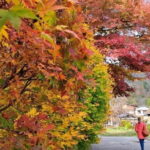
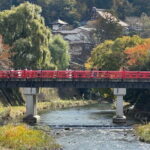
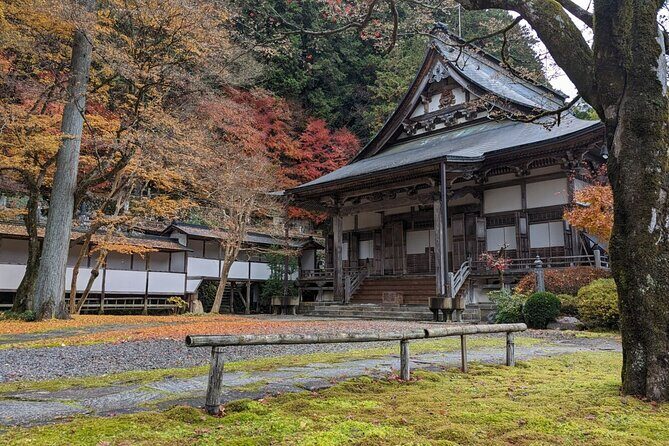
The ride between Takayama and Gujo Hachiman can be gorgeous, especially when the seasons turn. Autumn colors are one of the most talked-about highlights of the journey. If your dates line up with fall foliage, you’ll get extra satisfaction from the drive itself—not just the stops.
Even outside peak color season, you still benefit because the whole day is designed around movement through mountain terrain. The scenery helps you appreciate why the region’s traditions evolved the way they did.
Who should book this tour (and who might skip)
This tour is a great fit for:
- People who want a guided day with context, not just a self-guided checklist
- Anyone interested in Japanese crafts, especially replica food
- Families who need a pace that keeps kids engaged while adults get meaningful learning
You might consider skipping if:
- You hate structured itineraries and prefer to wander entirely on your own
- You only want pure scenery and would rather skip museum-style learning
- You’re very sensitive to a full day away from your base (it’s close to 9 hours total)
Should you book the Takayama to Gujo Hachiman day tour?
If you like culture that you can touch—crafts, objects, and practical traditions—this is a strong booking. The best reasons are simple: the day includes both guided history and an included hands-on replica food workshop, plus time to stroll in a town with a clear visual identity around water.
Before you decide, ask yourself one question: do you want more than photos? If yes, book it. If your ideal day is mostly freedom with no schedule, you may prefer building your own day around just the castle and town.
Also, plan your lunch money. That one missing piece is easy to handle, but it matters if you’re trying to keep costs predictable.
FAQ
What is the tour duration?
The tour runs for about 8 hours 30 minutes, including travel time.
What time does the tour start, and where?
It starts at 9:00 am at Takayama Station (Japan, 506-0053, Gifu, Takayama, Showamachi 1-22-2), and it ends back at the meeting point.
How much does the tour cost?
The price is $207.19 per person.
What’s included in the price?
Transportation between Takayama and Gujo Hachiman, admission to Gujo Hachiman Castle and the Gujo Hachiman Folklore Art Museum, hands-on replica food crafting, guided walks, and an English-speaking guide.
Is lunch included?
No. Lunch is not included, but there is time for a lunch break during the castle town portion.
What ticket type do I get?
You receive a mobile ticket.
How big is the group?
The tour has a maximum of 40 travelers.
Can I get a full refund if I cancel?
Yes. Cancellation is free up to 24 hours in advance of the experience’s start time for a full refund.