REVIEW · TAKAYAMA
Takayama Mochi Making Experience in a Buddhist Temple
Book on Viator →Operated by 高山善光寺 · Bookable on Viator
One hour can feel like a whole tradition lesson. This mochi-making workshop in Takayama takes place in a working Buddhist temple setting, where you pound steamed rice into chewy mochi and top it your way.
I especially like the hands-on rhythm of mochi pounding, because it turns food into a skill you can feel. I also like the human touch in the teaching—when a guide like Kazuki is leading, you get clear instruction plus lots of encouragement for participants.
There is one thing to consider: mochi is chewy and can be hard to manage if you have a sensitive throat. That is why the experience is not recommended for young kids or elderly people.
In This Review
- Key Things to Know Before You Go
- Temple Mochi: Why This Setting Matters in Takayama
- The 1-Hour Flow: From Steamed Rice to Your First Bite
- Mochitsuki Pounding: Tools You Touch, Skills You Learn
- Itadakimasu Before You Eat: A Simple Etiquette Moment
- Choose Your Mochi Flavors: Kinako, Sweet Bean Paste, and Miso
- Price and Value: What $39.09 Gets You in Takayama
- Meeting Point at 4-chōme-3 Tenmanmachi and the 3:30 pm Start
- Who Should Book (and Who Should Skip the Mochi)
- Should You Book Takayama Mochi Making at Takayama Zenkoji?
- FAQ
- How long is the mochi making experience?
- Where does the experience meet in Takayama?
- What time does it start?
- What flavors of mochi are available?
- Is this experience suitable for children and seniors?
- Can I cancel and get a refund?
Key Things to Know Before You Go
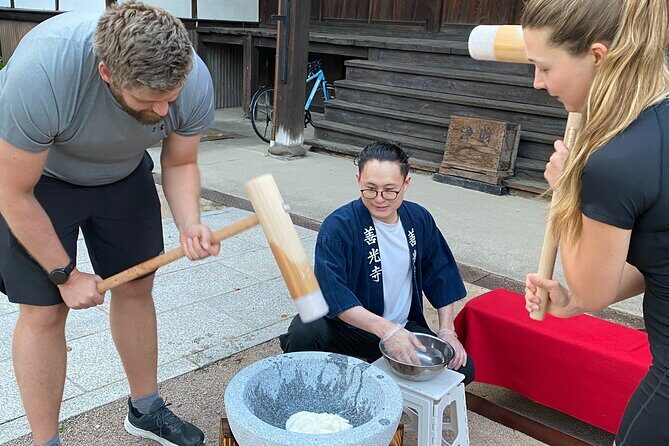
- Temple setting at Takayama Zenkoji: you are making mochi in an actual Buddhist space, not a staged kitchen.
- Small group size: capped at 10 travelers, so the host can keep things flowing and answer questions.
- You pound the rice yourself: wooden mallet and mortar means real participation, not just watching.
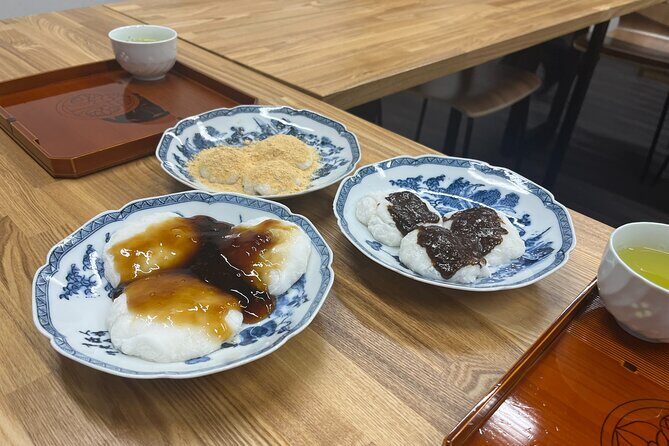
- You choose flavors: sweet red bean paste, roasted soybean flour (kinako), and savory miso.
- Gratitude before eating: you practice the custom of saying itadakimasu.
- About 1 hour: short enough to fit cleanly into an afternoon plan, starting at 3:30 pm.
Temple Mochi: Why This Setting Matters in Takayama
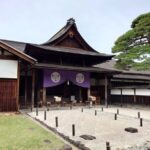
If you have ever tried mochi in a shop, you already know it is good. But making it is a different story. The texture comes from time, heat, and pressure—the exact stuff you cannot fully copy at home. What makes this experience stand out is the place: it is hosted at 高山善光寺 (Takayama Zenkoji), a Buddhist temple atmosphere that gives the whole activity a calm, communal feel.
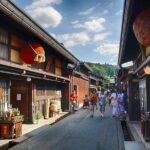
Takayama is a town where craft and tradition are easy to spot. A workshop like this makes that visible in a way that food alone rarely does. Instead of just tasting something, you learn how mochi links celebration and good fortune with community. That theme is not lectured as a history trivia contest. It is built into the pacing: you learn the meaning, then you participate, then you eat with intention.
And yes, it is fun. The simple mechanics of pounding, the moment the rice turns soft and cooperative, and the joy of shaping your own piece all add up. It feels like taking part in a small ritual that is still alive.
You can also read our reviews of more tours and experiences in Takayama.


The 1-Hour Flow: From Steamed Rice to Your First Bite
This is a 1 hour experience (approx.) that starts at 3:30 pm at the meeting point in Takayama: 4-chōme-3 Tenmanmachi, Takayama, Gifu 506-0025, Japan. It also ends back at the same place, so you do not need to worry about transfers or wandering afterward.
Here is the typical flow, step by step:
First, you get a short introduction to mochi and what it means in Japanese culture. You will hear why mochi has been cherished for centuries and how it connects to good fortune and shared moments. This matters because it changes how you think about what you are doing. You are not just making dessert. You are helping create something with cultural weight.
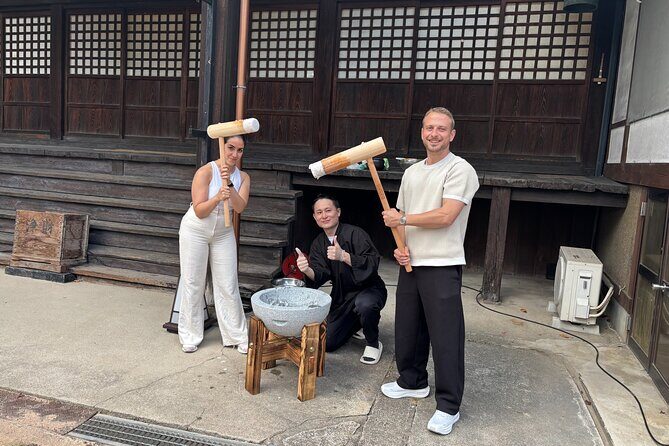
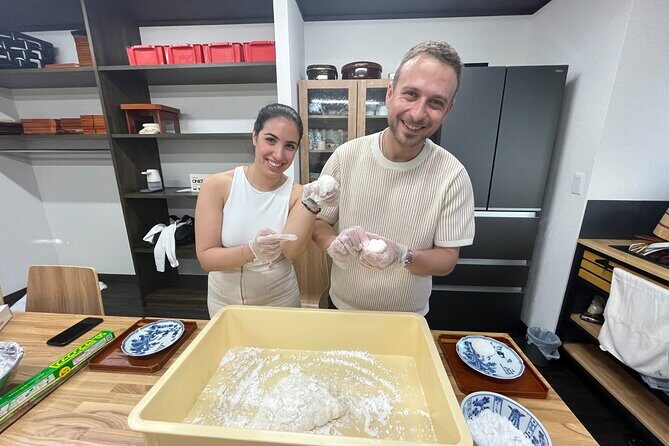
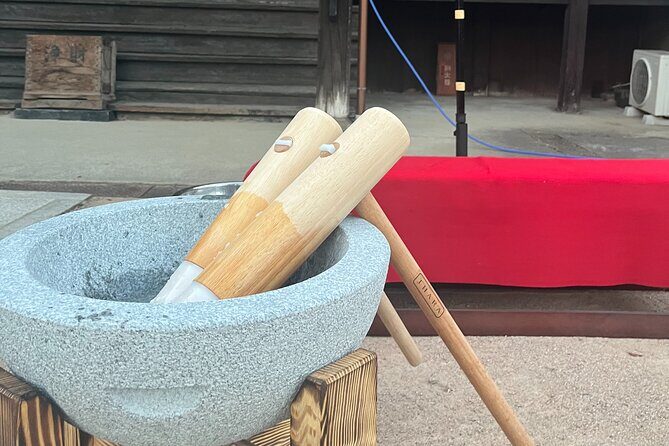
Next comes the main event: mochi pounding. You use traditional tools—a wooden mallet and mortar—to turn freshly steamed glutinous rice into soft, chewy mochi. This part is tactile and a little workout-ish in the best way. Even if you are not strong, you can still contribute; the host guides the technique so you do not feel stuck.
Then the workshop moves to the moment before eating. You will be guided through the Japanese custom of saying itadakimasu before you eat. It is a small ritual, but it sets the tone. You will taste mochi you made, while following the etiquette you just learned.
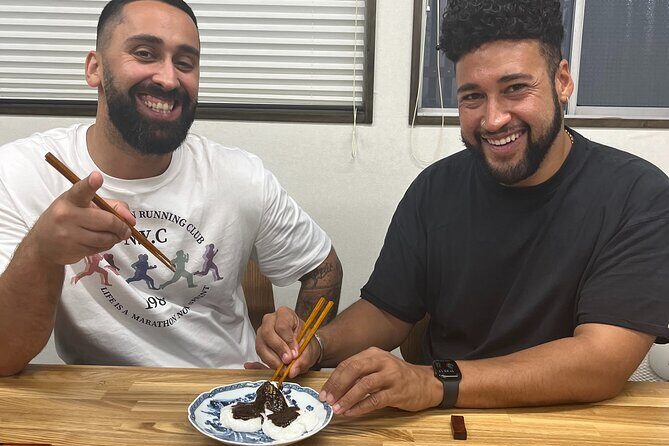
Finally, you shape your mochi and choose from the available flavors, eat fresh on the spot, and leave with the satisfaction of doing the whole process yourself.
Mochitsuki Pounding: Tools You Touch, Skills You Learn
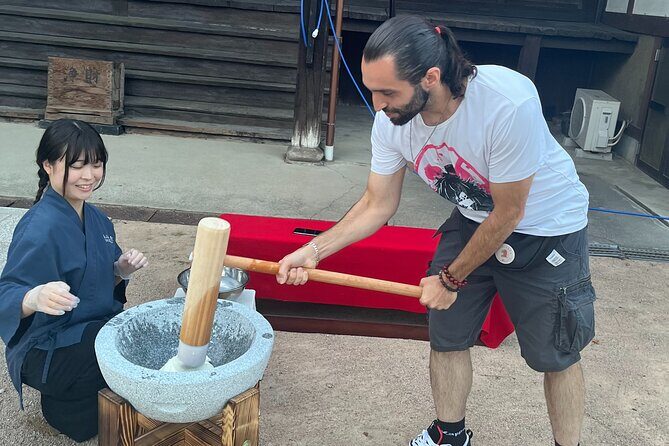
The pounding stage is where the experience becomes real. Tools matter here. Using a wooden mallet and mortar turns the workshop into a teamwork-style craft, even if you are working individually. The motion has a rhythm, and the rice changes as you apply pressure and timing.
You can expect the host to guide you on technique and keep things safe and smooth. This is especially important because glutinous rice is sticky, and mochi can be awkward to handle at first. The goal is not perfection. The goal is to understand what the texture needs, then make something you can actually eat.
Also, because the group is capped at 10 travelers, you are less likely to feel rushed or shoved into a corner. You can ask quick questions, and you are more likely to get hands-on help if you need it.
One more thing I appreciate: there is a built-in learning loop. After the pounding, you shape and eat right away. That means you can connect cause to effect. When you understand how pounding changes the rice, the flavor toppings make even more sense.
Itadakimasu Before You Eat: A Simple Etiquette Moment
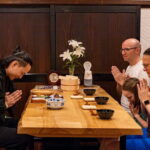
This workshop includes a short cultural step that is easy to skip on many food tours, and it is exactly why I like it. Saying itadakimasu before eating is an expression of gratitude. The host walks you through it, so you are not left guessing what to do.
Why does this matter for you? Because it helps you slow down. You are about to eat something you made with your hands. Taking the moment to say the phrase makes that first bite feel deliberate instead of automatic.
It also gives you a usable takeaway. Even after your trip, you can bring the habit home when you eat Japanese food (or any thoughtful meal, honestly). It is not dramatic. It is practical.
Choose Your Mochi Flavors: Kinako, Sweet Bean Paste, and Miso
After you pound and shape, you get to customize your mochi. The workshop offers three flavors to enjoy, and you can pick what matches your mood:
- Sweet red bean paste: classic, comforting, and sweet enough to balance the plain chew of mochi.
- Roasted soybean flour (kinako): nutty, lightly sweet, and a great match if you like that toasted aroma in Japanese snacks.
- Savory miso: salty-sweet depth if you want something less dessert-like.
This is one of the smartest parts of the experience because it lets you tailor the final result. If you are traveling with friends who all want different things, you are not forced into one outcome. And if you have only tried one type of mochi before, this is a low-pressure way to expand your palate.
Tip for your taste buds: start by sampling a flavor you are confident about, then try one you would not normally order. Mochi has a gentle base, so toppings carry a lot of the personality.




Price and Value: What $39.09 Gets You in Takayama
At $39.09 per person, this is priced like a focused workshop rather than a casual tasting. You are paying for: instruction, the traditional pounding setup (wooden mallet and mortar), and the ingredients needed to turn steamed rice into edible mochi. You also get the temple context, which is part of the real value here.
The big value lever is the small size. With a maximum of 10 people, you are more likely to get actual guidance and time with the process. That makes the workshop feel personal instead of industrial.
Also, the duration is about 1 hour, so you are not committing your whole afternoon. You get a complete experience arc—learn, pound, eat—without turning it into a half-day project.
If you like hands-on food experiences, this looks like solid value. If you only want to eat quickly and move on, you may find the workshop format a little longer than you prefer. But the activity is the point.
Meeting Point at 4-chōme-3 Tenmanmachi and the 3:30 pm Start
The meeting location is 4-chōme-3 Tenmanmachi, Takayama, and it is near public transportation. The start time is 3:30 pm, and the session ends back at the meeting point.
For planning, I like late-afternoon workshops because they fit into sightseeing rhythms. You can do a few Takayama stops earlier, then switch gears to something interactive. Just keep in mind that mochi is chewy. If you plan to eat a heavy meal right after, you might want to go light elsewhere beforehand.
The ticket format is mobile, and you should receive confirmation at booking time. If you enjoy keeping your trip simple, this kind of ticket delivery is a small but real convenience.
Who Should Book (and Who Should Skip the Mochi)
This experience is best for people who want something active and cultural. If you like food you can connect to a place, and you enjoy learning by doing, you will likely have a great time.
It is also a strong choice for families with older kids, because one of the praised parts of the workshop is how the teacher encourages participation. The host approach matters here. You can see the difference when instruction is patient and upbeat instead of rushed.
That said, the workshop has a clear caution: it is not recommended for young kids and elderly people. The issue is that mochi can stick in your throat. If that is a concern for you or your group, skip this workshop or choose a different food experience with softer bites.
Also, if you have swallowing or chewing difficulties in general, this is worth taking seriously. Mochi is delicious, but it is not the most forgiving texture.
Should You Book Takayama Mochi Making at Takayama Zenkoji?
I think you should book if you want a Takayama activity that is more than a snack stop. The combination of hands-on pounding, a temple setting, and a clear teaching style makes it a memorable one-hour experience. If you are traveling with someone who loves food, this gives you a shared story you can talk about later because you created the mochi yourself.
I would pass if your group includes people who struggle with chewy textures, especially young kids or elderly travelers. That safety note is not a minor detail. It directly affects whether the experience is enjoyable and appropriate.
If you fall into the first group—curious, hands-on, and up for learning a simple tradition—this is a very good use of your time in Takayama.
FAQ
How long is the mochi making experience?
It runs for about 1 hour.
Where does the experience meet in Takayama?
The meeting point is 4-chōme-3 Tenmanmachi, Takayama, Gifu 506-0025, Japan. The activity ends back at the meeting point.
What time does it start?
The start time is 3:30 pm.
What flavors of mochi are available?
You can choose from sweet red bean paste, kinako (roasted soybean flour), and savory miso.
Is this experience suitable for children and seniors?
It is not recommended for young kids and elderly people because mochi might stick in your throat.
Can I cancel and get a refund?
Yes. You can cancel for free up to 24 hours in advance for a full refund.