REVIEW · TAKAYAMA
Customizable Takayama Private Walking Tour
Book on Viator →Operated by DeepExperience · Bookable on Viator
Takayama can be small, but it moves fast. This private walking tour gives you the structure to see the highlights without forcing a one-size itinerary. What I like most is the flexibility in start time and routing, plus the way your guide helps you pick the right mix of old-town streets, markets, and traditional culture at an easy walking pace.
You’ll also appreciate the practical setup: you can choose 4-hour guiding (with options that can run longer) and your guide meets you at your hotel or at the Takayama Tourist Information Center by JR Takayama Station. One possible drawback to plan for is that not every stop is free, and some places require you to pay separate admissions or the guide may need extra help for higher-cost sites farther from the core area.
In This Review
- Key Takeaways Before You Go
- A Private Takayama Walk You Can Actually Shape
- Price and value: what you’re really paying for
- How the Start Times Change Your Day
- The Walking Plan: What 4 Hours Looks Like
- Stop-by-Stop: How Each Site Fits (and when to choose it)
- Sanmachi Suji: the Edo-period streetside experience
- Miyagawa Morning Market: food, crafts, and lively morning shopping
- Jinya Morning Market: a calmer take on local market culture
- Higashiyama Walking Course: temples, shrines, and a scenic 3.5 km route
- Sakurayama Hachimangu Shrine: calm, old-school architecture, forest backdrop
- Takayama Festival Floats Exhibition Hall: festival craft in a single place
- Kusakabe Folk Museum: traditional Japanese craftsmanship and artifacts
- Hida Minzoka Mura Folk Village (Hida no Sato): thatched-roof life from the region
- Hirase Shuzo Brewery: sake with local ingredients
- The Guide Experience: pacing, explanations, and practical choices
- Pickup vs meeting point: pick the low-stress option
- What You Should Think About Before Booking
- Admission fees and extra costs
- How far you’ll go
- Time on your feet
- Who This Tour Suits Best
- Should You Book It? My Practical Take
- FAQ
- FAQ
- What time can I start this Takayama private walking tour?
- Where does the tour meet, and how does pickup work?
- How long is the tour?
- How many sites does the tour include?
- Are museum or attraction admission fees included?
- Is this tour private or shared with other people?
Key Takeaways Before You Go
- Pick your start time: 8 AM, 9 AM, 10 AM, 11 AM, or 12 PM, so you can match the day you have planned
- It’s truly private: only your group goes, so you can move at your pace and ask lots of questions
- Most itineraries land on 3–5 stops: enough variety without feeling like a checklist sprint
- Old streets + markets + crafts work well together: your guide can mix experiences instead of repeating themes
- Admission fees are not included for several key museums and exhibition stops
- Comfort with moderate walking helps since it’s a walking experience through town
A Private Takayama Walk You Can Actually Shape
Takayama is the kind of place where one turn can change the whole mood. One minute you’re among preserved merchant houses and old lanes; the next you’re in a morning market area, surrounded by food smells and local chatter. This tour is built around that rhythm, but with one big advantage: you’re not stuck with a rigid schedule.
The tour is a private walking experience in Takayama, Japan, priced at $170.72 per person. It runs about 4 to 8 hours, and it’s designed so you work with your guide to choose what fits your interests. Your options aren’t limited to one “set” of attractions either. You can aim for historic streets like Sanmachi Suji, market time like Miyagawa Morning Market, quieter stops like Jinya Morning Market, or religious and scenic walking like the Higashiyama Walking Course and Sakurayama Hachimangu Shrine.
If you prefer less planning, that’s a win. If you’re a planner, it’s also a win, because you can tell your guide what you care about—food, festivals, crafts, or calm temples—and then build a route that makes sense.
You can also read our reviews of more walking tours in Takayama


Price and value: what you’re really paying for
Let’s be honest: $170.72 per person isn’t “cheap,” especially if you compare it to wandering on your own. But you’re buying a few things that matter in a real city day:
You’re paying for a local English-speaking guide who helps you choose 3–5 sites from the tour options. You’re also paying for the time saved on decision-making, plus the convenience of meeting at a clear starting point (or hotel pickup if you choose that).
For me, the value clicks best when you want more than one type of experience—like markets plus folk culture—or when you don’t want to risk wasting time figuring out what’s worth it.
How the Start Times Change Your Day
This tour lets you start at 8 AM, 9 AM, 10 AM, 11 AM, or 12 PM. That might sound like a small detail, but in Takayama, timing affects what kind of town you get.
A morning start helps if you want market energy and the classic “morning strolling” feel at Miyagawa Morning Market and Jinya Morning Market. A later start can work if you’re combining Takayama with other plans and you’d rather not rush.
Either way, your guide meets you at the Takayama Tourist Information Center (5-chōme-51 Hanasatomachi) or at your hotel if pickup is offered. The tour ends back at the meeting point, so you’re not left figuring out your own return logistics.
The Walking Plan: What 4 Hours Looks Like
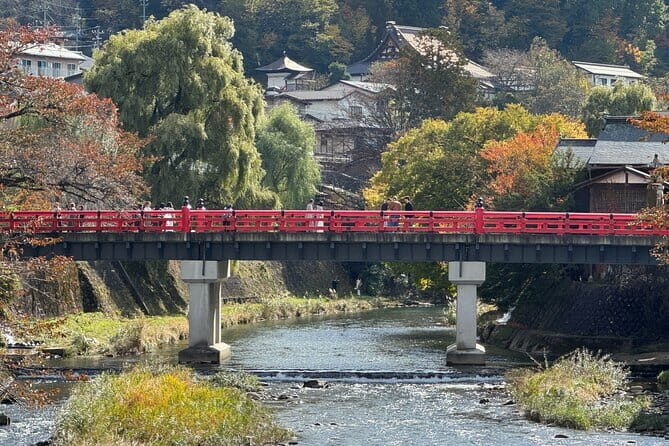
The tour is described as customizable around a 4-hour walking experience, with the practical reality that it can run longer depending on what you choose. The key is that most versions focus on 3–5 sites. That’s a sweet spot in a place like Takayama. You get variety without burning the day on transit, and you can actually slow down inside shops, museums, or viewing areas.
You’ll want moderate physical fitness, since it’s a walking experience through town. If you’re trying to minimize walking, it’s worth telling your guide early so they can adjust the route choice within the tour area.
Stop-by-Stop: How Each Site Fits (and when to choose it)
Your guide will help you pick from several listed options. Here’s how the stops work in practice, plus the tradeoffs so you can choose confidently.
You can also read our reviews of more private tours in Takayama


Sanmachi Suji: the Edo-period streetside experience
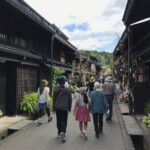
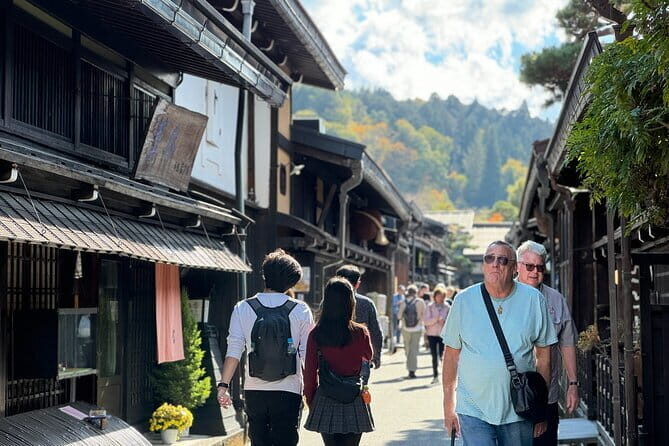
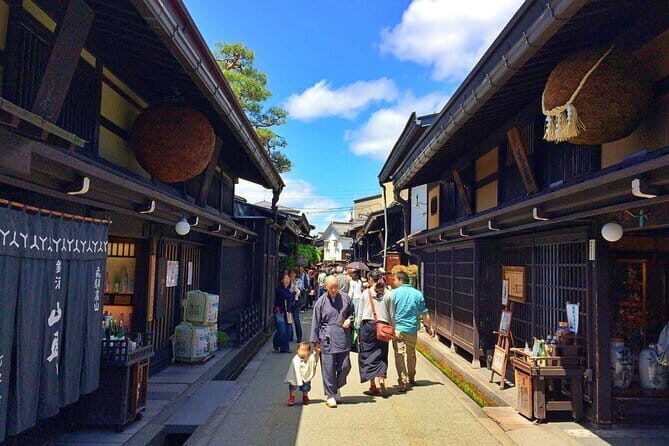
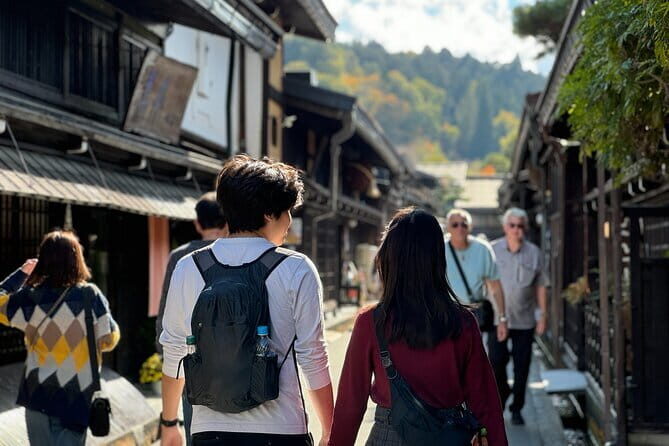
Sanmachi Suji is Takayama’s historic district, known for preserved wooden merchant houses, plus sake-brewing connections and boutique shops. This is your “slow down and look closely” stop. I like this area when I want the feel of the past without having to sit in a museum the whole time.
Why it’s worth it: It’s basically built for strolling. You can browse, read the atmosphere, and take your time without feeling like you’re missing the main event.
Possible drawback: If you’re not interested in old streets or shop browsing, it may feel like “just walking” unless you pair it with a museum or craft stop.
Miyagawa Morning Market: food, crafts, and lively morning shopping
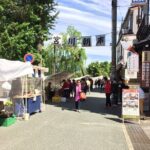
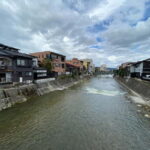
Miyagawa Morning Market is described as a riverside market with fresh produce, local crafts, and street food. This is the stop to choose if you want Takayama’s day-to-day energy rather than only its preserved architecture.
What you’ll do: You’ll stroll through stalls, meet vendors, and sample local flavors if you choose. Your guide can help you understand what you’re seeing and what’s typical for the market environment.
Possible drawback: If you’re not into food markets or crowds, you may prefer the quieter feel of Jinya Morning Market instead.
Jinya Morning Market: a calmer take on local market culture
Jinya Morning Market sits in front of Takayama Jinya and is framed as a more traditional, quieter atmosphere compared with Miyagawa Morning Market. It also includes fresh local produce and handmade crafts.
Why it works: If you like markets but want a slower pace, this can balance out your morning. It also pairs well with history stops because it’s tied to a formal setting in the area.
Possible drawback: If you were specifically hoping for the most street-food-heavy market vibe, this might feel less food-focused than Miyagawa Morning Market.
Higashiyama Walking Course: temples, shrines, and a scenic 3.5 km route
The Higashiyama Walking Course is a 3.5 km path through temples, shrines, and traditional streets. It’s described as serene and a good fit for nature lovers and history enthusiasts.
Why it’s valuable: This is the “walk it, don’t just look at it” option. You get outdoor time while also moving through sacred and historic pockets.
Possible drawback: Because it’s a defined walking course, it can be harder to compress if you’re also trying to add several heavy indoor stops. If you’re short on time, you might choose fewer museums and keep the rest of your schedule lighter.
Sakurayama Hachimangu Shrine: calm, old-school architecture, forest backdrop
Sakurayama Hachimangu Shrine is presented as a serene landmark with traditional architecture and a tranquil setting against a forested backdrop. This is the stop you pick when you want a pause from markets and crowds.
Why it fits: It’s ideal for a mid-tour reset. It gives you a more peaceful rhythm so the day doesn’t feel nonstop.
Possible drawback: If you’re focused mainly on shopping, food, or festival displays, you may want to keep shrine time shorter and spend more time elsewhere.
Takayama Festival Floats Exhibition Hall: festival craft in a single place
The Takayama Festival Floats Exhibition Hall showcases preserved, intricate floats from the famous Takayama Festival. It’s noted as featured in the Michelin Green Guide. Admission is not included.
Why I like this kind of stop: Festival floats can be hard to appreciate fully if you only see parts of them. An exhibition hall lets you focus on craftsmanship and detail in a calmer setting.
Tradeoff: This is one of the places where you should expect extra cost because the ticket isn’t included. If your budget is tight, ask your guide how long you’ll spend here versus markets or outdoor areas.
Kusakabe Folk Museum: traditional Japanese craftsmanship and artifacts
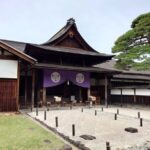
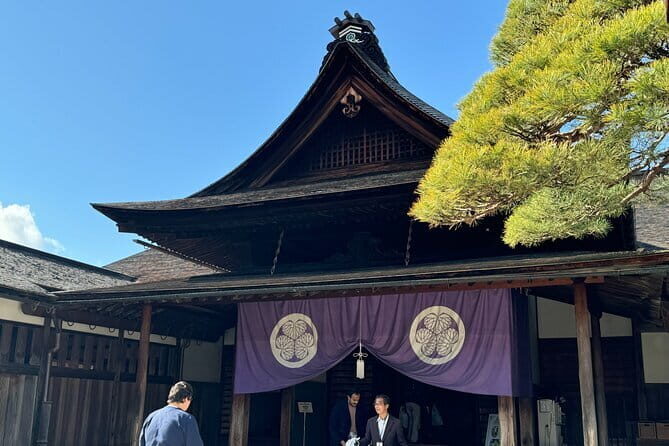
The Kusakabe Folk Museum is housed in a historic merchant’s residence and focuses on traditional Japanese craftsmanship. Admission is not included.
Why it’s a smart choice: It’s a good bridge between “old streets” and “how people actually made and used things.” If you’re into crafts and everyday culture, this stop can add depth without needing to understand a ton of background first.
Possible drawback: If you’re not interested in museums, it may feel like more seated time than you want. Pair it with walking areas so the day stays balanced.
Hida Minzoka Mura Folk Village (Hida no Sato): thatched-roof life from the region
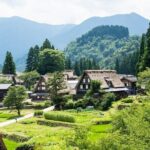
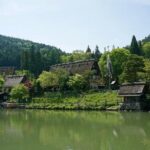
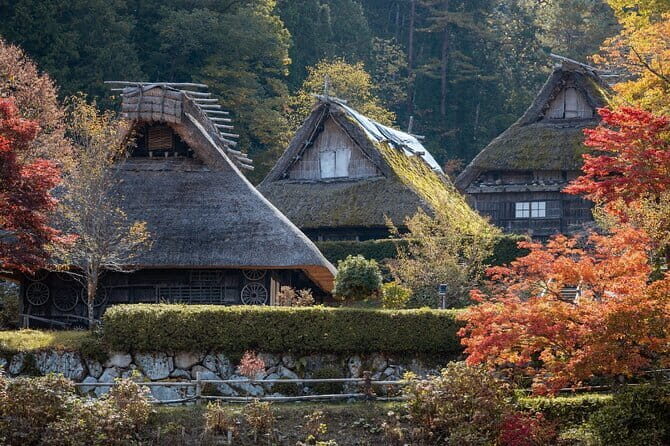
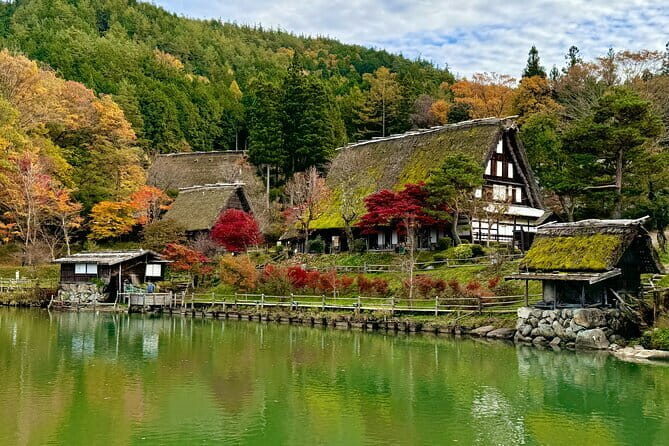
Hida no Sato is an open-air museum with traditional thatched-roof farmhouses from the Hida region. Admission is not included.
Why this stop matters: You get a different texture than Takayama’s preserved lanes. It’s more about how the region’s people built and lived, and it works well for photography and slow wandering.
Possible drawback: Open-air museums can take longer than you expect, especially if you like reading details and exploring every building.
Hirase Shuzo Brewery: sake with local ingredients
Hirase Shuzo Brewery is one of Takayama’s oldest sake breweries, established in 1623. It’s described as using local rice and pristine mountain water for premium sake, and you can enjoy sake tastings and learn about the process. Admission is not included.
Why it’s worth considering: If you want a truly “place-based” product experience, breweries are one of the clearest ways to connect a destination to a local craft. Tastings also make this stop feel more like an activity than a showroom.
Possible drawback: It’s also the kind of stop where cost can stack up if tastings or internal fees aren’t included. Ask what’s covered versus what you’ll pay on arrival.
The Guide Experience: pacing, explanations, and practical choices
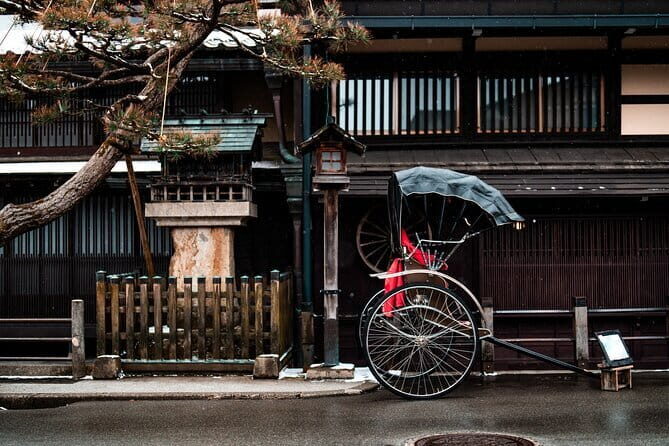
The tour includes a local English-speaking guide, and you’re expected to work with your guide to craft your perfect itinerary. That’s the heart of why this works.
A good guide makes two things easy:
1) choosing the right mix of stops so you don’t end up repeating the same type of experience, and
2) knowing how much time to spend at each place.
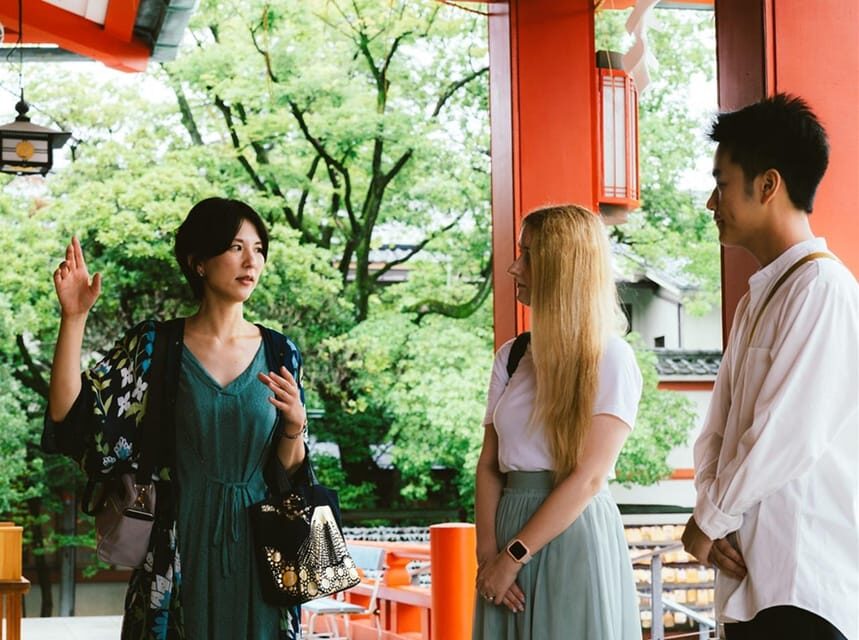
In the example shared through a guide named Mihoko, the focus is on pairing thoughtful explanation with time to explore. For instance, starting with Hida no Sato and then shifting into old town streets shows the tour’s strength: it doesn’t treat Takayama as separate checkboxes. Instead, it helps you connect “how people lived” with “how the town looks today.”
Pickup vs meeting point: pick the low-stress option
You can start at your hotel if pickup is offered. If not, the default meeting point is the Takayama Tourist Information Center. If you’re staying near JR Takayama Station, meeting there can be the simplest way to avoid time lost to finding your guide.
Either way, your day ends back at the meeting point, so you’re not dealing with a second logistics step.
What You Should Think About Before Booking
Admission fees and extra costs
Several major indoor or ticketed stops are explicitly listed with admission tickets not included, such as the Takayama Festival Floats Exhibition Hall, Kusakabe Folk Museum, and Hida no Sato, plus the brewery tasting experience. That doesn’t make the tour bad—it just means you should plan your budget for add-ons.
Ask your guide, early in the planning, which sites are ticketed so you don’t get surprised later.
How far you’ll go
The tour is designed around the tour area and says it may not be able to guide you to high-cost attractions or locations far from the tour area. In some cases, you might need to cover guide admission or transportation fees. If you have a very specific dream stop outside the area, confirm it during your itinerary discussion.
Time on your feet
This is a walking tour with moderate fitness recommended. If you’ve got tight knees or you’re traveling with someone who needs frequent breaks, build that into your stop selection. Outdoor walking routes and open-air villages tend to take more time than indoor photo stops.
Who This Tour Suits Best
This private walking tour is a great fit if you want:
- a customizable Takayama day instead of a fixed route
- a guide to help choose between old streets, markets, shrines, and folk sites
- an English-speaking local perspective
- a manageable number of stops (3–5 sites) rather than racing from place to place
It may be less ideal if you only want to see one or two attractions and are happy to figure out everything on your own, since you’re paying for the guide’s planning and time.
Should You Book It? My Practical Take
Book it if you like the idea of combining old-town strolling with market shopping and at least one deeper cultural stop like Hida no Sato, the Kusakabe Folk Museum, or the festival floats exhibition. You’ll get more out of Takayama than you would by picking random stops, because your guide helps you build a day that flows.
Skip it or reconsider if your budget is tight and you’d rather handle ticket costs yourself across multiple independent visits. Also reconsider if you only want one “icon” attraction—this tour shines when you want variety and pacing.
If your ideal day in Takayama includes markets plus craft or festival context, this is a solid way to make it happen without turning your travel day into a map-and-museum battle.
FAQ
FAQ
What time can I start this Takayama private walking tour?
You can choose a start time of 8 AM, 9 AM, 10 AM, 11 AM, or 12 PM.
Where does the tour meet, and how does pickup work?
The standard meeting point is the Takayama Tourist Information Center. Pickup is offered, and you can also choose to meet at your hotel if you prefer.
How long is the tour?
The tour runs about 4 to 8 hours.
How many sites does the tour include?
The tour includes an experience of 3 to 5 sites from the listed options.
Are museum or attraction admission fees included?
Admission tickets are not included for certain stops, including the Takayama Festival Floats Exhibition Hall, Kusakabe Folk Museum, and Hida Folk Village, and the brewery tasting details are also listed as not included.
Is this tour private or shared with other people?
This is a private tour/activity, so only your group will participate.