REVIEW · TAKAYAMA
Takayama Rice ball Making and meditation at Takayama Zenkoji.
Book on Viator →Operated by 高山善光寺 · Bookable on Viator
A quiet morning can be the best souvenir. This Takayama Zenkoji experience pairs beginner meditation with hands-on onigiri making at a working temple, guided by the chief priest Kaiji. It’s a calm, practical way to slow down, learn a simple routine, and then eat something you made with your own hands.
I especially like how the meditation is designed for beginners, with clear explanations and breathing techniques you can actually use later. I also love the workshop side: you get taught how to make rice balls and miso soup in the temple kitchen, and the meal stays meat- and fish-free, so it’s easy to fit into a vegetarian plan. One consideration: this is a short, 2-hour morning activity, so if you want a long, full temple visit, you may need extra time on your own.
In This Review
- Key highlights at a glance
- Morning calm at Takayama Zenkoji Temple
- Meditation with Kaiji: beginner breathing that feels manageable
- Onigiri and miso soup in the temple kitchen
- The value: what $56.49 buys (and why it’s not just cooking)
- Location and timing: how to fit this into your day
- What to expect from the people and the teaching style
- Practical tips before you go
- Who should book this (and who might skip it)
- Should you book Takayama rice ball making and meditation?
- FAQ
- FAQ
- What’s the duration of the Takayama Zenkoji rice ball and meditation experience?
- What time does the experience start, and where does it meet?
- Is the food vegetarian or vegan friendly?
- What activities are included?
- Is there a guide, and what languages do they speak?
- Do I need private transportation to get there?
Key highlights at a glance
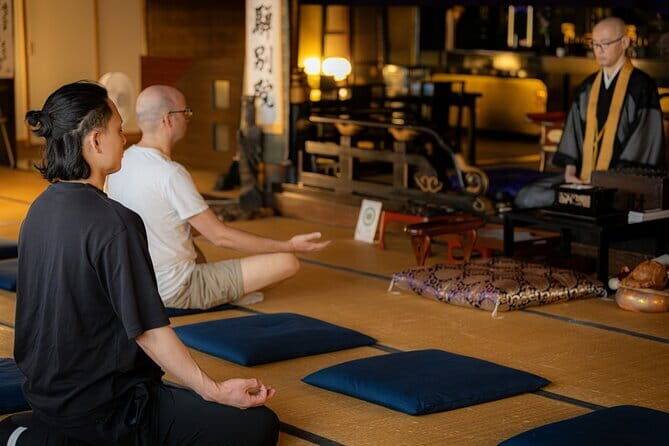
- Kaiji’s guided meditation uses beginner-friendly breathing techniques and straightforward explanations
- Temple-kitchen cooking time teaches both onigiri and miso soup, hands-on, not just watching
- Vegetarian-friendly meal is made without meat or fish, and the workshop is vegan friendly
- Small group size (max 10) makes it easier to ask questions and get patient help
- English and Japanese guidance keeps the instructions understandable for most visitors
- Simple, calming structure: sit, learn, cook, then eat your creation
Morning calm at Takayama Zenkoji Temple
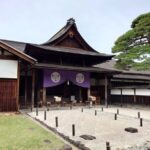
Takayama can be busy in the daytime, but mornings have a different pace. This experience starts at 8:00 am at Takayama Zenkoji Temple, right in the heart of Hida Takayama. You’ll be walking into a quiet temple setting before the rest of the day starts grabbing attention.
The format matters here. In about two hours, you don’t just get a cultural photo-op. You get a guided mind-body sequence: first meditation, then a cooking session, then you eat. That flow is one reason this works well even if you’re not a “spiritual” person. You’re learning something, using it immediately, and finishing with a warm meal that feels appropriate for the mood you created.
The group is kept small (up to 10 people). For many short tours, small groups can still feel rushed. Here, small helps you slow down without losing time, and it makes it more realistic for the guide to notice when someone needs clarification.
You can also read our reviews of more tours and experiences in Takayama.
Meditation with Kaiji: beginner breathing that feels manageable
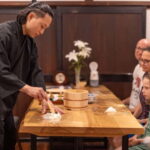
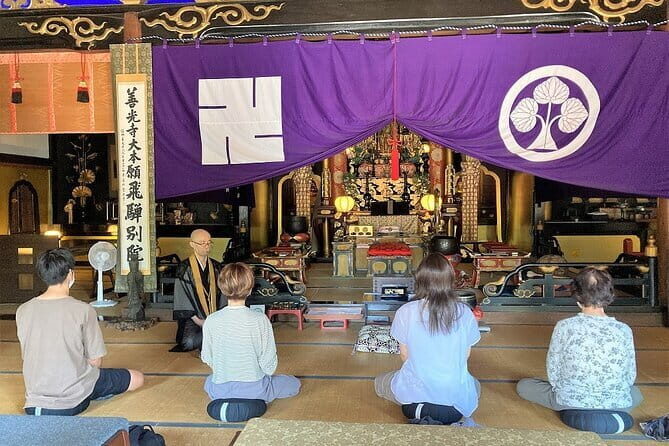
The meditation part is guided by the chief priest, Kaiji, and it’s explicitly tailored for beginners. That matters because many meditation experiences assume you already know what to do with your attention, your posture, and your breathing. Here, the instructions come with detailed explanations, so you’re not left guessing what “relax” means in a temple setting.
Expect a structured session that focuses on mental clarity and calm. You’ll get breathing techniques, and you’ll be guided through the process at a pace that won’t leave you thinking you’re doing it wrong. That’s a big deal for first-timers. The more you understand what you’re practicing, the less your mind wanders into awkward self-criticism.
One subtle point: the setting helps. A temple is not a meditation app, and that’s the advantage. The quiet environment supports the practice, but you still have human guidance. In the reviews, people highlight how inspiring the guided meditation felt, and how the temple staff kept things patient and easy to follow. I like that approach because it removes the intimidation factor.
Onigiri and miso soup in the temple kitchen
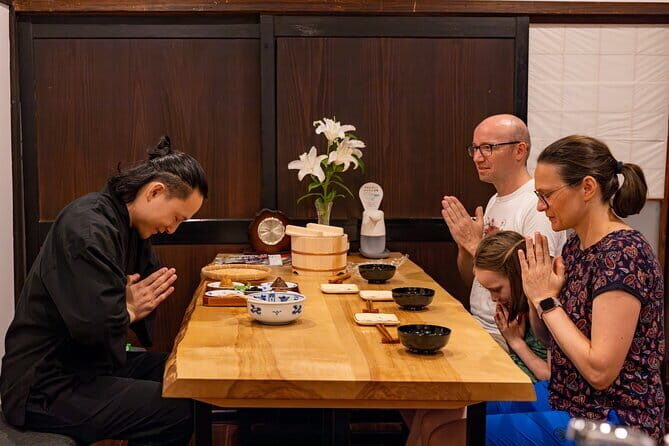
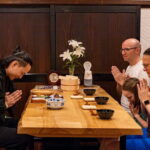
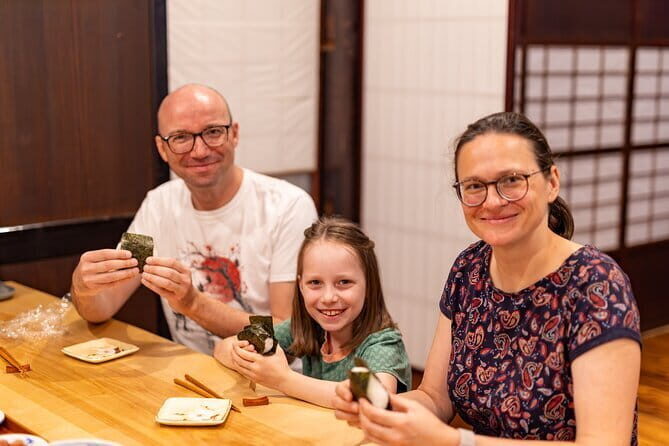
After meditation, you move into the hands-on part: making onigiri (rice balls) and miso soup in the temple kitchen. This is where the experience turns from “quiet learning” into “use your hands” learning, and that’s a great way to keep the morning grounded.
You’ll be taught how to make the components, not just assemble them. The workshop includes guidance on rice ball preparation and miso soup, and it uses local ingredients. Even if you’ve never shaped anything before, you’re not thrown into chaos. The instructions are meant to be understandable, and the guides speak both English and Japanese.
Food notes that matter for many visitors:
- The meal is meat- and fish-free, so it suits vegetarians.
- It’s described as vegan friendly, which usually means you don’t need to worry about common animal ingredients in the parts provided here.
- You’ll eat the onigiri after meditation, so the meal feels like a continuation of the calm you practiced—not just another stop on the itinerary.
Practical takeaway: expect to be focused. Shaping rice balls takes attention, and miso soup is simple but still needs care. You’ll likely find yourself slowing down naturally because the task is repetitive in a soothing way. And when you finish, you get the best kind of satisfaction: the kind that tastes good.
The value: what $56.49 buys (and why it’s not just cooking)
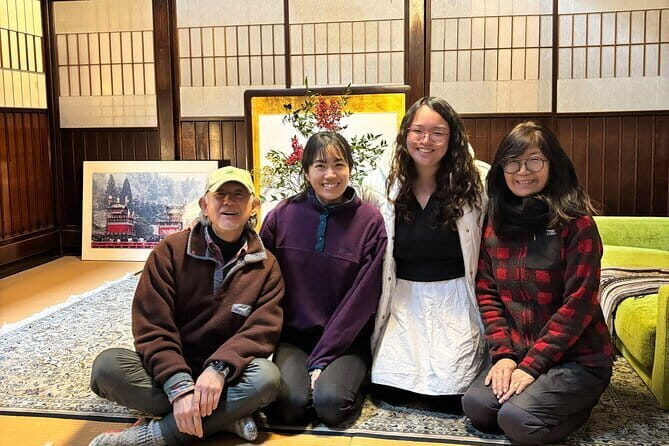
At $56.49 per person for roughly 2 hours, this isn’t an all-day tour deal. But value here is about what you’re getting in that short window.
You’re paying for three things at once:
- Guided meditation with a chief priest (Kaiji) and beginner-focused coaching.
- A taught cooking workshop—onigiri and miso soup—with clear instruction.
- A small-group, bilingual experience (English and Japanese speaking guide), held in a temple setting.
That combo is rarer than it sounds. Many activities split these things up: either a meditation session with no food, or a cooking class with no mindfulness component, or a temple visit with no teaching. Here, the experience builds one mood into the next: sit quietly, then make something warm and simple, then eat it calmly.
Also, your time is protected. No private transportation is included, and you’ll likely handle getting there on your own using public transit. But once you’re there, the structure is efficient. Mobile ticket delivery also helps reduce friction.
If you’re trying to squeeze Takayama into a tight schedule, this kind of morning activity can be a smart use of time—short, meaningful, and not dependent on long-distance travel.
Location and timing: how to fit this into your day
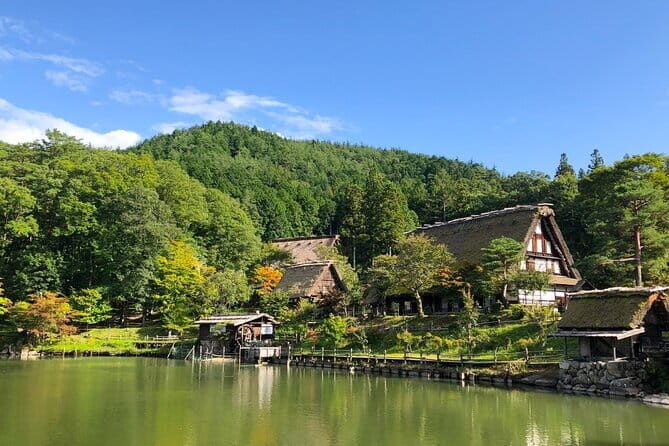
This starts at 8:00 am at Takayama Zenkoji Temple (4-chōme-3 Tenmanmachi, Takayama, Gifu 506-0025). It ends back at the same meeting point, so you’re not left navigating an unfamiliar area afterward.
What I like about that timing: you get the experience early, when the temple atmosphere tends to feel more peaceful. If you’re already planning breakfast and sightseeing, this slots in nicely as a built-in morning anchor. After that, you can head out with your head clearer and your stomach happier.
A small operational detail you should plan for: you’ll want to arrive a few minutes early, especially since the experience is small-group. That gives you time to settle in and match the temple vibe.
What to expect from the people and the teaching style
The standout praise in feedback focuses on the staff and guidance style: people were kind, patient, and able to explain things simply. That combination is important in two different ways.
First, in meditation, beginners often need reassurance that they’re participating correctly. Clear explanations reduce that anxiety. Second, in cooking, beginners need practical steps they can repeat. If the instructions are too complex or too fast, you lose confidence and the workshop becomes stressful.
Here, the guiding tone is described as welcoming and respectful. People also mention the temple staff’s English was very understandable, which is a relief if you’re not confident speaking Japanese.
One more cultural note from visitor feedback: dress respectfully. The advice you’ll hear is to wear clothes that cover your knees and shoulders. That’s an easy adjustment and it helps you feel comfortable once you’re there.
Practical tips before you go
You don’t need to bring cooking gear or special supplies. This is taught, and the session is designed to be beginner-friendly. But a few small prep points make it smoother.
- Dress for temple etiquette: cover knees and shoulders. Comfortable clothing helps since you’ll be seated during meditation and active during food prep.
- Plan for an early start: 8:00 am means you’ll want a simple breakfast routine the night before.
- Expect no private transport: you’re using public transit to get to the meeting point. The site is described as near public transportation, so it shouldn’t be a mission.
- Bring a learning mindset: meditation and onigiri shaping are both “practice” activities. You’ll get more out of it by treating it like learning, not performing.
And yes, you’ll likely think about miso soup and rice ball texture for the rest of the day. That’s not a bad thing.
Who should book this (and who might skip it)
This experience is best for you if you want:
- A beginner-friendly introduction to Japanese meditation
- Hands-on practice that results in food you’ll actually eat
- A vegetarian/vegan-friendly morning activity in a temple setting
- A small group experience with clear, bilingual instruction
It’s also a good match if you’re the type who likes structure. Meditation can feel vague when you start alone, but guided breathing and explanations reduce the guesswork.
You might consider skipping or adding extra time if:
- You want a long, self-guided temple visit (this is about two hours and then you’re back at the meeting point)
- You’re expecting a “hands-only” cooking class with no mindfulness element (meditation is a core part of the session)
Should you book Takayama rice ball making and meditation?
If you like calm mornings, clear teaching, and food with meaning, I’d book it. The value isn’t just that you’ll learn onigiri and miso soup. It’s that the day starts with a guided practice led by Kaiji, then transitions into a warm, homemade meal, all in a small group.
This is also an easy win for dietary needs: meat- and fish-free, vegan friendly, and taught in a way that doesn’t require special knowledge from you. Add the respect-focused atmosphere and the patient explanations, and it’s a strong option for travelers who want something authentic without turning it into homework.
Book this if you want a morning in Takayama that feels quieter, kinder, and more personal than the typical sightseeing loop.
FAQ
FAQ
What’s the duration of the Takayama Zenkoji rice ball and meditation experience?
It runs for about 2 hours.
What time does the experience start, and where does it meet?
It starts at 8:00 am at Takayamazenko Temple, 4-chōme-3 Tenmanmachi, Takayama, Gifu 506-0025, Japan. The tour ends back at the meeting point.
Is the food vegetarian or vegan friendly?
Yes. The meals provided do not include meat or fish, and the workshop is described as vegan friendly.
What activities are included?
You’ll take part in guided meditation and a hands-on workshop to learn how to make onigiri (rice balls) and miso soup.
Is there a guide, and what languages do they speak?
Yes. There is an English and Japanese speaking guide.
Do I need private transportation to get there?
Private transportation is not included. The tour notes that the location is near public transportation.