REVIEW · TAKAYAMA
Takayama walking tour & Hida Folk Village
Book on Viator →Operated by Happy Tour · Bookable on Viator
Old-town Takayama is made for slow looking. This short walking tour is a smart way to get street-level context fast, and I really like how the English guide turns familiar alleyways into clear, human stories. You’re not just passing by sights—you’re getting the why behind them as you move.
My second big reason to like it is the built-in plan to Hida Folk Village right after the old-town walk. Even with limited time, the flow helps you keep momentum and makes it easier to connect what you saw in town with what you’ll see in the open-air museum. One consideration: it only runs 1 to 2 hours, so if timing gets tight, some spots may be skipped.
In This Review
- Key highlights worth your attention
- Old-town Takayama, timed for real life
- Start in Kamininomachi: Kamisannomachi sets the tone
- Nakabashi Bridge: the photo stop that’s actually worth it
- Takayama Jinya: the rare old government office moment
- Yamazakura Shrine: crafts, faith, and small moments
- Hida Kokubun-ji: the big ginkgo and the triple tower
- Sanmachi Suji: the old township lane where everything feels close
- Hida no Sato Open Air Museum: why the guide helps here
- Price and value: what you’re paying for
- Timing, pace, and what to do if you feel rushed
- Who should book this Takayama walk
- Should you book this tour?
- FAQ
- How long is the Takayama walking tour?
- Is an entrance fee to Hida Folk Village included?
- What language is the guide?
- Where does the tour start and end?
- How big is the group?
- Can I do the tour if it rains?
- What is the cancellation policy?
Key highlights worth your attention
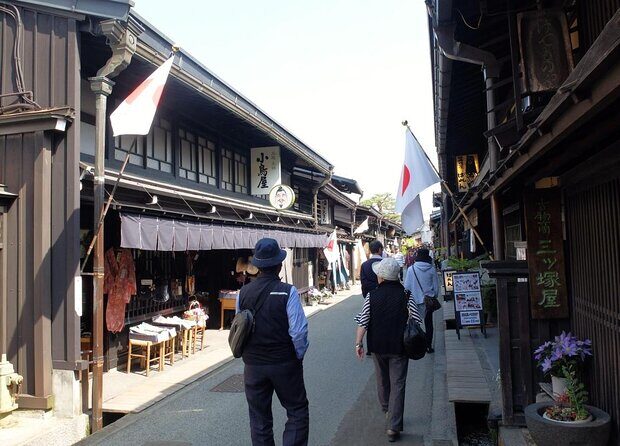
- Kamisannomachi and Sanmachi Suji: old-town lanes where you can actually feel the shape of Takayama
- Nakabashi Bridge photo stop: a quick pause for a good shot without losing your walking pace
- Takayama Jinya: a rare-style old government office stop you can’t really fake on your own
- Yamazakura Shrine: a religion-and-craft stop connected to people in the Hida Takayama area
- Hida Kokubun-ji Temple: the big ginkgo tree and the triple tower view you’ll remember
- Hida no Sato Open Air Museum handoff: the guide helps you transition smoothly to a larger site
Old-town Takayama, timed for real life
Takayama is the kind of place where you can easily spend a whole day just wandering. The trick is that most people don’t have that kind of time, or they want to add one more meaningful stop without turning the day into a sprint. This tour solves that problem with a compact route through classic old-town areas, then carries you to Hida Folk Village so you don’t have to figure out the connection yourself.
You’ll walk around Takayama’s older quarters with a local guide in English. And because the tour uses a mobile ticket, you don’t need to fuss with paper vouchers or last-minute printing. It also caps at 15 travelers, which matters more than you might think—smaller groups move better on narrow streets and at photo pauses.
The big trade-off is time. With a total duration of about 1 to 2 hours, you’ll want to stay alert and keep moving when the group does. If you’re the type who loves to linger at every door, sign, and side alley, you might feel a little rushed.
You can also read our reviews of more walking tours in Takayama


Start in Kamininomachi: Kamisannomachi sets the tone
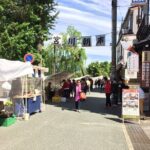
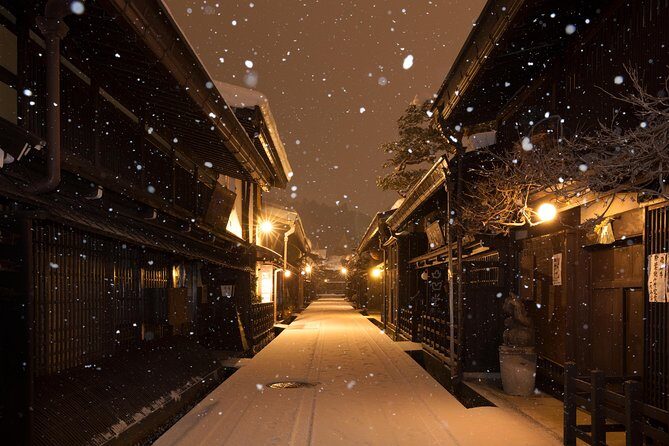
Your first stop is Kamisannomachi, where you’ll get a guided look at old-town Takayama and learn how the area developed. This is the part of the tour that makes the rest click. Without context, old streets can feel like pretty scenery. With a guide, they start to feel like a system—markets, residences, local roles, and the way people used these lanes over time.
The stop is short—about 10 minutes—so the goal here is orientation rather than a long lecture. I like this style because you’re not waiting around. You get a quick foundation, then you’re on your feet again.
If you’re hoping to truly read every sign on your own, this is still a good start point, but it’s more about getting bearings fast than soaking up details alone.
Nakabashi Bridge: the photo stop that’s actually worth it
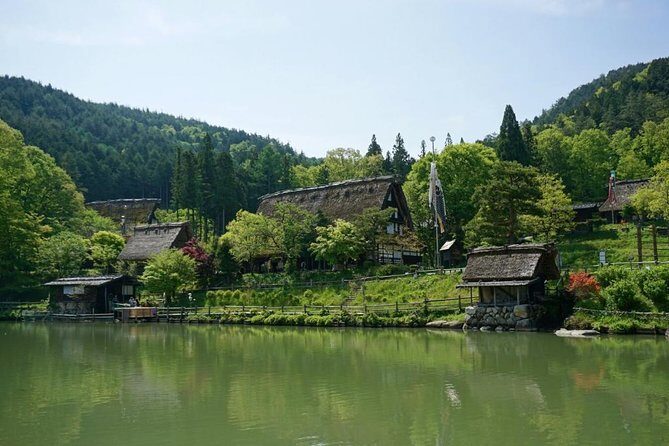
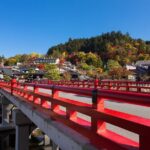
Next comes Nakabashi Bridge. The tour frames it as a place to get a really good photo, and that’s exactly how to approach it. Spend a few minutes, find a clean angle, and then move on. You’re not losing time here—the stop is only about 5 minutes—but it breaks up the walk nicely and gives you a tangible memory.
A bridge stop also works well because the timing is natural. You’ll often find people slowing down naturally at crossings and river views. The guide keeps the group from lingering too long, which is helpful when you have only a limited window.
Takayama Jinya: the rare old government office moment
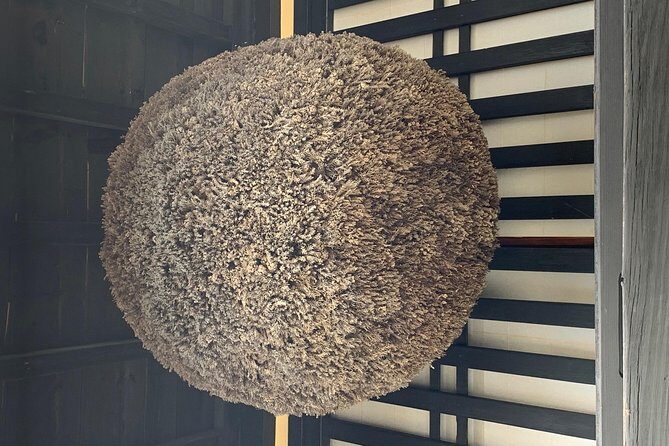
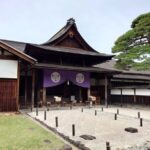
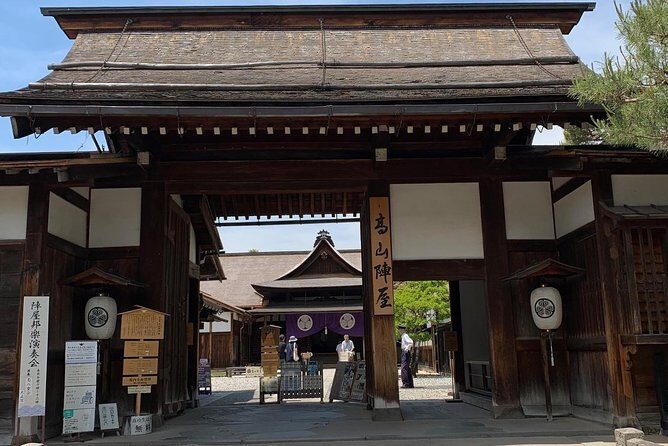
Then you reach Takayama Jinya, an old-style government office building that’s described as uniquely special in Japan. This is one of those stops where the guide’s job is huge: you’re seeing an older institutional building, but you need the context to understand why it matters.
You’ll get to view the office from the outside as part of the tour, and the information notes that going inside may be possible, but it’s not included in this specific experience. That’s a key point: if stepping inside is important to you, plan to treat this tour as your exterior-and-overview introduction and leave extra time for the interior separately.
This stop takes about 5 minutes, so don’t expect a long visit. Instead, think of it as a quick way to get oriented to how power and administration looked in older Takayama.
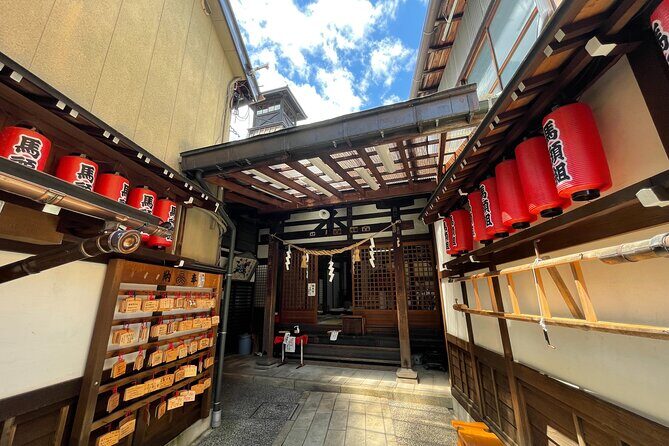
Yamazakura Shrine: crafts, faith, and small moments

At Yamazakura Shrine, the tour shifts from old buildings to cultural practice and community memory. You’ll see items connected to a craft-related theme in the Hida Takayama area, and you’ll also have a chance to learn about Japanese religion in this setting.
The stop is around 10 minutes, so again, it’s not a deep religious study session. It’s more like: here’s the place, here’s what to notice, here’s why it’s here, now keep walking. For me, that balance is ideal in a time-limited tour. You get real meaning without the fatigue that sometimes comes from long museum-style hours.
If you’re hoping for hands-on religious participation, the description doesn’t promise that. But you’ll be guided through what you can see and understand.


Hida Kokubun-ji: the big ginkgo and the triple tower
One of the most visually memorable stops is Hida Kokubun-ji Temple. The highlight is the big ginkgo tree, which comes with plenty of story in the tour explanation. You’ll also see a triple tower here.
This is the longest stop besides the open-air village, at about 15 minutes. That extra time makes sense because temples aren’t just about one photo angle. Even in a short visit, you need a bit of room to look around and let your eyes register what’s actually in front of you.
What I like about this stop is the way it anchors the tour in something seasonal and atmospheric. Ginkgo trees are strongly tied to Japanese seasonal imagery, so even if you don’t know the details yet, you’re looking at a living centerpiece. And the triple tower gives you a strong skyline element—useful when you’re later comparing traditional architecture styles across the rest of the day.
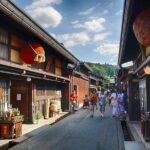
Sanmachi Suji: the old township lane where everything feels close
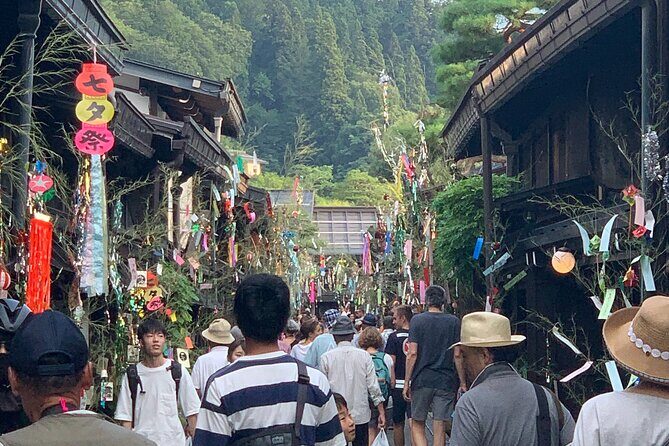
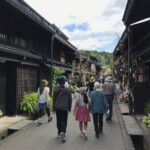
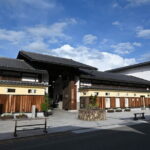
After the temple, you’ll walk through Sanmachi Suji, another classic old-town area. This stop is listed at about 10 minutes, and it’s essentially your chance to see more of the traditional lane pattern up close.
Sanmachi Suji is one of those places where you can easily do a self-guided wander if you weren’t on a timeline. But with a guide, you’ll likely notice details faster—how the streets relate to the other sites you’ve already seen, and how the older sections function together.
If you’re someone who likes to keep moving, this stop works well because you’re given just enough time to spot what matters and then transition onward.
Hida no Sato Open Air Museum: why the guide helps here
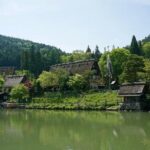
The tour then takes you to Hida Minzoka Mura Folk Village, also known as Hida no Sato Open Air Museum. Important: the entrance fee for Hida no Sato is not included. So think of the tour as covering the guided walk and the lead-in, then you handle museum entry when you arrive.
The duration for this part as described is short—about 5 minutes within the itinerary—so don’t confuse this with a full museum tour. In practice, the guide’s value here is the transition: you’ll land at the right place with better context for what you’re about to see.
This is also where I’d pay attention to a subtle review point: some parts of the walk are easy to explore without help, and it can feel like the guide isn’t necessary for straightforward photo-and-street stops. That critique makes sense for the quick lanes. But for Hida no Sato, the museum area is described as being large enough that an efficient guided approach matters. Even if the guide doesn’t cover every building in full, getting your bearings before you fan out makes the difference between wandering and actually seeing what you came for.
Practical tip: if you care about maximizing museum time, use your guided start moment to decide what you’ll prioritize inside. Pick a few building types or streets and aim for a clear route.
Price and value: what you’re paying for
At $65.37 per person, this isn’t the cheapest way to walk around Takayama. But it’s also not overpriced for what you get. You’re paying for an English-speaking guide plus a time-efficient route that connects several major old-town stops to one major traditional-site destination.
The tour is built around a series of mostly free-to-see places (most listed stops don’t require admission for the viewing component). That means the value is not tied to expensive tickets at each stop. Instead, the guide’s real job is interpretation—helping you see Takayama’s old-town pattern and understand why certain spots, like Takayama Jinya, are singled out.
The other value piece is the short duration. You’re looking at about 1 to 2 hours, so you can fit this into a packed travel day without giving up the entire morning or afternoon. When I’m planning Japan days, I like tours that keep me moving while still giving me something that self-guiding often misses.
The one financial catch is that Hida no Sato entry isn’t included, so your total cost will rise if you go in. Still, it’s common for open-air museum tickets to be separate, and at least you’ll know before you arrive.
Timing, pace, and what to do if you feel rushed
This is a short tour, so pacing matters. You’ll be in a walking rhythm for old-town stops, then a transition to Hida no Sato. Because the itinerary notes that some places may be skipped if there isn’t enough time, you should do two things:
First, arrive ready to move. If you’re slow to find the meeting point, you eat into the only time the guide has.
Second, decide your personal priority. For example, if Hida no Sato is the big goal, treat the earlier stops as context-setting. If the old-government and temple sights are your focus, consider doing the museum entrance only as a second-phase choice.
The tour also says it can be done if it’s raining. That’s helpful. But there’s also an expectation of good weather, and if the experience is canceled due to poor weather, you’d be offered a different date or a full refund. I’d think of it like this: light rain is workable, but bad weather might still disrupt plans.
Who should book this Takayama walk
This is a strong fit if you want:
- A guided route through Takayama’s older districts without planning every turn
- An English-speaking explanation that makes sites feel more connected
- A short day plan that doesn’t swallow your whole schedule
It may be less ideal if you:
- Have a very slow touring style and hate skipping anything
- Want an in-depth museum walkthrough at Hida no Sato during the tour time itself
- Plan to visit Hida no Sato and do most of the time before or after the guide’s short introduction
In plain terms: I’d book it when you want structure and meaning, then you choose your own depth level at the open-air museum.
Should you book this tour?
If your goal is to see Takayama’s old-town highlights with a guide and then get to Hida no Sato with less guesswork, I’d say yes, book it—especially if you’re traveling in English and want the reasoning behind the sights, not just the views.
But go in with the right expectations. This is not a full-day deep museum tour. It’s a smart, short walk that sets you up, and then you take it from there at Hida no Sato. If you’re okay with that flow—and you’re ready for a paced 1–2 hours—this tour is a practical way to make your Takayama day feel coherent.
FAQ
How long is the Takayama walking tour?
The tour is listed as about 1 to 2 hours.
Is an entrance fee to Hida Folk Village included?
No. The tour notes that the entrance fee for Hida Folk Village is not included.
What language is the guide?
The tour includes a guide in English. If you need another language guide, you can let the provider know.
Where does the tour start and end?
It starts at 22-2 Kamininomachi, Takayama, Gifu 506-0845, Japan, and ends at Hida no Sato Open Air Museum in Kamiokamotomachi, Takayama, Gifu 506-0055, Japan.
How big is the group?
The tour has a maximum of 15 travelers.
Can I do the tour if it rains?
It’s possible to do the tour if it’s raining. However, the experience requires good weather, and if it’s canceled due to poor weather, you’ll be offered a different date or a full refund.
What is the cancellation policy?
You can cancel for free up to 24 hours in advance for a full refund. If you cancel less than 24 hours before the experience starts, the amount paid is not refunded.
If you tell me your travel dates and what you care about most (temples, old streets, or Hida no Sato buildings), I can help you decide what order to visit things in that day.