REVIEW · TAKAYAMA
Takayama: Private Walking Tour with a Local Guide
Book on GetYourGuide →Operated by JGA Inc. · Bookable on GetYourGuide
Takayama is made for slow wandering. With a private local guide, you’ll connect the dots between Edo-era streets and the places that explain how Hida-Takayama worked and celebrated. I like that the route is customizable, so you’re not stuck with a one-size-fits-all checklist. One thing to consider: entrance fees and food aren’t included, so you’ll want to budget a bit extra as you go.
What I really appreciate is the balance. You get historic stops (Sanmachi Street, the Jinya, temple grounds) plus the kind of daily life you feel in the Miyagawa Morning Market, rather than treating Takayama like a museum that you speed through. Because it’s private, the pace can match your comfort level, and guides can steer you toward what you care about most.
Guides here are licensed and speak English and Japanese, and many are known for strong storytelling. Names that come up often include Lily, Annie, Mitsu, Yoko, and Yoyo, and several guests highlight the way these guides adjust the walk on the fly—especially around temples, floats, and local meal suggestions.
In This Review
- Key moments you’ll actually remember
- Why Takayama feels different on foot
- A practical plan for your 4–6 hours in old Takayama
- Sanmachi Street: Edo-era lanes you can walk through
- Hida Folk Village: 30+ relocated houses, explained
- Takayama Jinya: when government feels human
- Miyagawa Morning Market: daily life along the river
- Takayama Festival Floats Exhibition Hall (Yatai Kaikan): craft on display
- Hida Kokubunji Temple: the pagoda, the statue, and the ginkgo
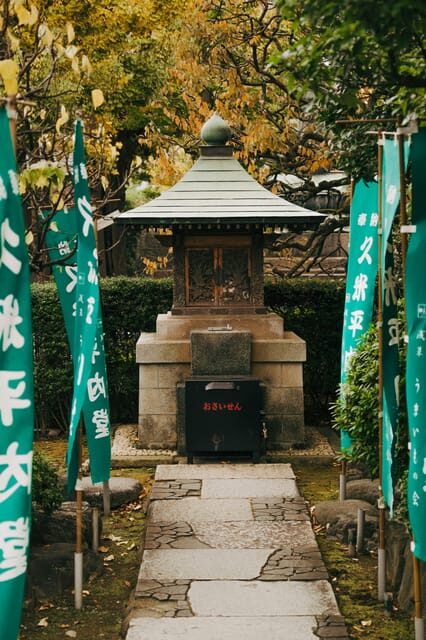
- Sakurayama Hachimangu Shrine: festival atmosphere with context
- Kusakabe Folk Museum: Meiji-era house in Edo style
- Price and what $119 gets you in real value
- How the guides shape the experience (and why pacing matters)
- Small planning tips so you enjoy the whole day
- Who should book this private Takayama walking tour
- Should you book?
- FAQ
- FAQ
- What’s the duration of the Takayama private walking tour?
- Is this tour private?
- What languages are the guides?
- What’s included in the price?
- What isn’t included?
- Which major places does the tour cover?
- Is the tour wheelchair accessible?
- How does cancellation work?
- When is the tour confirmed?
Key moments you’ll actually remember
- Your itinerary can shift based on what you want most, whether that’s temples, festival culture, or crafts
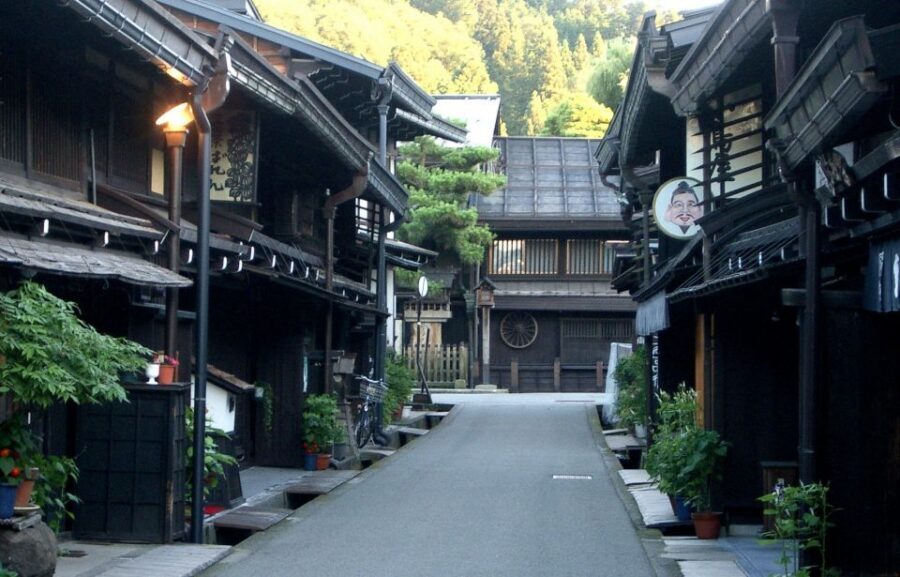
- Sanmachi Street’s Edo storefronts are more than photos; your guide explains what you’re looking at
- Hida Folk Village (30+ relocated houses) shows how mountain communities lived during the Edo period
- Takayama Jinya turns an official building into a real sense of how Edo-appointed government worked
- Miyagawa Morning Market timing matters (open early, winter starts later) for the best atmosphere
- Festival floats in Yatai Kaikan lets you see the craftsmanship up close, with historic context
Why Takayama feels different on foot
Takayama sits in Gifu Prefecture in Honshu, and the city still feels like it’s wearing its old clothes. The best way to catch that mood is walking with a guide who can explain what your eyes are doing. When you’re on your own, you’ll still enjoy the streets—but you’ll miss the why behind the buildings and the small cultural clues.
This private format helps. You’re not sharing attention with a larger group, so you can ask quick questions and slow down when something grabs you. The typical time window is 4 to 6 hours, which is long enough to cover several key areas without turning it into a forced march.
You can also read our reviews of more walking tours in Takayama


A practical plan for your 4–6 hours in old Takayama
Your tour is designed around a classic set of stops, but the order and exact choices can be shaped around you. Expect a mix of outdoor wandering (streets, river area, shrine/temple grounds) and museum-style visits (open-air village, historic government building, float exhibition, folk museums).
Here’s how each stop fits the overall puzzle:
Sanmachi Street: Edo-era lanes you can walk through
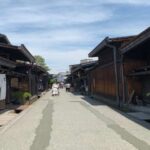
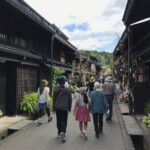
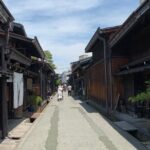
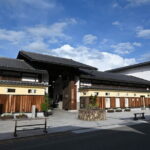
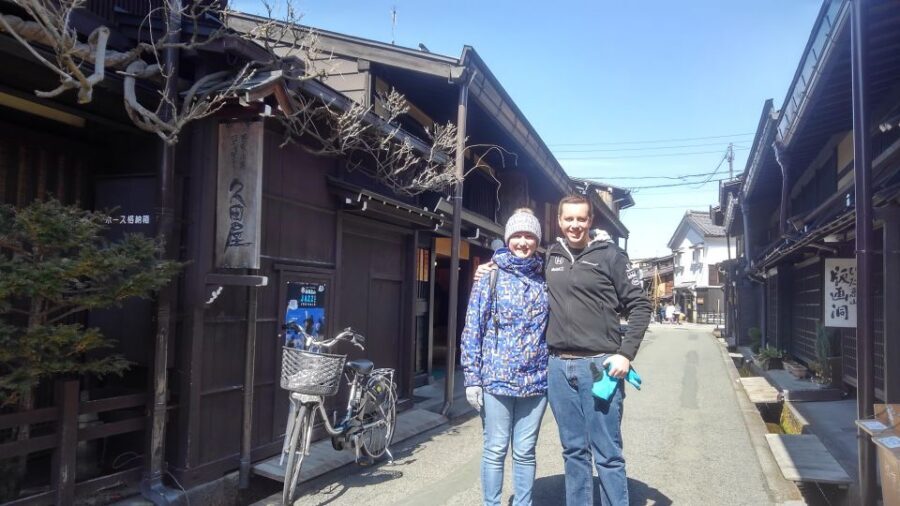
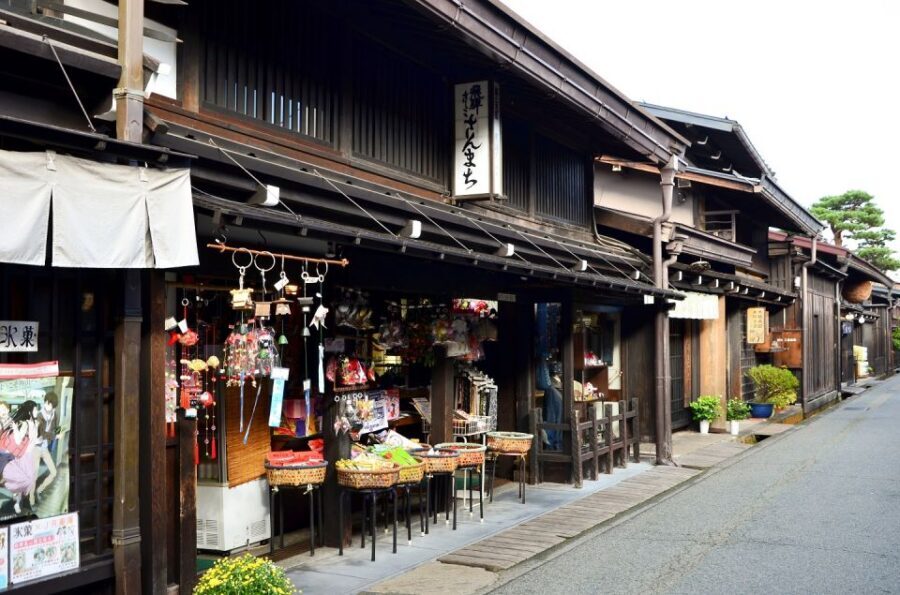
Sanmachi Street is the postcard version of Takayama, but it’s also the most useful place to start. The area is lined with houses and shops dating to the Edo period (1603–1868). Your guide can point out details that make the street feel alive rather than decorative—how the buildings were arranged, what kinds of shops fit the era, and what you’re likely to see today that connects to local specialties.
What to look for: street-level shopfronts, older house structures, and the rhythm of people stopping for snacks and small purchases.
A small drawback: because it’s popular, it can get crowded at peak times, so be ready for some shoulder-to-shoulder moments.
Hida Folk Village: 30+ relocated houses, explained
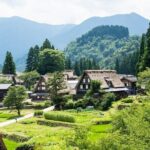
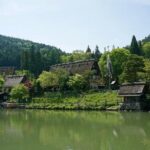
Next up is Hida Folk Village, an open-air museum featuring over 30 traditional houses from the Hida region. These homes were built during the Edo period, and in 1971 they were relocated to create the museum.
This is a stop you’ll appreciate more with guidance. When you enter an open-air layout like this, it’s easy to treat it like “pretty buildings.” A good guide helps you understand why the houses look the way they do—how mountain communities adapted to their environment, and what makes the architecture distinct.
Why it’s valuable: it turns Takayama’s Edo charm into something lived-in, not just historic signage.
What to watch for: it’s outdoors, so wear shoes that handle uneven surfaces.
Takayama Jinya: when government feels human
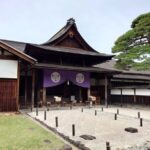
The Takayama Jinya served as the local government office for officials dispatched from Edo (today’s Tokyo). The building complex was in official use until 1969, and now it’s open to the public as a museum.
A stop like this can feel stiff if you’re just reading plaques. With a guide, it becomes a story about administration—how authority moved from Edo to the provinces, and how local officials would have operated from this base. Even if you’re not a “history person,” the building’s purpose gives you a stronger sense of the city’s structure.
What to notice: the complex itself and how the layout supports its role as an administrative hub.
You can also read our reviews of more guided tours in Takayama


Miyagawa Morning Market: daily life along the river
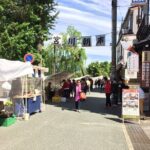
If you time your tour around it, the Miyagawa Morning Market is one of the most memorable experiences in Takayama. It runs daily between 7:00 AM and 12:00, with a winter schedule starting at 8:00 AM.
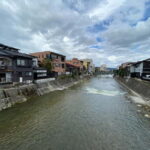
The market sits along the Miyagawa River in the old town, with the Jinya-mae Market nearby in front of the Takayama Jinya. Here you’ll see local crafts, snacks, and produce.
Why a guide helps: you’re more likely to know what’s worth trying and what to skip, and you’ll understand what you’re seeing instead of just walking past stalls.
Practical note: food and drinks aren’t included on the tour, so treat this as your chance to snack and budget at your own pace.
Takayama Festival Floats Exhibition Hall (Yatai Kaikan): craft on display
The Takayama Festival is held for two days each spring and autumn, and it’s often grouped with other famous Japanese festival traditions because of its beauty. The festival floats are the star—and the Yatai Kaikan gives you a rare advantage: you can see key aspects of the floats without waiting for festival season.
At the exhibition hall, you’ll see four of the actual floats used in the festival. Your guide can connect the floats to the autumn shrine setting—especially around Sakurayama Hachimangu Shrine—so the display feels more like a working tradition than a static exhibit.
Tip for your visit: slow down here. Float craftsmanship benefits from close viewing.
Hida Kokubunji Temple: the pagoda, the statue, and the ginkgo
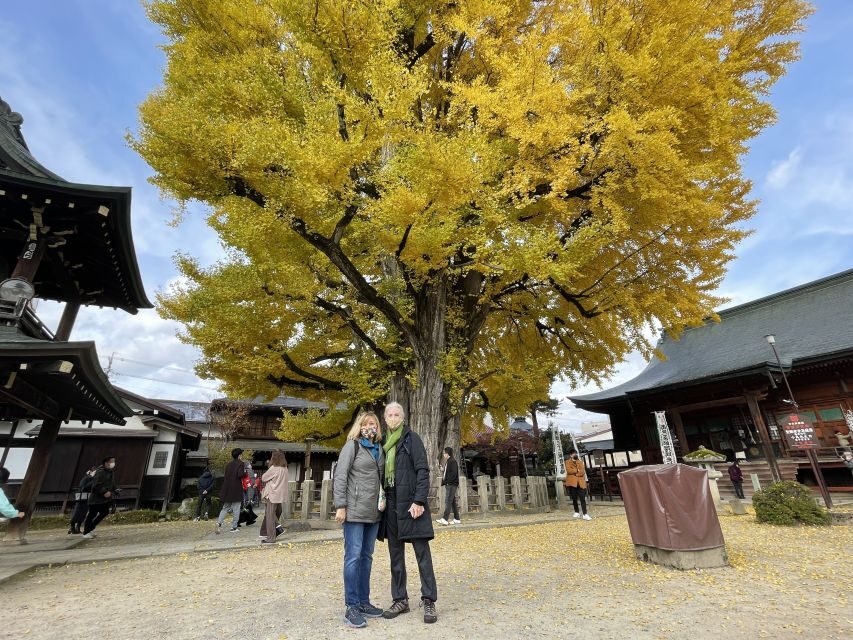
Hida Kokubunji is a Buddhist temple with an iconic three-storied pagoda constructed in 1820. Inside the main building is a Buddhist statue thought to have been made in the Heian period. Then there’s the huge gingko tree on the grounds, estimated to be over 1260 years old.
This is the kind of stop where a guide turns “a temple” into a specific place with layers. The pagoda date gives you a timeline, the statue points to older Buddhist heritage, and the ginkgo makes the temple feel rooted in the landscape and time.
What to watch for: take a quiet moment in the grounds. A guide can also help you spot the most important features to look for.
Sakurayama Hachimangu Shrine: festival atmosphere with context
Sakurayama Hachimangu Shrine is the venue for the Takayama Festival in the autumn. It pairs naturally with the Yatai Kaikan because the floats and the shrine tradition connect directly.
Even if you visit outside festival dates, the site helps you understand what the festival is celebrating and why these specific locations matter.
Kusakabe Folk Museum: Meiji-era house in Edo style
The Kusakabe Folk Museum is a historic private residence open to the public. The building was constructed during the Meiji period but in an Edo architectural style. It’s designated as an Important Cultural Property of Japan.
This stop is a great contrast to the Edo-focused buildings elsewhere. It shows how styles shifted, but also how older forms stayed influential.
Why it’s interesting: it prevents Takayama from feeling like a single era. You see continuity, adaptation, and taste changes across time.
Price and what $119 gets you in real value
At $119 per person, this tour isn’t “cheap,” but it’s also not just paying for walking. You’re paying for a licensed local guide for 4–6 hours—plus the practical advantage of an itinerary that’s adjusted to your interests.
In places like Takayama, that guidance matters because the payoff is in interpretation:
- knowing what you’re looking at on Edo streets,
- understanding the significance of buildings like the Jinya,
- making the most of early market hours,
- and getting context at temple and festival-related sites.
Also, because food and drinks and entrance fees aren’t included, your out-of-pocket total depends on your choices. If you snack at the market and pay at a couple museums, your day will cost more than the base price. Still, that’s often the point: you control how much you treat yourself to.
How the guides shape the experience (and why pacing matters)
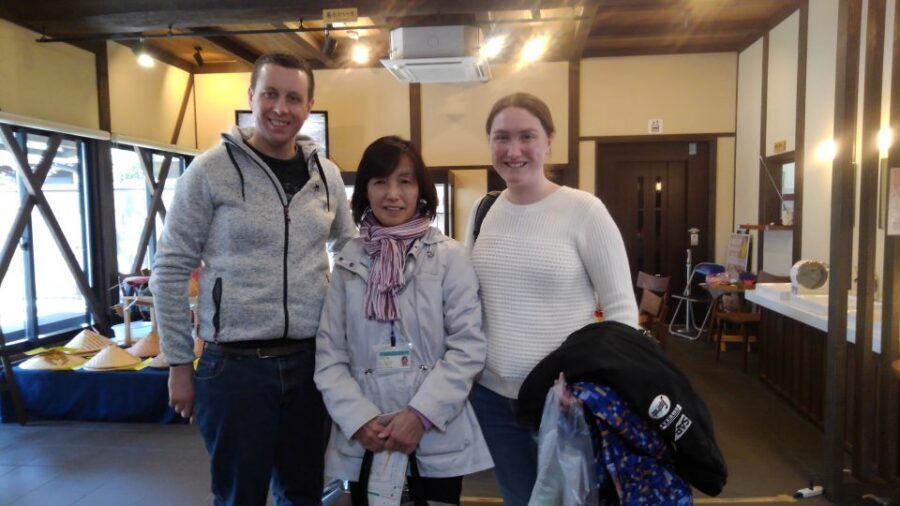
This is private, so the guide’s style changes the whole day. Based on the guide names that come up most often—Lily, Annie, Mitsu, Yoko, and Yoyo—you’ll see a pattern: people appreciate fluent English and the ability to set a pace that feels right.
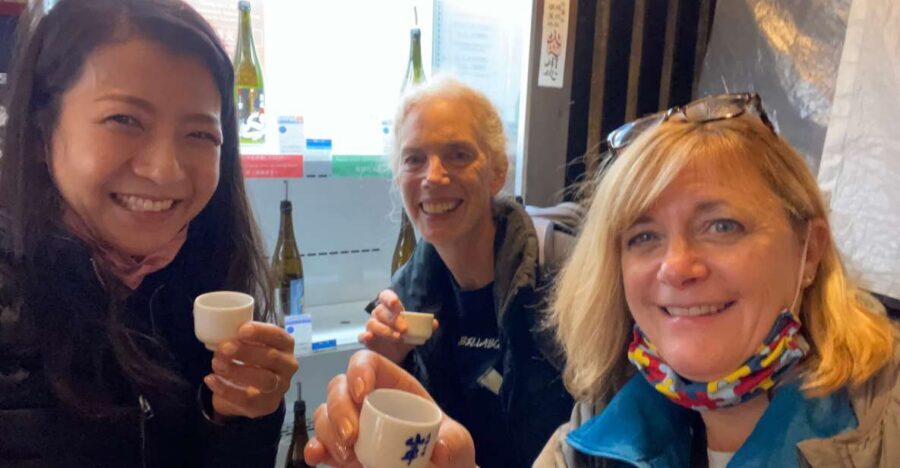
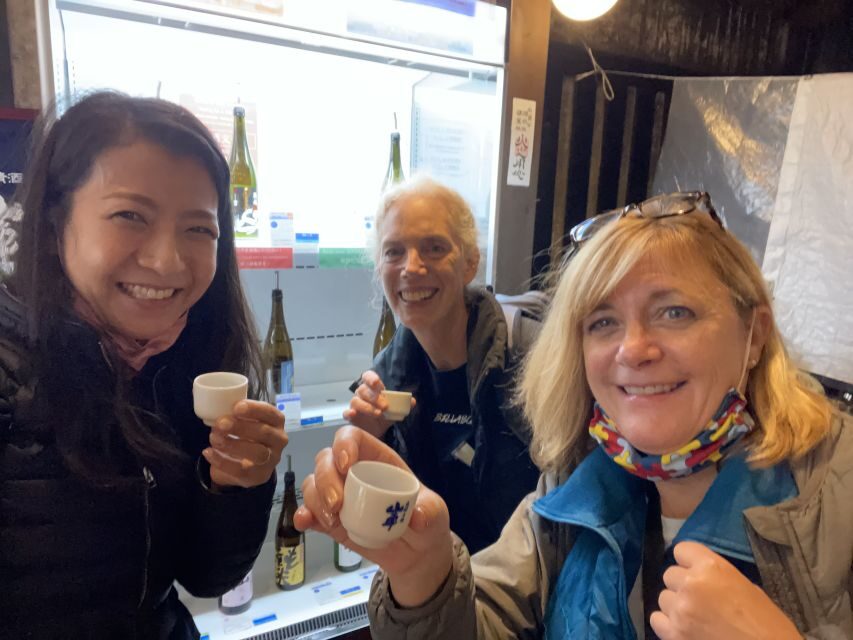
You can also benefit from the guide’s local instincts for food. Some guides have taken people for local Hida beef lunches and even added extras like sake and green tea tasting, depending on what fits the day. That isn’t guaranteed as part of the official inclusions, but it’s a common way a good guide turns a walking tour into an actual Takayama experience.
Small planning tips so you enjoy the whole day
A few practical things will help this tour land well:
- Wear shoes you trust for streets and museum grounds. This is a walking-focused day.
- If the Miyagawa Morning Market is important to you, build your timing around the early start (and the winter later start).
- Since food and drinks aren’t included, decide in advance whether you want one planned meal stop or more casual market snacks.
- For museums and temple buildings, entrance fees aren’t included, so expect to add a little cost during the day.
Also note that you may not see final confirmation until the guide contacts you—often within 7 days. That shouldn’t be a problem, but if you’re on a tight schedule, keep that timeline in mind.
Who should book this private Takayama walking tour
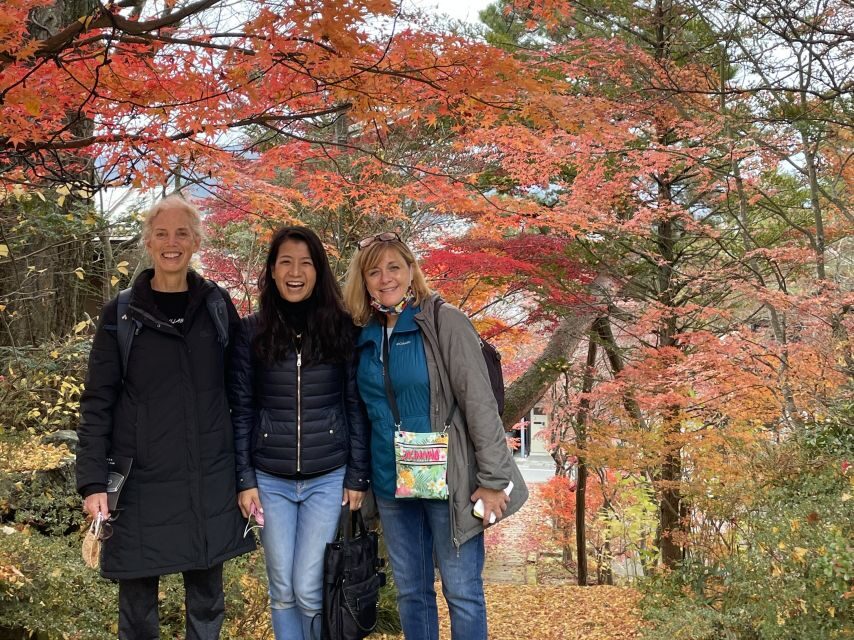
This tour fits best if you:
- want a local guide’s context, not just a route,
- like mixing major sights with everyday life (especially markets),
- prefer a pace that can be tuned to you,
- and enjoy culture stops where details matter: temples, festival floats, and historic buildings.
It’s especially good for couples or solo travelers who want flexibility and don’t want to share attention with strangers. If you’re the type who hates planning, the customizable itinerary can help you make the day feel personal without you guessing which stops matter most.
Should you book?
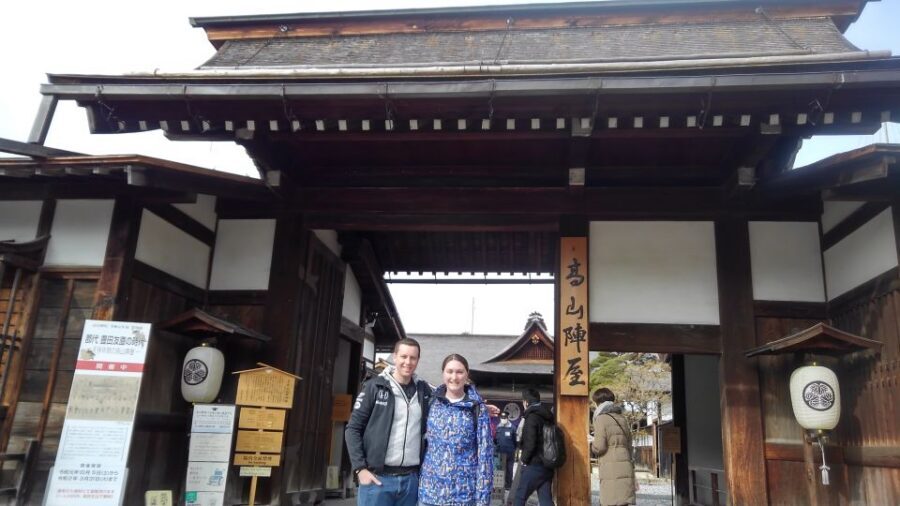
If Takayama is high on your Japan list and you only have part of a day to do it, I’d book this. The guide-driven interpretation is the difference between seeing sights and understanding why they matter. The private format also makes the time feel efficient without rushing.
I’d think twice only if you know you’ll skip most ticketed indoor stops and prefer to self-guide with zero extra spending. Since entrance fees and food aren’t included, your total budget depends on how much you choose to do once you’re there.
FAQ
FAQ
What’s the duration of the Takayama private walking tour?
The tour lasts 4 to 6 hours. Starting times depend on availability.
Is this tour private?
Yes. It’s a private group tour.
What languages are the guides?
The live guide is available in English and Japanese.
What’s included in the price?
The tour includes a guided tour with a licensed local guide.
What isn’t included?
Food and drinks, entrance fees, and transportation to or from the meeting point are not included. You’ll also cover any public or private transportation fees during the tour.
Which major places does the tour cover?
It can include Sanmachi Street, Hida Folk Village, Takayama Jinya, Miyagawa Morning Market, Takayama Festival Floats Exhibition Hall (Yatai Kaikan), Hida Kokubunji Temple, Sakurayama Hachimangu Shrine, and the Kusakabe Folk Museum, with choices customizable to your interests.
Is the tour wheelchair accessible?
Yes, the tour is listed as wheelchair accessible.
How does cancellation work?
You can cancel up to 24 hours in advance for a full refund.
When is the tour confirmed?
The tour is not confirmed until the guide contacts you, typically within 7 days. If a guide isn’t available, updates continue and changes are communicated up to 24 hours before the tour.