REVIEW · TOKYO
Tokyo: Ghost Tour with Scary Japanese Stories and Folklore
Book on GetYourGuide →Operated by Maji Super Tours · Bookable on GetYourGuide
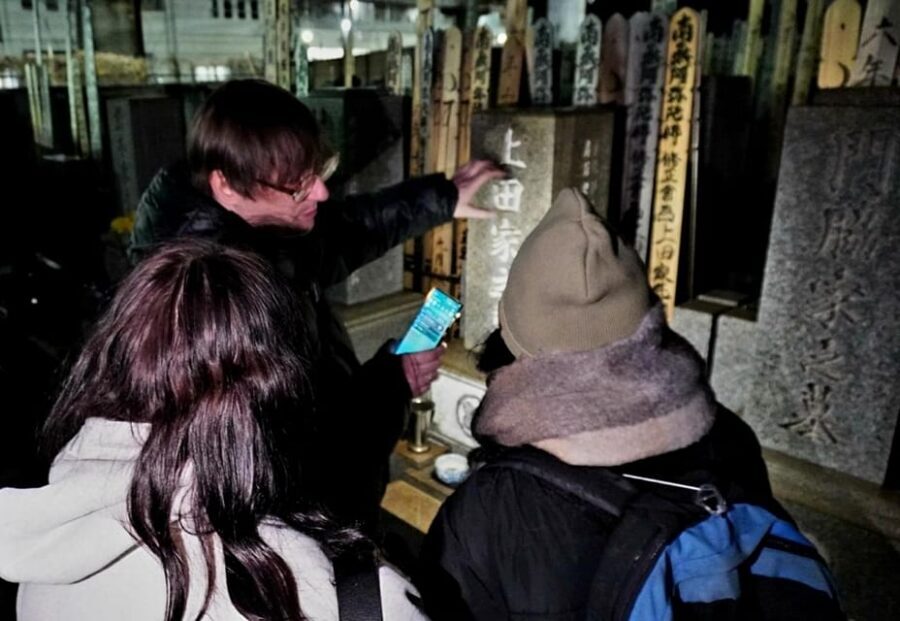
Tokyo gets stranger after dark. This small-group ghost tour is built around real local tales—shrines, streets, and the kind of folklore that locals still take seriously. You start at Tokyo Station, then head toward Asakusa’s Shitamachi district to hear scary Japanese stories, including legends tied to a vengeful spirit said to haunt the area for over 1,000 years.
Two things I really like: first, the storytelling range. Guides like Matthias and Maikel (from past groups) don’t just tell ghost myths—they also weave in true crime and missing-person style details alongside classic paranormal folklore. Second, the tour’s locations aren’t random. The Yoshiwara-jinja Shrine stop has a specific, unsettling local behavior connected to it: people working nearby still hesitate to turn their backs.
One drawback to consider: this is a walking-at-night experience. If you’re sensitive to dark streets or have health concerns, it’s not for everyone—kids under 10 and people with heart problems are also not suitable.
In This Review
- Key Highlights to Know Before You Go
- Starting at Tokyo Station: Easy Meeting, Clear Beginning
- Tokyo Station to the First Taste of the Dark Side
- Yoshiwara-jinja Shrine: The Scariest Rule Is the One People Still Follow
- Ghost Stories, Folklore, and the Slightly Darker Topics
- Asakusa Shitamachi After Dark: Old-Town Streets With a Different Mood
- Small-Group Style: Why It Changes the Experience
- Price and Value: What $90 Gets You (and When It’s a Good Deal)
- What’s Included, What’s Not, and Simple Prep That Helps
- Walking at Night: Rules, Clothing, and Photo Reality
- Who Should Book This Tokyo Ghost Tour—and Who Should Skip It
- Should You Book This Tokyo Ghost Tour?
- FAQ
- Where is the meeting point for the ghost tour?
- How long is the Tokyo ghost tour?
- What languages are offered for the live guide?
- What is included in the tour price?
- What is not included?
- Is flash photography allowed?
- What should I bring?
- Is the tour suitable for children?
- Who should avoid this tour?
Key Highlights to Know Before You Go
- Meet inside Tokyo Station at the Marunouchi North Exit (North wing), with a name sign for easy pickup
- Yoshiwara-jinja Shrine folklore tied to a vengeful spirit said to have haunted the area for 1,000+ years
- Spooky storytelling with variety, with guides who mix paranormal tales with true-crime style material
- Asakusa Shitamachi at night, letting you see everyday old-town streets under a darker mood
- A Japanese traditional snack included, plus a clear rule set (like no flash photography)
Starting at Tokyo Station: Easy Meeting, Clear Beginning
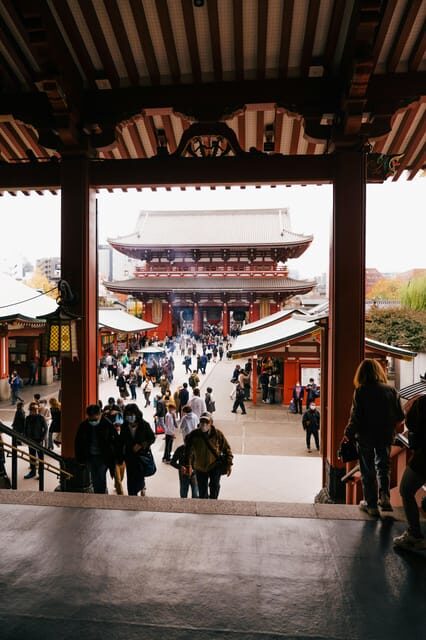
Your tour begins in a place that’s hard to miss: Tokyo Station, inside the North wing at the Marunouchi North Exit. You’ll look for signs for Marunouchi North Exit, then find your guide, who carries a sign with your name.
This matters more than it sounds. Night tours live or die on smooth starts. Tokyo Station is busy, and having a predictable meeting point removes the stress of arriving late, wandering, and trying to match faces in the dark. If you want a calmer start, aim to arrive early enough to orient yourself inside the station.
The tour is a live guided experience with a professional guide, and it runs in a small-group format. That’s a big plus for ghost tours, where you’ll hear stories best when the group stays together and the guide can set the mood without shouting over a crowd.
You can also read our reviews of more tours and experiences in Tokyo.



Tokyo Station to the First Taste of the Dark Side
After you meet, the walking and guidance start right away. You’ll get a structured route through the area as your guide sets context—how old Tokyo legends connect to specific places, and why some stories stick around for centuries.
This first stretch is useful if you’re new to the city. Tokyo can feel complicated at night, even when you know the daytime map. Early guidance helps you learn the logic of where you are, what streets you’re walking, and how the next stops connect. In short: you’re not just collecting scares—you’re learning how Tokyo’s neighborhoods keep their legends tied to real corners and buildings.
Yoshiwara-jinja Shrine: The Scariest Rule Is the One People Still Follow
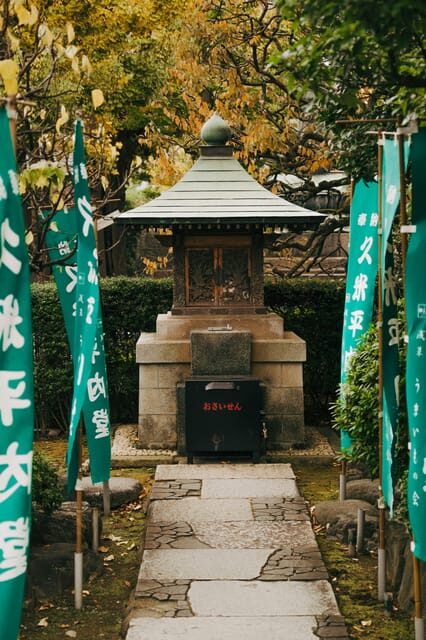
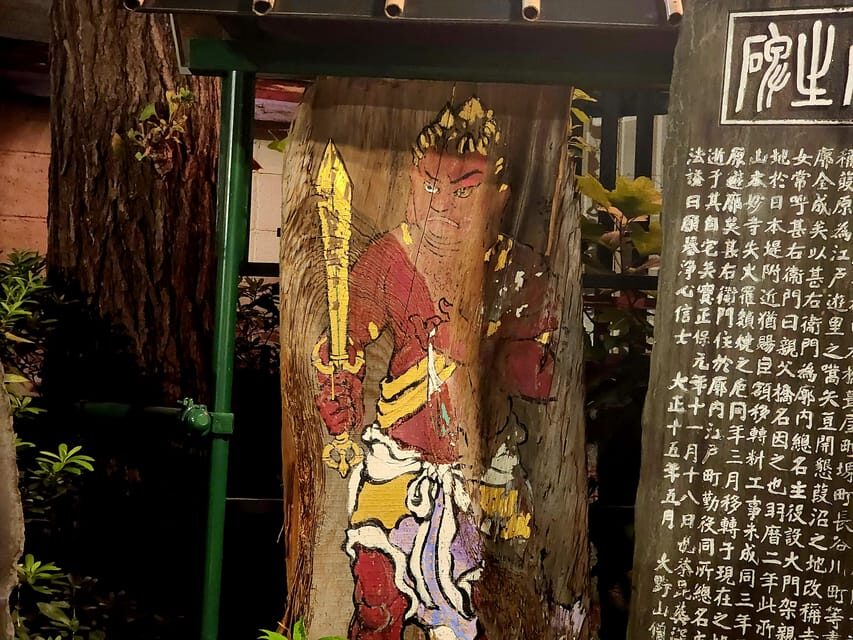
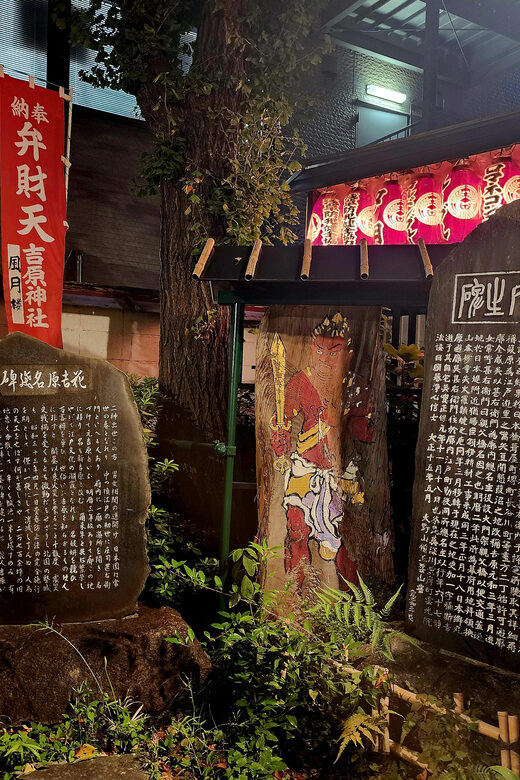
The heart of this tour is the stop at Yoshiwara-jinja Shrine. This isn’t just a “pretty shrine at night” moment. The folklore tied to this location is described as spanning more than 1,000 years, with a vengeful spirit that has haunted the area for centuries.
And here’s the practical detail that makes it unsettling: people working in nearby offices still don’t dare to turn their backs toward the shrine’s location. That specific behavior is the kind of detail that turns a ghost story into something more grounded. It also changes how you experience the stop. You’ll likely pay more attention to directions, your own posture, and the feeling of being watched by the story.
There are also a few ways the shrine stop can feel different depending on the group. If you’re the type who likes atmosphere, you’ll enjoy how the guide builds tension around the legends. If you’re more skeptical, you can still appreciate the cultural part—how folklore shapes everyday actions even when modern life continues right next to it.
Ghost Stories, Folklore, and the Slightly Darker Topics
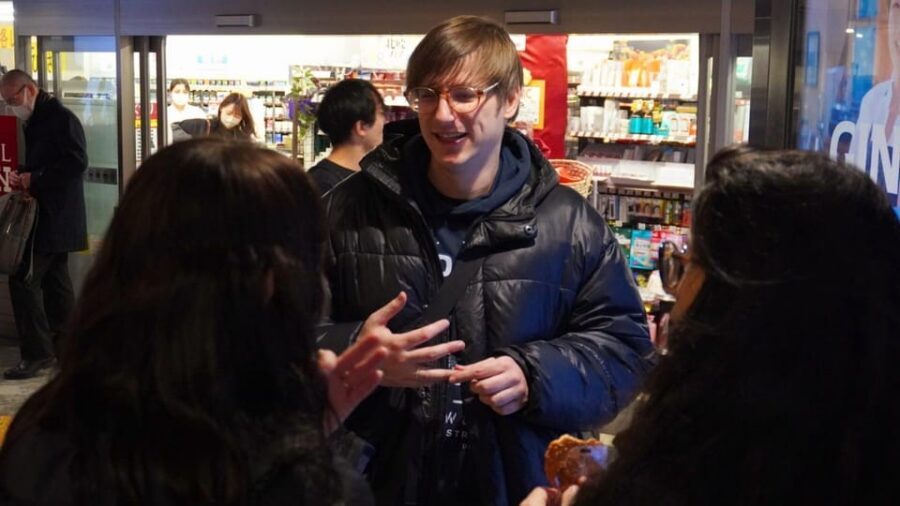
You’re not just getting one standard scare story. The tour leans into “true ghost stories and folklore,” with guides who cover a variety of themes. Based on how past guides have presented these walks, expect stories that can range from paranormal activity legends to elements of true crime and missing persons.
That mix can be a good thing. Pure ghost-tale tours sometimes blur together. Here, the variety gives your brain something new to process at each turn, and it helps the tour feel like a guided narrative rather than a checklist of spooky stops.
Also, since the guide shares folklore tied to the local spaces you’re actually seeing, the stories land better. Hearing about something from a street corner is different from hearing it in a lecture hall. You can glance at the surroundings and immediately understand why a legend would “belong” there.
Asakusa Shitamachi After Dark: Old-Town Streets With a Different Mood
After the shrine, you continue toward Asakusa’s Shitamachi district. This is where the tone shifts from legend-heavy shrine storytelling into neighborhood atmosphere.
Shitamachi is the old-town side of Tokyo—the kind of place where you can sense layers of daily life. At night, those layers feel sharper. You’re walking through a district that still reads as lived-in rather than staged for tourists, and your guide’s stories give the streets an added edge.
The route is described as taking you “far and wide,” which lines up with why this works. You’re not only seeing one dramatic landmark. You’re getting a wider sense of how legends are spread across a neighborhood, attached to shrines and corners rather than just one “haunted spot.”
One note: since it’s a nighttime walk, your experience will depend on how comfortable you are staying alert on foot. If you like moving through the city after dark (safely, with a guide), this part can be the most fun. If you prefer day tours for navigation ease, plan on leaning into the guidance and slowing down when needed.






Small-Group Style: Why It Changes the Experience
This isn’t a huge crowd bus tour. It’s built as a small-group walk, and that matters for ghost tours in three ways.
First, sound matters. Ghost stories need clarity. A smaller group keeps the story from turning into background noise. Second, questions matter. When you can ask a quick detail-related question, the guide can tailor the atmosphere for you. Third, pacing matters. You’re walking through multiple areas, and small groups tend to move with less chaos, which makes the evening feel smoother.
Past participants have also praised the way guides share a lot of information without losing the fun. Guides like Matthias and Maikel have a reputation for keeping things varied and engaging—local legends, scary lore, and the darker “what really happened” style angles.
Price and Value: What $90 Gets You (and When It’s a Good Deal)
At $90 per person for a 1-day tour, you should think about value in three buckets: guide quality, storytelling content, and what you physically get out of it.
You’re paying for:
- A live professional guide
- True ghost stories and folklore (not just one generic legend)
- A shrine visit tied to a long-running haunting story
- A Japanese traditional snack
- A nighttime small-group walk through Asakusa’s Shitamachi district
If you’ve done standard “walk around and hear one story” tours before, this one stands out because it sounds like it aims for variety—paranormal folklore plus darker human stories (crime/missing-person themes) delivered in context.
Is it a bargain? Not really. Is it priced like a one-size-fits-all tourist gimmick? Also no. If ghost lore is your thing—and you want real Tokyo neighborhood texture under streetlights—then $90 can be a fair trade for the guide-led storytelling and the shrine stop that anchors the whole tour.
What’s Included, What’s Not, and Simple Prep That Helps
The tour includes:
- A professional guide
- True ghost stories and folklore
- A visit to a haunted shrine (Yoshiwara-jinja Shrine)
- A Japanese traditional snack
Not included:
- Transportation to or from the attractions
- Drinks
That means you should plan to get to the meeting point on your own and be ready to purchase drinks separately if you want them. The snack is included, but it’s still a snack—don’t assume it replaces a meal if you’re hungry.
What to bring is simple:
- Comfortable shoes (non-negotiable for night walking)
- A camera if you want photos (flash photography is not allowed)
Walking at Night: Rules, Clothing, and Photo Reality
This is a nighttime walking tour, so dressing for comfort matters. You’ll want shoes that can handle uneven pavement and steady walking. If the weather is rainy or humid, wear something you can move in without fuss.
Two rules to keep in mind:
- Flash photography is not allowed. If you’re used to snapping photos with flash at night, you’ll need to adjust.
- You should dress appropriately for the weather since you’ll be walking outdoors.
If you want decent photos, plan for low-light without flash and be ready to accept that some images will be more atmospheric than perfectly sharp. For most people, the goal here is to capture the vibe, not to shoot a magazine cover.
Who Should Book This Tokyo Ghost Tour—and Who Should Skip It
This tour is a strong fit if:
- You like ghost stories, folklore, and local legends
- You enjoy nighttime walking as long as you have a guide
- You want more than one scary story—this one is described as covering a range of themes
- You’re curious about how stories connect to specific places in Tokyo
It may not be the best choice if:
- You’re traveling with kids under 10
- You have heart problems
- You dislike dark, quiet streets or long periods of standing and walking at night
- You want minimal walking and maximum comfort
If you fall into the “ghosts are fun, not frightening” category, you’ll likely enjoy the tone. If you’re easily spooked, you can still go, but keep in mind it’s built around scary Japanese storytelling.
Should You Book This Tokyo Ghost Tour?
I’d book this if Tokyo ghost lore is on your list and you want a guided night experience anchored by a shrine stop tied to a spirit legend lasting 1,000+ years. The value comes from the combination of small-group pacing, a shrine with a specific local behavior, and guides who can handle multiple themes—from classic paranormal folklore to darker crime-linked storytelling—without turning it into chaos.
Skip it if walking at night sounds stressful for you, or if you’re in the categories noted as not suitable (kids under 10 or people with heart problems). If you’re unsure, go with your comfort level first. The best ghost tour is the one you can enjoy safely and fully.
FAQ
Where is the meeting point for the ghost tour?
You meet inside Tokyo Station at the Marunouchi North Exit, in the North wing. Your guide will be holding a sign with your name.
How long is the Tokyo ghost tour?
The experience is listed as 1 day.
What languages are offered for the live guide?
The tour is available with live guides in French, German, Italian, and English.
What is included in the tour price?
The tour includes a professional guide, true ghost stories and folklore, a visit to a haunted shrine, and a Japanese traditional snack.
What is not included?
Transportation to and from attractions and drinks are not included.
Is flash photography allowed?
No. Flash photography is not allowed during the tour.
What should I bring?
Bring comfortable shoes. If you plan to take photos, bring a camera as well.
Is the tour suitable for children?
No, it’s not suitable for children under 10 years old.
Who should avoid this tour?
It’s not suitable for people with heart problems.