REVIEW · SAPPORO
Private Market Tour and Cooking Class with Kanae, a Sapporo Local
Book on Viator →Operated by Traveling Spoon · Bookable on Viator
Food walks in Sapporo feel like a story. In this private market tour and cooking class with Kanae, you go beyond a checklist and learn how Hokkaido ingredients actually shape the meal. I like that the day is built around real local shopping, then hands-on cooking at a home kitchen where questions are easy to ask.
Two things I really like: first, you get an actual meal with lunch included (and 1–2 glasses of local alcohol). Second, you’re not rushed; the private format means you can move at your pace while you learn techniques and not just recipes.
One drawback to consider is logistics: there’s no hotel pickup, and the meeting point is at Maruyama Koen Station. Also, on the car side, Kanae’s vehicle fits up to 5 people total (driver included), so groups of 5+ will need a taxi that follows along to her home.
In This Review
- Key highlights worth planning for
- Why this Sapporo market-and-cooking combo works
- Maruyama Koen Station start: simple meeting, real neighborhood timing
- Nijo Ichiba and Jogai Market: what you’re really learning
- Choosing ingredients for your cooking class (and not wasting money)
- The 15-minute ride to Kanae’s home: pacing and comfort
- Cooking in practice: what your hands will learn
- Menu flexibility for dietary needs and allergies
- Lunch with local alcohol: the lesson lands on your plate
- Private group rules: car capacity and the taxi-follow detail
- Price and value: why $82 feels fair for what you get
- Who should book this (and who should skip it)
- Should you book Kanae’s Sapporo cooking day?
- FAQ
- What time does the tour start, and how long is it?
- Where do I meet Kanae for the tour?
- Is hotel pickup included?
- Is lunch included?
- Are alcohol drinks included?
- What markets are visited?
- Are there dietary options for vegetarians or vegans?
- What should I know about the markets being closed?
- How does cancellation work?
Key highlights worth planning for
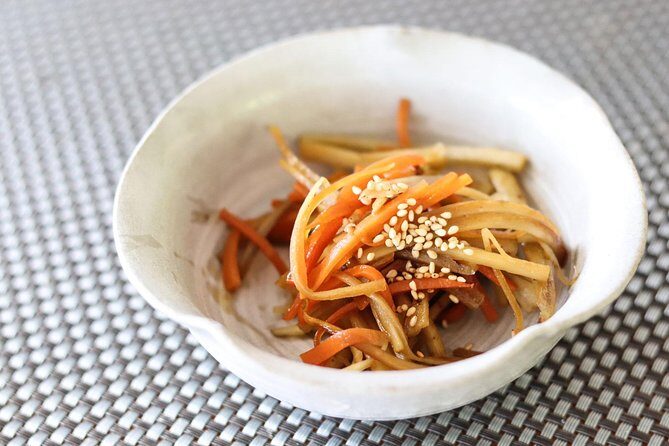
- Kanae’s home kitchen, not a storefront classroom: you cook in an open kitchen setting and eat what you make.
- Two local markets with a guide: Nijo Ichiba (Sapporo Morning Market) plus Jogai Market near the Central Wholesale Market.
- One-on-one pacing: private means your questions and your speed matter.
- Seasonal menu, Hokkaido focus: expect local dishes rather than generic Japanese home cooking.
- Alcohol and lunch are included: the meal isn’t an add-on, it’s part of the lesson.
Why this Sapporo market-and-cooking combo works
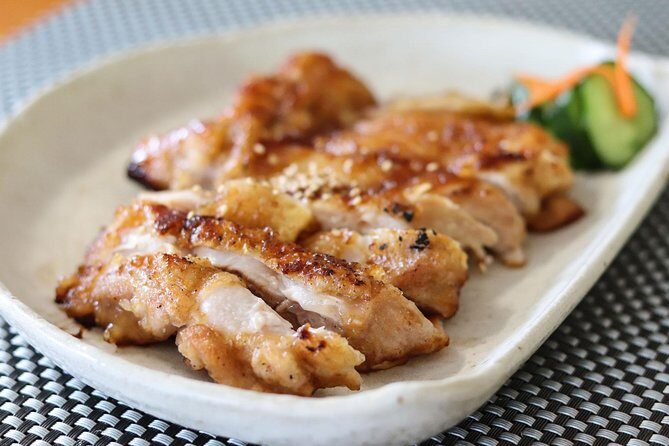
This isn’t just a cooking class with a photo stop tacked on. The best part is the sequence: you shop for ingredients at local markets, you learn what you’re buying and why, then you cook them in Kanae’s home and eat right after. That order matters. It turns ingredients into choices, and choices into skills you can use later.
You’ll spend about 4 hours total, with roughly 1 to 1.5 hours for cooking. That feels like the sweet spot for learning without getting stuck in a classroom mood. You also leave with a fuller sense of Sapporo and Hokkaido food, because the morning market walk gives you context for the meal.
And since it’s private, you can ask the kind of questions that usually get skipped on group tours. Stuff like how to select seafood, what certain ingredients taste like, or what substitutions make sense when you’re shopping back home.
You can also read our reviews of more private tours in Sapporo


Maruyama Koen Station start: simple meeting, real neighborhood timing
The day starts at Maruyama Koen Station at 9:00 am. I like this because it’s clear and transit-friendly, so you’re not guessing about hidden pickup windows or waiting around for a van.
Plan on showing up a little early so you can settle in before Kanae brings you into the market flow. You’ll return back to the meeting point at the end, which keeps the day from turning into a complicated end-of-tour scramble.
No hotel pickup means you’ll do your own transit leg into the tour. That’s not a problem if you’re already comfortable using Sapporo’s trains and buses. If you’re traveling with heavy bags or just want the lowest effort morning possible, this is the one point to think through before booking.
Nijo Ichiba and Jogai Market: what you’re really learning
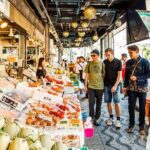
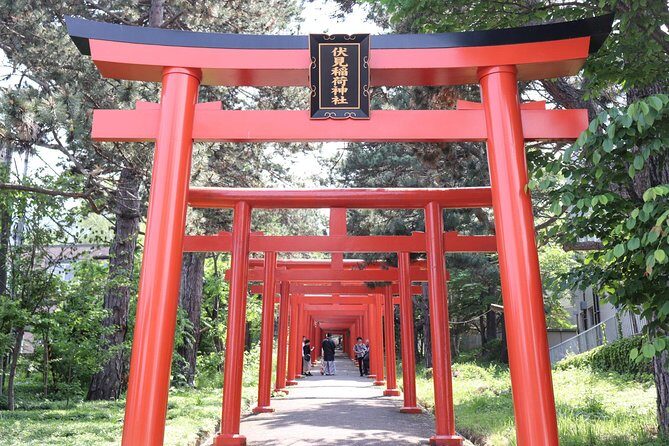
Kanae first takes you to local markets: Nijo Ichiba (part of the Sapporo Morning Market area) and then Jogai Market adjacent to the Sapporo Central Wholesale Market. Together, these stops are where the day earns its value.
Nijo Ichiba is the kind of market where you see fresh fish, seasonal produce, and the fast rhythm of vendors doing business. You’re not just looking; Kanae points out how different ingredients are used, how they’re selected, and how they fit into Hokkaido cooking. That matters because seafood and seasonal vegetables in Hokkaido behave differently from what you might expect from the canned, frozen, or pre-trimmed versions back home.
Jogai Market adds another layer. It’s close to a wholesale hub, so the variety and supply context feel more grounded. In a market setting like this, you’ll understand why some dishes rely on specific textures, freshness windows, and seasonal availability.
Important planning note: Sapporo Morning Market is closed on Wednesdays and Sundays. If your trip lands on one of those days, your market experience may be affected. The tour description doesn’t spell out an alternate market, so I’d treat this as something to double-check before you lock in your dates.
Choosing ingredients for your cooking class (and not wasting money)
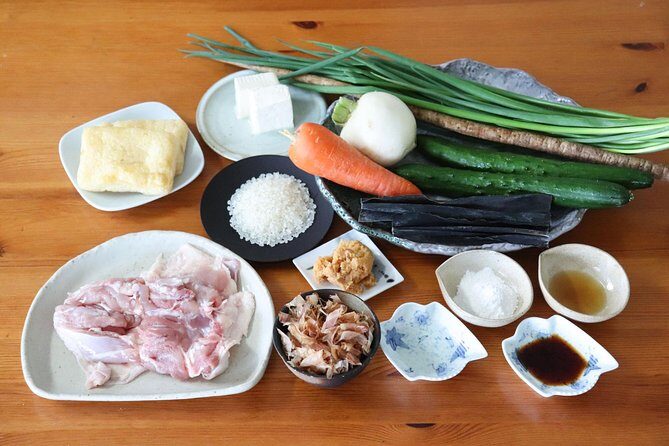
After the market walk, you’ll purchase a few fresh ingredients to use in your cooking class. This is one of the most practical parts of the whole tour.
Here’s what makes it better than buying groceries on your own: Kanae can steer you toward ingredients that are worth the price and worth the cooking effort. That’s especially helpful with seafood, where the “best option” can depend on how it will be prepared. She’ll also help you avoid the common tourist mistake of buying something pretty that won’t actually be useful in the dishes you’re about to cook.
You can also expect the menu to be seasonal, so the ingredients that show up in your shopping bag are tied to what’s good right now in Hokkaido. That’s a real advantage if you care about flavor over novelty.
The 15-minute ride to Kanae’s home: pacing and comfort
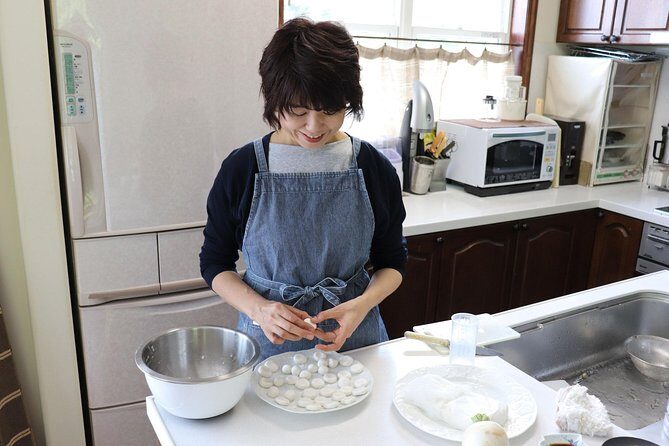
Once you finish at the markets, Kanae drives you about 15 minutes back to her home. I like this break in the middle of the day. Markets can be loud and busy in your head, and moving to a calm kitchen setting helps the cooking feel like a real experience, not an assignment.
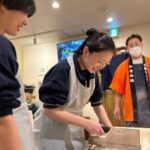
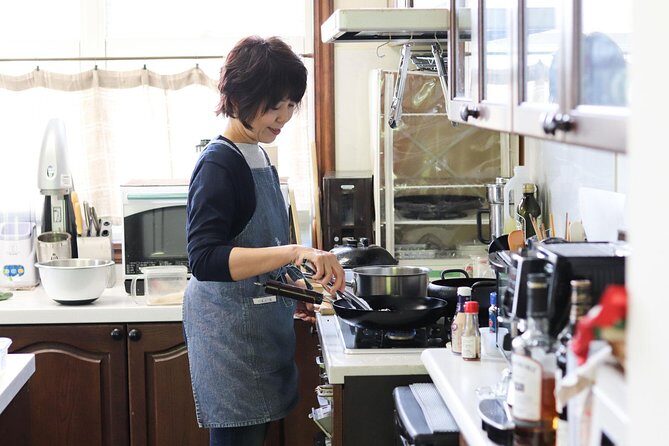
Kanae welcomes you into her open kitchen. For you, the big benefit is focus: you’re cooking with your guide close by, so it’s easy to ask how to handle a specific ingredient, what a step is meant to achieve, or how to tell when something is done.
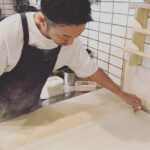
There’s also a pacing difference with a private setup. If you want to slow down and watch a knife technique carefully, you can. If you’re confident and ready to cook, you can move faster. Either way, you’re not stuck waiting for a larger group.
You can also read our reviews of more shopping tours in Sapporo
Cooking in practice: what your hands will learn
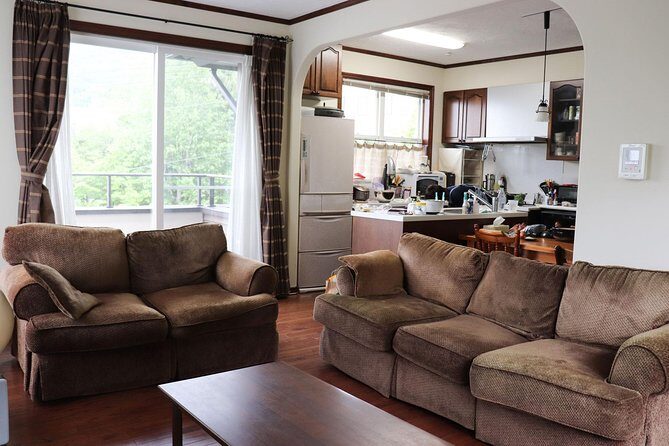
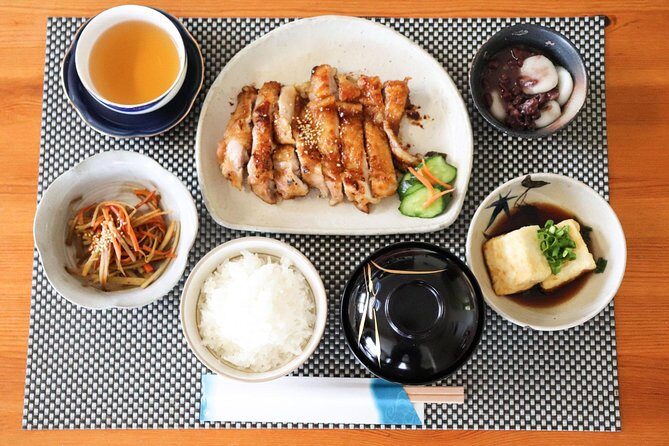
The cooking portion lasts about 1–1.5 hours, and you’ll prepare a traditional homemade Japanese meal together. The exact dishes can vary by season, but the emphasis is clearly on Hokkaido-style food rather than a generic homestyle menu.
From the way people describe their time with Kanae, the teaching style is practical: she explains ingredients, shows how things should look or smell during the process, and adjusts based on your comfort level. This is a big deal for travelers who like cooking but don’t want a lecture-heavy class.
Also keep in mind: Kanae is happy to introduce Hokkaido dishes instead of typical homestyle menus if you’re specifically interested. That’s a smart option if you’ve already eaten your fill of standard Japanese comfort foods and want to focus on what makes Hokkaido different.
You should also be ready for a “learn by doing” format. That works best if you don’t mind getting a little involved. If you prefer watching from the sidelines, this might feel too hands-on.
Menu flexibility for dietary needs and allergies
If you have dietary restrictions, this tour gives you room to make it work. Vegetarian and vegan options are available if you advise at booking, and you should share allergies, dietary restrictions, or cooking preferences ahead of time.
This matters because market-based cooking is only as good as the ingredient choices. If you can’t eat what you bought, the whole logic of the day falls apart. With advance info, Kanae can guide you toward ingredients that fit your needs and keep the class enjoyable.
If you’re booking for a mixed group, communicate clearly about restrictions early. The private format helps, but it still depends on what the markets and seasonal produce have on your date.
Lunch with local alcohol: the lesson lands on your plate
After cooking, you enjoy the meal you helped prepare together. Lunch is included, and alcoholic beverages (1–2 glasses of local alcohol) are also part of the package.
For me, this turns the class into a full experience. Food tours that stop at the cooking step can leave you hungry in a different way. Here, you actually sit down and eat the result while your guide can explain what you’re tasting and how the market ingredients connect to the flavors.
The alcohol inclusion is light and contained, not a party vibe. It’s there to add local flavor to the meal and make the dining feel like a real Japanese home-style event rather than a strict cooking demo.
Private group rules: car capacity and the taxi-follow detail
The tour is private, meaning only your group participates. That’s great for attention and pacing. The one logistics detail that deserves real attention is the car capacity:
- Kanae’s car fits up to 5 people total, including the driver (max 4 guests).
- If your group is 5 or more, you’ll meet at the station and then use a taxi that follows Kanae’s car to her home.
This is easy enough to handle, but you should plan for it. If you hate splitting up for even a short ride, keep your group size to 4 or fewer. If you’re traveling with friends and you don’t mind a short taxi follow, it’s still a smooth solution.
Price and value: why $82 feels fair for what you get
At $82 per person, the value comes from the “bundle” effect:
- Private market tour with your guide
- Ingredient purchase for the class
- Cooking time and instruction in a home kitchen
- Lunch included
- 1–2 glasses of local alcohol
- Gratuities included
You’re paying for time, access, and convenience. A cooking class alone often costs similarly, but without the ingredient-shopping logic or home-kitchen context. A market tour alone is usually separate and doesn’t include lunch, alcohol, and hands-on cooking.
Also, private means fewer “wasted hours.” You’re not standing around while a larger group gathers. Your attention stays on your questions and your dishes, which makes the day feel more efficient in the best way.
Who should book this (and who should skip it)
You’ll love this if:
- You like food and you want a practical way to learn what’s special about Hokkaido
- You want a calmer, local-home cooking setting instead of a crowded studio
- You like markets and want help choosing ingredients
- You enjoy hands-on cooking more than watching
You might skip it if:
- You want a low-effort morning with hotel pickup
- You don’t want to do any cooking at all
- You’re traveling on a day when the Sapporo Morning Market is closed and you’re mainly interested in that specific market
Should you book Kanae’s Sapporo cooking day?
If your goal is an authentic Sapporo food morning that turns into a real lunch you cooked yourself, this is a strong yes. The value is in the structure: market context, ingredient guidance, and then cooking in Kanae’s home kitchen with focused attention.
Book it if you’re comfortable getting yourself to Maruyama Koen Station by 9:00 am and you want to spend part of your day cooking instead of only tasting. If you’re sensitive to market closures, double-check that your day isn’t a Wednesday or Sunday, since the Sapporo Morning Market is closed then.
Overall, I’d tell you this fits travelers who want food to mean something, not just look good in a camera roll.
FAQ
What time does the tour start, and how long is it?
It starts at 9:00 am and lasts about 4 hours.
Where do I meet Kanae for the tour?
You meet at Maruyama Koen Station, located at 26 Chome-2 Odorinishi, Chuo Ward, Sapporo, Hokkaido 064-0820, Japan.
Is hotel pickup included?
No. Hotel pickup and drop-off are not included, so you’ll travel to the meeting point on your own.
Is lunch included?
Yes. You’ll cook together first, then enjoy lunch as part of the experience.
Are alcohol drinks included?
Yes, the experience includes alcoholic beverages, typically 1–2 glasses of local alcohol.
What markets are visited?
You’ll visit Nijo Ichiba (Sapporo Morning Market area) and Jogai Market adjacent to Sapporo Central Wholesale Market.
Are there dietary options for vegetarians or vegans?
Yes. Vegetarian and vegan options are available if you advise at the time of booking.
What should I know about the markets being closed?
The Sapporo Morning Market is closed on Wednesdays and Sundays, which may affect what you can visit on those days.
How does cancellation work?
You can cancel for a full refund if you cancel up to 24 hours in advance of the experience start time. If you cancel less than 24 hours before, the amount paid is not refunded.