REVIEW · KYOTO
Kyoto Hop-On, Hop-Off Sightseeing Bus Tour
Book on Viator →Operated by Trevopedia Wonders · Bookable on Viator
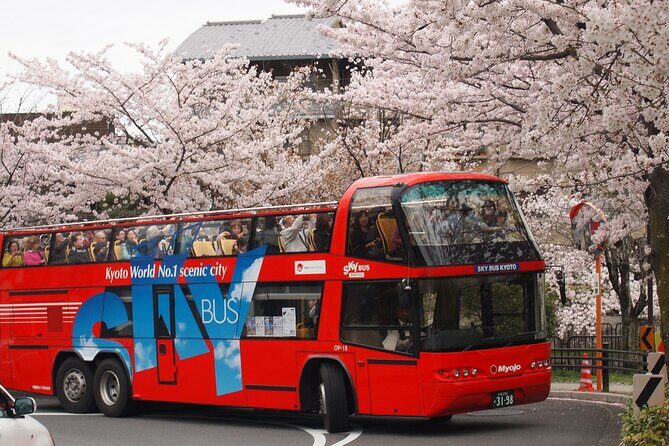
Kyoto is easier from a bus seat. The SKY HOP BUS KYOTO open-top double-decker route hits major sights and lets you hop on hop off at your pace.
Two things I really like are the multilingual audio guide (with included earphones) and the simple way you can jump off near big-ticket stops like Kinkaku-ji and Kiyomizu-dera.
One drawback to plan around: seats are unreserved, and the schedule is fixed—so if you want the best viewing spots, time your hops carefully.
In This Review
- Key takeaways before you ride
- Kyoto Hop-On Hop-Off: what this bus tour actually solves
- Price and passes: is $45.56 worth it?
- Getting on in Kyoto Station: easier than you think (but don’t guess)
- East Side loop: from Karasuma streets to Kiyomizu-dera views
- Kyoto Station
- Karasuma Gojo, then Shijo Karasuma Nishiki-Ichiba Market
- Kyoto City Hall
- Ginkakuji Temple (Silver Pavilion)
- Heian-jingu Shrine, Okazaki Park
- Kotowa Kyoto Yasaka
- Gojozaka (Kiyomizu-dera Temple)
- Sanjusangendo Kyoto National Museum (near Hyatt Regency Kyoto)
- West Side loop: castles, shrines, and the long road to Kinkaku-ji
- Kyoto Station
- Nishi Hongan-ji Temple
- Nijo-jo Castle
- Kitano-tenmangu Shrine (Kamishichiken)
- Kinkaku-ji
- Daitoku-ji Temple
- Kyoto Imperial Palace (Doshisha University)
- Shijo Karasuma Nishiki-Ichiba Market (again)
- Audio guide, Wi‑Fi, and open-top views: what you notice from the seat
- Timing reality: fixed schedule, unreserved seats, and how to avoid stress
- How to pace your day using hop-on hop-off like a pro
- Should you book this if you’re short on time?
- Final call: book SKY HOP BUS KYOTO or go another way?
- FAQ
- How long is the Kyoto Hop-On, Hop-Off sightseeing bus tour?
- Where does the tour start?
- Are seats reserved?
- Can I hop on and off more than once?
- What’s included with the ticket?
- Is Wi‑Fi available on the bus?
- Is the tour near public transportation?
- What is the weather rule for this experience?
- Is the ticket refundable if I cancel?
Key takeaways before you ride
- KYOTO Station is your hub, so you can start and reset your day easily
- Multilingual audio with earphones helps you connect the dots between stops
- Hop-on hop-off flexibility means you can skip what you don’t feel like doing
- An open-top ride gives you sky-level views without fighting transit transfers
- Poncho included if rain shows up (and it can, even when you think it won’t)
- Unreserved seating means peak times can feel first-come, first-seated
Kyoto Hop-On Hop-Off: what this bus tour actually solves
Kyoto can be gorgeous, but it can also be a timing puzzle. Temples are scattered, bus and train transfers cost time, and walking between must-see spots can add up fast. This hop-on hop-off format helps you get around without turning your day into logistics homework.
The SKY HOP BUS KYOTO set-up is built for flexibility: you stay on the bus when you want movement and panoramic views, and you hop off when something catches your eye. You also don’t have to commit to a rigid walking route. One minute you’re by Kyoto Station; the next you’re close to the temples and old neighborhoods that people travel here for.
This tour is especially useful if you want to see a wide slice of Kyoto in a short stay. In roughly an hour and change, you can cover a “loop” and then re-check areas you want more time in.
You can also read our reviews of more tours and experiences in Kyoto.



Price and passes: is $45.56 worth it?
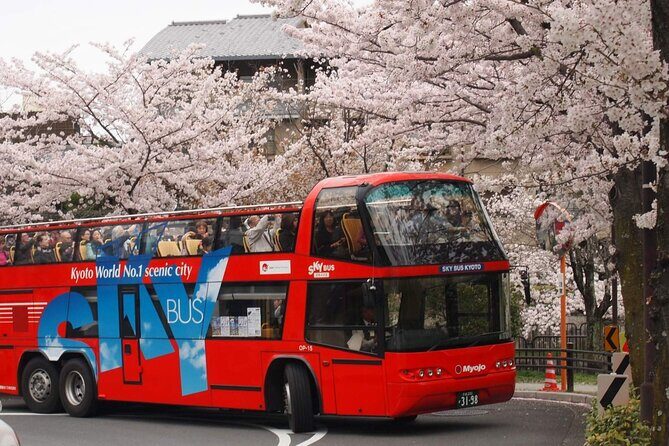
At $45.56 per person, you’re paying for convenience plus built-in narration. The ticket includes an audio guide in multiple languages (and earphones), a poncho if it rains, and a one-day or two-day pass depending on what you choose. You’re also getting onboard Wi‑Fi, which sounds small until you want maps, restaurant searches, or just a break from staring at signage.
The real value question is this: are you using the hopping flexibility? If you only ride once and never return to your favorite stop, it can start to feel pricey compared with paying for individual local transit rides. But if you treat it like a moving base—ride, hop, explore, then hop back on—it tends to make sense.
Also, you’ll likely appreciate the “free to move at your own pace” design. Kyoto’s top sights take different lengths of time. Some visitors want quick photo stops; others want a slower walk through temple grounds and nearby streets. This tour lets you set that rhythm, instead of your day being locked into one plan.
Getting on in Kyoto Station: easier than you think (but don’t guess)
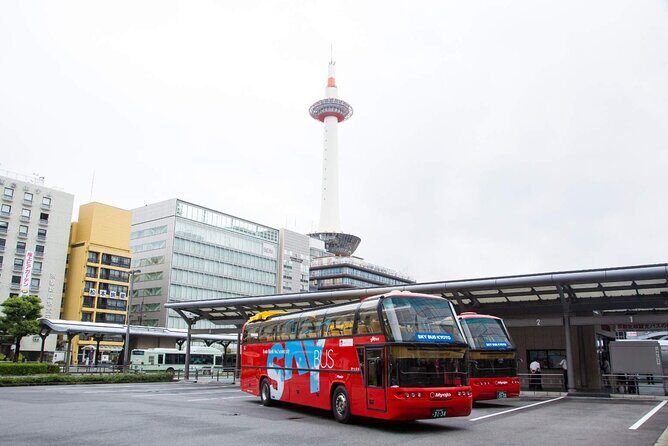
Your first major “reset button” is Kyoto Station. The route list shows Kyoto Station as a stop on both directions, so it’s where you can regroup if your morning slips or you decide to reroute after lunch.
That said, one practical warning from real-world experience: the stop can be tricky to locate at a large station terminal. If you’re arriving in the middle of peak time, give yourself extra minutes. Once you find the correct pickup area, the rest of the day becomes smoother.
A smart move: treat the first bus as your orientation lap. Ride it once to understand the order of neighborhoods and where the big sights cluster. After that, you’ll hop off where you want more time.
East Side loop: from Karasuma streets to Kiyomizu-dera views
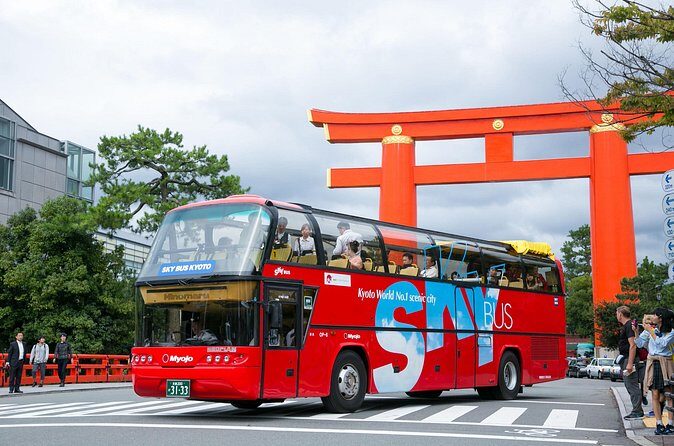
One side of the route feels like Kyoto’s “classic postcard route,” mixing city-center neighborhoods with temple-heavy hillsides. If you’re aiming to see the eastern icons without stitching together multiple train rides, this is where the hop-on hop-off format really earns its keep.
Here’s what you’ll pass and why each stop matters:
Kyoto Station
This is your launch point and your fallback. You can also use it later as a regroup location if you discover you want to spend longer elsewhere.

Karasuma Gojo, then Shijo Karasuma Nishiki-Ichiba Market
Karasuma Gojo drops you near a lively central area, and then the bus reaches the Shijo Karasuma and Nishiki market zone. Nishiki-Ichiba Market is the kind of place where exploring is half the fun. Even if you don’t shop much, the vibe helps you understand how Kyoto feeds daily life, not just visitor highlights.
Practical note: this area is popular. If you hop off here, give yourself a firm time window, or you’ll lose track and miss a later temple.
Kyoto City Hall
This stop is useful as a mid-route waypoint. Think of it as a convenient “near-central” location if you want a break from the temple legs.
Ginkakuji Temple (Silver Pavilion)
Ginkakuji is a standout stop on the eastern run, and it’s one many first-time visitors want. The bus placement helps you reach it without the “now we need one more connection” stress.
Heian-jingu Shrine, Okazaki Park
This is a good pairing: shrine grounds and the surrounding park area. If you like walking outdoors for a bit, this segment gives you that balance between formal temple space and open strolling.
Kotowa Kyoto Yasaka
This is a hotel-area stop. It’s not the famous landmark itself, but it can help you position yourself for nearby Gion and Higashiyama wandering. It’s also a clue that the route is designed to serve real visitor concentrations, not just one temple at a time.
Gojozaka (Kiyomizu-dera Temple)
Gojozaka is essentially your doorstep into the Kiyomizu-dera zone. If you’re trying to time your visit around scenic hillside views and the area’s famous pedestrian lanes, this stop makes the plan simpler than trying to navigate your own way there from scratch.
Sanjusangendo Kyoto National Museum (near Hyatt Regency Kyoto)
This stop is a smart “bonus” because it connects temple sight time with a museum area. If your schedule is tight, you might only do one. If you have room to spare, you can mix them and turn the stop into a longer break.
West Side loop: castles, shrines, and the long road to Kinkaku-ji
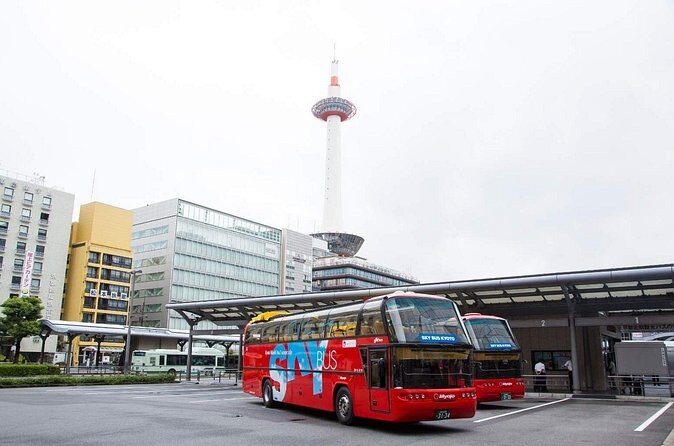
The other direction of the route leans more into large, iconic compounds and Kyoto’s grand sites. If you want the classic wow-factor temples and palaces, this side is your main target.
Kyoto Station
Same hub, so you can start, reset, or reconnect.
Nishi Hongan-ji Temple
This stop is a strong early hit on the west side. It’s the kind of site that helps you understand Kyoto beyond just the postcard temples people chase.
Nijo-jo Castle
Nijo-jo is a major draw. A hop-off here is ideal if you want a structured site with a lot to see without adding extra transit hops to your day.
Kitano-tenmangu Shrine (Kamishichiken)
This stop is a good choice if you like shrine atmosphere and neighborhood texture. It’s also a route highlight because it adds a different flavor than the eastern hillside temple area.
Kinkaku-ji
This is one of Kyoto’s biggest “checklist” sights. The bus stop placement gives you an easy arrival point, which matters because Kinkaku-ji is the kind of place you don’t want to reach after you’ve already burned energy and time.
Daitoku-ji Temple
Daitoku-ji is a quieter-feeling addition compared with Kinkaku-ji. If you like temple gardens and calmer grounds, hopping here can feel like a breather after the big-name stop.
Kyoto Imperial Palace (Doshisha University)
This stop connects you to palace grounds. Even if you don’t spend a huge amount of time, it gives you a sense of Kyoto’s political and historical layers.
Shijo Karasuma Nishiki-Ichiba Market (again)
You end back near the market area, which is convenient if you want food, snacks, or last-minute browsing before heading out.
Audio guide, Wi‑Fi, and open-top views: what you notice from the seat
The bus includes a multilingual audio guide and earphones, which is a big deal in Kyoto. Without narration, it’s easy to see temples and still not connect what you’re looking at. With audio, you can follow why a site matters and what traditions connect it to other stops.
You’ll also have onboard Wi‑Fi. That’s useful for quick translation checks, map re-centering when you hop off, or even just confirming your next meetup time if you’re traveling with someone.
About the “open-top” part: you’ll get those sky-line views that feel different from a window seat. If the weather is good, it’s a genuine advantage. If it’s hot, use common sense. One review called out that it was extremely hot and suggested bringing water. That advice is smart. Carry a bottle, and don’t treat hydration as optional.
And if rain rolls in, you’ll have a poncho included. You don’t want to stop your day early because the forecast changed.
Timing reality: fixed schedule, unreserved seats, and how to avoid stress
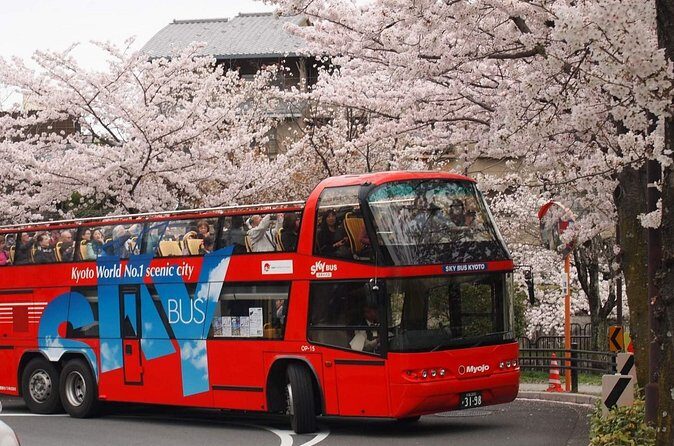
Hop-on hop-off sounds free, but buses run on a timetable. One review noted buses coming about every 50 minutes, which changes how you plan. If you hop off and linger too long at a big sight, you can feel rushed catching the next bus.
Seats are also unreserved, so you’re not guaranteed a prime view spot. In practice, it means early boarding is your friend on a full day. If you care about staying up top for photos, plan to get on soon after the bus arrives.
One more note: there are two route directions (east and west), and you’ll likely decide how much of each side you want. If you try to do everything in one day, your feet will disagree with your enthusiasm. A better strategy is to pick one “anchor” side for major temples and use the other direction for selected stops.
How to pace your day using hop-on hop-off like a pro
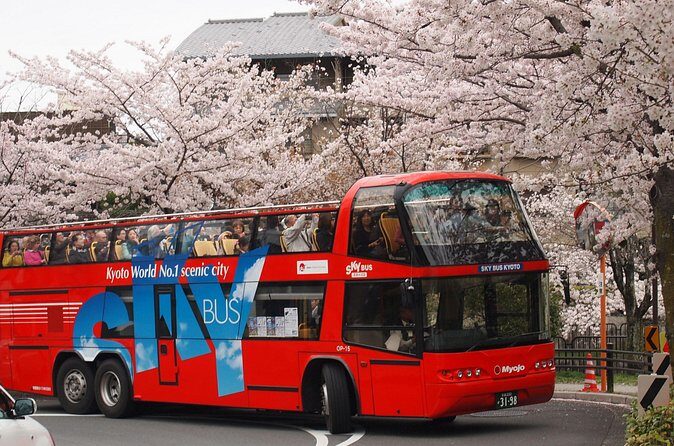
Here’s the approach that tends to work best in Kyoto: think in zones, not checklist items.
1) Use the first loop for orientation.
Ride the bus enough to see the stop order and recognize the neighborhoods. Then start hopping with purpose.
2) Pick 2 to 4 stops you care about most per side.
If you try to do every stop, you’ll spend more time getting on and off than seeing anything. The hop feature is powerful, but your time is still limited.
3) Do markets and city stops earlier, temples later.
The market area is a great early break, then you shift into temple and shrine time when you’re ready for quieter, slower walks.
4) Bring water and plan for heat.
That one is simple. Kyoto can get uncomfortably hot. If you’re on the bus between stops, water still matters because your body doesn’t reset just because you’re moving.
Also, remember you can hop on and off as many times as you like at all Sky Hop Bus stops within your ticket validity period. That means you’re not trapped. If you discover a stop you want to revisit, you can do it without buying a second ticket.
Should you book this if you’re short on time?
This tour is a good match for:
- First-time Kyoto visitors who want an easy way to hit major sights without transferring multiple times
- Travelers who want flexibility and don’t want every hour planned down to the minute
- People who prefer “ride, hop, walk, hop back” over long daily walking loops
- Anyone who benefits from guided context via the multilingual audio
It may be less ideal if:
- You want a tightly managed, walking-led experience with no waiting around
- You’re trying to do everything with almost no downtime
- You’re extremely budget-focused and won’t use the flexibility enough to justify the price
One balanced heads-up from booking reality: a small portion of customer feedback was negative about how the ticket was handled through a marketplace or subcontracting. If you’re sensitive to service quality and want the safest path, compare prices across operators before you commit.
Final call: book SKY HOP BUS KYOTO or go another way?
If you want the simplest way to cover Kyoto’s top sights with minimal transit stress, I think this is a solid choice. The combination of hop-on hop-off flexibility, multilingual audio with earphones, and an open-top viewpoint makes the experience more than just transportation. At $45.56, it’s best when you actually use the pass to explore, skip, return, and adjust.
I’d book it if your plan includes Kinkaku-ji, Kiyomizu-dera, or Gion-area walking, and you like the idea of building your day in layers. I’d reconsider if you’re hoping for ultra-low cost or you’d rather spend your day in one neighborhood only.
One last practical note: this experience is not refundable and can’t be changed, so be confident in your dates. And if weather turns rough, you’ll be offered a different date or a full refund, so you’re not completely stuck.
FAQ
How long is the Kyoto Hop-On, Hop-Off sightseeing bus tour?
The duration is about 1 hour 8 minutes (approx.), depending on route and stops.
Where does the tour start?
Kyoto Station is listed as a stop at the start and also appears on both sides of the route.
Are seats reserved?
No. All seats are unreserved.
Can I hop on and off more than once?
Yes. You can get on and off as many times as you like at all Sky Hop Bus stops within the ticket validity period.
What’s included with the ticket?
Included items are the multilingual audio guide, earphones, and a poncho in case of rain. The ticket also includes a one-day pass, or a two-days pass if selected.
Is Wi‑Fi available on the bus?
Yes. The bus includes onboard Wi‑Fi.
Is the tour near public transportation?
Yes. It’s described as being near public transportation.
What is the weather rule for this experience?
It requires good weather. If it’s canceled due to poor weather, you’ll be offered a different date or a full refund.
Is the ticket refundable if I cancel?
No. The experience is non-refundable and cannot be changed for any reason.