REVIEW · HIROSHIMA
Hiroshima & Miyajima Island Customized Private Tour
Book on Viator →Operated by Japan Wonder Travel · Bookable on Viator
Peace and tori gates in one stress-free day. This private, customizable day pairs Miyajima’s Itsukushima Shrine with Hiroshima’s most important memorial sites, with a guide helping you avoid transport headaches. I especially like the hotel pickup plus the way the tour uses public transport and walking to keep things doable and local.
One thing to weigh: the tour covers guide time, but entrance fees and transport fares for you and the guide are not included, and a moderate amount of walking is built in. Also, while the guides are often praised, I’ve seen one note about English support being limited, so it’s smart to share your priorities clearly in advance.
In This Review
- Key points before you go
- How This Private Tour Works in Real Life (Pickup, Pace, Tickets)
- Hiroshima Castle: A Feudal-Style Breather Before the Memorial Sites
- Peace Memorial Park: Hiroshima National Peace Memorial Hall (Free, Focused, Powerful)
- Hiroshima Peace Memorial Museum + Atomic Bomb Dome: Why Order and Timing Matter
- Miyajima Omotesando Street: Where the Day Becomes More Than Sightseeing
- Itsukushima Shrine and the Floating Tori Gate Experience
- Optional Calm-Down Stops: Shukkeien and Hiroshima Botanical Garden
- Price and Value: What $130.31 Really Buys (and What You’ll Pay Separately)
- Picking the Right Guide Moment: Language, Stories, and Food Stops
- Who This Tour Fits Best (And Who Might Skip It)
- Should You Book Hiroshima & Miyajima Private Tour?
- FAQ
- How long is the Hiroshima & Miyajima Island private tour?
- Does the tour include hotel pickup?
- Is Itsukushima Shrine included?
- Are Atomic Bomb Dome and Peace Memorial sites included?
- Are entrance fees included in the price?
- Is the tour private?
Key points before you go
- Hotel pickup helps you start fast, without hunting for meeting points
- Custom routing lets you match your time and mood, including Hiroshima and Miyajima together
- Peace Memorial focus includes the hall and museum, where timing matters for a respectful visit
- Miyajima’s Omotesando walk sets the tone before you reach Itsukushima Shrine
- Flexible add-ons may include Shukkeien or Hiroshima Botanical Garden if you want a calmer pace
- Public transport style travel keeps it practical for outlying areas
How This Private Tour Works in Real Life (Pickup, Pace, Tickets)
This is a private tour, meaning it’s just your group with a professional local guide. You can pick a morning or afternoon departure, and the overall time runs about 4 to 8 hours, depending on which sites you choose and how long you linger.
I like that the plan is built around not getting lost. You meet at your hotel (or the Hiroshima meeting point, depending on how the day starts), then your guide handles directions and pacing. You’ll also do a mix of walking plus public transport for the parts that are harder to reach on foot—very doable, but you’ll want comfortable shoes.
Bring simple essentials: a phone with enough battery (handy for the mobile ticket concept), a light layer, and a way to stay dry. The tour runs rain or shine, so treat weather like part of the itinerary. And if you’re sensitive to crowds or solemn spaces, you’ll appreciate that you can adjust your time at each stop within the customization.
One more value point: it’s priced per person, with group discounts mentioned, so if you’re traveling with friends, it may work out even better than you expect. You’ll get a confirmation at booking time, and you can usually cancel for a full refund if you cancel far enough in advance—just check the timing relative to the start.
You can also read our reviews of more private tours in Hiroshima


Hiroshima Castle: A Feudal-Style Breather Before the Memorial Sites
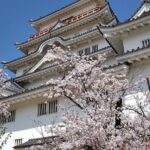
A lot of people rush straight to Hiroshima’s heavier places. Here, Hiroshima Castle can act like a reset button—part history, part open-air views, part a chance to get oriented in the city.
You’ll typically spend around 30 minutes there. The castle area is known for its mix of architecture and gardens, and that blend matters: you’re going from modern devastation to a broader Hiroshima story. If you’re not big on castles, you can still use this stop as a quick landmark moment before the Peace Memorial area.
Practical note: admission isn’t included for Hiroshima Castle. So it’s worth planning a bit of cash or card access for entrance fees, depending on what’s required that day.
Peace Memorial Park: Hiroshima National Peace Memorial Hall (Free, Focused, Powerful)
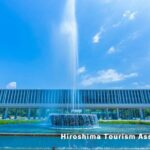
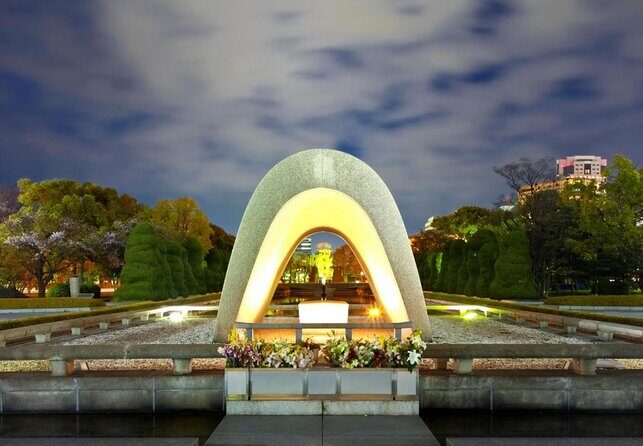
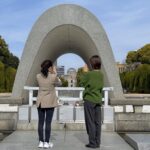
Then the tour shifts to the most meaningful part of the day: the Peace Memorial sites. One stop that stands out in the structure is Hiroshima National Peace Memorial Hall for the Atomic Bomb Victims. It’s a free stop, with about 30 minutes built in.
That time box is helpful. You don’t get rushed through in a blur, but you also don’t lose the day to standing in lines or reading everything at once. You’ll see the area’s memorial focus and the setting around it, and your guide can explain what you’re looking at and why it matters.
This is where a good guide really earns their pay. It’s not about memorizing dates. It’s about understanding why these spaces exist and what visitors are meant to do with their attention—take in the details, then carry them forward.
Hiroshima Peace Memorial Museum + Atomic Bomb Dome: Why Order and Timing Matter
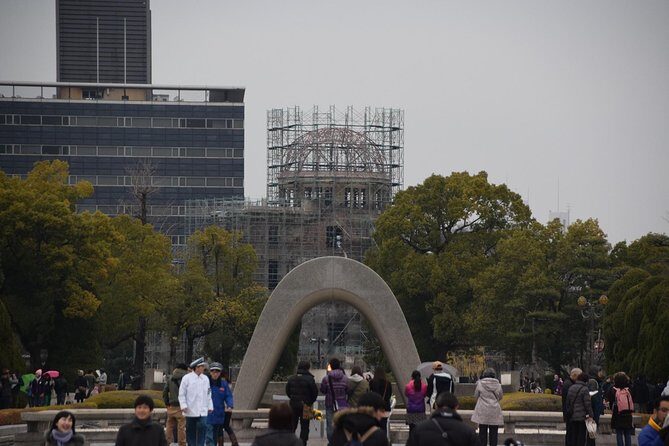
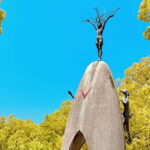
After the hall, the tour can take you toward the Atomic Bomb Dome and Hiroshima Peace Memorial Museum. The museum stop is also free, and the planned time is about 1 hour.
A practical touch here: on the way back toward the ferry or central areas, the route may pass by Kiyomori Street, where you can browse shops and grab lunch. Meals aren’t included, but this is a real advantage if you don’t want to spend your mental energy figuring out food logistics between major sights.
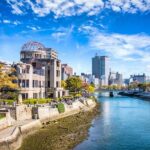
Then you shift back to the dome and museum. Even if you’re only there for the highlights, the dome’s presence is hard to forget—especially when paired with the museum’s context. Your guide can help you slow down in the right places, including a respectful pause as you visit the memorial area and the sites connected to it. The goal is not just seeing; it’s understanding what you’re seeing.
Important for your planning: if the day feels emotionally heavy, build in breathing space. One hour at the museum sounds long until you’re there. If you want a quieter experience, speak up during the customization so your pacing matches your energy.
Miyajima Omotesando Street: Where the Day Becomes More Than Sightseeing
Once you head to Miyajima Island, the tone changes. The route can include Miyajima Omotesando Shopping Street (about 30 minutes) while you move toward the shrine.
This isn’t just filler. Walking Omotesando gives you a sense of the island’s everyday rhythm—shops, small stops, and the kind of casual strolling that makes the shrine feel like a destination rather than an obligation. It also helps you transition from Hiroshima’s memorial mood into something calmer and more human-scale.
Admission isn’t listed for this portion, so you’re mostly paying with time and footwork. Still, if you’re planning to snack or buy small souvenirs, this is the moment to do it rather than waiting until after you’ve already reached the main shrine area.

Itsukushima Shrine and the Floating Tori Gate Experience
Itsukushima Shrine is the main event on Miyajima, and it’s listed as a free stop with about 3 hours on the schedule. In plain terms: this is where the photo spot becomes a place you actually stand and feel.
You’ll walk from the approach area through the shrine grounds, taking in the famous visuals that people travel for. One detail that shows up repeatedly in guide-led experiences is the red tori gate effect with water—when the conditions line up, it looks like the gate is floating. Your guide can help you understand what you’re seeing and where to stand for the best view without wasting time zigzagging on your own.
This stop is also flexible in a good way. If you want to focus on slower walking and atmosphere, you can do that. If you want to prioritize certain viewpoints, you can ask your guide to help you move efficiently. And because it’s a private setup, you can pace your photo time so you’re not constantly rushing.
Optional Calm-Down Stops: Shukkeien and Hiroshima Botanical Garden
If you still have energy after Peace Memorial and Miyajima, this tour can add gardens. The itinerary mentions optional time for Shukkeien (about 30 minutes) and Hiroshima Botanical Garden (about 1 hour).
These stops can be a nice counterweight. After intense memorial content and big-name island sights, gardens let your brain reset while you enjoy Hiroshima’s seasonal greenery and slower walking. Both are listed as not included for admission, so plan for entrance fees if you choose them.
The best part is control. If you’re visiting in a season with rain or if your group wants less walking, you can skip the optional gardens and keep the day tighter.
Price and Value: What $130.31 Really Buys (and What You’ll Pay Separately)
At $130.31 per person, the headline value isn’t the number—it’s what’s included. You’re paying for a professional local guide, plus the convenience of hotel pickup and the structure of a private route that you can customize.
What’s not included matters a lot:
- Entrance fees for you and the guide (for places like Hiroshima Castle, and the optional gardens)
- Meals and drinks (for you and the guide)
- Public transportation fares (for you and the guide)
- Private transportation is optional and may cost extra
So, is it worth it? If you’re the kind of traveler who wants to see Hiroshima and Miyajima in one smooth day without map stress, yes. The biggest cost you avoid is time. A guide helps you connect sites logically, handles the push-pull between ferry schedules and city transit, and keeps you from spending your day guessing.
Where you might feel the cost: if your group only wants the very top sights and you’d rather pay fewer “paid logistics” moments, you might compare this to doing it independently. But if you want the stress removed and you like clear explanations, this is built for you.
Picking the Right Guide Moment: Language, Stories, and Food Stops
Guide quality can make or break a day like this. The good news: multiple highly rated experiences mention guides by name, like Namitsu, Hiroko, and Noriko. The common thread is that they don’t just point—you get context, and they often tailor the day to your interests.
There’s also one clear caution from a lower-rated note: a guide can be very kind but may have limited English, which can reduce how much meaning you take from explanations. That doesn’t mean the tour is bad. It means you should set yourself up well.
My practical advice:
- Tell the guide what matters most: Peace Memorial context, shrine photography, castle views, or garden time.
- Ask for clarification if you don’t understand. You’ll get more out of the day that way.
- If food interests you, you can ask about what to try. Some guide-led days include friendly food suggestions (like trying foods you hadn’t planned on).
Who This Tour Fits Best (And Who Might Skip It)
This tour fits best if you:
- Want Hiroshima + Miyajima in one day without making transit your full-time job
- Appreciate a guide who helps you understand what you’re seeing, especially at the Peace Memorial sites
- Prefer customizing your route instead of rigid fixed scheduling
It may be less ideal if you:
- Hate any walking or being out in the weather for long stretches
- Expect entrance fees and transit to be fully included
- Need highly detailed English explanations and you’re unsure about language support—then ask questions before you go
If you’re visiting for a first time and want to connect the dots between shrine beauty and memorial reality, this is a strong match.
Should You Book Hiroshima & Miyajima Private Tour?
I’d book it if you value a smooth day plan and you want help translating places into meaning. The mix of Itsukushima Shrine, Omotesando, and the Peace Memorial sites is a powerful pairing, and the private format plus hotel pickup is exactly what makes it feel easy rather than exhausting.
I’d think twice if you’re strict about controlling every cost. Entrance fees, transit fares, and meals aren’t included, so your day budget should account for that. Also, because guide language quality can vary, make sure you communicate your priorities clearly before the day starts.
If you want the simplest path to seeing Hiroshima and Miyajima with less stress and better context, this is the kind of tour that delivers.
FAQ
How long is the Hiroshima & Miyajima Island private tour?
The duration is listed as about 4 to 8 hours, depending on your chosen stops and timing.
Does the tour include hotel pickup?
Yes. Hotel pickup is included for an easy start.
Is Itsukushima Shrine included?
Yes. Itsukushima Shrine is a main stop, and it’s listed as free.
Are Atomic Bomb Dome and Peace Memorial sites included?
The Atomic Bomb Dome and the Peace Memorial sites (including Hiroshima National Peace Memorial Hall for the Atomic Bomb Victims and Hiroshima Peace Memorial Museum) can be included as part of the customized itinerary. The hall and museum are listed as free.
Are entrance fees included in the price?
No. Entrance fees are not included for you and the guide.
Is the tour private?
Yes. It’s a private tour/activity, with only your group participating. The tour also runs rain or shine.