REVIEW · KYOTO
Katana Shopping with Professional Guidance in Kyoto
Book on Viator →Operated by Let's ask Shogo · Bookable on Viator
Buying a sword in Kyoto is never casual. This is a one-hour, expert-led katana session that sends you into a private dojo where Kenjutsu/Iai culture is treated like training, not showroom theater. With Shogo from Let’s Ask Shogo translating and guiding, you can follow every detail without getting lost.
I especially like the hand-selected blades approach, including very old examples, and the way the master and Shogo focus on practical fit and preservation. The one drawback to plan around: this isn’t meant for casual window-shopping, and it’s best if you’re genuinely considering a purchase.
In This Review
- Key points worth knowing before you go
- A private Kyoto dojo for serious katana shopping
- Meet Shogo and Yushin Sensei: translation plus sword culture
- Where the session starts and how it actually feels
- The one-hour itinerary: from dojo entrance to blade selection
- What makes the blade selection different (and why it’s worth paying for)
- This is not for casual gawking: the buying-minded rule
- What you should bring: questions that make this worth it
- How maintenance and preservation fit into your purchase decision
- Payment, shipping, and follow-through (what to expect if you buy)
- Who this katana dojo session is perfect for
- Price and value: what $65.32 buys you in Kyoto
- Should you book this Kyoto katana session?
- FAQ
- What happens during the katana shopping session?
- How long is the experience?
- Is this a private tour?
- Who are the guides during the session?
- Is it okay if I just want to look at katanas or meet Shogo?
- What is the cancellation policy?
Key points worth knowing before you go
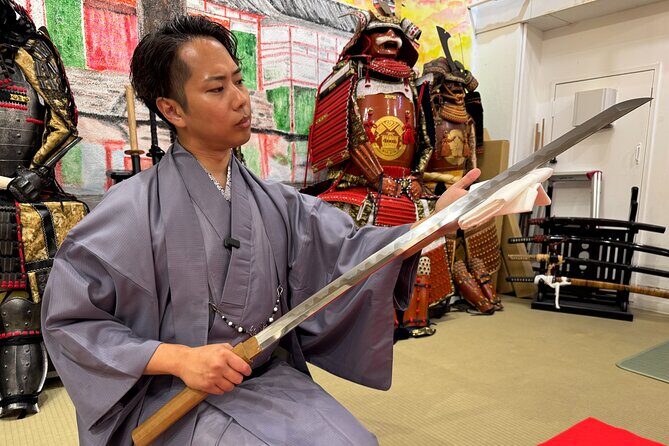
- A dojo, not a retail counter: you’re shown the craft in a training setting
- Shogo as translator and guide: you get context fast, not guesswork
- Old blades and expert selection: the master helps narrow what’s real and what suits you
- Built for decision-making: the session is designed for people ready to consider buying
- Maintenance and preservation talk: you leave with clearer next steps than most shopping visits
A private Kyoto dojo for serious katana shopping
This experience is built around one idea: if you’re going to spend serious money on a Japanese katana, you deserve serious guidance. Instead of wandering a shop and hoping someone explains the difference between shiny and meaningful, you step into a dojo environment where the conversation naturally connects to how blades are used, respected, and maintained.
The session is about quality and suitability, not collecting souvenirs. It’s also short—about one hour—so the experts keep things focused and move at the pace of your questions.
You can also read our reviews of more shopping tours in Kyoto


Meet Shogo and Yushin Sensei: translation plus sword culture
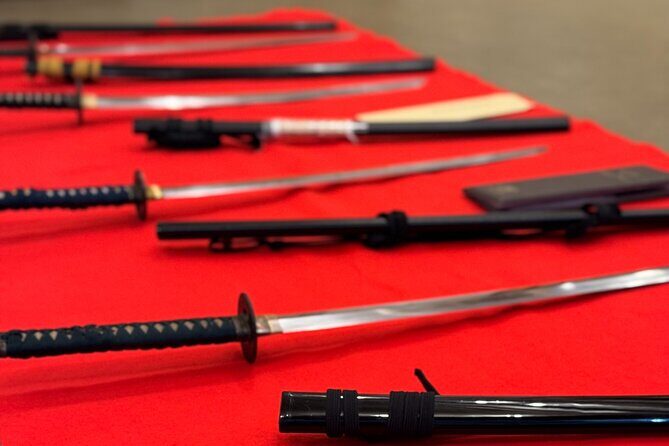
You’ll have Shogo from Let’s Ask Shogo with you as the translator and guide. He’s not just there as a personality. He has 10+ years of Iai (katana budo) experience and a huge following, which usually means he’s spent a long time learning how to explain complex sword topics clearly.
You’ll also work with the dojo’s instructor, Yushin Sensei, a kenjutsu teacher who trains over 20 students. That matters because you’re not only hearing about swords. You’re seeing how the training world thinks about blades—how they’re handled, discussed, and cared for.
In practice, translation is a big deal here. Sword terms can be technical, and tiny details often matter. Having Shogo in the room helps you ask better questions and understand the answers right away.
Where the session starts and how it actually feels
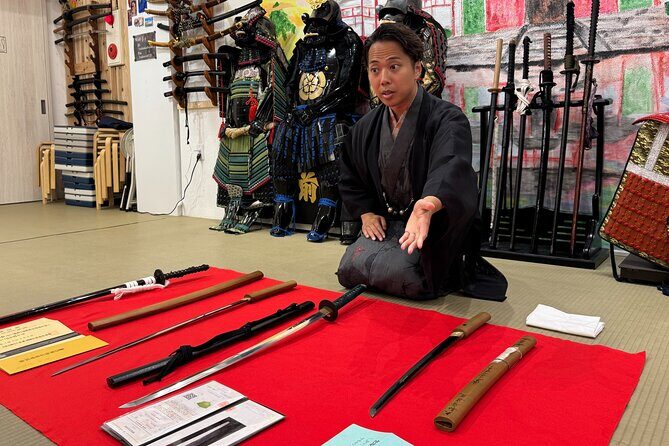
The meeting point is 452-2 Matsugaechō, Nakagyo Ward, Kyoto. From there, the experience stays efficient. It’s a private activity, so it’s just your group (up to 10 people), not a mixed crowd.
Because the time window is tight, you’ll get more out of the session if you come with a clear idea of what you’re hoping to learn—or what you want your katana to do for you. The experts can guide you to a match, but you still need to communicate your goals.
Also, the experience uses a mobile ticket, so plan on having that available on your phone. It’s a small thing, but it prevents that last-minute scramble right when you’re trying to focus.
The one-hour itinerary: from dojo entrance to blade selection
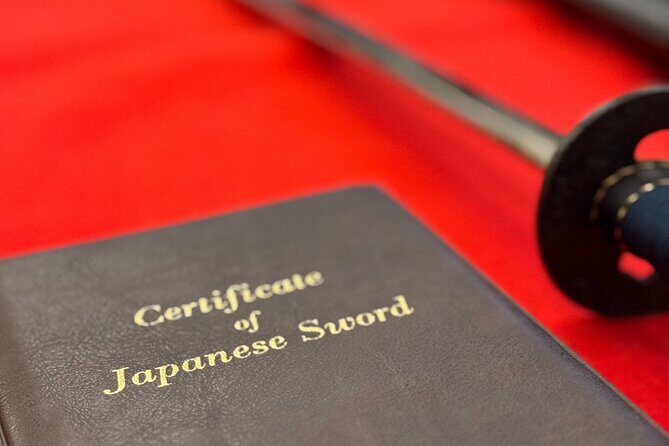
Even without a long walking route, there’s a clear flow to the visit. Expect to be brought into the dojo setting and introduced to how the master thinks about blades.
Here’s the most useful way to picture the hour:
First, you get the cultural and technical framing. Shogo helps you connect what you’re seeing to real use—especially the kind of thinking that comes from Iai and kenjutsu training. This isn’t just about history as trivia. It’s about purpose, handling, and how a blade earns trust.
Next comes the actual shopping element. The master and team hand-select the katanas you get to look at. Some blades are described as hundreds of years old, and even very old examples (including swords crafted over 600 years ago) are part of what may be shown to the right buyer.
Then the focus shifts to you. You should expect a back-and-forth about what you’re looking for and what kind of katana makes sense for your interests. In strong sessions, the guidance becomes specific—talking about parts like the fuchi, kashira, and menuki and how personal preferences can line up with details you might care about.
Finally, you end with takeaways about care and preservation. A good katana purchase is only half the job. Knowing how to store and maintain the blade properly is the other half, and that part is taken seriously here.
What makes the blade selection different (and why it’s worth paying for)
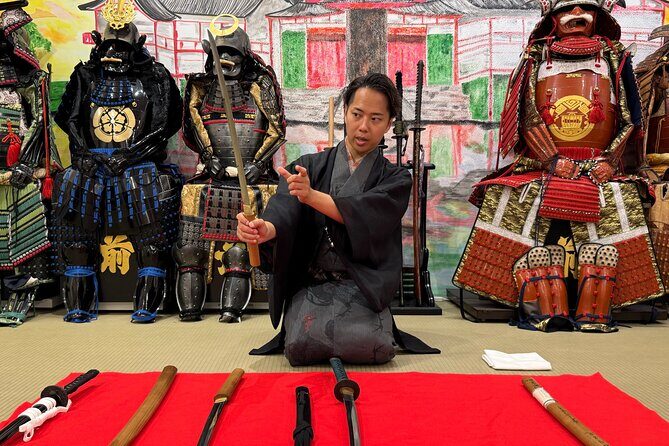
A lot of sword shopping is basically sales pressure with product photos. This session aims to flip that. The master handpicks blades rather than putting every option on a table and hoping you sort it out.
That approach helps you in two ways:
1) You spend time on blades that fit the discussion.
2) You reduce the risk of being led toward a flashy choice that doesn’t match your real goals.
The key is that the experts talk through authenticity and preservation thinking, not just blade appearance. If you’ve ever seen how confusing sword terminology can be, you’ll appreciate that the session is structured to reduce misunderstanding.
Value check: the tour price is $65.32 per group (up to 10) for about an hour. That cost is low compared to the kind of personal attention you’re getting—especially with a translator and a dojo master involved. The real value isn’t that you’re paying for a blade. It’s that you’re paying to avoid costly mistakes and get clearer guidance if you do decide to buy.






This is not for casual gawking: the buying-minded rule
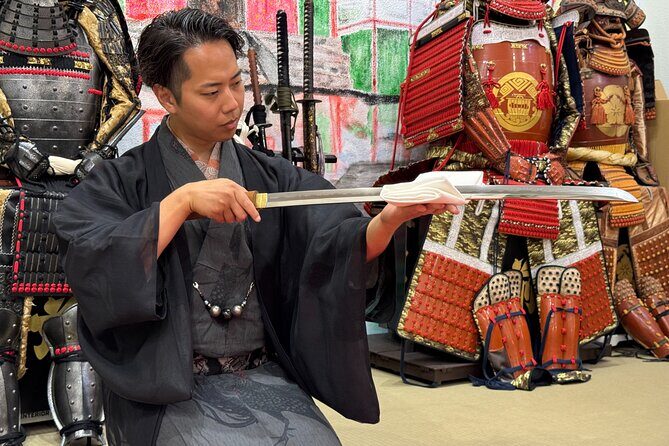
The biggest planning note is simple: this experience is meant for people who are seriously considering purchasing a Japanese katana. The session explicitly asks you not to book if your only goal is meeting Shogo or just looking around.
That might sound strict, but it’s practical. When a dojo and expert guide time are involved, the conversation can be sharper and more decision-focused. If you don’t intend to buy, the experience may feel like you’re missing the point.
So ask yourself: do you want help understanding what a good katana means for your needs? If yes, this fits well. If you only want photos and general browsing, you might be happier elsewhere.
What you should bring: questions that make this worth it
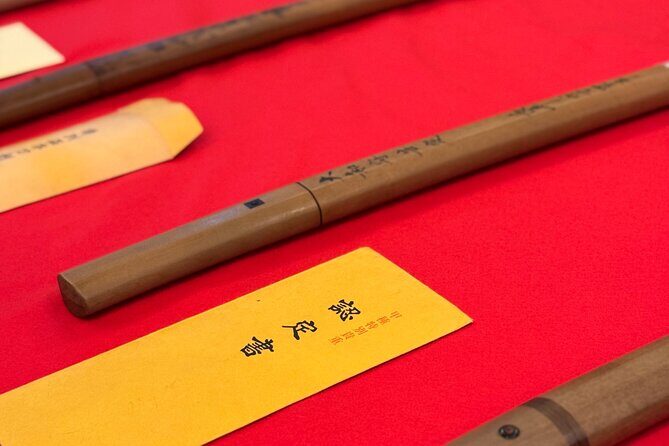
Because the time is short, your questions matter. I’d come prepared to answer a few basics, even if your answers are still evolving.
Helpful questions to think about beforehand:
- What’s your interest level—collector focus, training focus, or both?
- What kind of feel are you drawn to (visual details and overall style), even if you’re not sure how to describe it yet?
- What matters most: craftsmanship details, fit, maintenance ease, or historical aura?
One review-related detail that shows how personal this can get: in at least one strong experience, the guidance connected design elements like the fuchi, kashira, and menuki to personal preferences, even mentioning a zodiac-sign style fit. That’s exactly the kind of specific match-making you should expect if you show the experts what you care about.
How maintenance and preservation fit into your purchase decision
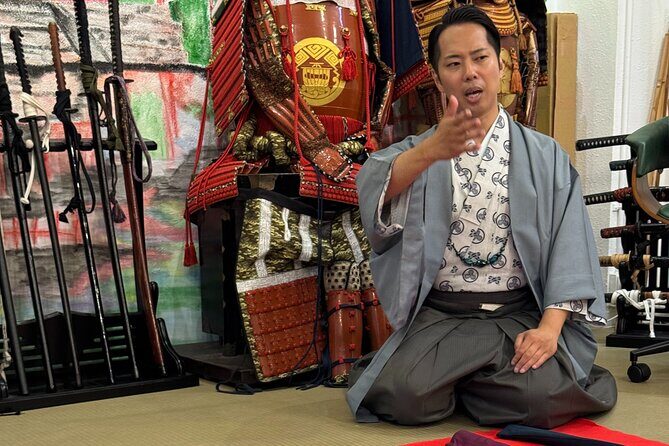
You’re not just buying a blade; you’re taking responsibility for it. The session includes education on maintenance and preservation, and that’s a major value driver because it protects your future investment.
This matters because katanas require care to stay in good shape. If you buy without understanding storage, handling, and upkeep, you can end up with avoidable problems. Having guidance before you commit is the difference between excitement and future regret.
The tone also tends to be practical. The experts don’t just list facts. They explain enough that you can picture what owning a blade will actually involve.
Payment, shipping, and follow-through (what to expect if you buy)
If you end up purchasing, you should expect a more complete process than a simple tourist stop. One key point from experience-based accounts: the team can handle payment authorization issues and still keep things moving with patience. That’s reassuring because international purchases can hit friction points, and you don’t want the process to stall after you’ve made a decision.
There’s also mention of follow-up after purchase, including updates up to arrival. If you’re thinking about a purchase that needs shipping to the US, this kind of communication quality is worth your attention.
Who this katana dojo session is perfect for
This is for you if:
- you’re serious about purchasing a katana and want real expert screening
- you want translation so you can understand what matters (and why)
- you prefer a structured, training-minded approach over a casual store experience
It’s also a great fit if you’re a collector who wants authenticity and preservation context. And if you practice or plan to study Iai or kenjutsu, being in a dojo environment makes the discussion feel grounded.
If you only want to meet a creator or browse for general interest, step back. The experience is designed to answer decision questions, not just satisfy curiosity.
Price and value: what $65.32 buys you in Kyoto
Let’s be honest: $65.32 for a dojo-led, expert-guided katana session sounds like it’s either a bargain or missing something. In this case, the bargain is the guidance itself.
You’re paying for:
- access to a private dojo environment
- a martial arts expert who selects and explains blades
- Shogo’s translation and decision-support role
- a compact, focused one-hour window that respects your time
The expensive part of katana ownership, of course, is the sword itself. The tour fee is about putting you in front of the right information and reducing the odds of a poor match.
So if you’re considering a purchase, this fee can function like “decision insurance.” You’re not just spending money. You’re buying clarity.
Should you book this Kyoto katana session?
Book it if you’re prepared to buy—or at least you’re actively deciding whether you should. The dojo setting, the hand-selected blades, and the presence of Shogo and Yushin Sensei make it a real, guided route into a complex purchase.
Don’t book it if you want a casual look. This isn’t built as a hangout or a photo stop. The experience is strict by design, and the best moments happen when you come with real buying intent.
If you’re on the fence, here’s my practical test: if you can describe what you want your katana to represent—collector piece, training tool, personal connection—then you’re ready for this kind of guidance.
FAQ
What happens during the katana shopping session?
You’ll visit a private Kyoto dojo where kenjutsu is practiced and taught. You’ll be guided by the martial arts expert, with Shogo helping as your translator and shopping guide, and you’ll look at hand-selected katanas.
How long is the experience?
It’s about 1 hour (approximately).
Is this a private tour?
Yes. It’s private, and only your group participates (up to 10 people).
Who are the guides during the session?
Shogo from Let’s Ask Shogo will translate and guide. The dojo is led by Yushin Sensei, who trains over 20 students in Kenjutsu.
Is it okay if I just want to look at katanas or meet Shogo?
No. The experience is strictly intended for people seriously considering purchasing a Japanese katana, not for meeting Shogo or simply looking.
What is the cancellation policy?
Free cancellation is available if you cancel up to 24 hours in advance for a full refund. If you cancel less than 24 hours before the start time, the amount paid is not refunded.
If you want, tell me your budget range and whether you’re buying for collecting or training, and I’ll suggest how to frame your questions for the best results in that one hour.