REVIEW · OSAKA
Osaka: Full-Day Private Guided Tour of the Historical City
Book on GetYourGuide →Operated by Nara Guide · Bookable on GetYourGuide
Osaka’s past meets its present in one day. This private historical route stitches together Shinto and Buddhism, then brings you to samurai-era walls and a distinctly retro neighborhood, all paced with guided walks and public transport. I like that it’s not just “see a place, move on,” it’s also about how the city’s beliefs and power structures shaped what you’re looking at today.
Two things I really appreciate: the way the itinerary connects religion and politics (from shrine to temple to castle), and the practical help from the guide—Mouloud is especially good at taking time to answer questions, plus advising on ticket purchase and train logistics. One consideration: you’ll cover a lot on foot, so wear comfortable shoes and expect a few extra paid items along the way.
In This Review
- Key highlights at a glance
- A private Osaka day that ties religion to power
- Sumiyoshi-taisha: 1,800 years of Shinto tradition (2 hours)
- Shitennoji Temple: Buddhism takes root in Osaka (2 hours)
- Osaka Castle: medieval walls and samurai-era lessons (2 hours)
- Shinsekai and Tsutenkaku: retro Osaka in a 1970s mood (time built into the day)
- Price and logistics for a $225 private day
- What the guide actually adds (Mouloud is a standout)
- How to prepare: shoes, timing, and questions to bring
- Who this Osaka tour is best for
- Should you book the private historical Osaka tour?
- FAQ
- How long is the Osaka full-day private guided tour?
- What is the price per person?
- Where does the tour start and finish?
- What sites are included in the itinerary?
- Which costs are included in the tour price?
- What extra fees should I expect?
- What languages is the guide available in?
- Is the tour wheelchair accessible?
- What’s the cancellation policy?
Key highlights at a glance
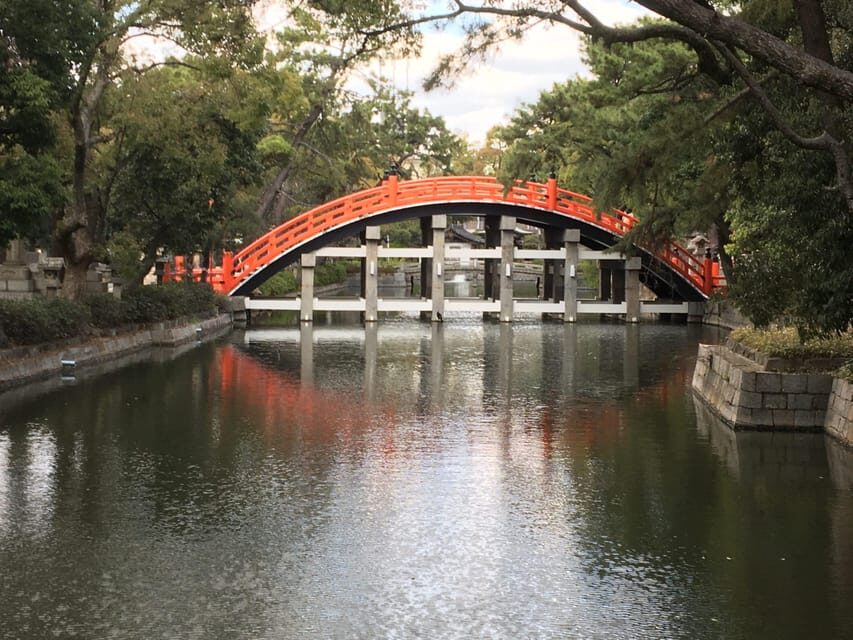
- Sumiyoshi-taisha Shinto Shrine (1,800 years): classic architecture with deep historical weight
- Shitennoji Temple (since 593): an early Buddhist landmark you can’t really skip for context
- Osaka Castle: samurai-era history explained in a real, walkable setting
- Shinsekai and Tsutenkaku: 1970s-style nostalgia that feels like a time capsule
- A private guide who handles the questions: Mouloud’s calm, helpful answers add real value
- Wheelchair accessible: the tour is set up to work for mobility needs
A private Osaka day that ties religion to power
Osaka is a city with a double personality: it has modern life all over it, but it also keeps old stories visible if you know where to look. This full-day private tour gives you that “now I get it” feeling because it moves in a logical sequence: spiritual beginnings, then religious influence, then military/political power, and finally a neighborhood that shows how the city remembers itself.
You’ll spend about 8 hours going on foot between major sites, with public transport connecting the bigger jumps. That matters because Osaka’s layout makes “sightseeing by train” the normal way to get around, and doing it with a guide saves you time and confusion. You also get a private-group pace, so you’re not pushed through like you’re in a conveyor belt.
The other big theme is how religion and politics connect. You’ll walk into a Shinto shrine, then into one of the early centers of Buddhism in Japan, and then into a castle built around power and defense. You might not leave with a memorized timeline, but you will come away with a clearer sense of why certain places had influence—and why Osaka grew into what it is.
You can also read our reviews of more guided tours in Osaka

Sumiyoshi-taisha: 1,800 years of Shinto tradition (2 hours)
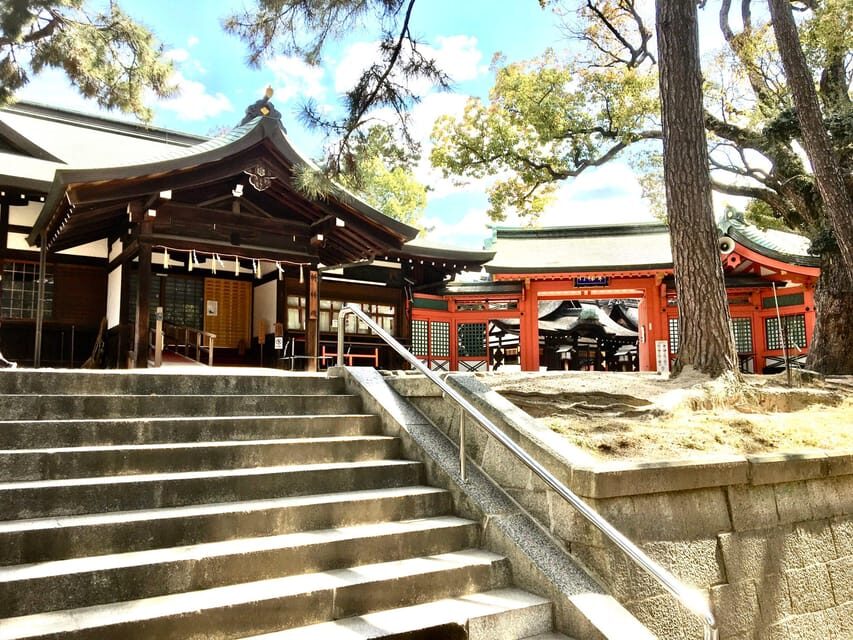
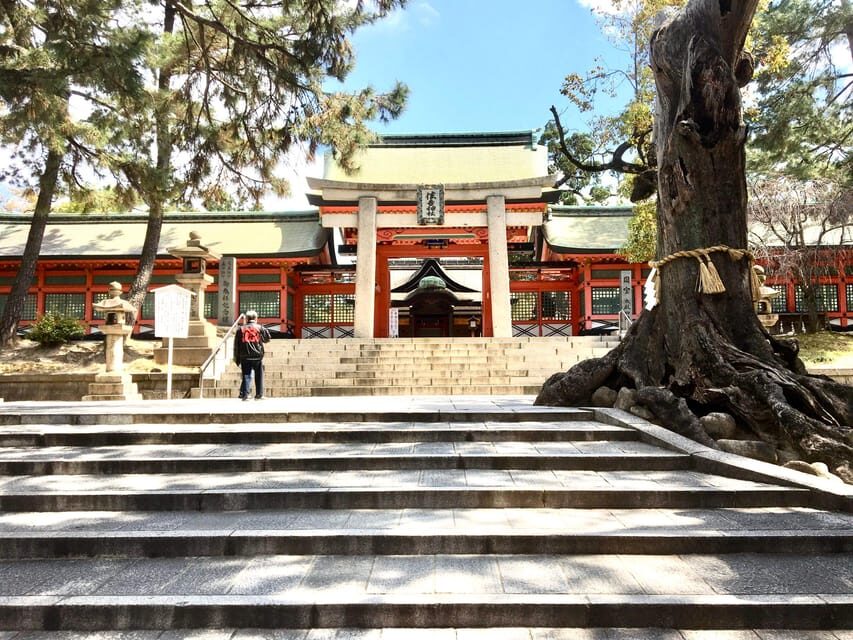
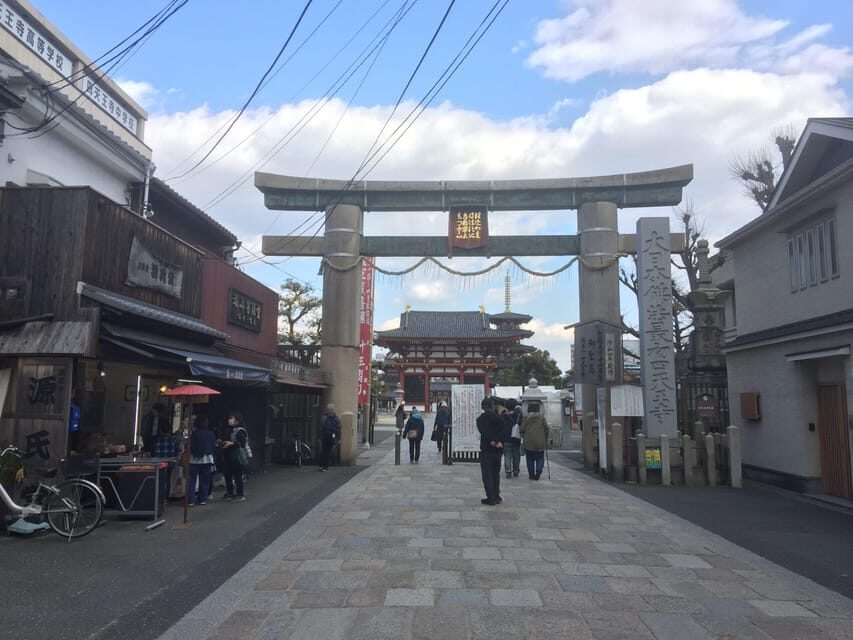
The tour starts at Sumiyoshi-taisha, a Shinto shrine with about 1,800 years of history. This is a great first stop because it sets the tone: before you zoom into medieval castles or pop-leaning neighborhoods, you get a foundation in the spiritual side of Japan that still shapes daily life.
What I like about this stop is how it’s presented through architecture and atmosphere. You’ll get to admire traditional Japanese design elements and learn what makes the site meaningful beyond the postcard view. The walking time here is about 2 hours, so it’s not a rushed peek. It’s enough time to notice details and ask questions—especially useful if you’re not already deep into Shinto basics.
A practical note: shrine grounds often involve steady walking on uneven or textured surfaces. If your plan is to do this tour, treat the first stop as part of your “warm-up,” not a chance to save energy. Also, be ready for quiet, respectful behavior—this is an active religious place, not a museum set.
Shitennoji Temple: Buddhism takes root in Osaka (2 hours)
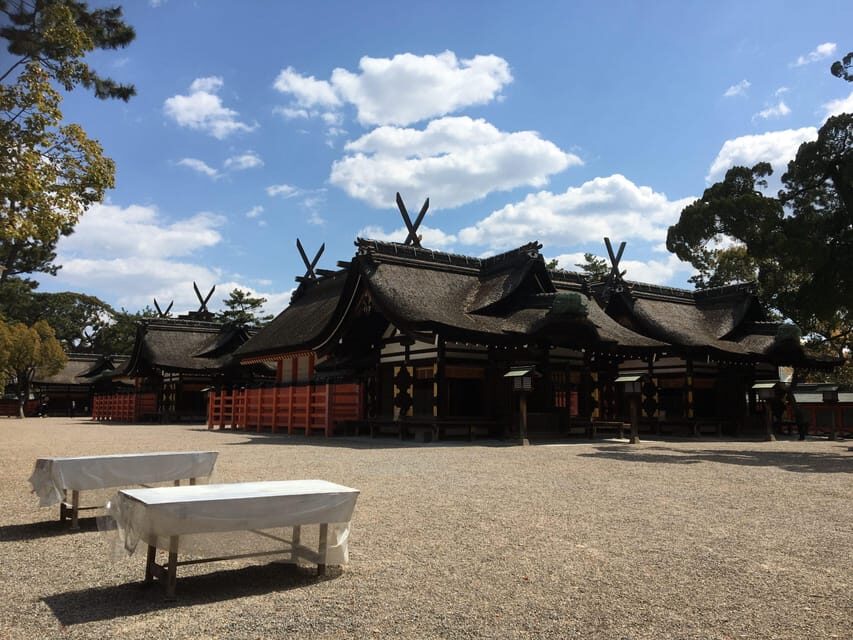
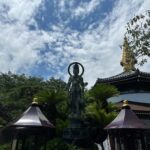
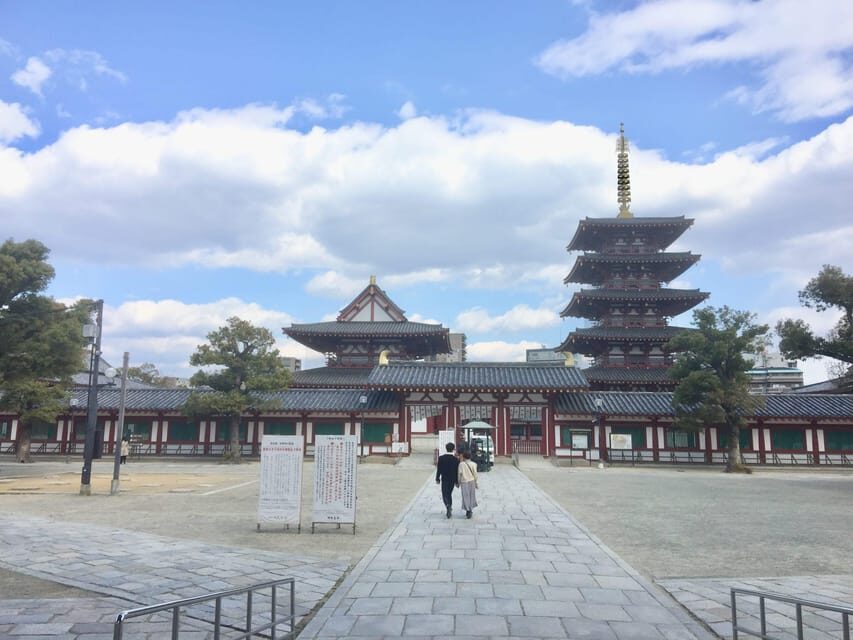
Next comes Shitennoji, dating to 593, which makes it a landmark for understanding Buddhism’s arrival and spread in Japan. This is a key reason the tour is especially good for history lovers: you’re not just seeing an old building—you’re stepping into one of the places that represents how a major religion landed and then grew roots.
The tour includes guided time and about 2 hours of walking here. That guided element matters because temples can feel overwhelming if you’re staring at architecture without context. You’ll get help connecting what you see with why it matters—so the site clicks rather than just impressing you in a generic way.
There’s also a practical cost to remember: the Shitennoji Temple fee is around 200 JPY per person and isn’t included. It’s not likely to break your day budget, but it’s worth having some cash or card flexibility so you don’t have to scramble mid-tour.
One more consideration: the temple stop can be emotionally and visually intense in a calm way—there’s often a reverent mood. If you prefer fast, loud sightseeing, this is still doable, but you may find yourself slowing down naturally. That’s not a downside; it’s part of why this itinerary works.
Osaka Castle: medieval walls and samurai-era lessons (2 hours)
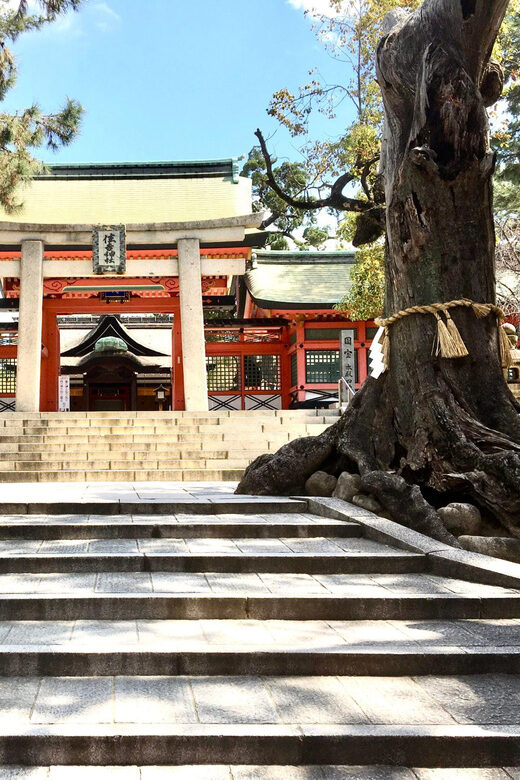
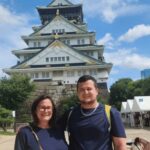
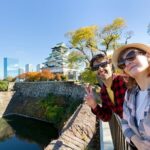
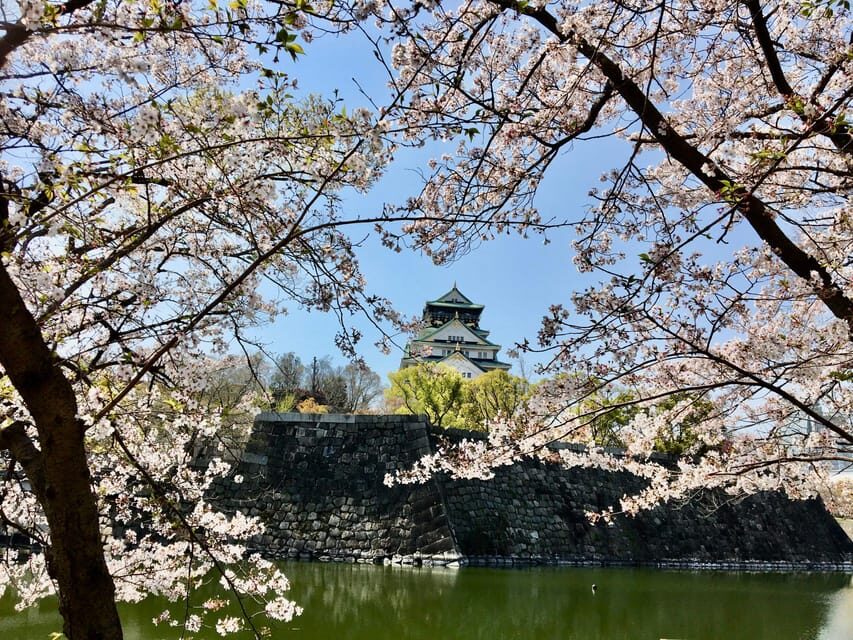
Then you hit Osaka Castle, described as a medieval castle dating from the late 16th century. This stop shifts the tone from spiritual foundations to power and defense. Castles in Japan aren’t just impressive structures; they’re built around strategy, authority, and control—so they’re a strong final anchor for the tour’s religion-to-politics arc.
The itinerary gives you about 2 hours here with guided touring and walking. I like that the time is long enough to understand the castle’s role instead of just taking a “standing in front of a big landmark” photo. You can learn how Japanese samurai-era history ties into the castle’s purpose, and you’ll see how power was visualized in architecture.
One thing to plan for: castle areas typically involve stairs, walking paths, and open spots where the weather hits you. The right strategy is simple—check the forecast, wear supportive shoes, and keep water in mind. If you’re doing the day in summer or humid weather, build in the reality that even “short” walks feel longer around major historical complexes.
The value of having a guide here is huge. Without context, a castle is just a strong silhouette. With context, it becomes an explanation of how the city thought about power and protection.
Shinsekai and Tsutenkaku: retro Osaka in a 1970s mood (time built into the day)
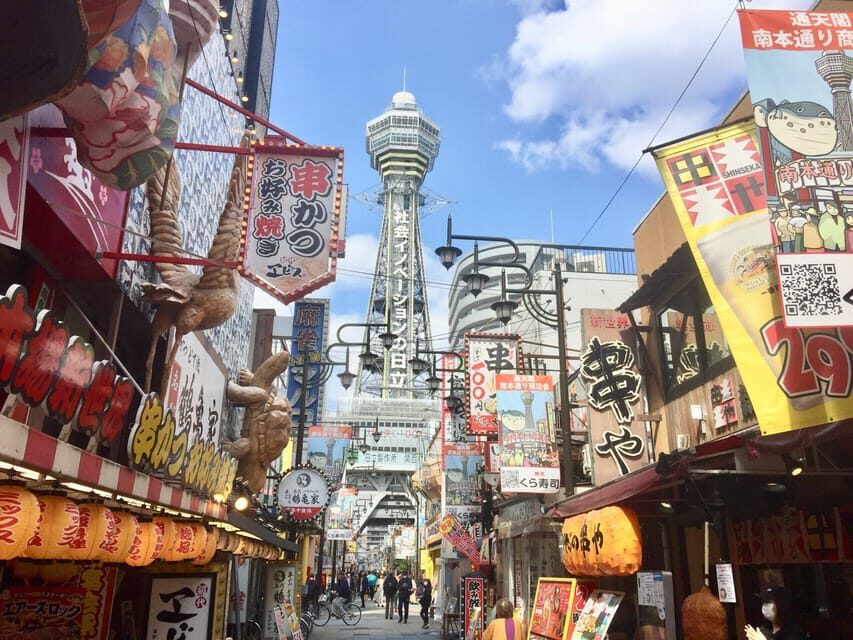
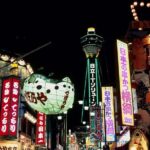
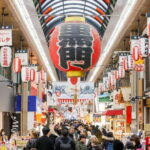
After the heavy history stops, the tour heads to Shinsekai, a district with a retro atmosphere. The centerpiece is Tsutenkaku Tower, and the vibe here is described as nostalgic—tied to a 1970s feel.
This part of the day is important because it prevents the tour from becoming a pure “old Japan” museum run. Shinsekai gives you a different Osaka language: the city remembering itself in street-level style—signs, shapes, and that slightly time-worn charm that’s easier to feel than to explain.
The tour includes guided time and walking here as well, helping you connect the retro visuals to Osaka’s identity rather than treating it as a theme park. If you enjoy street photography, casual wandering, or learning how cities reinvent their own memories, you’ll probably like this segment a lot.
A practical reminder: after several structured sites, Shinsekai can feel like a breather. Still, it’s not “sit down.” Keep your energy for the walking. And if you want to add extra eating or snacks, plan lunch expectations earlier—because lunch isn’t included, and you’ll likely want to time your meal around the day’s flow.
You can also read our reviews of more city tours in Osaka



Price and logistics for a $225 private day
The price is $225 per person for an 8-hour private guided tour. For Osaka, that’s solid value if you add up two things: a full-day private guide and a structured route that includes multiple major sites without you doing the mental math of train transfers and timing.
But here’s the real-world breakdown. The tour includes the guide and guide fee, while you pay a few key extras separately:
- Transport fee: around 2,000 JPY per person
- Shitennoji Temple fee: around 200 JPY per person
- Lunch fee: around 2,000 JPY per person
So the true cost ends up being a bit more than the headline price once you account for local transit and a meal. Still, you’re paying for someone to plan the day, walk with you, and translate the meaning of what you’re seeing (in French, English, or Japanese). That’s the part that tends to be worth it, especially if you’re short on time or you don’t want to spend your day figuring out where to go next.
Also, pickup is in Osaka, and the day finishes at Ebisucho Station. That finish point is useful because it’s tied to how you’ll keep moving through the city afterward. It’s one of those details that makes the day feel smoother.
Cancellation is offered with a full refund up to 24 hours in advance, and there’s a reserve-and-pay-later option. That gives you some flexibility if your plans shift.
What the guide actually adds (Mouloud is a standout)
The difference between a “tour” and a “guided experience” is often the questions. In this case, the guide can handle both the big-history parts and the practical ones.
Mouloud, for example, is noted for being helpful not just with the itinerary, but also with advice about other activities and the mechanics of getting things done—like how to purchase tickets and how to manage train traffic. That kind of support is gold because it prevents the day from turning into guesswork.
Another strength: the guide takes time to answer questions. That matters at stops like Sumiyoshi-taisha and Shitennoji, where people often have the same instinct—What am I seeing? Why is it arranged this way? What’s the meaning of this style? A good explanation turns confusion into clarity fast.
Since it’s a private group, you can also set the tone. If your group wants more walking and fewer breaks, you can generally match the pace. If you need extra time to ask questions or pause for views, that’s easier than in a large group.
Language-wise, you get French, English, or Japanese, which is a huge comfort when you’re trying to follow nuance. History and religion have lots of terms, and translation quality can make or break your enjoyment.
How to prepare: shoes, timing, and questions to bring
Because it’s a full-day plan with multiple walk-heavy stops, your preparation should be simple and practical:
- Wear good footwear (you’ll be walking at every main stop)
- Bring water and plan for weather changes between shrine grounds, temple areas, and open castle spaces
- Have a rough mindset that some costs come later (transport, the Shitennoji fee, and lunch)
For questions, come with curiosity. Even one or two helps the guide steer the day toward what you care about. You can ask things like:
- How did religious influence shape political authority in Osaka?
- What architectural cues should I notice at Shinto versus Buddhist sites?
- Why does Osaka Castle matter for samurai-era understanding?
If you’re traveling with mobility needs, the tour is wheelchair accessible. You’ll still want to plan for outdoor movement and the general pace of walking, but it’s designed with accessibility in mind.
This tour also fits well if you like a clear structure but don’t want a rigid checklist. You’ll see major icons, and you’ll also get that connective tissue between them.
Who this Osaka tour is best for
This is the right choice if you:
- Want a history-and-identity day rather than random sightseeing
- Like mixing spiritual sites with political/military history
- Prefer a guide who explains, not just one who points
- Enjoy ending with a neighborhood that shows how Osaka remembers itself (Shinsekai)
It might be less ideal if you:
- Want minimal walking or a mostly seated day
- Prefer free-form exploration with no structured stops
- Don’t want to pay extra for transit, temple entry, and lunch
The sweet spot is a comfortable traveler who wants to understand Osaka quickly, with real context, while still seeing the city’s everyday vibe.
Should you book the private historical Osaka tour?
If your goal is to make one day count—connecting Shinto roots, early Buddhism, samurai-era power, and a retro district that feels unmistakably Osaka—this private tour is a strong bet. The biggest reason is the combination of major sites plus guided meaning, not just sightseeing.
I’d book it if:
- you’re the kind of traveler who likes learning why places matter
- you appreciate having someone handle the route and timing
- your group wants a private pace and space for questions
Wait on booking if you only want “top photo spots” with no interest in context, or if your schedule can’t handle a full 8-hour, walking-first format. But for most visitors with limited time, this is a clean, structured way to see Osaka’s layers without getting lost.
FAQ
How long is the Osaka full-day private guided tour?
It lasts 8 hours.
What is the price per person?
The price is $225 per person.
Where does the tour start and finish?
Pickup is in Osaka, and the tour finishes at Ebisucho Station.
What sites are included in the itinerary?
The tour includes Sumiyoshi-taisha, Shitennoji, Osaka Castle, and Shinsekai.
Which costs are included in the tour price?
Included are the guide and the guide fee.
What extra fees should I expect?
You should budget about 2,000 JPY for transport per person, about 200 JPY for the Shitennoji Temple fee per person, and about 2,000 JPY for lunch per person.
What languages is the guide available in?
The guide is available in French, English, and Japanese.
Is the tour wheelchair accessible?
Yes, it is wheelchair accessible.
What’s the cancellation policy?
You can cancel up to 24 hours in advance for a full refund.