REVIEW · KYOTO
Kyoto Early Riser Platinum One-Day Walking Tour
Book on Viator →Operated by KAMNAVI Tours · Bookable on Viator
Start Kyoto before most people wake up. This early-riser day pairs the city’s biggest icons, like Fushimi Inari and the Golden Pavilion, with a schedule built to dodge some of the worst crowds and heat. I also like the private setup, because you’re not just shuffled along—you get guidance and pacing that fit your group.
The guide part is where this tour really earns its keep. I loved hearing how guides like Gigi will spot interests fast and help you move from sight to sight without feeling lost, and how Meg even brought hand warmers because mornings can feel sharp.
One consideration: the day is packed, and you’ll use a fair amount of public transportation between neighborhoods. If you’re the type who wants long, slow time at just one place, the transit rhythm could feel a bit tedious—and you’ll want to budget the extra entry and ride costs.
In This Review
- Key points to know before you go
- Entering Kyoto early: why the morning schedule works
- Fushimi Inari-taisha: the torii tunnel without the crush
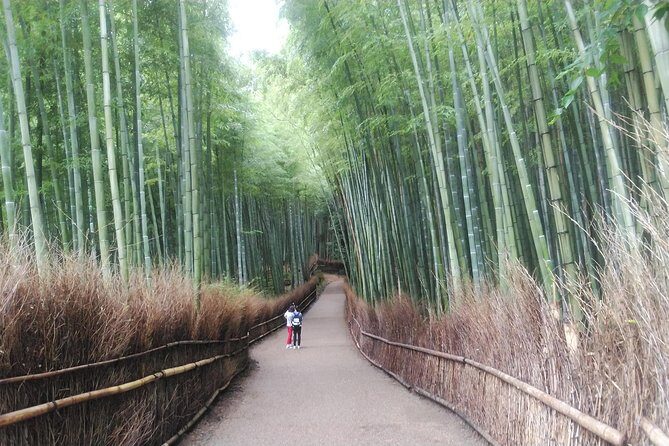
- Bamboo Forest Street: walk slowly in the green hush
- Kinkakuji Temple: the Golden Pavilion stop you actually pay for
- Kitano Tenmangu Shrine: prayers for academics, a calmer vibe
- Kamishichiken Kaburenjo: the geiko-maiko world at human scale
- Nishiki Market: shopping and snacks with a real purpose
- Price and logistics: what you’re really paying for
- How the guides shape your day (and why names matter)
- Timing and pacing: can you handle 8 hours?
- Weather matters: what to do if Kyoto is gray
- Who this tour suits best
- Should you book this Kyoto Early Riser Platinum tour?
- FAQ
- How long is the Kyoto Early Riser Platinum one-day walking tour?
- Where does the tour start and where does it end?
- What’s included in the tour price?
- What extra costs should I expect during the tour?
- Is this tour private or shared with other groups?
- How much walking is involved?
- Is the tour suitable for people with limited mobility or limited eye sight?
- What happens if the tour is canceled due to weather?
Key points to know before you go
- Early timing strategy: you start with the classic Kyoto must-sees before the day fully heats up.
- Private, guide-led pacing: you get professional guidance and picture-friendly help along the route.
- Big-name highlights, but not just photos: shrines, a bamboo walk, Kinkakuji, and a market stop all fit into one run.
- Kinkakuji and transport are extra: plan for the ¥500 admission fee and about ¥1,700 per person for public transport.
- Expect walking: it’s not a sit-and-stare day, and it’s not stroller accessible.
- Bring the right transit mindset: a Suica-type card can save you from counting change mid-day.
Entering Kyoto early: why the morning schedule works
Kyoto can feel like a giant waiting line if you show up late. This tour tackles that with an early start, so your first big stop lands while streets are still less crowded and the day’s temperature hasn’t fully climbed.
The “why” matters. When you arrive early at places like Fushimi Inari, you can actually take in the atmosphere instead of squeezing through it. And when you later hit Kinkakuji, you’re not so wiped out from a long day of heat that the Golden Pavilion becomes just another quick photo.
This is a one-day loop built for first-time visitors who want structure. You get a classic set of cultural sights plus the kind of neighborhood texture that’s hard to assemble on your own without burning half a day figuring out transit and timing.
You can also read our reviews of more walking tours in Kyoto

Fushimi Inari-taisha: the torii tunnel without the crush
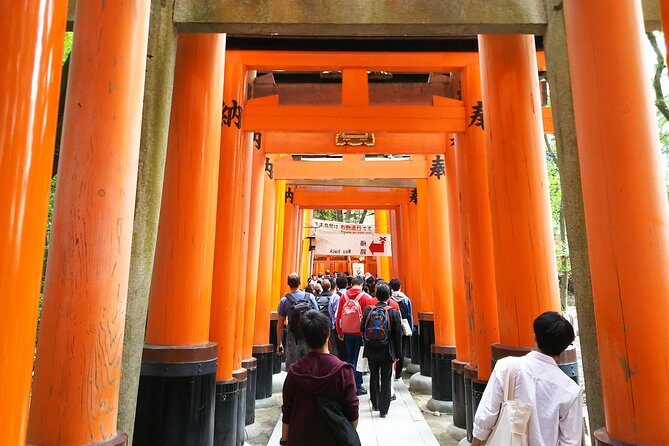
Fushimi Inari-taisha is the Kyoto stop you picture before you even land in Japan. You’ll walk into the famous tunnel of thousands of vermilion torii gates—offered over time by worshippers wishing for good fortune from the deity enshrined there.
This is one of those places where the guide helps more than you’d think. The gates are visually repetitive in the best way, but it’s easy to miss the subtle meanings and the flow of the space if you’re just snapping pictures. With a guide, you get a clearer sense of what you’re seeing and where to pause for the best views.
You’ll also get a full hour here. That’s enough time to do the main stretch, enjoy the scene, and still keep energy for the next stops. Since it’s one of the most famous sites in Japan, that early timing is the whole deal.
Bamboo Forest Street: walk slowly in the green hush
Next comes Bamboo Forest Street, and the point here isn’t speed—it’s feeling. The bamboo grove has that unmistakable soft light and the calm sounds you associate with Japan’s more serene scenes. The description of subtle green hues and sun slanting through is spot-on, and you can hear the leaves rustle and trunks creak as you walk.
You’ll have about 1 hour 10 minutes. That’s the sweet spot for bamboo: long enough to enjoy the rhythm of walking, not so long that you start feeling like you’re in a theme-park loop. If you’re coming from the torii gates—where everything is bright red and busy—bamboo offers a reset.
Here’s a practical tip for getting more out of this stop: if you like photos, ask your guide about where to linger for the light and angles. Guides like Gigi in particular have been praised for helping people nail picture moments without getting stuck in the least flattering spots.
Kinkakuji Temple: the Golden Pavilion stop you actually pay for
Then you’ll head to Kinkakuji, the Zen temple icon most people come to see for one reason: the Golden Pavilion. Expect it to be popular—this isn’t a quiet hidden place—but that’s also why your timing and your guide matter.
You’ll get around 50 minutes at Kinkakuji. That’s a solid amount of time for seeing the pavilion area, absorbing the layout, and grabbing photos without turning the visit into a frantic sprint. The admission fee is not included, and it’s ¥500 per person, so factor that into your total day cost.
Also, think of Kinkakuji as both a visual and cultural stop. Even if you’ve seen pictures, being there in person gives you scale—the way gold-toned surfaces catch light—and it helps the Zen temple setting click as more than a postcard.
Kitano Tenmangu Shrine: prayers for academics, a calmer vibe
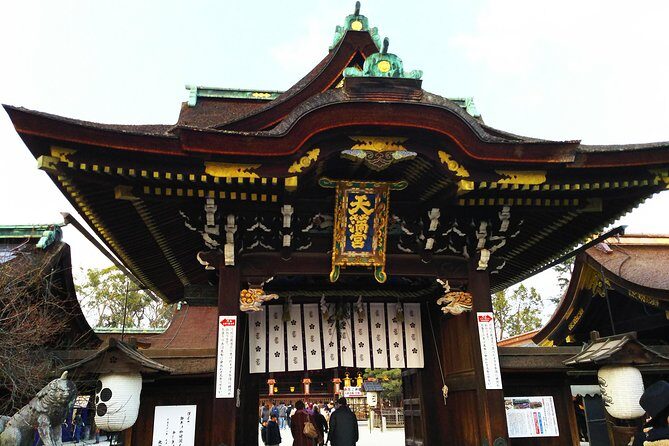
Kitano Tenmangu Shrine is a different kind of Kyoto stop: shrine energy focused on learning and exams. The shrine was built in 945 and enshrines Sugawara no Michizane, who’s known as a deity of academics. Many students come here to pray for successful examination results, and the guide can help connect that modern-day devotion to what you’re seeing.
You’ll spend about 30 minutes here, and that short window is helpful. Tenmangu isn’t just a place to pass through—it gives you context for how Kyoto spiritual life ties to everyday hopes. It also tends to feel a touch less chaotic than the most famous torii-and-bamboo crowd scenes.
If you want Kyoto culture that’s meaningful but not overwhelming, this is a great middle stop. You’ll have time to notice details and still stay on track.
Kamishichiken Kaburenjo: the geiko-maiko world at human scale
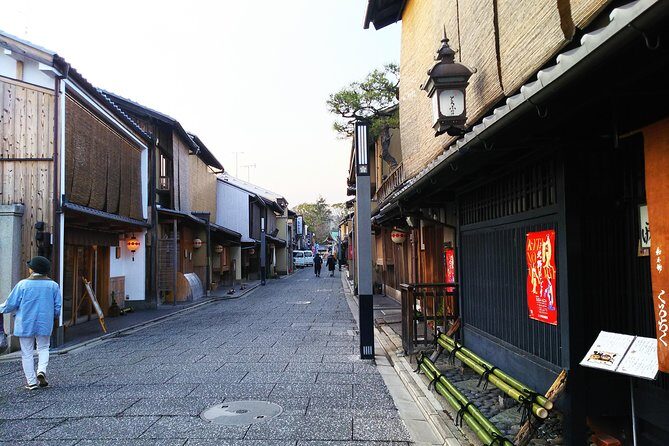
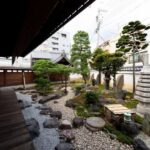
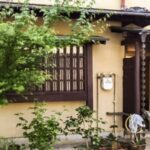
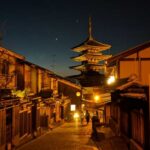
Right next to Kitano Tenmangu, you’ll visit Kamishichiken Kaburenjo Theatre. This area relates to Kyoto’s hanamachi tradition—Kyoto’s geisha districts. Kamishichiken is one of those districts, and it has fewer geisha houses and fewer geiko and maiko compared to some bigger names.
You’ll spend about 25 minutes. That’s perfect because you’re not trying to force a performance out of a district visit. You’re there to understand the place, see the atmosphere, and connect it back to what you’ve learned about Kyoto’s cultural systems.
I like these short culture stops because they add depth without hijacking your day. They also round out the big-ticket sights. Fushimi Inari and Kinkakuji can dominate your camera roll; Kamishichiken helps balance that with how Kyoto actually lives.
Nishiki Market: shopping and snacks with a real purpose
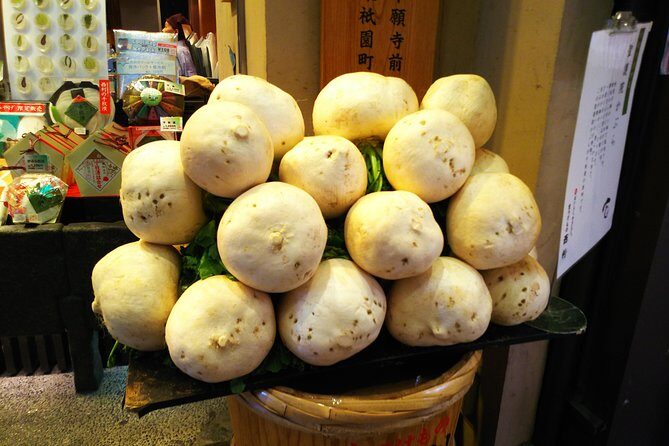
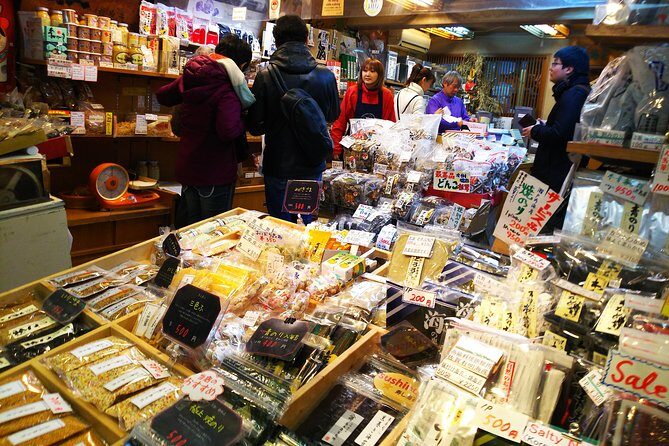
Finally, you’ll reach Nishiki Market Shopping District, the popular street of shops that’s been serving Kyoto locals for around 400 years. It’s a 390-meter stretch lined with about 126 shops, so yes—this is a place to browse.
The best part is that the market isn’t just shopping for souvenirs. You’ll find Kyoto-specific ingredients like vegetables and pickles, and there’s a chance to taste things along the way. It’s the kind of stop that makes the day feel lived-in.
You’ll have about 40 minutes here, which is enough time to sample a couple items, pick up a snack for the ride back, and still avoid losing the day to indecision. If you enjoy market wandering, this time box works. If you’re not a shopper, you can still use it for food and vibe.
Price and logistics: what you’re really paying for
The tour price is $130.79 per person, and it includes a professional guide. You’ll also get a mobile ticket, and the listing notes group discounts.
What’s not included is important:
- Kinkakuji admission is ¥500 per person
- Public transportation is ¥1,700 per person
So you’re not just buying the “walking.” You’re buying a guided route that strings together distant neighborhoods efficiently enough to fit into roughly 8 hours.
Is it good value? Usually, yes—especially for first-timers. The guide saves you from a lot of decision fatigue: where to go next, how long to linger, and how to connect the meaning behind each stop. Reviews also highlight guides adjusting to interests and pace, with lunch planning coming up as a strong perk for some groups.
The drawback is that you’re still traveling by bus/subway between areas. One review pointed out the transit can be tedious if connections aren’t what you expected, and that you really do want a Suica card. If you don’t have one, you might find yourself counting change at the wrong times, which is exactly how a nice morning turns into stress.
How the guides shape your day (and why names matter)
This tour is private, so guide personality and competence can make or break the experience. And the praise has been very specific about that.
- Gigi has been described as excellent at showing the great sights, setting up a lunch that works, and making sure the day matched the group’s interests. People also singled out his ability to capture photos well, which matters when you’re hopping between iconic scenes.
- Fuji-san was praised for making sure you see what you came for and for knowing scenic spots, plus explaining key details at each place.
- Seiyan/Seiya impressed people with the way transit became part of the experience, letting them walk and see neighborhoods rather than feeling stuck indoors all day. The lunch recommendation was also called out as delicious.
- Meg stood out for being thoughtful about cold mornings, including bringing hand warmers at the start of the tour.
That’s what you want from a guide: not just facts, but real-time attention. When the day is packed, guide skill helps you avoid rushing past the parts you actually care about.
Timing and pacing: can you handle 8 hours?
The route is built to fit multiple cultural landmarks plus a market into one long morning-to-afternoon block—about 8 hours. The stop times range from 25 minutes to 1 hour 10 minutes, which means you’ll be moving through Kyoto rather than settling in.
That pacing is great if your goal is:
- get your bearings fast
- see the top highlights in one day
- learn what you’re looking at while you walk
It’s less ideal if your goal is:
- lingering for hours in one place
- zero transit
- minimal walking
The tour also notes quite a bit of walking and that it’s not stroller accessible. If you’re traveling with mobility limitations, it says it’s accessible for limited mobility and limited eye sight, but the walking load still matters. If that’s you, plan on taking your time and consider how much walking you can comfortably do before the day starts.
Weather matters: what to do if Kyoto is gray
The tour requires good weather. If it’s canceled due to poor weather, you’ll be offered a different date or a full refund. That’s a practical heads-up because Kyoto can change quickly, and a day focused on outdoor walking is always more pleasant when the forecast cooperates.
If weather looks iffy, don’t panic. Just check your day-of plan and pack a light layer you can move in.
Who this tour suits best
I’d steer you toward this tour if you:
- are in Kyoto for a short time and want a strong overview
- want a guide to handle the “what goes where” so you can focus on the sights
- like walking neighborhoods, not just checking landmarks off a list
- want early timing so your mornings feel easier
This tour fits especially well for first-time Kyoto visitors. It hits the iconic trio of Fushimi Inari, bamboo, and Kinkakuji, then rounds out with shrines, a geiko-maiko district context, and Nishiki Market.
If you dislike public transit or want lots of free time at just one attraction, you may prefer a slower itinerary with fewer transfers.
Should you book this Kyoto Early Riser Platinum tour?
Book it if you want a guided, early-start day that concentrates Kyoto’s biggest cultural stops into one organized run. At $130.79 per person, you’re paying for a pro guide and smart route management, and the day’s value improves once you add how much context the guide provides at each place.
Skip or rethink it if you’re sensitive to transit and tight timing. You’ll pay extra for Kinkakuji and public transportation, and you’ll be walking quite a bit. In that case, you might prefer a multi-day plan with less switching between neighborhoods.
If you do book, bring a Suica-type transit card if you have one, wear shoes you trust, and treat the day like a set of chapters—torii gates first, calm bamboo next, Golden Pavilion with a full stop, then shrines and market to wrap things up. That mindset matches the tour’s rhythm and helps you get the most out of every hour.
FAQ
How long is the Kyoto Early Riser Platinum one-day walking tour?
It’s about 8 hours.
Where does the tour start and where does it end?
It starts at Kyoto Station Building 901 Higashishiokōjichō, Shimogyo Ward, Kyoto, 600-8216, Japan. It ends back at the meeting point.
What’s included in the tour price?
The tour includes a professional guide. It also uses a mobile ticket, and it notes group discounts.
What extra costs should I expect during the tour?
Kinkakuji admission is ¥500 per person and public transportation is ¥1,700 per person.
Is this tour private or shared with other groups?
It’s a private tour/activity, so only your group participates.
How much walking is involved?
There is quite a bit of walking, and it is not stroller accessible.
Is the tour suitable for people with limited mobility or limited eye sight?
The tour information says it is accessible for those with limited eye sight and limited mobility.
What happens if the tour is canceled due to weather?
The experience requires good weather. If canceled due to poor weather, you’ll be offered a different date or a full refund.