REVIEW · TOKYO
Tokyo: Daikoku JDM Car Culture Tour
Book on GetYourGuide →Operated by Kawaiinippontours · Bookable on GetYourGuide
Tokyo turns into a car movie at night. This Daikoku Parking Area tour is fun because it mixes real JDM car culture with big city views from the highway and bridges, all while you ride in a Toyota Velfire with local guidance from Mukarram. I especially love the guided context around what you’re seeing, and I also like how you get time to photograph the cars in the lot instead of just passing through. One thing to plan around: if pickup runs late, you can lose some of your best viewing time at Daikoku.
You’ll cross iconic routes like C1 Loop and the Wangan Highways, then take in Tokyo from angles that feel straight out of a game or a movie. It’s that mix—cars first, but Tokyo scenery always in frame—that makes this tour different from the usual sightseeing-only options.
In This Review
- Key Points You’ll Care About
- Tokyo’s Night Highways to Daikoku: Why This Tour Feels Different
- The one “maybe” to keep in mind
- Meet Your Ride: Toyota Velfire Pickup and the Comfort Factor
- Guide setup: English and Japanese
- Highway Highlights: C1 Loop, Wangan Highways, and Rainbow Bridge Views
- A quick reality check
- Daikoku Parking Area Stop: JDM Photos, Classics, and the Real Scene
- What to photograph (so you don’t just take random shots)
- Extra Stops and Tokyo Landmarks Like Tokyo Tower
- Why these added sights matter
- Guide Style and Car Culture Context: How Mukarram Changes the Day
- A note on group feel
- Price and Value: What $115 Really Buys You
- Who Should Book This Tour (and Who Should Think Twice)
- Tips to Make Your Photos Better and Your Night Smoother
- Should You Book the Tokyo: Daikoku JDM Car Culture Tour?
- FAQ
- How much does the Tokyo Daikoku JDM Car Culture Tour cost?
- What’s included in the tour price?
- Is food included?
- Do I need to bring anything?
- Are alcohol or drugs allowed?
- What language is the guide?
- Do you cross Rainbow Bridge during the tour?
- Is the tour suitable for pregnant women or people with back problems?
- Is it refundable if plans change?
- What’s the tour’s main car culture stop?
Key Points You’ll Care About
- Time at Daikoku Parking Area to actually see cars and get photos
- Highway driving sights with routes like C1 Loop and Wangan Highways
- Rainbow Bridge views plus landmark stops as the trip goes on
- A guide who can explain the car scene in English and Japanese
- Simple rules (no alcohol or drugs) that keep the experience respectful and smooth
- Hotel/accommodation pickup and drop-off that saves you from taxi math
Tokyo’s Night Highways to Daikoku: Why This Tour Feels Different
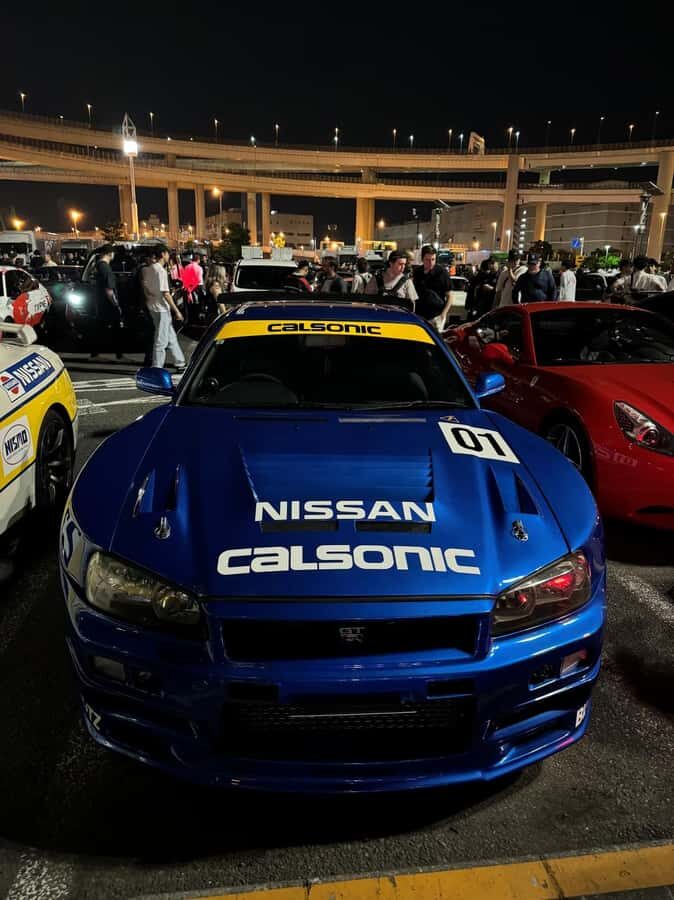
If you’ve ever watched Japanese car clips late at night, you already know the vibe: fast cars, big concrete roads, and a kind of community you can feel even when you don’t speak the language. This tour leans hard into that feeling. You’re not just staring at cars—you’re riding the same parts of Tokyo that car fans talk about, with a guide who helps you understand what matters.
What I like most is that Daikoku Parking Area isn’t treated like a quick photo stop. You get enough time to look around, spot different builds, and take pictures without feeling rushed. The other standout is the context you get on the ride—history and practical explanations of why the car scene looks the way it does in Japan.
You can also read our reviews of more tours and experiences in Tokyo.



The one “maybe” to keep in mind
This is still a pickup-and-drive experience in a real city. One review noted a late pickup that cut into time at Daikoku, which is the part most people came for. If you’re the type who hates running behind schedule, just be ready that traffic and timing can affect your minutes on-site.
Meet Your Ride: Toyota Velfire Pickup and the Comfort Factor
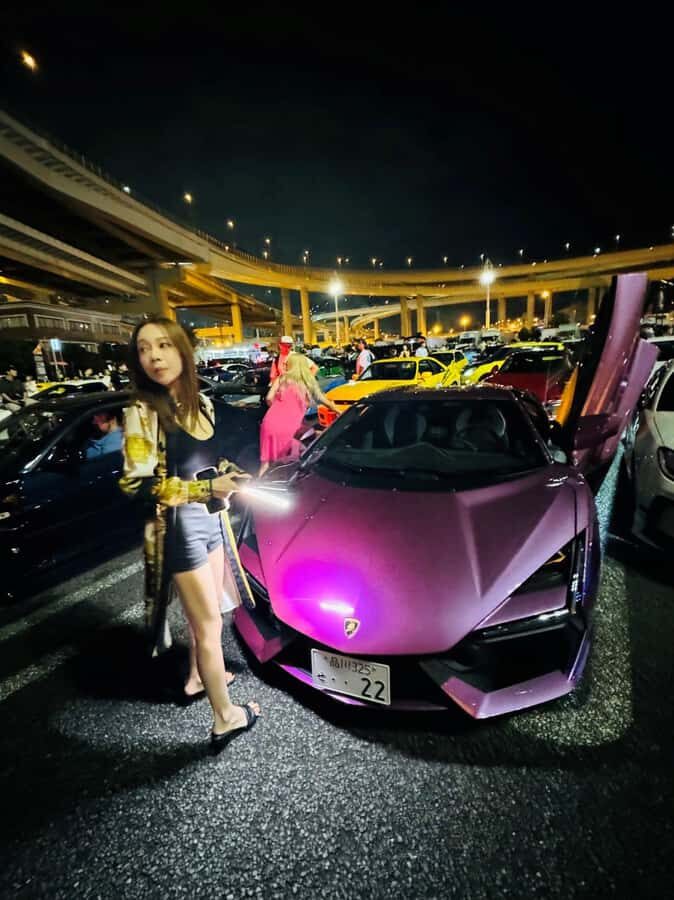
You’ll travel in a Toyota Velfire luxury van, which matters more than you’d think. Tokyo traffic can be stop-and-go, and highway driving can take you to viewpoints that would be hard to reach by public transit. A comfortable van also helps you focus on the experience instead of juggling logistics.
The tour starts with pickup from your hotel or accommodation. That’s a big value point. You don’t have to coordinate trains, figure out where the meeting area is, or worry about getting back late. You also get transportation handled end-to-end, including highway driving and a return to your accommodation.
Guide setup: English and Japanese
You’ll have an English & Japanese-speaking guide. In practice, that’s what makes the tour work. Without context, Daikoku is just a parking lot full of cars. With context, it becomes a living snapshot of Japanese car culture—what people love, how they build, and what the scene looks like to insiders.
Highway Highlights: C1 Loop, Wangan Highways, and Rainbow Bridge Views
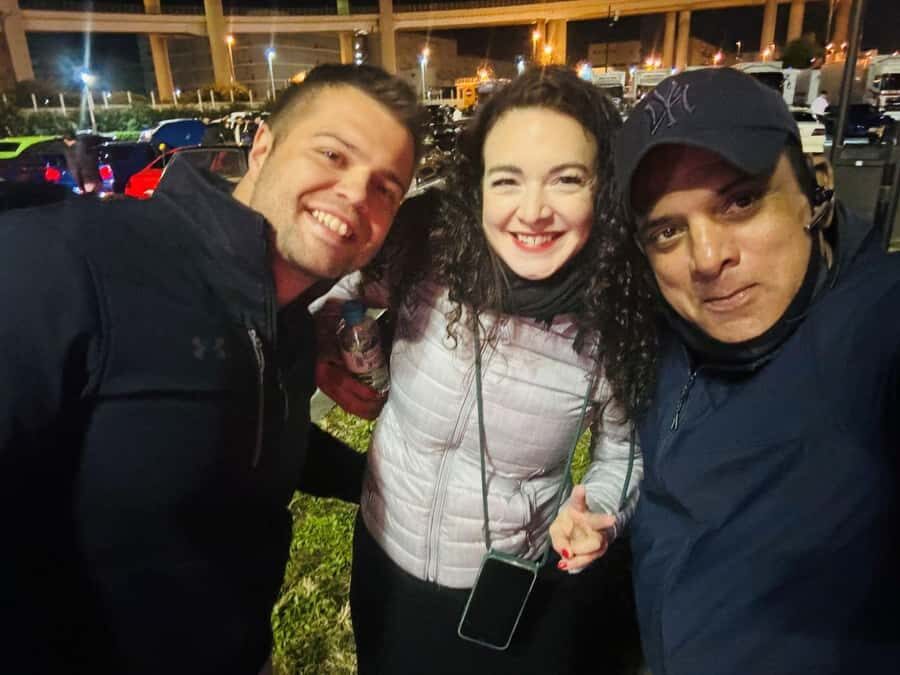
The best part of the driving isn’t only speed. It’s the layered view—Tokyo buildings sliding past, expressways stretching ahead, and then the sudden scenic moment when you cross something like Rainbow Bridge.
This tour specifically includes travel over major routes such as:
- C1 Loop
- Wangan Highways
- Bay Shore Route and routes described as part of the Tokyo expressway network
- Stops that give you landmark sightlines along the way
You’re also getting that “car culture in motion” angle. Some of what you see is the kind of visual language people associate with Japanese car videos and films: long roads, clean lines, and neon city lighting at night. Even if you don’t care about street racing, the highway scenes make Tokyo feel bigger than the typical walking routes.




A quick reality check
Highway routes can change based on timing, and city traffic plays a role in the pacing. The tour’s focus stays consistent—car culture plus Tokyo views—but your exact minute-by-minute rhythm can vary depending on the day.
Daikoku Parking Area Stop: JDM Photos, Classics, and the Real Scene
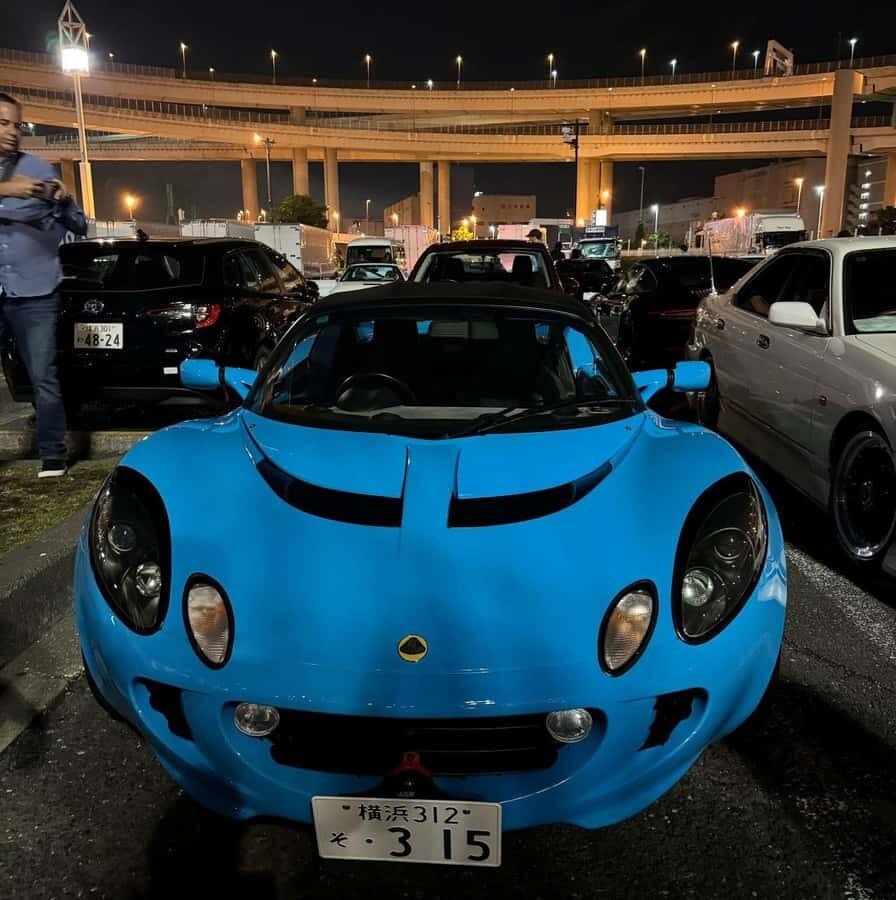
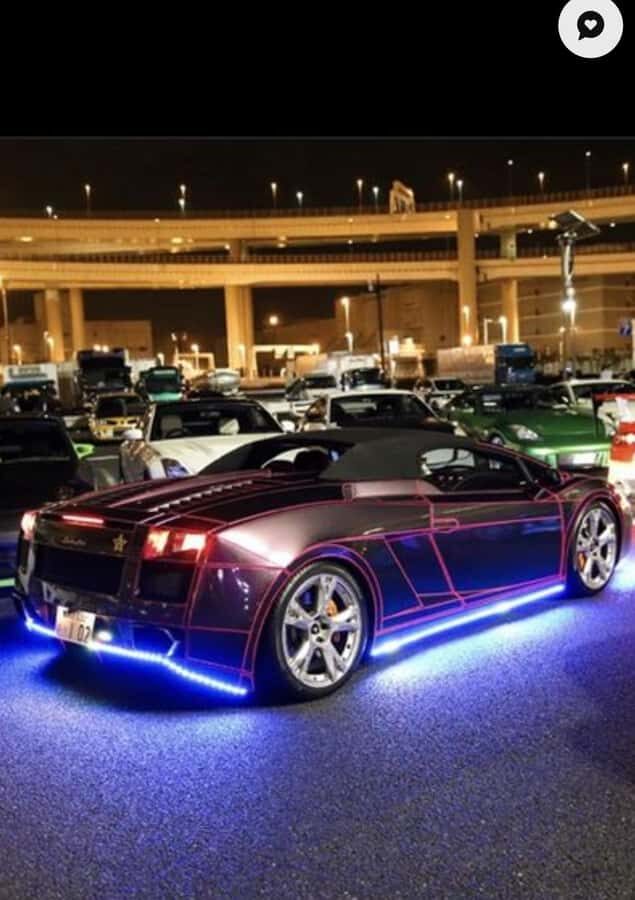
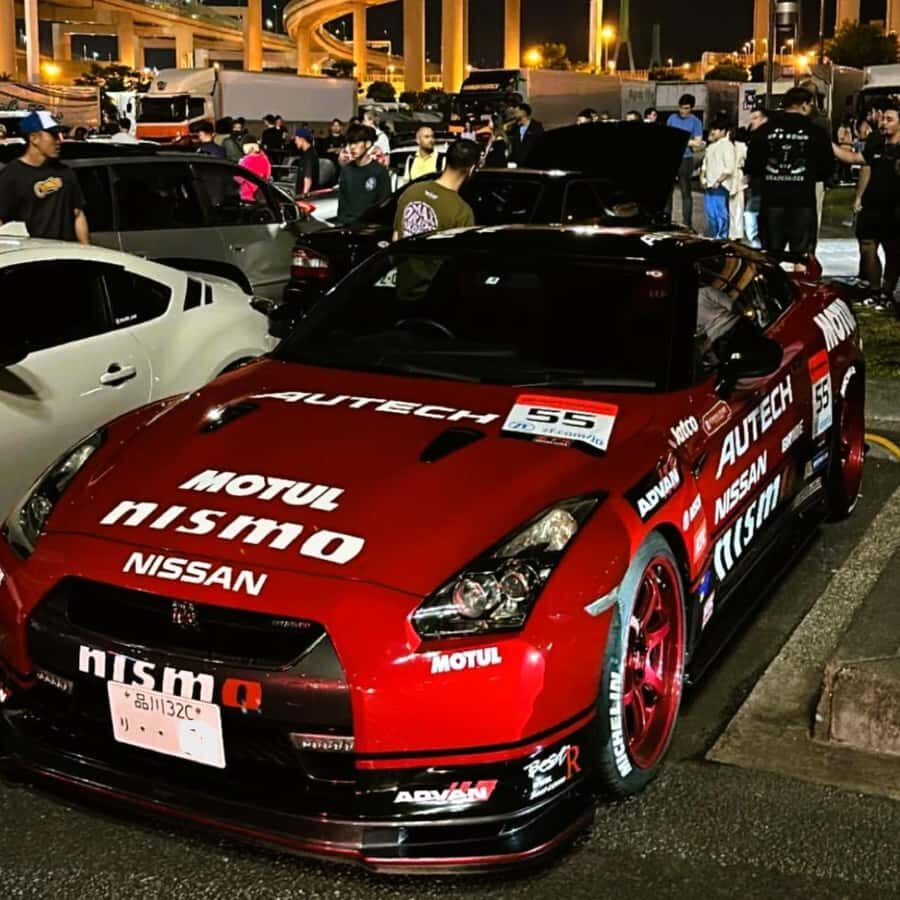
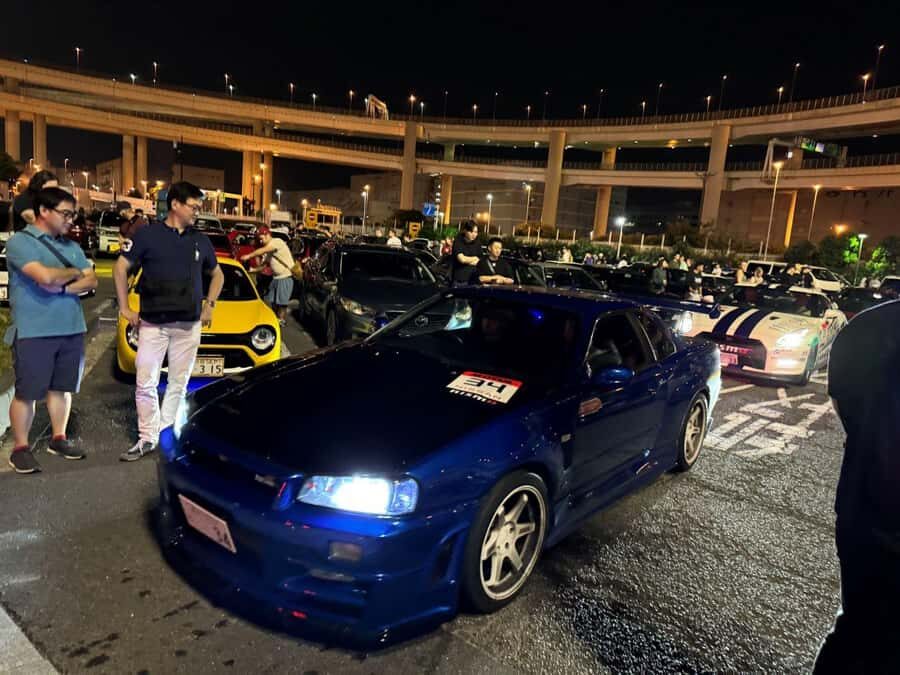
Daikoku Parking Area is the headliner, and it earns that title. This is where the car world fans go when they want to see more than showroom models. You’ll find a range of vehicles—classic cars alongside newer, cutting-edge designs—so the parking lot reads like a timeline of taste.
What you do during your stop is simple but important:
- Walk the area on foot where allowed
- Look for different types of builds
- Take photos and compare styles
- Soak up what the atmosphere feels like
One reason people rate this tour so highly is that you get meaningful time in the lot. You’re not stuck in the van staring through glass. You actually get to experience the scene the way car people do: by moving around and noticing details.
What to photograph (so you don’t just take random shots)
Bring your camera and use it strategically. The most satisfying photos tend to be:
- Wide shots that show the lineup and scale of the lot
- Detail shots of wheels, badges, and bodykits
- Night shots where lighting makes cars look more dramatic
If you care about smartphone photos too, make sure your phone is charged. You’ll likely want it for quick angles and reference shots as you walk around.
Extra Stops and Tokyo Landmarks Like Tokyo Tower
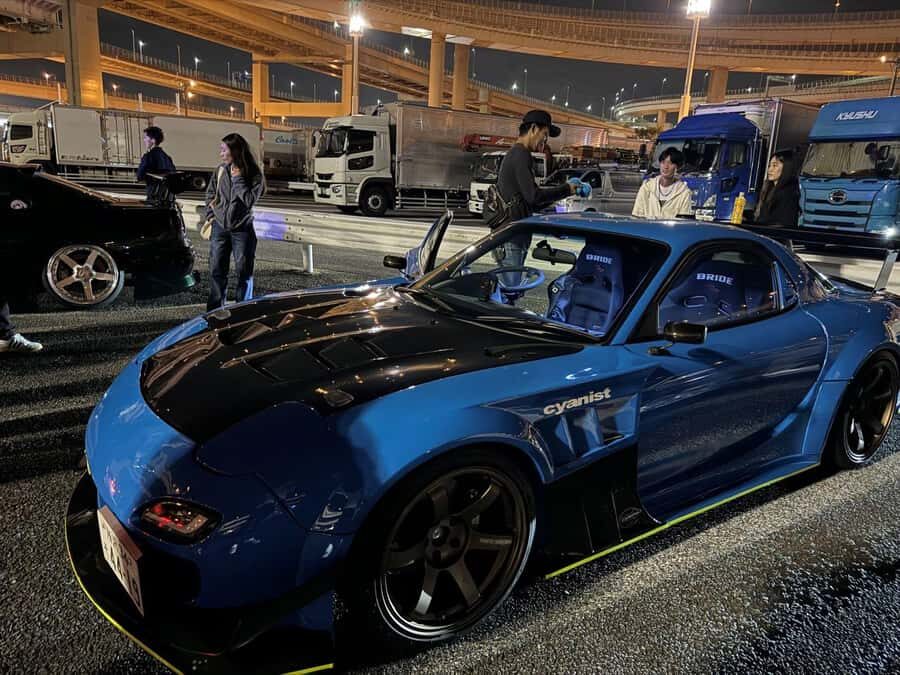
Daikoku isn’t the only sight you may connect with during the ride. The tour is set up to show Tokyo and Yokohama from more than one angle, and there’s room for additional meeting points beyond Daikoku depending on the flow of the trip.
One standout landmark detail from the experience: on the way back, the driver may stop at Tokyo Tower for photos. That’s the kind of add-on that makes the whole evening feel more like a full Tokyo story instead of only a car-lot event.
Why these added sights matter
Car culture tours can feel one-note. A landmark stop breaks that up. You still get your cars, but you also get proof that Tokyo’s scale and personality are part of the car scene too—especially at night, when skyline views and expressways blend together.
Guide Style and Car Culture Context: How Mukarram Changes the Day
The name that shows up repeatedly is Mukarram, and that’s not an accident. The reviews describe him as helpful, educational, and genuinely tuned into the group. Even when weather or timing shifts, the guidance stays focused on making the experience work.
Here are the kinds of things that improve your day when the guide is strong:
- You get practical context while you’re riding, so the highway and bridges don’t feel random
- You understand the local car scene better once you’re standing in the lot
- The driver can adapt the plan when the day goes sideways (rain, delays, and the like)
One traveler even noted a Friday that had heavy rain and a postponement to the next day, which shows how the guide thinks about delivering the real experience rather than just completing a checklist.
A note on group feel
This tends to feel more personal than a huge bus tour. You’re with other people, but you’re not treated like a passenger in a crowd. That matters at places like Daikoku where you’ll want time to look, step aside for photos, and ask questions without feeling rushed.
Price and Value: What $115 Really Buys You
At $115 per person, this isn’t the cheapest thing in Tokyo, but it’s also not trying to be. The value comes from what’s bundled:
Included:
- Transportation in a Toyota Velfire luxury van
- Guide (English & Japanese speaking)
- Highway driving
- Daikoku Parking Area stop
- Water bottle
Not included:
- Food
So what are you paying for, beyond the price tag?
- You’re paying to get to the right roads and the right moment in the right area without handling the logistics yourself.
- You’re paying for interpretation—so you’re not just seeing cars, you’re understanding why the scene looks like it does.
- You’re paying for time on-site, especially at Daikoku, which is the part you can’t fake with a quick look.
Food not being included is pretty normal for a shorter evening-style outing. The best move is to eat before you go or plan a post-tour meal near your accommodation, so you’re not hungry while you’re trying to photograph.
Who Should Book This Tour (and Who Should Think Twice)

This tour fits best if you:
- Love cars, street culture, or Japanese JDM aesthetics
- Want night views and skyline energy, not only daytime sightseeing
- Like tours where you can ask questions and learn in real time
- Prefer a guided plan instead of trying to piece together expressways and meeting spots on your own
It may not be a great match if you:
- Are pregnant (listed as not suitable)
- Have back problems (listed as not suitable)
- Don’t want a walking component (comfortable shoes are recommended)
Also note the rule: no alcohol and drugs. That keeps the atmosphere focused and respectful around a real-world car scene.
Tips to Make Your Photos Better and Your Night Smoother
This is the part people forget until it’s too late. Don’t be that person with a dead phone and no idea how your camera mode works in low light.
Here’s what will help:
- Bring your camera (specifically called out)
- Wear comfortable shoes, since there may be walking around
- Keep your smartphone charged for communication and photos
- Expect night lighting: take a few test shots early so you don’t waste the best Daikoku moments fiddling with settings
- Be ready for minor schedule swings due to city timing and pickup flow
And one small strategy: treat your first 10 minutes at Daikoku like a scout phase. Walk for angles first, then return for the best detail shots once you know where the lighting is working.
Should You Book the Tokyo: Daikoku JDM Car Culture Tour?
If you’re even a little curious about Japanese car culture beyond browsing pictures online, I think this tour is a strong buy. The highway drive makes Tokyo feel cinematic, and the stop at Daikoku Parking Area gives you the real-world experience people chase. The guide support—especially with someone like Mukarram—turns the trip from sightseeing into a story you understand as you’re living it.
Before you book, consider this: it’s built around a specific car-lot highlight, so timing matters. If you’re okay with that and you want a night experience that feels like Tokyo with the volume turned up, you’ll likely love it.
FAQ
How much does the Tokyo Daikoku JDM Car Culture Tour cost?
It costs $115 per person.
What’s included in the tour price?
You get transportation in a Toyota Velfire luxury van, an English & Japanese-speaking guide, highway driving, a stop at Daikoku Parking Area, and a water bottle.
Is food included?
No, food is not included.
Do I need to bring anything?
You should bring a camera. Comfortable shoes are also recommended, and you’ll want your smartphone charged for communication and photos.
Are alcohol or drugs allowed?
No. Alcohol and drugs are not allowed.
What language is the guide?
The guide is described as English & Japanese speaking.
Do you cross Rainbow Bridge during the tour?
Yes, the route includes crossing Rainbow Bridge.
Is the tour suitable for pregnant women or people with back problems?
No. It is not suitable for pregnant women and it is not suitable for people with back problems.
Is it refundable if plans change?
You can cancel up to 24 hours in advance for a full refund.
What’s the tour’s main car culture stop?
The main stop is Daikoku Parking Area, where you’ll have time to see a range of cars and take photos.