REVIEW · KYOTO
Kyoto tour with English Speaking Chauffeur
Book on Viator →Operated by Abc travels · Bookable on Viator
Kyoto can feel like a puzzle with too many moving pieces. This private Kyoto tour with an English-speaking chauffeur turns it into a smooth day: you get a plan that hits the big visual hits and lets you set the pace with a driver who’s there to handle transit and parking. I like how the itinerary mixes iconic photo stops with real neighborhood texture, like Gion’s old streets and Nishiki Market’s food stalls. One thing to keep in mind is that you’ll still pay for key temple and castle admissions (Kinkakuji, Ginkakuji, and Nijo Castle), and the quality of on-site storytelling can vary by chauffeur.
Here’s what I’d call the two best parts: time saved by private driving and a day built around places you can’t easily fit together by yourself. You also get extra flexibility for traffic delays (extra time at no extra cost), which matters in Kyoto. The possible drawback is simple: the tour is primarily transportation plus stop guidance, so if you want deep, constant explanations at every site, you’ll want to communicate your expectations clearly in advance.
In This Review
- Key highlights you’ll feel in the day
- Price and value: what you’re really paying for
- The “private chauffeur” difference in Kyoto
- How the day is paced: 9–11 hours with built-in movement
- Stop 1: Arashiyama for bridge views and bamboo paths
- Stop 2: Kinkakuji (Golden Pavilion) and the paid ticket
- Stop 3: Gion for old streets and traditional neighborhoods
- Stop 4: Ginkakuji (Silver Pavilion) for minimalist calm
- Stop 5: Fushimi Inari Taisha with thousands of torii gates
- Stop 6: Nishiki Market for Kyoto’s kitchen energy
- Stop 7: Kyoto Imperial Palace grounds for a calmer pace
- Stop 8: Nijo Castle for UNESCO-grade architecture
- Stop 9: Kyoto travel buffer and where your day can expand
- The chauffeur experience: English, professionalism, and info levels
- Who this tour suits best
- Quick cost check: what to budget beyond the $500
- Should you book this Kyoto chauffeur tour?
Key highlights you’ll feel in the day
- Private door-to-door flow: chauffeured transport with included parking and tolls.
- Big-name Kyoto, efficiently timed: major sites packed into a 9–11 hour window.
- Flexible scheduling: extra time is available to handle traffic issues.
- English communication: drivers can explain expectations in English (quality varies).
- Free walking options + paid entrances: several stops are free, with only a few paid tickets.
- Mobile ticket included: you won’t be stuck scrambling for paperwork.
Price and value: what you’re really paying for
At $500 per group (up to 5), this is not a bargain-tour price. But it isn’t meant to be. The value comes from combining three expensive things in Kyoto: time, convenience, and hassle-free logistics.
You’re paying for:
- an air-conditioned vehicle
- parking fees and highways/toll roads
- an English-speaking chauffeur who moves you between distant areas without you managing directions
- an itinerary that already strings together Kyoto’s top contrasts in one day
Then there’s the cost of entry fees. Based on what you’ll likely purchase, you may add:
- Kinkakuji and Ginkakuji: 500 yen each
- Nijo Castle: 1,300 yen
That’s about 2,300 yen per person if you visit all the ticketed stops. Food is not included, so you’ll budget meals separately.
If you’re traveling as a group of 4–5, this can feel much more reasonable because the transportation cost is spread out. If you’re only two people, it can feel pricier, but you’re still buying back a full day of navigation, parking battles, and timing stress.
A few more Kyoto tours and experiences worth a look

The “private chauffeur” difference in Kyoto
Kyoto looks walkable on a map, but in real life it’s a series of neighborhoods that are far apart. A private vehicle changes the rhythm of the day.
With a chauffeur, you can:
- arrive with less stress (and fewer timing mistakes)
- avoid circling for parking around major sights
- keep your energy for walking where it counts
This matters most for a route like this, which includes Arashiyama, Kinkakuji, Gion, Ginkakuji, Fushimi Inari, Nishiki Market, Kyoto Imperial Palace, and Nijo Castle. That’s a lot of geography in one outing. Private transport is the glue.
Also, one of the better promises here is the traffic buffer: if delays happen, the plan allows extra time at no extra cost. Kyoto traffic and slow pedestrian areas are real. That flexibility helps you avoid feeling rushed at the places you care about most.
How the day is paced: 9–11 hours with built-in movement
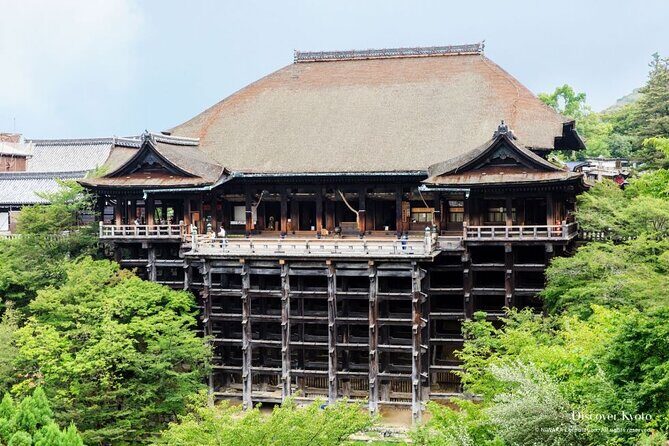
This tour runs about 9 to 11 hours. You’ll have time for each major stop, plus transit between them. The schedule also notes about 2 hours for pickup and drop-off, depending on where you’re starting from.
Translation for your planning: you should think of this as a full-day activity, not a “quick highlights” tour. You’ll want comfortable shoes, and you’ll likely be walking more than you’d expect just from the listed stop times—especially at places with crowds and long stair-and-path layouts like Fushimi Inari.
Stop 1: Arashiyama for bridge views and bamboo paths
Time on site: about 1 hour 30 minutes
Arashiyama is where Kyoto turns cinematic. You start with:
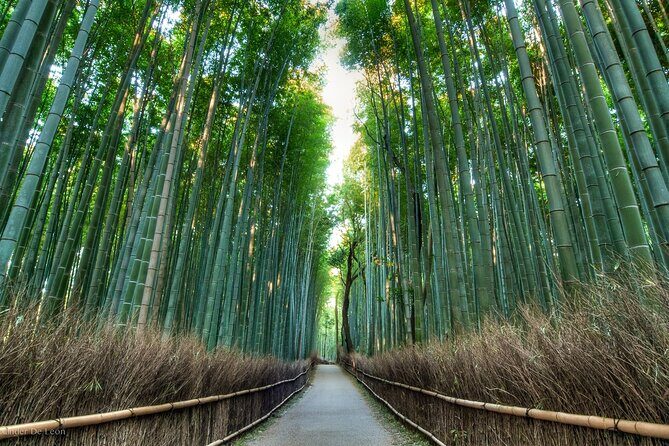
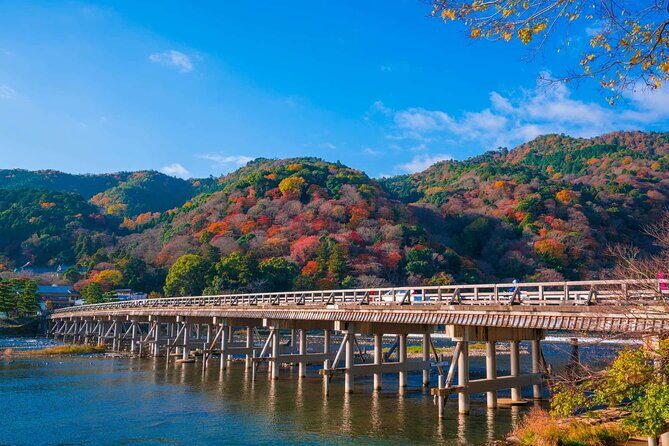
- Togetsukyo Bridge: the classic bridge-and-river view with mountains in the background.
- Bamboo groves: walking paths lined with tall bamboo.
This is a strong opening stop because it gets you out of the city energy and into a calmer, scenic mood early. You’re also less likely to feel rushed than you might later in the day when you’re stacking multiple ticketed locations.
Practical note: the bamboo paths are popular for a reason. They can feel crowded. If your group likes quiet, aim for a slower pace rather than trying to “speed run” the groves.
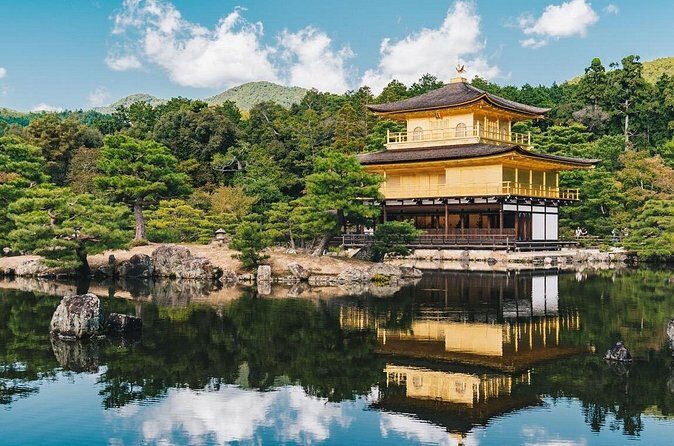
Stop 2: Kinkakuji (Golden Pavilion) and the paid ticket
Time on site: about 1 hour
Ticket: not included (500 yen)
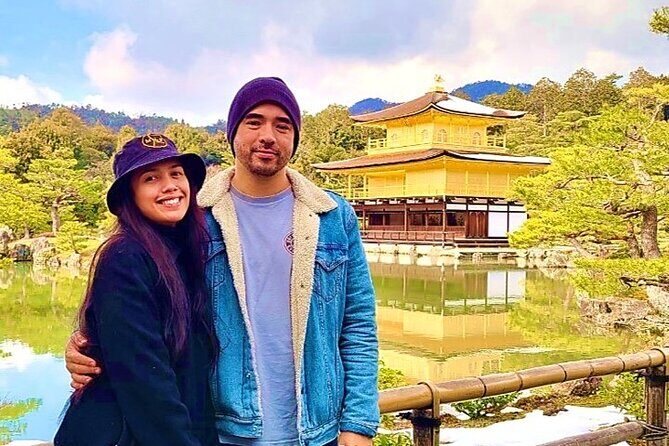
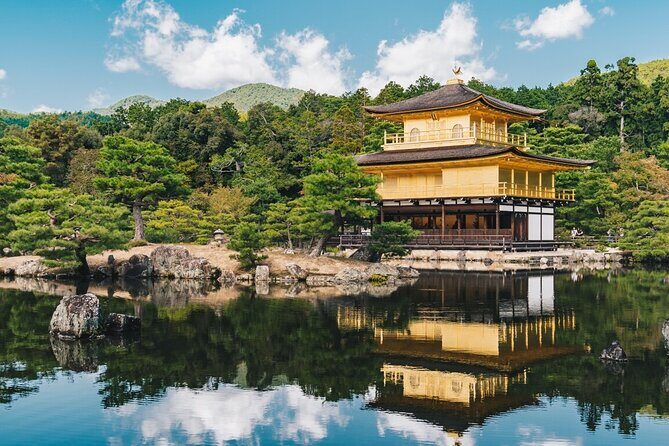
Kinkakuji is the one temple you can recognize from a hundred photos. The Golden Pavilion sits on a three-story structure with a gold-leaf exterior, framed by gardens and reflective water views.
Why it fits this tour: it’s a high-impact stop that’s easy to appreciate even if you don’t go deep on temple architecture. Your chauffeur can also help with timing, since you’re doing a tight itinerary and you don’t want to waste time in lines you could have avoided.
Possible drawback: since this is a paid entry, you’ll want to be mentally ready to add a small extra cost. It’s not a dealbreaker, but it’s part of the reality of the day.

Stop 3: Gion for old streets and traditional neighborhoods
Time on site: about 1 hour
Admission: free
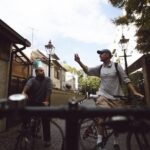
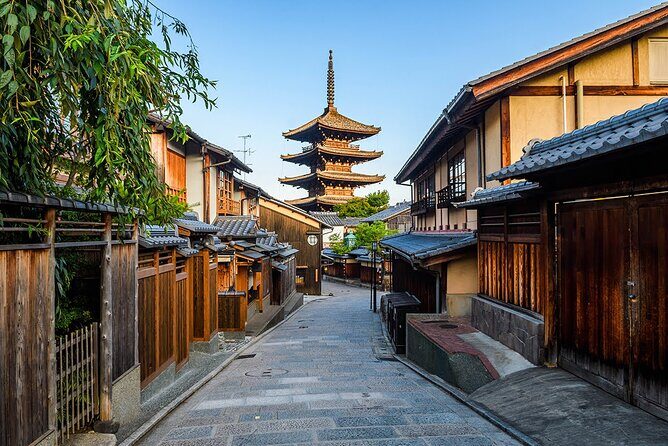
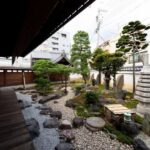
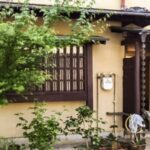
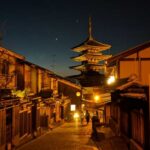
Gion is where Kyoto shows off its historic side: traditional machiya houses, cobblestone streets, and preserved tea-house areas. It’s also famously associated with the geisha culture in Kyoto.
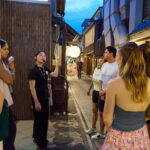
What you’ll likely enjoy here is the change in atmosphere. After temple stops, Gion gives you street-level Kyoto: the textures, the architecture, and the chance to wander at a human pace.
A tip for how to use this time: don’t rush toward a single photo spot. Spend a few minutes letting the street layout guide you. Even without a formal tour of every alley, the neighborhood feel is the point.
Stop 4: Ginkakuji (Silver Pavilion) for minimalist calm
Time on site: about 1 hour
Ticket: not included (500 yen)
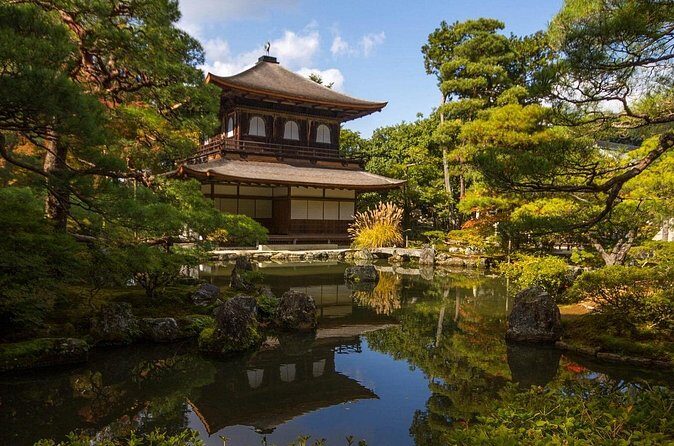
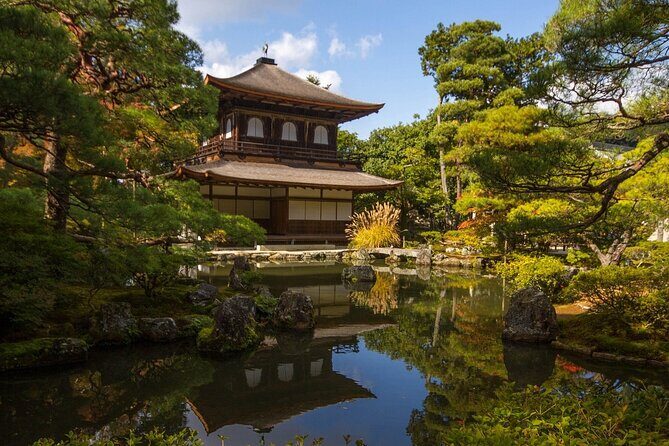
Ginkakuji, often called the Silver Pavilion, is a Zen Buddhist temple with a simpler look than its nickname suggests. The exterior isn’t actually silver in the way some people expect, but that minimalism is part of its appeal: quiet grounds, restrained design, and serene views.
This stop works well after Gion because it gives you a different kind of Kyoto: less street spectacle, more contemplative space. If your group likes gardens and stillness, this is a good place to slow down.
Stop 5: Fushimi Inari Taisha with thousands of torii gates
Time on site: about 1 hour
Admission: free
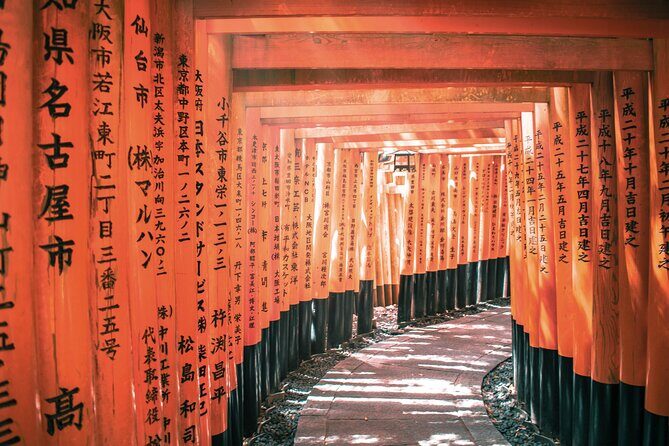
Fushimi Inari Taisha is the shrine of the senbon torii—thousands of red torii gates climbing through paths and stairs. It’s instantly recognizable, and it’s also one of the most immersive visual experiences in Kyoto.
Because it’s free, it’s a cost-friendly highlight. The main “cost” is energy and time on your feet. Even with an hour, you can end up walking farther than you planned if you keep going toward the deeper sections.
How to make it enjoyable: choose your own turning point. If you want photos and atmosphere, you don’t need to go to the farthest reaches. Stop where the views still feel good and your legs feel fresh.
Stop 6: Nishiki Market for Kyoto’s kitchen energy
Time on site: about 1 hour 30 minutes
Admission: free
Nishiki Market is often described as Kyoto’s kitchen, and the vibe matches: a long market arcade lined with stalls. It’s a great break in the itinerary because you’re not just looking at monuments—you’re surrounded by food culture.
This is where you can handle lunch style. You can grab small bites, taste things, and keep moving without needing a full sit-down meal plan. Since food isn’t included, this stop also helps you control your own budget and cravings.
A practical caution: it’s easy to spend time here without realizing it. If you want to keep the day on track, set a rough target—like picking 2–4 snacks—and then come back if you have extra time.
Stop 7: Kyoto Imperial Palace grounds for a calmer pace
Time on site: about 1 hour
Admission: free
The Kyoto Imperial Palace (Kyoto Gosho) is the former ruling palace of Japan’s emperor. It’s set in a large, park-like area with walls and grounds that make it feel distinct from the surrounding city.
I like this stop because it balances the day. After busy markets and landmark shrines, you get a more spacious, open feeling. It’s a good chance to reset and take photos without feeling like you’re in a sprint.
Stop 8: Nijo Castle for UNESCO-grade architecture
Time on site: about 1 hour
Ticket: not included (1,300 yen)
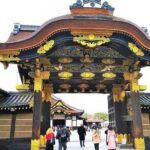
Nijo Castle is a UNESCO World Heritage Site with historical and architectural significance. Built in the early 1600s, it includes famous palace areas within the castle grounds (including the Ninomaru Palace).
This stop is heavier than some of the earlier ones, since castles tend to involve more walking inside pathways and around buildings. But it’s also one of the better payoff stops if you enjoy layered history and strong architecture.
If you’re trying to decide how much time to spend here: listen to your chauffeur’s recommendation about the best way to move through the site. With a short time window, route choices matter.
Stop 9: Kyoto travel buffer and where your day can expand
You’ll also see time allocated for pickup and drop-off, including a note about roughly 2 hours tied to that portion of the itinerary, depending on your location. That “buffer time” matters because it’s where delays either get absorbed or create pressure.
If your start point is far (or traffic is slow), you may feel like you’re doing less at some stops. The good news is that the tour includes that extra time option if traffic hits. That’s the practical difference between a rigid schedule and one that can breathe.
The chauffeur experience: English, professionalism, and info levels
The chauffeur is the whole point. And the quality you’ll experience can swing depending on the person.
From the experiences shared in the feedback, I’d look for signs of a strong fit:
- Professional timing and being on time
- parking being handled smoothly
- a quick overview of what to expect at each stop
Some chauffeurs are described as giving helpful English explanations and engaging in conversation. For example, names like Yasiru, Rashi, and Mike show up with praise for communication and professionalism. In practice, that means you can get more than just transport—you can get context and a sense of how to move efficiently once you arrive.
Still, one caution: not every chauffeur may provide a detailed site-by-site education. If you’re paying for a “guided day,” you should communicate your preference early: do you want short orientation only, or do you want more explanation at each stop? That simple question can change your satisfaction.
Who this tour suits best
This works especially well if:
- you want maximum Kyoto highlights in one day
- you dislike logistics (directions, parking, timing)
- your group includes people who need a vehicle but still want great sights
- you’re okay buying a few paid admissions for the biggest icons
It may feel less ideal if:
- you expect a highly scripted, museum-style guide at every site
- your group wants a slow, deep, neighborhood-only day without packed stops
- you’re traveling very lightly and prefer no extra walking
Quick cost check: what to budget beyond the $500
Here’s a practical add-on estimate, per person, for the ticketed sights listed:
- Kinkakuji: 500 yen
- Ginkakuji: 500 yen
- Nijo Castle: 1,300 yen
Total: about 2,300 yen if you do all three
Food and drinks are on you. Also, pickup from other cities costs extra if you’re starting outside Kyoto:
- Osaka pickup: 15,000 yen
- Kobe pickup: 25,000 yen
If you’re already in Kyoto, you’re avoiding those add-ons. That’s when the value tends to feel strongest.
Should you book this Kyoto chauffeur tour?
Book it if you want a high-efficiency, private day that hits Kyoto’s major highlights without you wrestling buses, parking, or timing.
Skip it (or adjust expectations) if you want deep, constant interpretive guiding at every stop. The tour is designed for comfort and movement first, and the on-site storytelling depends on your chauffeur.
My final rule of thumb: if your top priority is seeing the big sites with less stress, this is a strong option. If your priority is slow exploration and long explanations, you might want a different style of tour. Either way, send your must-sees in advance, and you’ll get more out of the day.