REVIEW · HAKONE
Hakone Private Custom Tour: Mt. Fuji View, Nature & Shrine
Book on Viator →Operated by YURAGI · Bookable on Viator
Hakone can feel like a choose-your-own-adventure. This private Mt. Fuji view tour strings together the ropeway views, Lake Ashi calm, and the iconic Hakone Jinja torii scene with a guide who keeps the day moving. You get a plan you can adjust on the spot, plus photo help so you spend time looking, not wandering.
I love two things most. First, the itinerary is truly flexible, so you can linger when the view is good and move on when it is not. Second, the photo support is practical, including guidance on where to stand for the torii gate and Mt. Fuji-style angles, with standout guide service from Takumi and Yuragi in recent feedback.
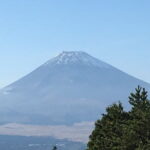
One thing to keep in mind: Mt. Fuji visibility is weather-dependent. In clear conditions you may catch it in the background, but clouds can hide the mountain, so set your expectations around scenery and culture, not guarantees.
In This Review
- Key things you should know before you go
- Hakone’s best “Mt. Fuji view” route, built for real pacing
- Starting at Gora Station: the private-plan advantage
- Owakudani by ropeway: steam vents, the Valley of Hell, and easy photo angles
- Lake Ashinoko: the red torii moment and a calmer pace
- The Hakone Pirate Ship cruise: VIP cabin comfort on calm water
- Hakone Jinja on the water: where the iconic torii photo becomes real
- Onshi Hakone Park: garden views and Mt. Fuji if the sky cooperates
- Price and value: what $170 per person really covers
- Guides make the difference: Takumi and Yuragi’s style
- Practical tips for a smooth Mt. Fuji view day
- Should you book this Hakone Private Custom Tour?
- FAQ
- Is this tour private?
- Where does the tour start and end?
- How long is the tour?
- What are the main stops included?
- Does the tour include a Lake Ashi cruise?
- Are admission tickets included?
- Are guide services included?
- Are transportation fees included?
- Is there a mobile ticket?
- What is the cancellation policy?
Key things you should know before you go
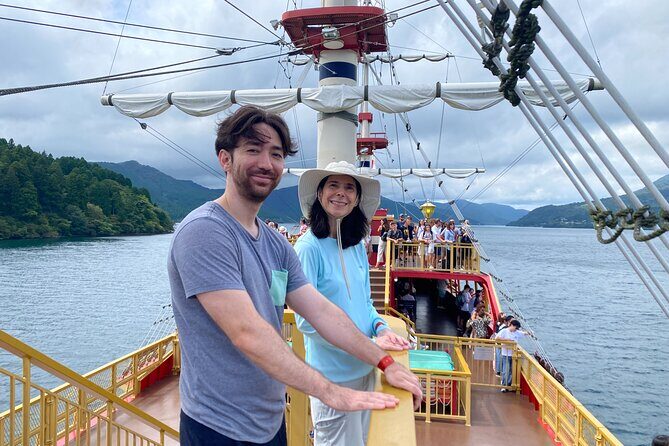
- VIP comfort on the Lake Ashi cruise: you get exclusive VIP cabin access for a more comfortable ride
- Volcanic views at Owakudani: ropeway gondola time over dramatic steam vents and hot-spring activity
- Hakone Jinja torii photo strategy: guidance aimed at getting great shots without wasting time
- Custom pacing: your guide adjusts the flow to your interests and the day’s conditions
- Mobile ticket and admission-marked stops: the itinerary lists major attraction stops as admission ticket free
- Transport help, not transport fees: you get guidance using public transit, while transit costs aren’t included
Hakone’s best “Mt. Fuji view” route, built for real pacing
Hakone is one of those places where the scenery changes fast. One minute you’re in steam and rock, the next you’re on calm lake water staring at a famous red gate, and then you’re back up in garden paths where Mt. Fuji can sometimes peek through.
This tour works because it links the day’s highlights into a smooth sequence: ropeway up to volcanic Owakudani, then Lake Ashi by foot and by boat, and finally Hakone Shrine and Onshi Hakone Park. You’re not just checking boxes; you’re moving through the sights in the order that makes sense for time, views, and comfort.
The private format matters, too. If someone in your group wants slower walking or extra photo time, your guide can shift. That flexibility is hard to get on fixed group tours.
You can also read our reviews of more private tours in Hakone
Starting at Gora Station: the private-plan advantage
Your tour begins back at Gora Station, and it ends there as well. That matters because Hakone days can get messy fast if your meeting point is unclear or if you’re constantly recalculating transit routes.
Here, you get itinerary planning support and help using public transportation, so you’re not stuck figuring out how to connect gondola, cable, and lake-area routes while also trying to enjoy the scenery. Even if you know Hakone before, the guidance can still save energy.
Because it’s private, it’s also easier to tailor the rhythm. Want more time at the water? Want extra stop-and-stare minutes at the ropeway views? Your guide can help you adjust within the structure of the day.
Owakudani by ropeway: steam vents, the Valley of Hell, and easy photo angles

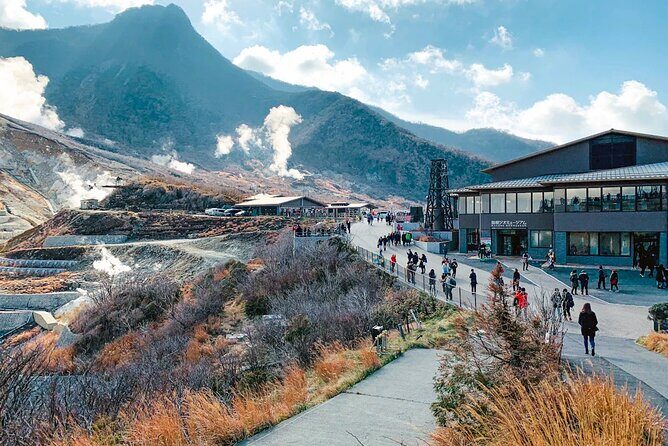
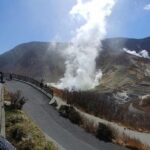
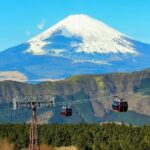
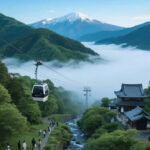
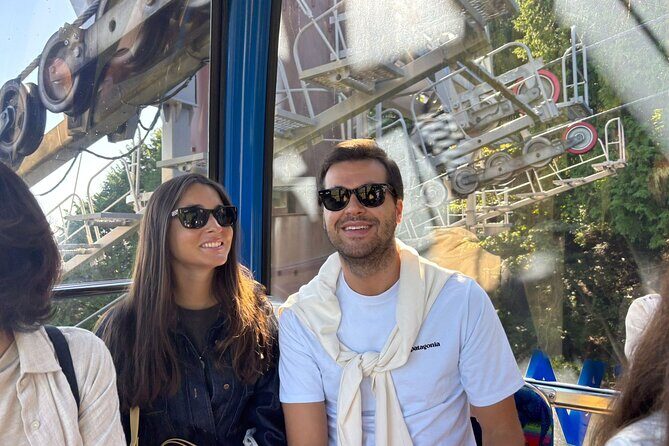
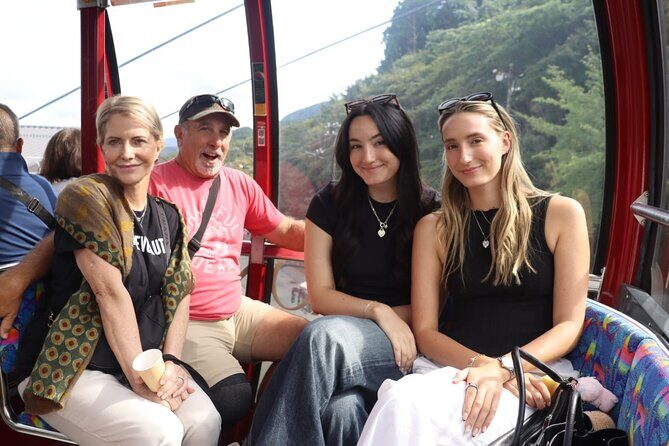
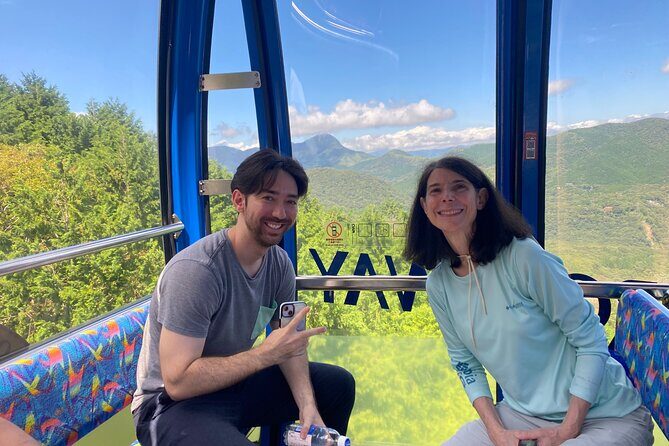
The day’s “wow” usually starts at Hakone Ropeway Ōwakudani Station. You ride high above Hakone’s scenery in a gondola, ascending from Sounzan to Owakudani. From up there, you get a layered view of the volcanic area, not just a flat look at the ground.
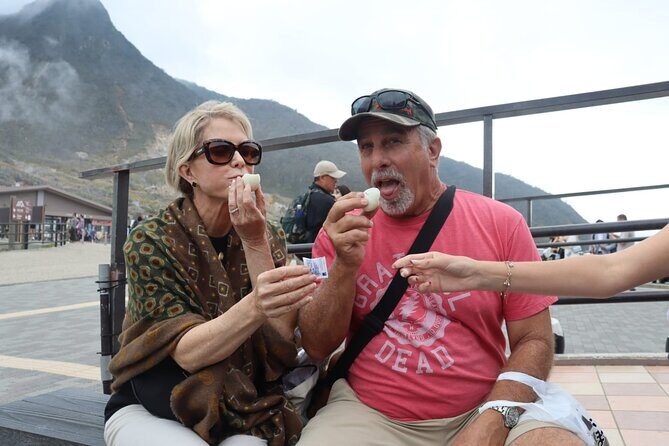
Then comes Owakudani itself, often called the Valley of Hell. The point here isn’t fear; it’s scale. You can see steaming vents and bubbling hot-spring activity that makes the volcanic story feel physical. It’s the kind of place where pictures look better when you’re not rushing—so the private pacing helps.
What I like about this part of the tour is that you’re not left alone with a vague “go look.” Your guide’s job is to point you toward the best places to look, including photography support and practical timing so you can get your shots when conditions are favorable.
A small consideration: this stop can be hazy or smoky depending on the vent activity and day conditions. If you’re aiming for ultra-crisp photos, you may want to accept that some shots will be about mood and movement, not sharp detail.
Lake Ashinoko: the red torii moment and a calmer pace
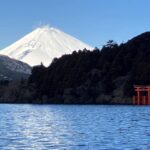
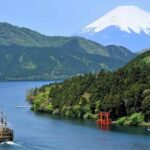
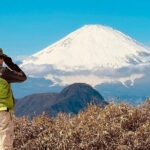
After Owakudani, you shift from volcanic intensity to lake air. Lake Ashinoko is your “exhale” break: time for a relaxed walk and an easy sense of space. You’re in a spot where the iconic red torii gate can be in view, and on clear days, Mt. Fuji sometimes appears in the background.
This is where a flexible plan helps the most. If the sky is opening up, you can slow down and keep eyes on the horizon. If it’s dull or foggy, you can focus on the lake atmosphere and the shrine area without feeling like the day is ruined.
You’ll also get a guided hand in choosing where to spend your time around the water. That’s not about being bossy; it’s about making sure you end up at the spots that match what you came for.
The Hakone Pirate Ship cruise: VIP cabin comfort on calm water
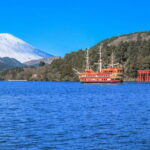
Next up is the Hakone Pirate Ship from Tōgendai Port. The cruise time is about 40 minutes, and the ride is designed for views—open deck options for sightseeing, plus a smoother, comfortable alternative with the tour’s VIP treatment.
This is a smart inclusion. In Hakone, getting from place to place can be stop-start. A cruise gives you a chunk of time where you can sit back, breathe, and let your eyes adjust from steam to water.
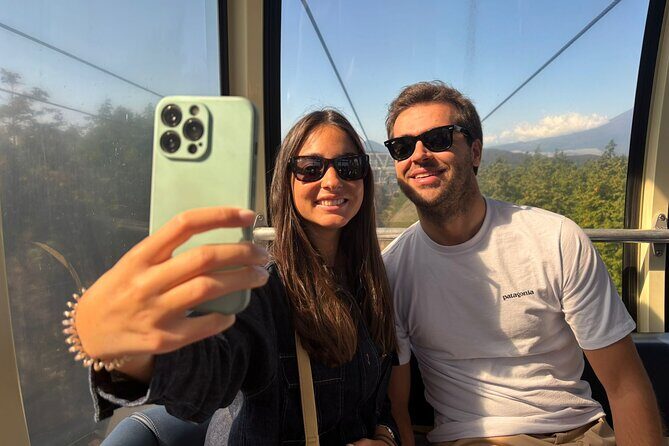
The boat ride also adds a different angle on Mt. Fuji-style views and the lake area. The guide’s photo support becomes useful here because your best sightlines often depend on where the boat is relative to the shoreline.
A practical note: if you’re sensitive to cold air on the deck, it’s nice to have that VIP cabin option to return to for warmth and comfort during the cruise.
Hakone Jinja on the water: where the iconic torii photo becomes real
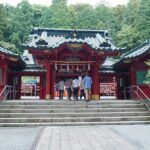
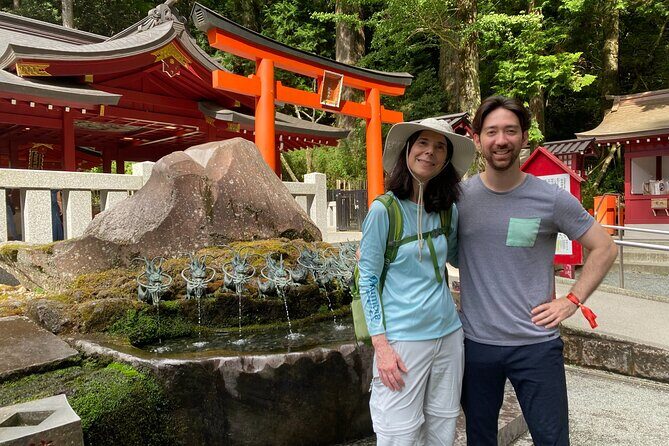
Then you’re at Hakone Jinja, one of Hakone’s most famous sights. The big reason it’s worth real time is the setting: the red torii gate rising from the waters of Lake Ashi is one of Japan’s most recognizable images.
This stop works best when you give it more than a quick look. With photo help built into the experience, you’re less likely to waste time standing in a spot that doesn’t match the shot you’re aiming for. Instead, you can focus on the details that make the place special—water reflections, the torii framing, and the overall calm around the shrine area.
Even if you’ve seen the torii gate in photos before, being there in person changes the scale. The shrine feels like part of the lake, not something sitting beside it.
If you’re traveling with someone who cares less about photos, the guide can still help. They can talk you through the cultural context and what to pay attention to during your time there.
Onshi Hakone Park: garden views and Mt. Fuji if the sky cooperates
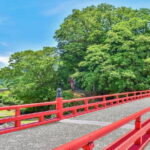
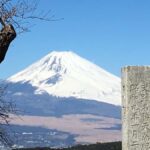
To close the sightseeing loop, you’ll visit Onshi Hakone Park. It’s known as a former retreat for the Imperial Family, and you’ll find panoramic views over Lake Ashi. On clear days, Mt. Fuji may appear again, so it’s another chance for that background mountain moment.
The park is laid out with a mix of garden styles. You get Western-style garden elements alongside traditional Japanese touches, which gives you a nice change of pace from the ropeway and shrine intensity.
This stop also gives you a gentle way to finish the day. You can slow down, take in the views, and avoid the stress of fitting in one last rushed activity before heading back to Gora Station.
If you’re hoping specifically for Mt. Fuji, treat this as your “final check.” If it’s cloudy, the park is still worth it because you’re watching light shift over the lake rather than just searching for a single mountain silhouette.
Price and value: what $170 per person really covers
At $170 per person, this is not a budget shuttle. You’re paying for the private guide, the planning support, and the structure that ties everything together without confusion.
Here’s what you get that helps justify the price:
- Local expert guide with multilingual service
- Itinerary planning support based on weather and your preferences
- Assistance using public transportation (guidance, so you don’t lose time figuring it out)
- Photography support, including help finding better photo spots away from crowds
- VIP cabin access on the Lake Ashi cruise
- Major admission-marked stops on the itinerary are listed as admission ticket free
What’s not included is also important. Transportation fees during the tour aren’t included, so you should expect some extra transit costs depending on how you connect through Hakone that day.
To judge value honestly: if you want a calm day, fewer decision headaches, and help maximizing the best sightlines, this price can feel fair. If you’re the type who loves planning every route yourself and is fine with crowds and fixed timing, you might find cheaper options. But Hakone can chew up mental energy if you’re constantly switching modes—this tour buys you peace of mind.
Guides make the difference: Takumi and Yuragi’s style
The feedback I see consistently points to guide quality, and it’s not vague praise. Takumi is described as kind and full of knowledge, and the tone matters because you’re spending hours together in changing conditions.
Yuragi gets noted for professionalism and clear explanations about Japanese history and culture. That kind of context is more than a lecture. It changes how you look at places like the shrine and the park, turning them into stories you can track while you walk.
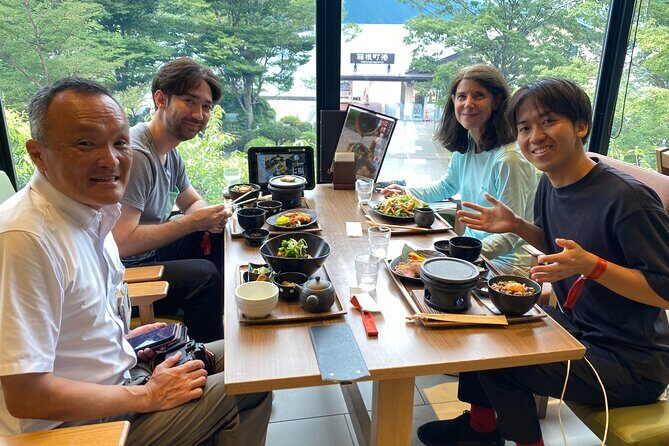
If you’re someone who likes to ask questions, a private guide is where you get value fast. You can also lean on them as a local concierge for food recommendations, which helps you avoid eating whatever is nearest just because you’re tired.
Practical tips for a smooth Mt. Fuji view day
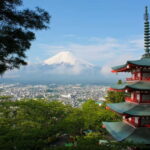
Mt. Fuji is a conditional guest. You’re visiting multiple viewpoint areas where it can sometimes show up, but you’re not guaranteed clear skies. Your best move is to focus on the volcanic scenery, lake atmosphere, shrine setting, and garden views even if the mountain is hiding.
Wear shoes that handle walking around stations and lake areas. You’ll move from ropeway access to Owakudani walking zones, then to lake shoreline time, then to shrine and park paths.
Bring a light layer. Steam areas can feel warm, but lake air can cool quickly. The VIP cabin option on the cruise helps, but you’ll still want something comfortable for deck time.
Finally, be ready to act on your guide’s timing. Photo spots away from crowds sound nice in theory, but they work only if you’re willing to shift a few minutes when the light or view opens.
Should you book this Hakone Private Custom Tour?
Book it if you want:
- a private, flexible day in Hakone rather than a rigid schedule
- help moving between ropeway, lake, shrine, and park without transit confusion
- a stronger shot at the best scenery angles thanks to photography support
- extra comfort on the Lake Ashi cruise with a VIP cabin
Skip it if:
- you’re traveling with a super tight budget and want to plan every leg yourself
- you only care about one strict thing, like a guarantee of Mt. Fuji in every photo, because weather controls visibility
If you’re doing Hakone as a highlight stop and you want it to feel smooth, guided, and photo-friendly, this is a solid pick. You’ll spend less time figuring out the day and more time seeing the real Hakone mix: volcanic energy, lake calm, and shrine-red reflections.
FAQ
Is this tour private?
Yes. It’s a private tour/activity, and only your group participates.
Where does the tour start and end?
It starts at Gora Station in Hakone and ends back at the meeting point.
How long is the tour?
The duration is approximately 5 to 7 hours.
What are the main stops included?
The itinerary includes Hakone Ropeway Ōwakudani Station, Owaku-dani Valley, Lake Ashinoko, the Hakone Pirate Ship from Tōgendai Port, Hakone Jinja, and Onshi Hakone Park.
Does the tour include a Lake Ashi cruise?
Yes. You’ll take the Hakone Pirate Ship cruise across Lake Ashi, about 40 minutes, with VIP cabin access for comfort.
Are admission tickets included?
The itinerary shows admission ticket free at the listed stops, indicating those entry/admission items are included in the tour plan.
Are guide services included?
Yes. You get a local expert guide, itinerary planning support, and help using public transportation.
Are transportation fees included?
No. The tour does not include transportation fees during the tour, but the guide provides assistance and guidance for public transportation.
Is there a mobile ticket?
Yes. The experience includes a mobile ticket.
What is the cancellation policy?
You can cancel for free up to 24 hours in advance for a full refund. Changes less than 24 hours before the start time aren’t accepted.