REVIEW · HAKONE
Hakone, majestic moment waiting!
Book on Viator →Operated by Fulfilling Inc. · Bookable on Viator
Hakone feels like it was made for a “see a lot, learn fast” day. This private highlights tour strings together Owakudani, Lake Ashinoko, and historic sites with an English-speaking guide who keeps you from wasting hours figuring out transit and tickets. Two things I really like are the up-close volcanic drama at Owakudani and the way the day flows from viewpoints to water to Edo-era history. One possible drawback: you’ll still need to buy several ride tickets on your own (ropeway/train and the cruise), and the tour may feel pricey if you’re not using the guide heavily.
If you want a first taste of Hakone without turning your day into a maze, this hits the mark. It starts and ends at Hakone-Yumoto Station, runs about 6 hours, and stays group-only (so it’s truly your pace, not a bus schedule). Just know that “private” doesn’t magically remove all ticket buying, but it does save you the mental load of coordinating multiple stops.
In This Review
- Key highlights worth planning for
- Hakone in one day: the value of a guided highlights route
- Starting at Hakone-Yumoto and keeping the day moving
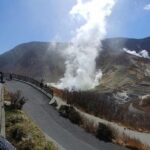
- Owakudani Valley: Hell Valley steam, ropeway pods, and black eggs
- Lake Ashinoko cruise: the calm counterpoint with real sightseeing value
- Hakone Sekisho and the Museum: a checkpoint built for control
- Hakone Shrine / Kuzuryu Shrine: local worship and an old trail feeling
- Price and value: what $203.95 really buys in Hakone
- Logistics that matter: tickets, ride timing, and not getting stuck
- Who this tour suits best (and who might prefer DIY)
- Should you book this Hakone highlights private tour?
- FAQ
- What time does the tour start?
- Where does the tour meet, and where does it end?
- Is this a private tour?
- Does the tour include pickup?
- What’s the tour duration?
- What’s included in the price?
- What is not included?
- Do I need separate tickets for the ropeway, train, or cruise?
- Is there a refund if I cancel?
Key highlights worth planning for
- Owakudani from ropeway pods: sulfur gas, steam, and the Hell Valley vibe you can actually see.
- Black eggs at the volcanic zone: a Hakone specialty tied to the hot-spring/boiling tradition.
- Lake Ashinoko cruise connection: a boat route that links major sightseeing areas.
- Hakone Sekisho and Museum: an Edo-period checkpoint rebuilt/restored (restored in 2007).
- Kuzuryu/Hakone Shrine atmosphere: local worship plus the New Year first-visit tradition.
- Private, English-speaking guidance: easier navigation and more context than DIY wandering.
Hakone in one day: the value of a guided highlights route
Hakone can be a “wow” place and a “why is this taking so long?” place, depending on how you plan. With this tour, you get a structured day built around the region’s biggest hits: a volcanic active zone, a lake boat ride, a tough Edo checkpoint site, and a shrine with real local meaning.
For me, the biggest value is time saved. You’re not piecing together where to go next, which pass to buy, or what order makes sense on the ground. A guide handles the flow, and you spend more of the day looking at Hakone instead of staring at station signs.
Second value: context. Owakudani isn’t just “steam and rocks.” You get the backstory on why people once called it Hell Valley and how Hakone’s volcanic life ties into local food like the boiled black egg. Same idea at Hakone Sekisho, where you learn why checkpoints mattered so much to the Edo-era government.
The tradeoff is straightforward: the tour price buys the guide and the private experience, not every transport/attraction ticket. You still need to purchase ride and cruise tickets for certain legs, plus you’ll need to cover the Hakone Checkpoint entrance fee on-site.
You can also read our reviews of more tours and experiences in Hakone.
Starting at Hakone-Yumoto and keeping the day moving
Your day begins at Hakone-Yumoto Station at 9:00 am, and the tour returns you there at the end. That matters because Hakone’s sightseeing can scatter across different areas and elevations. When the tour is designed to start and end at the same hub, you reduce the “what if I miss the connection” stress.
Pickup is offered, which is useful if you don’t want to figure out local meeting logistics on your own. The experience also uses mobile tickets and is positioned as near public transportation. In plain terms: it’s set up for people who want an efficient day, not a scavenger hunt.
Because the tour is private for your group, you’re not stuck waiting for other parties to finish. The pacing is still “about 6 hours,” so it’s not a slow stroll. It’s a highlights circuit, with each stop carved out to give you the main experience without dragging.
Owakudani Valley: Hell Valley steam, ropeway pods, and black eggs
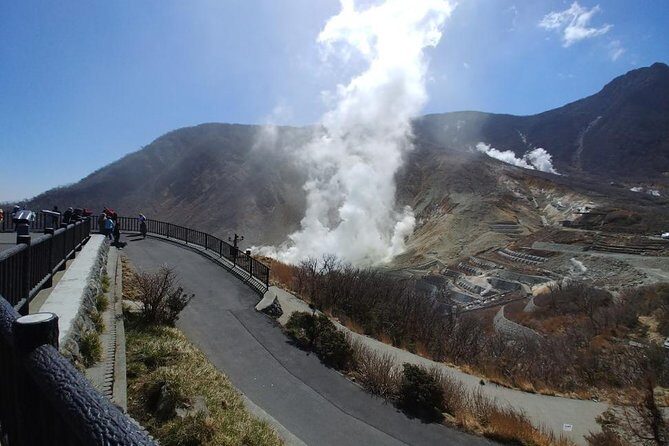
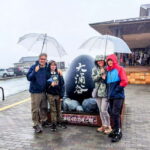
Owakudani is the reason many people picture Hakone in their heads. It’s an active volcanic zone, and even now you can see sulfuric gas and steam drifting around the mountain area. The effect is visual and immediate—this isn’t a distant, brochure-only thing.
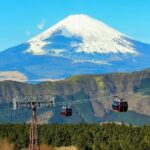
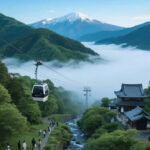
What makes this stop special is how you view it. You go in by ropeway pod, and that viewpoint is a huge part of the wow factor. You can see the volcanic activity from above, which is exactly what you want in a short sightseeing day. The timing works well because you’re spending focused time at the most dramatic part of the area.
You’ll also run into Hakone’s most famous “volcano snack”: the black egg. It’s boiled and steamed in the hot-spring water in this valley and sold as a local specialty. Even if you don’t buy one, the fact that it’s tied to the active hot-spring process helps you understand what you’re looking at.
A practical heads-up: you need to buy mountain train and ropeway tickets before you ride. The itinerary shows the admission ticket for this stop as free, but the rides themselves are ticketed. Plan your time for ticket purchase and boarding so you don’t feel rushed once the day is already in motion.
Lake Ashinoko cruise: the calm counterpoint with real sightseeing value
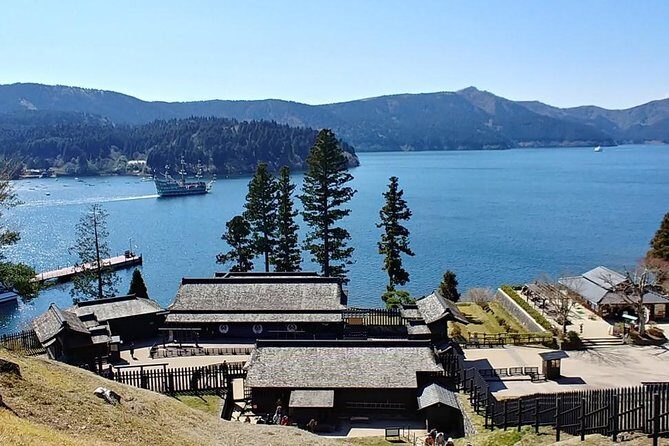
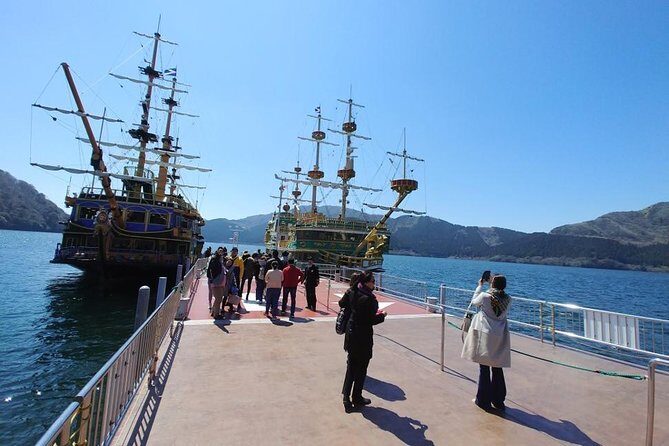
From the ropeway pod area, you move to Lake Ashinoko, where you can board a cruise ship that travels around the lake. This stop is where Hakone slows down, and the scenery shifts from volcanic steam to water views and shoreline viewpoints.
The cruise route is useful because it connects multiple major sightseeing areas around the lake. That matters if you’re trying to do a lot in one day: water travel is often faster and more efficient than hopping between separate land viewpoints.
You’ll need to buy cruise tickets for the boat, and the sightseeing time shown for this part is about an hour. The admission ticket is listed as free here, but again, the ride is the thing you’re paying for—so budget for it as part of the overall day.
If you like getting postcard views without standing in long lines, a cruise is a strong use of time. It also gives you a natural break between the intense visuals of Owakudani and the more historical, indoor/exhibit-focused checkpoint stop later.
Hakone Sekisho and the Museum: a checkpoint built for control
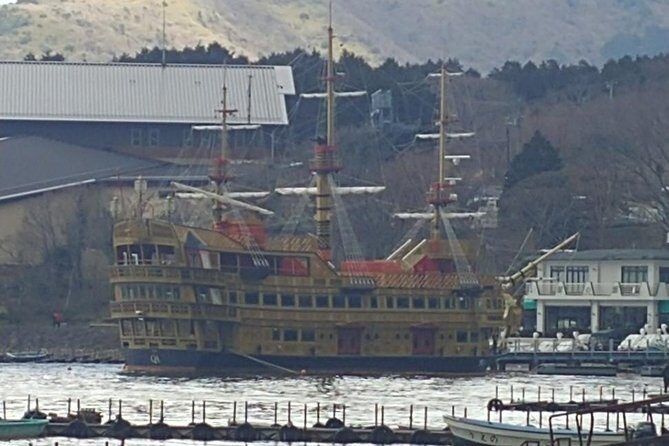
The Edo-period checkpoint area is one of those places where you can feel the logic of the past. Hakone Sekisho was used as a police station during the Edo era (1603 to 1868). It wasn’t just a random stop on a map—it was a place designed to keep serious problems from happening.
What I like here is that you’re not just touring buildings. You get the function. Hakone’s terrain is steep, and the checkpoint was known as one of the toughest passes to get through. The feudal government watched these important checkpoints closely to prevent serious crimes or rebellions by powerful local feudal lords.
The buildings were restored in 2007, and that restoration makes a difference because you can observe how the checkpoint functioned with clearer layout and structure. The stop also includes the Hakone Sekisho Museum, and the time on-site is about an hour.
One consideration: the Hakone Checkpoint entrance fee is not included in the tour price. So you’ll want to treat this like a ticketed attraction you’ll pay separately while you’re there.

Hakone Shrine / Kuzuryu Shrine: local worship and an old trail feeling
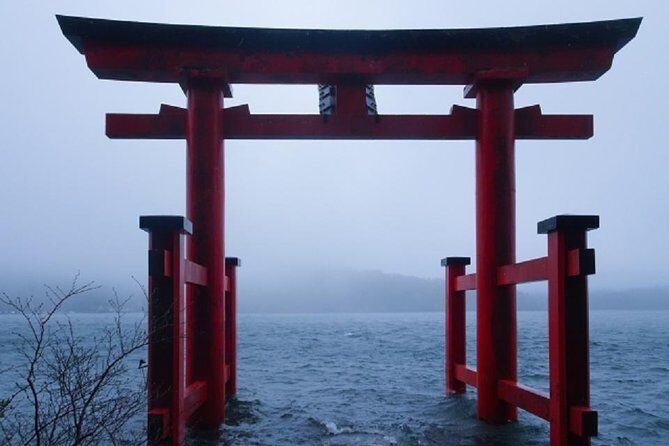
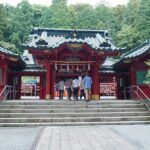
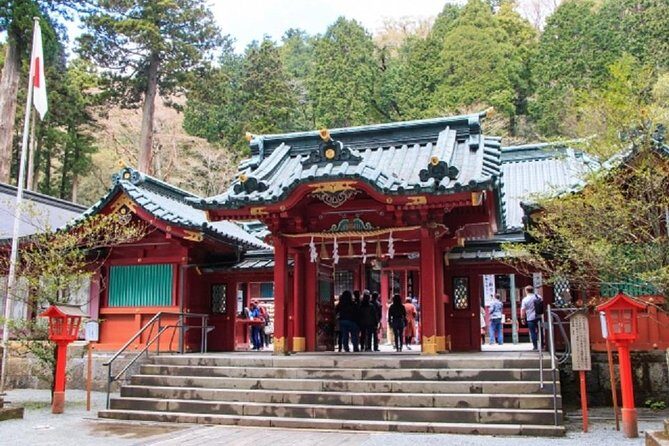
After volcanic and checkpoint history, the shrine stop brings a different kind of energy—quiet, religious, and very connected to daily life for locals. This is Hakone Shrine / Kuzuryu Shrine, a Shinto shrine that’s worshipped by local people.
A detail I found meaningful is the New Year tradition. On New Year’s Day, thousands of visitors staying in Hakone visit this shrine as their first shrine visit. Even if you’re not there on New Year’s Day, knowing that this is a big local moment helps you see the shrine as more than just a pretty stop.
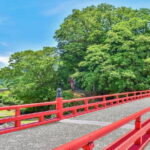
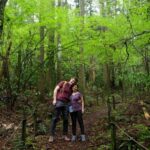
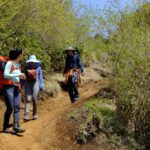
You also walk along a route that includes the old path of Hakone. That path is a reminder of how hard travel used to be through steep terrain and how important these kinds of shrines were for travelers.
This segment is about 30 minutes, and admission is listed as free. That’s nice because it keeps the day balanced: you get a clear spiritual and cultural stop without burning too much of your limited time.
Price and value: what $203.95 really buys in Hakone
At $203.95 per person, this isn’t a budget “walk around by yourself” tour. You’re paying for a private tour plus an English-speaking professional guide. You’re also paying for reduced friction: less route research, fewer “wrong train” moments, and more explanation than you’d get from reading signs.
For your money, the biggest value is the way the guide helps you manage a multi-stop day. Hakone is not one single attraction. You’re bouncing between different types of places: active volcanic valley, boat cruise, checkpoint museum, and shrine. Without a guide, it’s easy for time to vanish.
Still, you should be honest about the add-ons:
- You need to buy mountain train and ropeway tickets for Owakudani before riding.
- You need cruise tickets for Lake Ashinoko.
- The Hakone Checkpoint entrance fee is not included.
- Public transportation fees are also not included (the guide helps with navigation, but you may still cover some local transit costs yourself).
So the value equation is simple: this makes the most sense when you want the day handled for you and you plan to do the signature rides/attractions anyway. If you’re only interested in one or two stops, you might feel the price more sharply.
One more thing: private tours are human. One account rated the experience lower due to feeling the tour was overpriced and that the guide didn’t seem knowledgeable enough about the locations. Another praised the guide experience very strongly, including a guide named Mochi described as amazing, patient, and helpful with recommendations. That range is a good reminder: ask questions when you meet your guide, and don’t be shy about clarifying what you want out of the day.
Logistics that matter: tickets, ride timing, and not getting stuck
This is a highlights tour with several moving parts, so how you handle tickets matters. The day includes parts that are labeled free for admission, but the rides themselves are not bundled in the same way.
Here’s how to think about it:
- Owakudani is “free admission,” but you still need ride tickets for the mountain train/ropeway.
- Lake Ashinoko is “free admission,” but the cruise requires its own ticket.
- Hakone Shrine is free.
- Hakone Sekisho / Museum has an entrance fee not included.
Because the stops are sequential, you don’t want to lose time at the start of each segment. Give yourself breathing room for ticket lines and boarding. The tour is about 6 hours, so every detour costs you time at the next stop.
Also, note that the tour ends back at the meeting point. That’s convenient if you want to continue your day in Hakone without figuring out a final transfer.
Who this tour suits best (and who might prefer DIY)
This tour suits you if:
- You’re new to Hakone and want the top sites in a single day.
- You don’t want to wrestle with routes and ticket planning across multiple areas.
- You like learning context—especially around volcano history and the Edo checkpoint purpose.
It may not be ideal if:
- You already know exactly how you’ll connect ropeway/train and the cruise and you prefer solo time.
- You only want one “big” attraction and would rather spend less on a guide.
- You’re sensitive to added ticket costs, since several ride components require separate purchase.
If you’re a couple, small family, or friends traveling together, the private setup is a clear advantage because it keeps the day aligned to your group rather than random strangers.
Should you book this Hakone highlights private tour?
Book this tour if you want an efficient Hakone introduction with a private English guide and a day built around the region’s most memorable stops. Owakudani is the main event, Lake Ashinoko is a smart time-saver through boat travel, Hakone Sekisho gives you the Edo-era context behind the steep pass, and the shrine adds a real cultural reset.
Think twice if the extra ticket costs would annoy you or if you’re planning to do only one or two of the big rides. The price only really feels fair when you’re using the day as designed—multiple iconic stops, guided narration, and the key transport segments included in your day plan (even if some ride tickets are still yours to buy).
If your priority is getting your bearings fast and seeing the essentials without the hassle, this one is a strong pick.
FAQ
What time does the tour start?
It starts at 9:00 am.
Where does the tour meet, and where does it end?
It meets at Hakone-Yumoto Station and ends back at the same meeting point.
Is this a private tour?
Yes. It’s private, and only your group participates.
Does the tour include pickup?
Pickup is offered.
What’s the tour duration?
The duration is about 6 hours.
What’s included in the price?
An English-speaking professional guide and a private tour are included.
What is not included?
Public transportation fees are not included, and the Hakone Checkpoint entrance fee is not included.
Do I need separate tickets for the ropeway, train, or cruise?
Yes. For Owakudani, you need mountain train and ropeway tickets before you ride, and for Lake Ashinoko you need cruise tickets.
Is there a refund if I cancel?
No. The experience is non-refundable and cannot be changed for any reason.