REVIEW · HAKONE
Hakone: Traverse the Hakone Caldera and Enjoy Onsen
Book on GetYourGuide →Operated by Coconuts Hike Japan · Bookable on GetYourGuide
Hakone has a way of making you feel the earth moving. This hike-traverse plus onsen day is built around the outer rim of the Hakone caldera, with real mountain walking and big views. I especially like the chance to understand Hakone’s volcanic story from up on the ridge, and I love ending with a proper onsen ritual after the climb. The one catch: this is not a casual stroll, and Mt Fuji is only a maybe when the weather cooperates.
Small-group pace helps a lot. You’re limited to 6 participants, and your guide for the day is Akihiro Wada (often called Aki), so you get both trail guidance and photo-worthy scenery stops without feeling rushed. You’ll also get snacks and drinks on the mountain, plus lunch is arranged at a local Japanese restaurant.
The potential drawback is simple: you need a fit hiking base. The core hike runs about 4–5 hours (8–9 km), including a 90-minute ascent with about 400 meters of elevation gain. If you’re not used to steady climbs, you’ll feel it.
In This Review
- Key points to know before you go
- Why this Hakone caldera traverse feels different from a bus tour
- The real workout: distance, climb, and ridge-walking demands
- From Hakone-Yumoto to the hike: getting out without wasting your morning
- The route’s highlights: volcanic views, Owakudani energy, and Sengokuhara scenery
- Mt Fuji on the ridge: the best-case plan and the real backup plan
- Spring sakura, autumn red leaves, and winter powder: why the bamboo field matters
- Lunch in Hakone: what’s provided and how to plan your energy
- Onsen at the finish: why this part is the point, plus tattoo rules
- Price and value: what you get for $154, and what you’ll pay separately
- Small group dynamics and guide style with Akihiro Wada
- What to bring (and what to skip) for a ridge day in Hakone
- A realistic look at who should book this, and who might not
- Should you book Hakone: Traverse the Hakone Caldera and Enjoy Onsen?
- FAQ
- Where is the meeting point and what time do we start?
- How long is the tour, and how much of it is actual hiking?
- Is Mt Fuji guaranteed during this tour?
- How much elevation gain is there?
- How many people are in the group?
- Is lunch included in the price?
- Do I need to pay for the onsen?
- Are tattoos allowed at the onsen?
Key points to know before you go
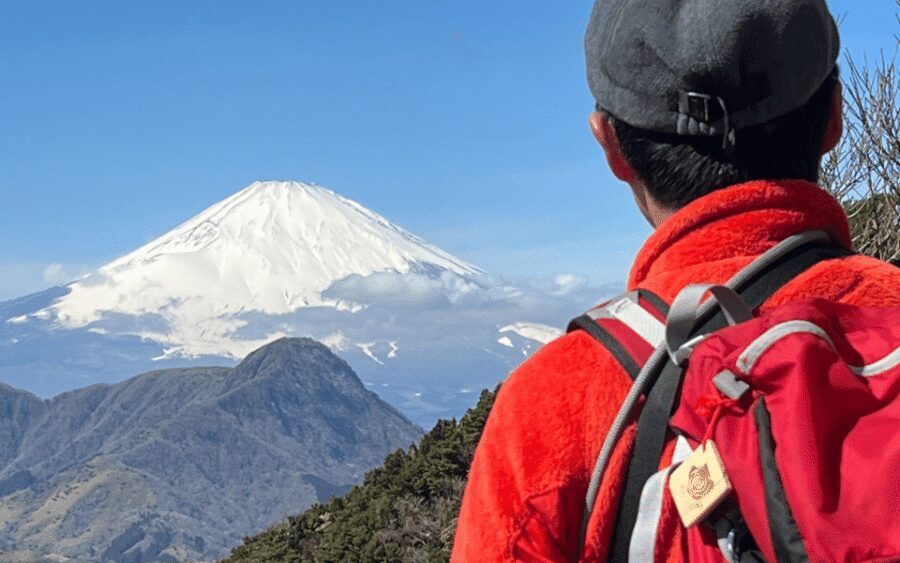
- Mt Fuji views depend on weather, but you’ll still get panoramic Hakone scenery if clouds roll in.
- A real ridge hike (8–9 km, 4–5 hours) with about 400 m climb in the main ascent.
- Volcanic context on the caldera rim, including stops tied to Hakone’s volcanic landscape.
- Small group of up to 6 with English/Japanese support from Aki Wada.
- Onsen is part of the point, not an afterthought, with a tattoo policy you’ll need to plan for.
- What’s included vs extra costs matters: snacks are included, but lunch, onsen fee, and transport are not.
Why this Hakone caldera traverse feels different from a bus tour
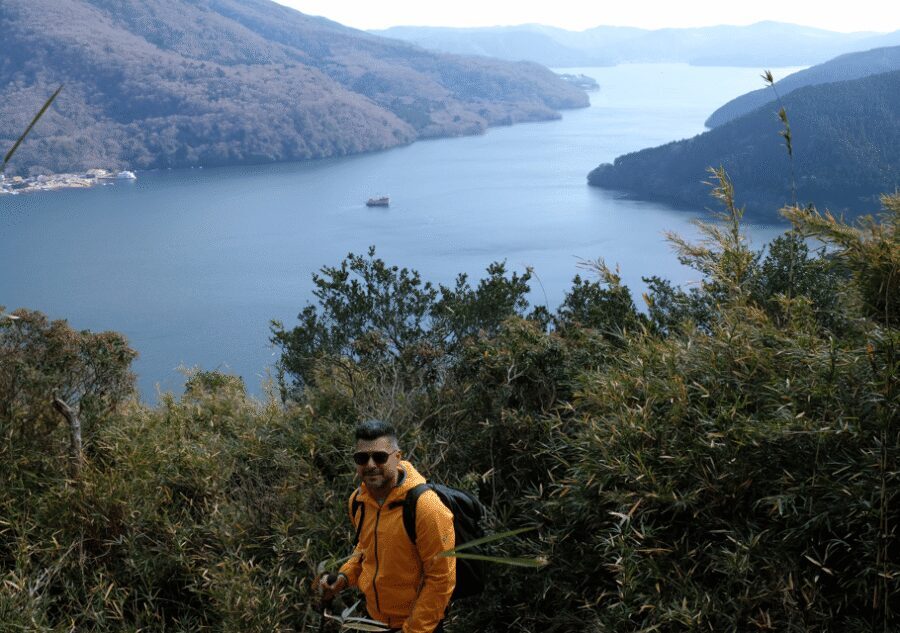
Hakone is famous for onsen, sure. But most days you only see steam from below and crowds from the outside. This tour is different because you move along the caldera rim, where you can actually “read” the land. You’re walking on the ridge and learning how the volcanic activity shaped what you see around you.
I like that the day is built as a full rhythm: hike, lunch, onsen. You start the morning at Hakone-Yumoto Station (8:45am) and then you’re off onto the mountain path with a guide who pays attention to how people walk, not just where they stand. With a small group limited to 6, it stays human-sized.
And because you’re doing a ridge walk with panoramic views, you get that rare feeling that you’re seeing a whole region at once. Not just one landmark. The caldera, the volcanic area, the surrounding peaks, and—if you’re lucky—the famous silhouette.
A few more Hakone tours and experiences worth a look
The real workout: distance, climb, and ridge-walking demands
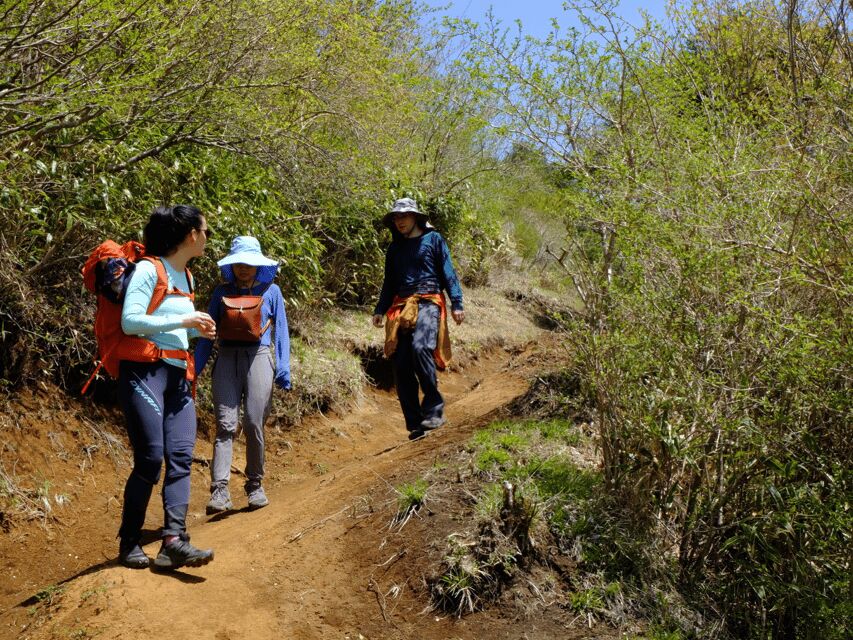
This is a 7-hour outing, but the real hike time is the main event: about 4–5 hours hiking covering roughly 8–9 km. There’s also a 90-minute ascent with about 400 meters of elevation gain. That means your day is designed around climbing, not just gentle sightseeing.
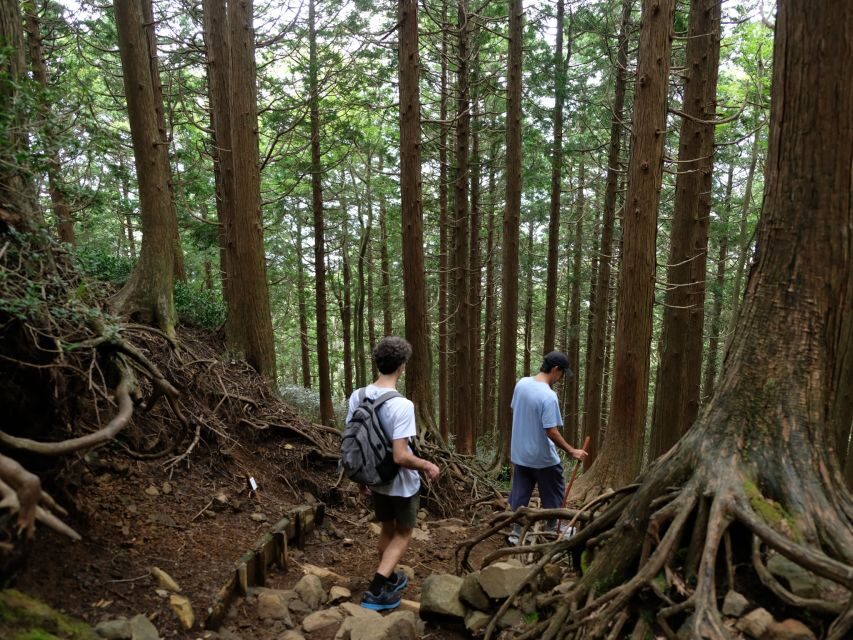
The terrain matters too. You’ll be traversing the outer rim of the Hakone caldera and spending about 3 hours on the ridge walk. Ridge walking often feels steady but mentally draining because you’re balancing sustained effort with long sightlines. It’s not technical climbing, but it does require endurance and sure footing.
Then you’ll come down and rejoin the flow of the region. After the ridge portion, descent is about 30 minutes to reach Togendai. From there, the day wraps up back toward Hakone-Yumoto.
If you already hike regularly, this will feel like a satisfying mountain day. If you usually stick to flat walking, I’d treat it as a serious step up and train a bit beforehand.
From Hakone-Yumoto to the hike: getting out without wasting your morning
You meet at Hakone-Yumoto Station, right at the ticket gate. The tour then moves you toward the trail area using local transport (you’ll likely use a bus/ride segment; the cost of getting to the trailhead isn’t included in the tour price).
Two practical notes I’d keep in mind:
- Plan for extra transit time to feel like a relaxed start. This tour begins early, but it still runs a full day.
- Pack your hiking essentials where you can access them fast after you’re on the ride. You’ll want sunscreen, water, and a hat ready to go.
Also, the tour offers options for staying nearby the night before. If you’re already in Hakone, you may be able to arrange a nearer meeting point. If you want that, contact the operator ahead of time.
The route’s highlights: volcanic views, Owakudani energy, and Sengokuhara scenery
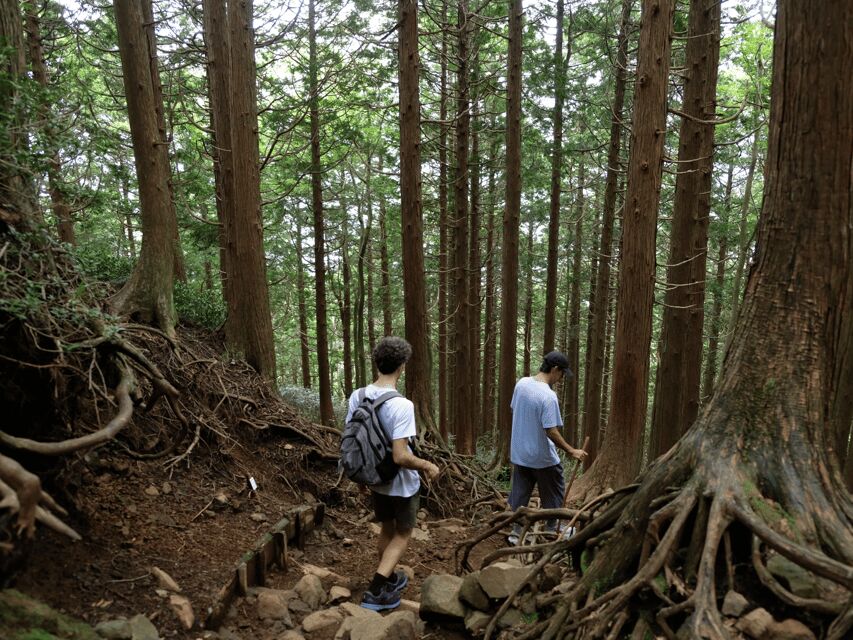
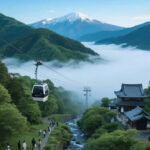
The day is designed around multiple “story” views, not just a single photo stop. Early on, you’ll start moving through the mountain area toward a first scenic stretch where you can get a feel for the caldera terrain.
As you continue, the scenery targets key Hakone areas:
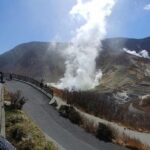
- Owakudani, the volcanic zone known for its geothermal activity
- Sengokuhara, the broader mountain region that often frames the views around Hakone
The info from the route helps you connect what you see with why it looks that way. When you’re up on a ridge, it’s easier to understand volcanic shaping—how ridges, slopes, and valleys relate. You’re not only looking at steam or a crater from a distance; you’re walking close to the geography that creates it.
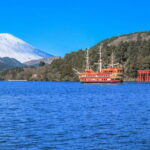
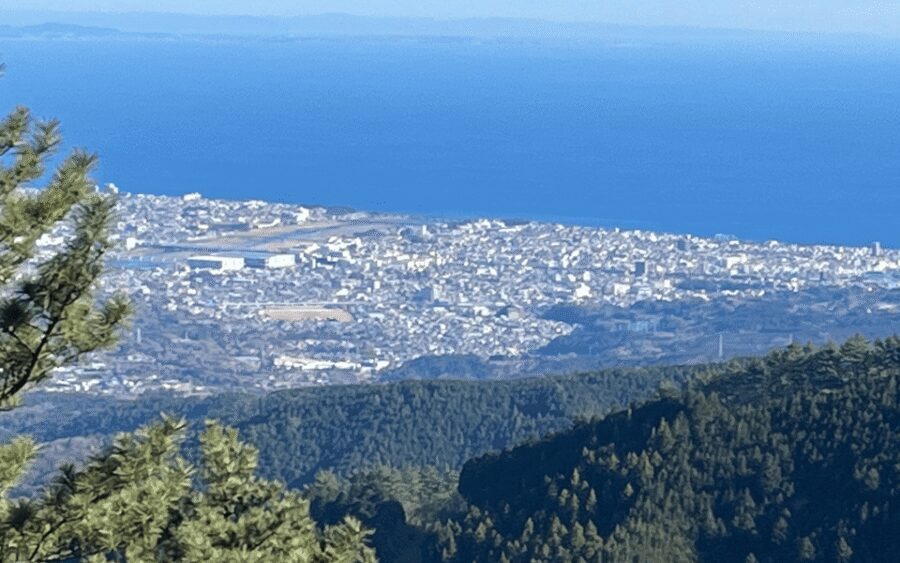
You can also expect views that reach beyond Hakone’s mountains. The route includes the chance to see the Pacific Ocean when conditions allow. That’s a big reward: mountains plus ocean in one day is not a default Hakone experience.
Mt Fuji on the ridge: the best-case plan and the real backup plan
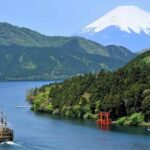
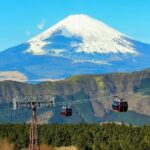
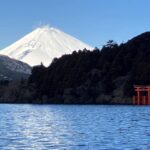
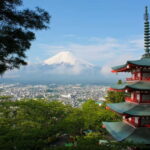
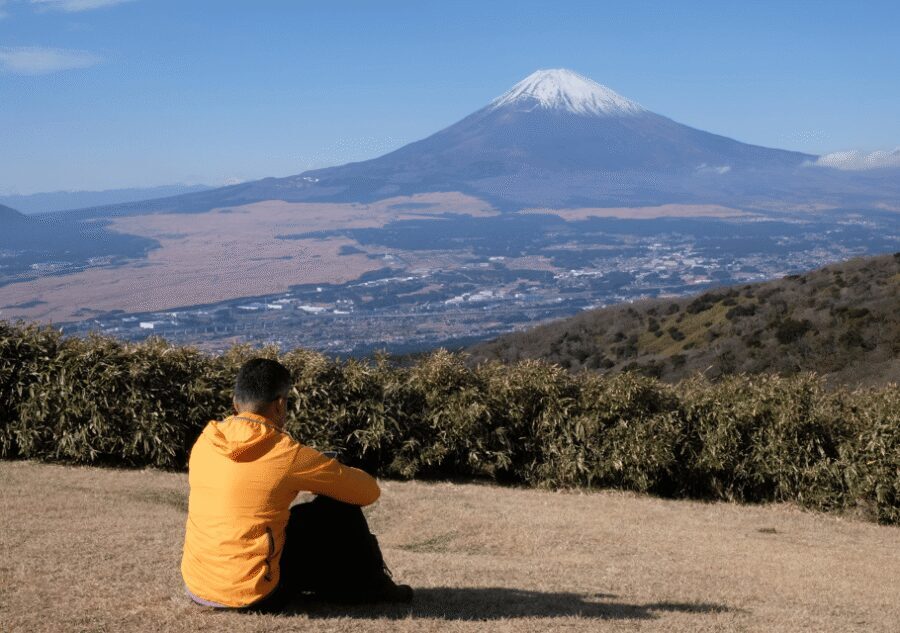
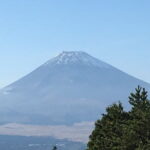
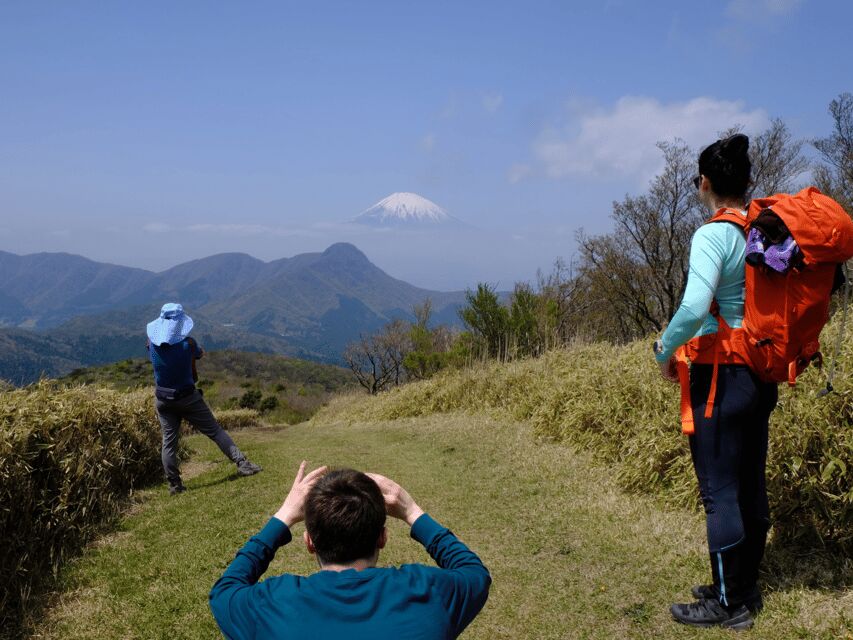
Mt Fuji is the headline. But the tour is realistic about it: visibility depends on weather. If the day is clear, you may see Mt Fuji a lot while you’re on the ridge walk. The best windows are usually when you’re higher and the ridge opens to wide panoramas.
Here’s what I appreciate: even when Fuji is hiding behind clouds, the ridge walk still delivers. You’ll still have a panoramic view of the Hakone area and the mountain scenery around you. You’re not wasting the effort if Fuji disappears—you’re still walking the right ridgeline for the views.
Timing also helps. You get that longer panoramic ridge time after the initial ascent. That means if clouds roll in, you’re in the area long enough to catch breaks rather than chasing Fuji for five minutes.
So think of Mt Fuji as icing, not the whole cake.
Spring sakura, autumn red leaves, and winter powder: why the bamboo field matters
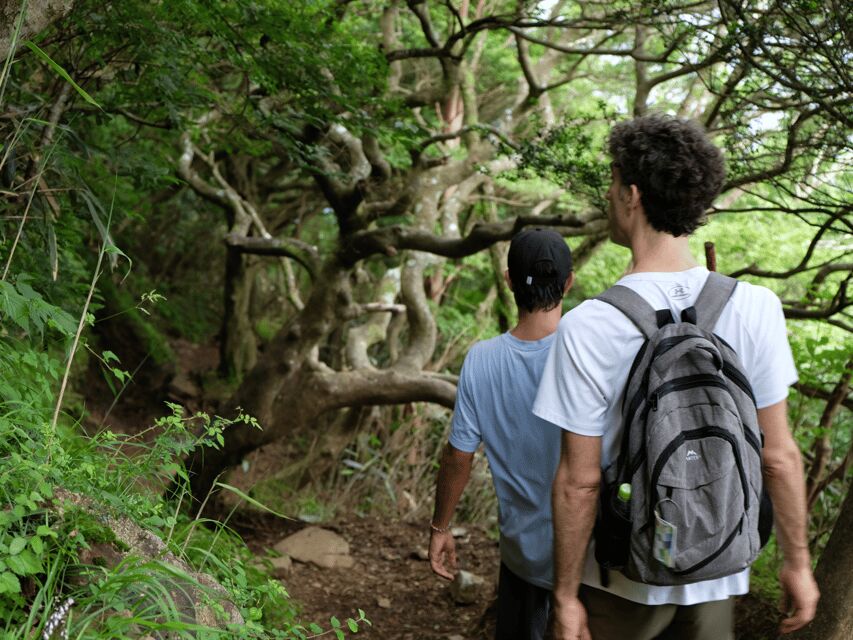
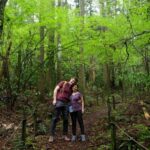
One of the smartest parts of this tour is that it doesn’t feel like a “same-scenery” walk. The ridge route goes through a bamboo field where you can hear birds singing, and the seasonal look changes with the year.
Depending on the season, you might see:
- Sakura in spring
- Red leaves in autumn
- Powdered snow in deep winter
This is one reason the hike feels local and alive. You’re moving through changing vegetation and light, not just “a trail with a view.” If you plan your trip around seasonal scenery, this route gives you several ways to enjoy it in a single day.
Lunch in Hakone: what’s provided and how to plan your energy
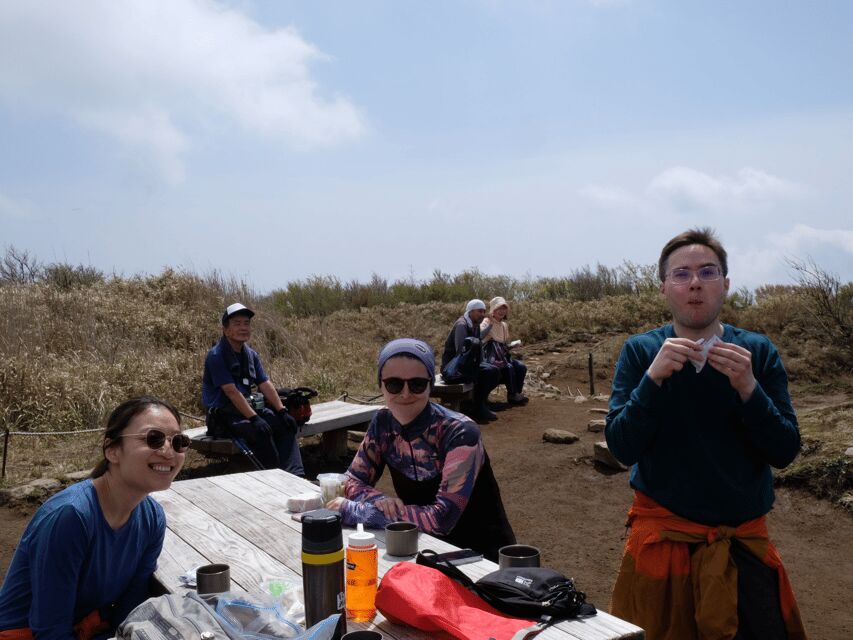
Lunch is arranged in a local Japanese restaurant, but it’s not included in the tour price. The hike itself also includes snacks and drinks on the top of the mountain, which helps you manage the climb and not arrive at lunch wiped out.
How to handle lunch planning:
- Since lunch isn’t included, bring a comfortable budget for it.
- After a 400-meter ascent and hours on the ridge, I find it helps to eat early rather than “skip a little now and pay later.” This tour builds that moment into the day.
The lunch stop is also useful because it interrupts the “all-movement” pace. You’ll go from mountain effort to sitting down, then you’ll head to the onsen to recover.
Onsen at the finish: why this part is the point, plus tattoo rules
This is the Japanese hiking ritual in action: hike, eat, soak. Hakone’s onsen culture is built into the finish of the route, and you’ll be taken to an onsen after lunch.
Two things to know up front:
- The onsen fee is not included and is about 1,500 JPY.
- The guide may use a different onsen depending on Mt Fuji visibility. That means the final choice can shift with conditions.
The onsen experience is part practical recovery and part cultural reset. Your muscles are tired from ridge walking and descent, and soaking is the simple payoff for doing a longer hike than you’d do on your own.
Tattoo policy is important. Many facilities used for this kind of tour do not allow visible tattoos. Previous guests can sometimes enter if they cover tattoos with powdered sheets that can be bought online. If you need help planning this, let the operator know ahead of time so they can advise you.
Price and value: what you get for $154, and what you’ll pay separately
At $154 per person for a 7-hour day, you’re paying for a serious guiding setup and a guided hiking experience, not just a sightseeing walk. What’s included:
- A nationally certified mountain guide with wilderness advanced first aid training
- Snacks and drinks on the mountain
What’s not included:
- Hotel pickup/drop-off
- Transportation to the trailhead (bus ride is about 1,000 JPY)
- Lunch at the local restaurant
- Onsen fee (about 1,500 JPY)
Is it good value? For me, it is when you’re doing it for the full package: expert guide + ridge navigation + volcanic understanding + real onsen recovery. If you were only after a casual stroll, you’d probably spend less going independently. But if you want the caldera rim hike done well—and in a small group—this price stacks up.
Also, the group size matters. A limit of 6 participants keeps you moving as a team instead of feeling like you’re herded.
Small group dynamics and guide style with Akihiro Wada
The guide’s role here isn’t just to point out views. Aki Wada is listed as the owner and chief guide of Coconuts Hike Japan, and the day is built around the ridge experience, not a checklist.
From how the tour is described and how the day is structured, you should expect:
- steady pacing for a ridge traverse
- context while you walk (volcanic landscape understanding)
- photo-friendly moments during scenic breaks
One practical bonus: you’ll be getting a guided day where someone else handles the “where do we stop and why” part. That’s the difference between looking at Hakone and actually understanding what you’re looking at from the right angle.
What to bring (and what to skip) for a ridge day in Hakone
This is the hiking kit that matches the info you’re given:
- Sunscreen
- Water
- Change of clothes (you’ll be doing onsen at the end)
- Hat
- Hiking shoes
If you carry layers, that’s a plus, especially if you’re walking ridges where conditions can feel cooler or more exposed. But don’t overpack. The hike is long enough that you’ll feel heavy items.
Also remember: onsen comes after lunch. You’ll want clothes that are easy to swap and dry quickly enough for comfort.
A realistic look at who should book this, and who might not
This tour suits you if:
- you hike regularly or are comfortable with sustained walking
- you want the Hakone caldera on foot, with volcanic context
- you like finishing with an onsen rather than treating it as a separate afternoon plan
- you want a small group and a guide who helps you get the best out of the day
You might skip it if:
- you’re not ready for about 4–5 hours of hiking and a 400-meter climb
- you’re expecting a mostly flat walk
- you have tattoo concerns you cannot resolve ahead of time
Weather sensitivity is another deciding factor. Even though the ridge walk still works on cloudy days, if you’re chasing Fuji as a must-have, you should accept that plans may not line up perfectly.
Should you book Hakone: Traverse the Hakone Caldera and Enjoy Onsen?
If you want a Hakone day that feels like a mountain journey—not a ride-and-photo circuit—this is a strong pick. The value comes from combining three hard-to-get pieces in one day: ridge hiking, volcanic understanding from the right vantage, and a real onsen finish.
Book it if you can handle a fit hike (8–9 km, with real elevation). The payoff is the ridge panorama and the sense that you spent your time where Hakone makes its most dramatic impression.
Don’t book it if you’re hoping for an easy walk or if you’re unwilling to manage the tattoo-on-onsen rule and the extra costs for lunch and the onsen fee.
If you do book, plan your day like a hike: shoes tied tight, water ready, and a willingness to accept Mt Fuji as weather-dependent.
FAQ
Where is the meeting point and what time do we start?
You meet at Hakone-Yumoto Station, at the ticket gate, at 8:45am.
How long is the tour, and how much of it is actual hiking?
The full tour lasts 7 hours. The hike portion is about 4–5 hours and covers roughly 8–9 km.
Is Mt Fuji guaranteed during this tour?
No. You can see Mt Fuji if the weather permits, and visibility can change during the ridge walk.
How much elevation gain is there?
The main ascent to the mountain top is about 90 minutes with an elevation gain of roughly 400 meters.
How many people are in the group?
It’s a small group, limited to 6 participants.
Is lunch included in the price?
No. Lunch is arranged at a local Japanese restaurant, but lunch is not included in the tour price.
Do I need to pay for the onsen?
Yes. The onsen fee is not included, and it’s about 1,500 JPY.
Are tattoos allowed at the onsen?
Visible tattoos are not allowed at most facilities. Previous guests may be able to enter if they cover tattoos with powdered sheets; you should ask the operator for help if needed.