REVIEW · HAKONE
Hakone Geology & History Tour
Book on GetYourGuide →Operated by Hike Hakone Hachiri 合同会社 · Bookable on GetYourGuide
Hakone feels alive in every direction. You get volcanic scenery, old-road Japan, and human stories in one day, guided by English speaker Tony. I especially love the stop at the 400-year-old Amazake Teahouse, where you chat with the 13th generation manager of the Yamamoto family. I also love the short Old Tokaido Foot Highway stretch lined with towering cedars, because it gives you a calmer, slower way to feel how Japan used to connect its big cities.
One thing to plan around: the Owakudani ropeway crosses directly over an active crater, so this tour is not recommended for anyone with heart or respiratory disorders.
In This Review
- Key Things You’ll Notice Right Away
- Why Hakone’s Volcanic Core Makes This Tour Feel Real
- Getting Started: Pickup Options and a Straightforward Day Flow
- Owakudani Valley Ropeway: Views Over an Active Crater
- Lake Ashinoko by Pirate Ship: A Water Lesson That Never Freezes
- Old Tokaido Foot Highway Under 400-Year Cedars
- Tea Time at the 400-Year-Old Amazake Teahouse
- How Tony’s Guidance Changes Your Day
- Price and Value: Why $483 Per Group Can Be Fair
- Practical Planning Tips Before You Go
- Should You Book This Hakone Geology & History Tour?
- FAQ
- What is the duration of the Hakone Geology & History Tour?
- How many people are in a private group?
- Where are the pickup locations?
- What transport parts are included during the day?
- Is Mt. Fuji guaranteed to be visible?
- What is included in the price?
- What is not included?
- Where does the tour end?
- Is this tour suitable for everyone?
Key Things You’ll Notice Right Away
- Owakudani ropeway over an active volcanic crater gives you big-caldera context fast
- Lake Ashinoko pirate ship feels like a postcard, but it’s also a lesson in geothermal water
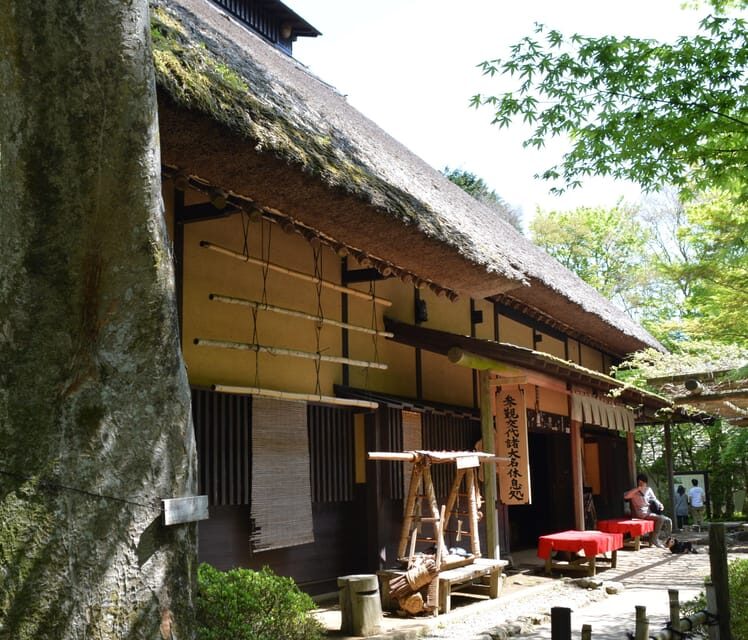
- 400-year-old Amazake Teahouse brings you face-to-face with the Yamamoto family story
- Old Tokaido Foot Highway offers a short walk under long, ancient cedar trees
- Private English guidance helps you move efficiently between Hakone areas
- Mt. Fuji views are weather-dependent, so your day needs a flexible mindset
Why Hakone’s Volcanic Core Makes This Tour Feel Real
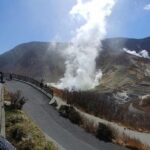
Hakone is an ancient caldera, about 15 miles across, shaped by eruptions long ago and still active in a low, ongoing way. Today, that activity shows up at Owakudani Valley, where a crater is still breathing steam and heat. This is why the day doesn’t feel like a museum of landscapes. It feels like a living system you can actually see, smell, and understand.
I love that the tour connects the dots for you. You’re not just riding rides. You’re learning why this region looks the way it does, and why water behaves differently here than it does elsewhere in Japan.
You can also read our reviews of more historical tours in Hakone
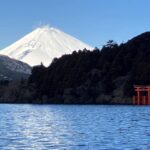
Getting Started: Pickup Options and a Straightforward Day Flow
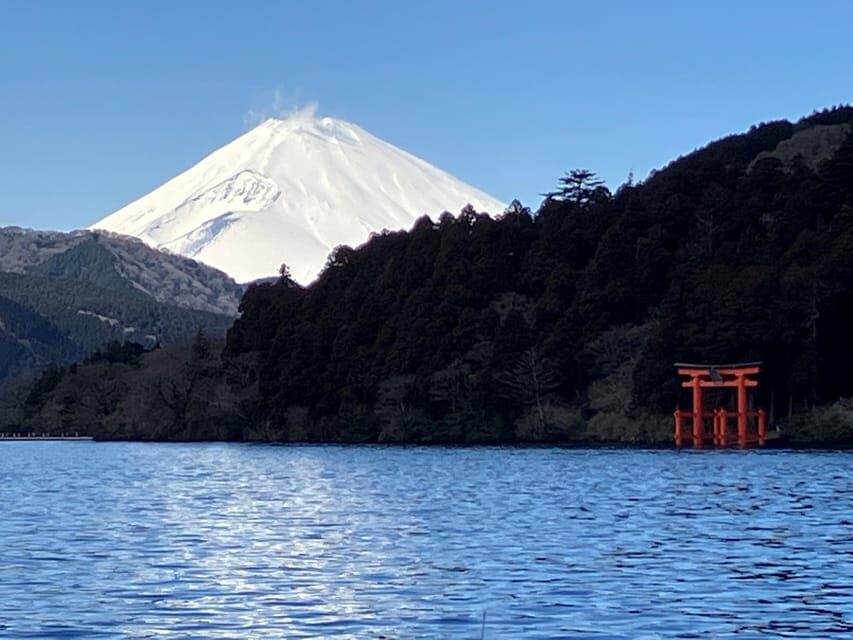
The tour runs about 8 hours, and it’s built for a smooth start. You’ll choose one of three pickup points: Hakone-Yumoto Station, Yumoto Station Hotel MIRAHAKONE, or Odawara Station. If you’re coming from Tokyo for the day, you’ll be met at the Odawara Station ticket gate. If you’re staying overnight in Hakone, pickup can be at your hotel.
From there, you’ll take a train segment of about 75 minutes as part of the transfer. Then the day switches into sightseeing mode with a ropeway ride, a boat cruise, and two cultural stops.
This matters because Hakone can be confusing if you’re trying to piece it together on your own. With a private guide and a set rhythm, you spend less time figuring out connections and more time actually absorbing what you’re seeing.
Owakudani Valley Ropeway: Views Over an Active Crater
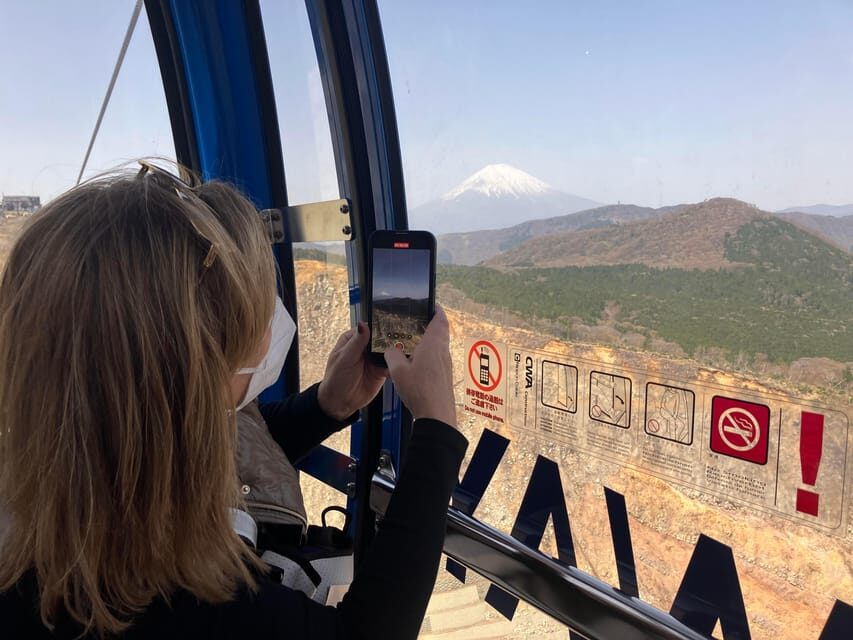
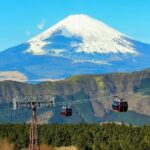
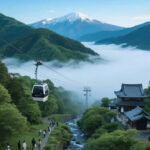
The main punch of the day is the trip through Owakudani Valley. You’ll ride the gondola/ropeway for about 1 hour, and you’ll cross right across the mouth of the active crater. That’s a striking moment, but it comes with a clear trade-off.
This ride is not recommended for anyone with heart or respiratory disorders. The tour description is direct about this, and it’s worth respecting. If that’s you, ask about alternative plans or stick to areas you can reach without that exposure.
If you’re physically able to do it, this is one of those rare travel moments where the geology feels immediate. Hakone’s volcanic activity isn’t a backdrop. It’s the headline.
Lake Ashinoko by Pirate Ship: A Water Lesson That Never Freezes
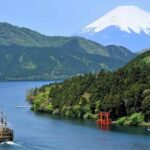
After Owakudani, you’ll shift from crater heat to lake calm. You’ll take a 1-hour boat cruise on Hakone’s pirate ship across Lake Ashinoko.
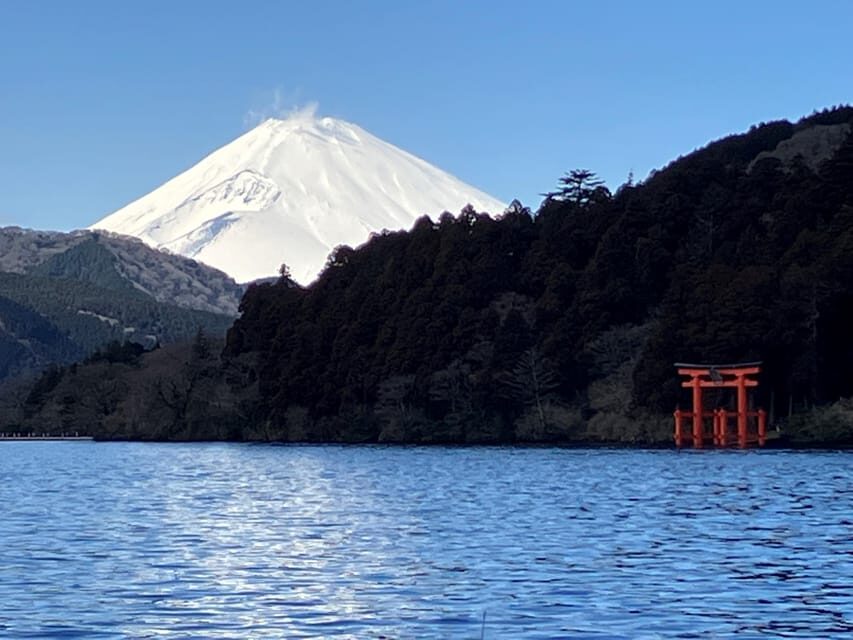
Here’s the cool part: Lake Ashinoko is about half a mile deep, and it never freezes because of hot spring water gushing up from its depths. That’s the kind of detail that turns a scenic ride into a real understanding of how this place works.
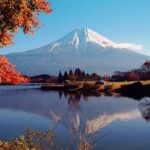
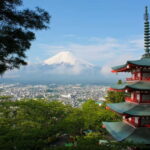
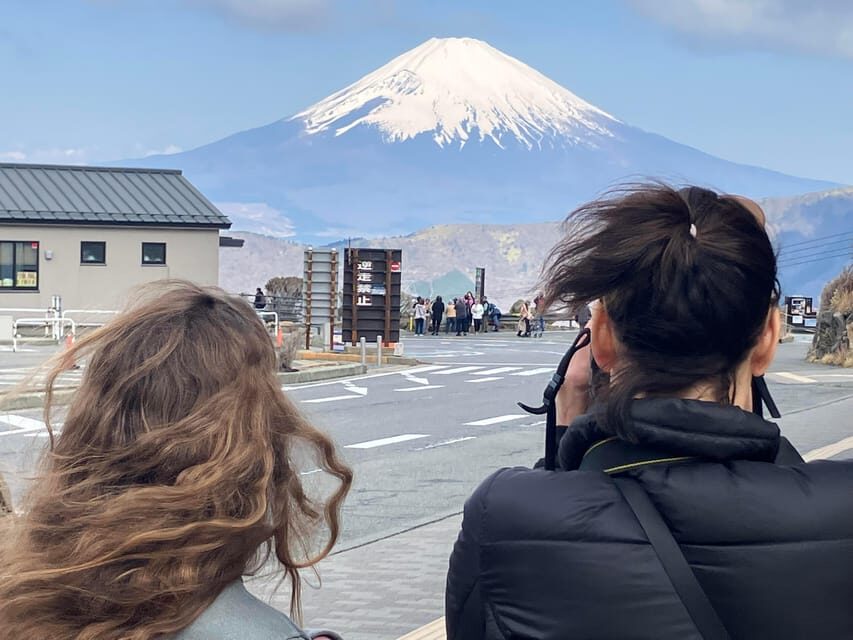
Weather will also decide what you see. Mt. Fuji views are possible but not guaranteed, depending on conditions. I’d treat Fuji like a bonus, not a promise.
Old Tokaido Foot Highway Under 400-Year Cedars
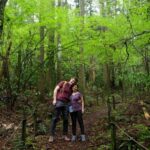
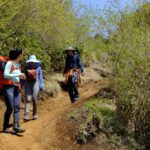
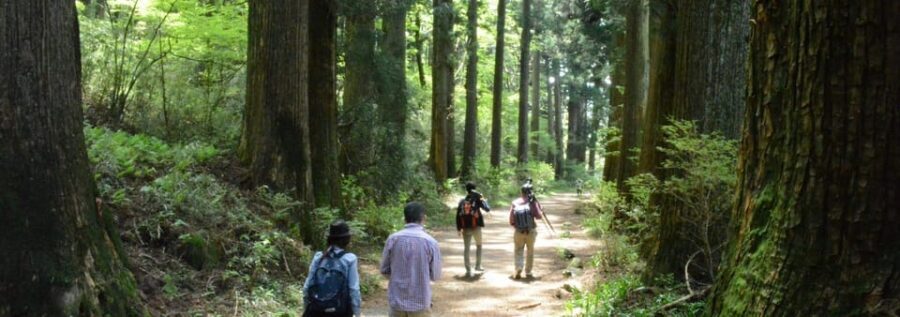
Between the big scenic stops, you’ll get a shorter walk along the Old Tokaido Foot Highway, Japan’s historic route connecting Tokyo, Kyoto, and Osaka. This section is lined with towering 400-year-old Japanese cedars.
That cedar tunnel effect changes your pace. It’s quieter than the viewpoints, and it makes the day feel less rushed. You’ll also get context for why Tokaido mattered: it wasn’t just a road. It was the artery for travel, commerce, and communication between major centers.
Practical note: because this is a walk on a historic path, wear shoes you’re comfortable in. Even if it’s not a long hike, you’ll likely want grip and support.
Tea Time at the 400-Year-Old Amazake Teahouse
The cultural center of gravity is the 400-year-old Amazake Teahouse. This stop is about 1 hour, and it’s built around a chat with the 13th generation manager of the Yamamoto family. That’s a rare setup in travel days like this. You’re not just consuming a snack. You’re meeting the people who kept the tradition going.
In plain terms, this is where you feel the human side of Hakone. Volcanic regions can be easy to turn into only scenery, but Amazake is about craft and continuity. You’ll likely try the teahouse’s unique offerings, including rice tea and mochi, which is the kind of pairing that makes the whole stop memorable.
If you like Japan’s everyday culture as much as its headline sights, this is the moment to slow down. Let the guide translate the family story and ask questions. You’ll come away with something more grounded than a photo.
How Tony’s Guidance Changes Your Day
The tour’s value isn’t just the stops. It’s the guidance. The English guide—Tony—is described as passionate and deeply informed about Hakone and Japan’s broader societal development. That storytelling style matters because it shapes what you notice.
You also get an efficiency benefit. With a private group, Tony can help you move quickly between the right areas instead of getting pulled in a dozen directions by signage or crowds. In at least some cases, the guide stays flexible and helps you keep your plans moving even if the real world throws friction at you.
I like that this tour doesn’t assume everything will go perfectly. It has the structure of a day plan, but the human guidance can smooth over the awkward bits.
Price and Value: Why $483 Per Group Can Be Fair
The price is $483 per group, up to 8 people. That’s the part that makes you pause, especially if you’re used to tours priced per person.
Here’s the honest value equation. You’re paying for:
- a private, English-speaking guide (Tony) who interprets geology and history
- multiple transport-linked segments inside Hakone (train transfer, ropeway, and boat time)
- pickups that reduce the guesswork, plus the tour’s full day structure (ending at Odawara Station)
What’s not included is important too: you’ll handle local transport by pre-purchasing the Hakone Free Pass, and you’ll cover lunch and afternoon tea separately.
So when does this feel worth it? If you’re traveling as a small group and you want more than “show up, look around, leave.” This is for you if you enjoy explanations and want a day that feels organized, not random.
If you’re traveling solo or as a couple and you’re mostly after viewpoints, you might find cheaper options. But they rarely deliver the same context or private pacing.
Practical Planning Tips Before You Go
A few things will make your day smoother.
First, take Fuji expectations down a notch. Mt. Fuji views are weather permitting, so plan for both a clear day and a misty one. If Fuji appears, great. If not, the volcanic and cultural stops still give you a full Hakone experience.
Second, respect the safety note about the Owakudani ropeway. If you have heart or respiratory issues, this tour is not recommended.
Third, wear footwear you trust for walking. That cedar-lined Tokaido stretch is short, but it’s still a walk on a path where you’ll want comfort.
Should You Book This Hakone Geology & History Tour?
Book it if you want Hakone to make sense, not just impress you. The combination is strong: volcanic crater scale at Owakudani, Lake Ashinoko’s geothermal logic on the pirate ship, a cedar-lined slice of historic Japan, and a real cultural meeting at the Amazake Teahouse with the Yamamoto family line.
Skip or rethink it if you cannot handle the Owakudani ropeway due to heart or respiratory disorders. Also, if you’re the type who needs Fuji to be the whole point, remember it depends on weather.
FAQ
What is the duration of the Hakone Geology & History Tour?
The tour runs for about 8 hours.
How many people are in a private group?
The tour price is for a group up to 8 people.
Where are the pickup locations?
You can be picked up at Hakone-Yumoto Station, Yumoto Station Hotel MIRAHAKONE, or Odawara Station.
What transport parts are included during the day?
The day includes a train segment (about 75 minutes), a gondola/ropeway ride to Owakudani Valley (about 1 hour), and a boat cruise on Lake Ashinoko (about 1 hour).
Is Mt. Fuji guaranteed to be visible?
No. Mt. Fuji views are weather permitting.
What is included in the price?
An experienced English guide is included, along with the guide’s own costs.
What is not included?
Local transport (you should pre-purchase the Hakone Free Pass), lunch, and afternoon tea are not included.
Where does the tour end?
The tour finishes at Odawara Station.
Is this tour suitable for everyone?
It is not recommended for customers with heart or respiratory disorders.