REVIEW · HAKONE
Hike Japan Heritage Hakone Hachiri (Half Day)
Book on Viator →Operated by Coconuts Hike Japan · Bookable on Viator
Cobbles, woods, and Fuji—if the sky cooperates. This Hakone Hachiri half-day hike takes you off the main tourist flow and onto a mix of old Tokaido cobbled paths plus quieter forest trail, with just enough guidance to make the history click. I also love the stop at a 400-year teahouse for amasake, because it turns a walk into a real Hakone moment.
The one thing to think about is weather. This hike runs on the hope of clear conditions, so slippery cobbles or cloudy skies can dim the experience, especially the chance for a Mt. Fuji view across Lake Ashi.
In This Review
- Key points you’ll feel on the Hakone Hachiri trail
- Hachiri on the old Tokaido: what the trail feels like
- Starting at Hakone-Yumoto and skipping the hardest section by bus
- Hatajuku: Hakone’s woodcraft village break and cultural context
- The 400-year tea house and the amasake warmth
- Lake Ashi: forest bathing energy and a Mt. Fuji photo try
- The Hakone checkpoint: turning a route into a lesson
- Price and logistics: is $114.95 worth it?
- Pace and fitness: who this hike suits
- What to bring for a smooth Hakone half-day
- Getting to your next stop after Lake Ashi
- Should you book the Hakone Hachiri hike?
- FAQ
- What is the total duration of the Hakone Hachiri half-day hike?
- Where do you meet, and where does the tour end?
- Is this hike suitable for beginners?
- What’s included in the price, and what costs extra?
- Does the tour include admission tickets?
- What happens if weather is poor?
Key points you’ll feel on the Hakone Hachiri trail
- Old Tokaido cobbles: a rare, preserved feel of the historic road
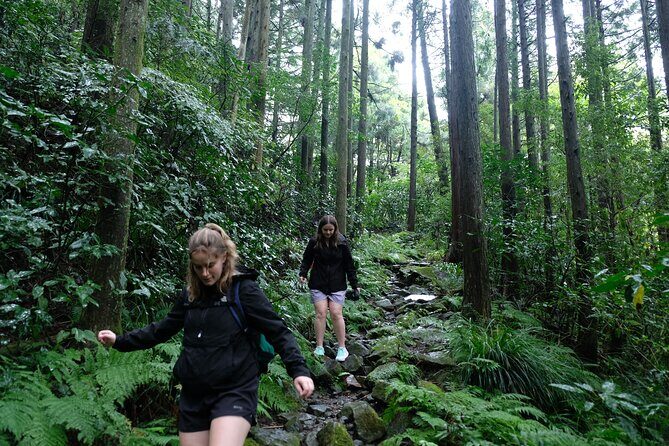
- Forest time that isn’t overcrowded: you often get real quiet in the woods
- Hatajuku woodcraft village: hands-on cultural context for Hakone’s maker side
- Amasake at a 400-year tea house: warm, local, and built into the route
- Lake Ashi viewpoints: a weather-dependent Mt. Fuji photo opportunity
- Small group pace (max 6): easier conversation with your certified guide
Hachiri on the old Tokaido: what the trail feels like
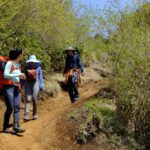
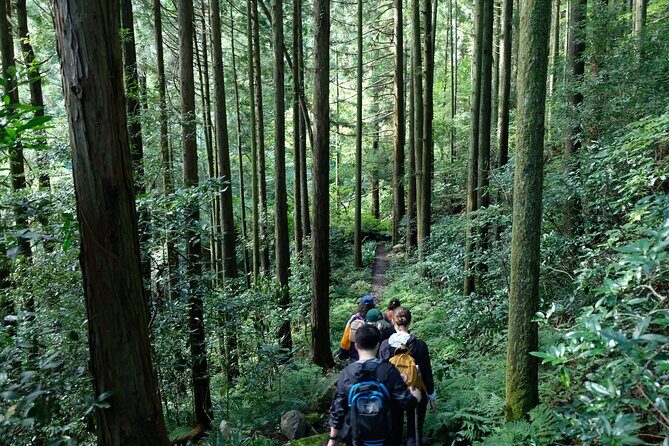
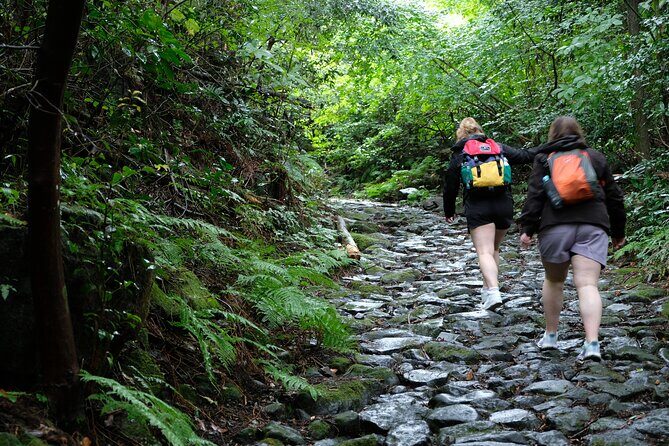
Hakone Hachiri is a half-day that feels longer in the best way. You’re hiking about 2–3 hours, but the route is paced like a walk with story beats: cobbled sections, then turns into more primitive forest paths. That mix matters. The cobbles give you traction in the mind, because you can physically sense the old road under your feet. Then the forest part resets your attention, so the history doesn’t stay trapped in facts.
A key detail: part of the route is off the beaten track. In practice, that means the hike can feel calmer than the busier Hakone viewpoints. You’ll still see plenty of nature, but you’re not doing a generic “walk in trees.” You’re moving along a historic corridor between Hakone Yumoto and Lake Ashi, the kind of route that shaped travel between major areas of Japan.
Since this is a forest-and-stone hike, your footwear matters. I’d treat it like a comfortable day hike, not a stroll. Bring shoes with solid grip, and expect some uneven footing on the cobbled segments.
You can also read our reviews of more historical tours in Hakone

Starting at Hakone-Yumoto and skipping the hardest section by bus
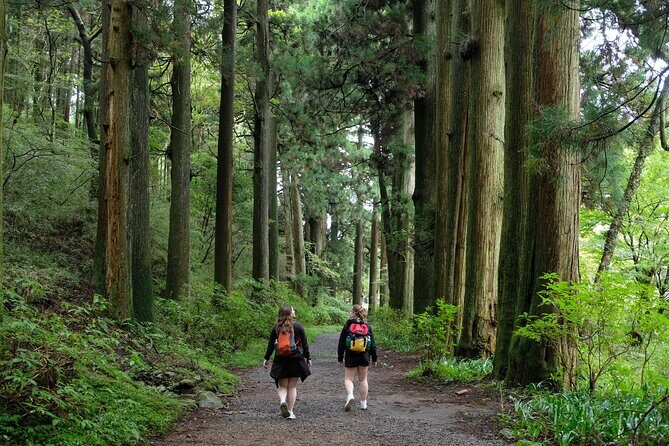
The tour starts at Hakone-Yumoto Station at 9:00 am. That early start helps you beat the crush, and it also lines up nicely with a half-day plan that can continue elsewhere.
One smart move is that you skip the steepest part by bus after the first segment. That’s a big deal for value. You get the historic trail experience without turning the morning into a leg-burning climb. It keeps the hike doable for people with moderate fitness, which is exactly what the tour is pitched for.
You’ll still walk a meaningful chunk, but the design makes it easier to finish strong, not wrecked. If you’re traveling with someone who gets tired on hills, this route structure is likely to feel fair.
Hatajuku: Hakone’s woodcraft village break and cultural context

After about one hour of hiking, you reach Hatajuku. This is where the day shifts from purely scenic to seriously place-based.
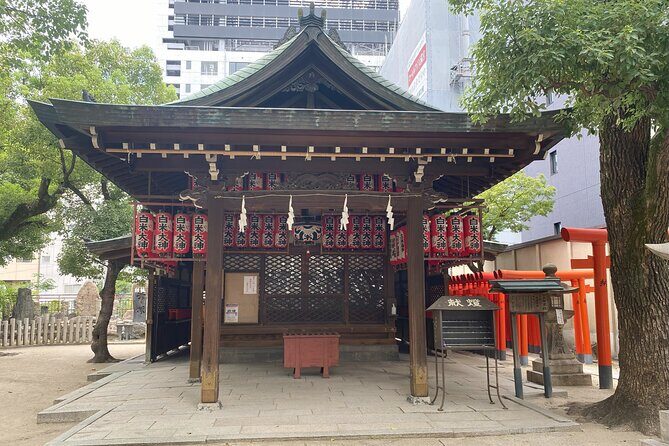
Hatajuku is described as a wood craving village, and that wording points to the core experience: Hakone has a long tradition of woodwork and crafts tied to the region’s history and economy. Your guide uses this stop to explain what you’re seeing and why it matters in Hakone’s story.
This part of the day also acts like a palate cleanser. You step out of the quiet trail rhythm and into a village atmosphere where you can take photos, look closely at craft details, and ask questions without feeling rushed.
Time-wise, this is about a 2-hour block in the schedule, and the station-style pacing tends to work well here. In the guide-led flow, you get the chance to understand the Edo-era road in a human way, not just as a line on a map.
One note from the on-the-ground vibe: the guide may also point out refreshments during the break. In at least some versions of the experience, people have enjoyed barley tea and a traditional rice dessert as a quick snack. Even if you don’t go out of your way to hunt for food, plan for a small energy dip after the first hiking push, then refuel here.
The 400-year tea house and the amasake warmth
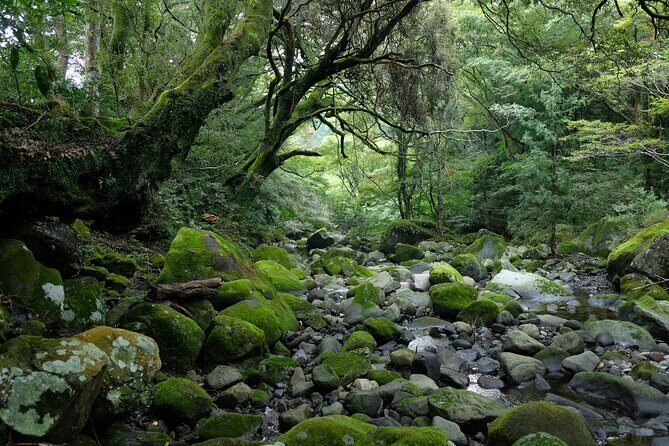
Next comes the route’s best “stop-you-can-feel” moment: Hakone Amazake Tea House. You spend about 30 minutes here.
Amasake is the star. It’s not just a drink; it’s a break that matches the weather pattern of this area. Hakone sits in a zone where a change in temperature can happen fast, and a warm, sweet drink can make the rest of the hike feel easier. You’re also not sitting in a generic tourist cafe. The tea house has a history of 400 years, which gives the stop weight. It’s the kind of place where you’re not just fueling up—you’re taking a breath inside a living local tradition.
This stop also plays a practical role. You’re about halfway through the day, and the tea-house time helps you transition from “hike mode” to “finish mode.” If you tend to get cold on trails, this is where you’ll thank yourself for showing up prepared.
Lake Ashi: forest bathing energy and a Mt. Fuji photo try
From the tea house, you continue toward Lake Ashi, with the schedule giving you about one hour for the lakeside segment.
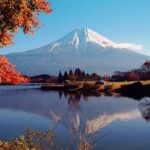
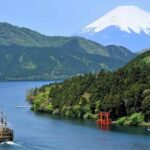
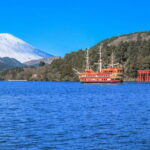
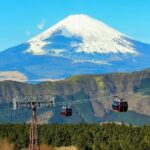
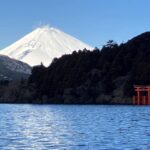
Lake Ashi is where the hike turns into payoff. If weather permits, you may get a view of Mt. Fuji across the lake. That’s the big headline moment, but it’s also the most fragile one, because visibility depends on clouds and clarity that morning.
Even if Fuji stays out of sight, you still get value here. This area is about open water views and that calm, slow feeling you get when you step away from the forest. Your guide keeps you moving at a comfortable pace and helps you time the view window so you’re not just wandering.
This is also a good place for photos, but don’t trap yourself in perfect conditions. The better strategy is to take a few frames when you can, then stay present for the actual scenery.
You can also read our reviews of more hiking tours in Hakone


The Hakone checkpoint: turning a route into a lesson
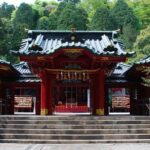
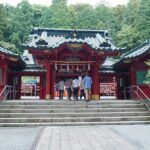
After Lake Ashi, the itinerary ends with the Hakone Checkpoint—about 30 minutes. This is your “why Hakone mattered” stop, and your guide explains the significance of Hakone in Japan’s history.
This matters because the Hachiri isn’t only a walking route. It’s a corridor tied to how people moved and how regions connected. When your guide explains what the checkpoint represented—socially, strategically, or historically—the hike clicks into place. You stop thinking only about footsteps and start thinking about travel as a system.
It’s also a useful mental reset. By the time you reach the checkpoint, your legs are tired enough that you won’t want long museum-style explanations, but you still have energy for a focused history stop.
Price and logistics: is $114.95 worth it?
At $114.95 per person for a roughly 4-hour experience, the price makes sense only if you value two things: real guiding and a structured route that avoids the steepest uphill.
Here’s what you get that justifies the cost:
- A certified National Mountain Guide, which is a big deal on mixed surfaces like cobbles plus forest trails
- A plan that strings together multiple meaningful stops—village, tea house, checkpoint, and lake
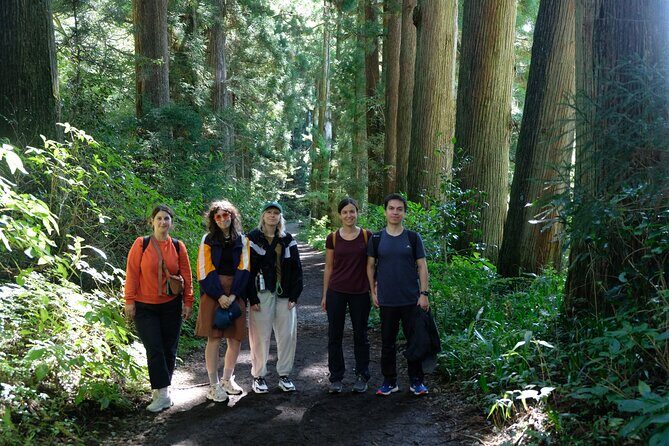
- A small group size (max 6 travelers), which keeps the experience from feeling generic
What you don’t get is also important:
- Shared taxi to the trailhead can cost around 2000 yen total, split among the group
- A bus fee to reach the tea house is under 400 yen
In other words, the main payment goes to the guiding and route design. The extra transport costs are relatively minor compared to the time and expertise you’re buying.
One more practical signal: the tour is commonly booked about 59 days in advance. If you want a specific date, I’d plan ahead. Hakone stays popular, and a small group hike can fill faster than you’d expect.
Pace and fitness: who this hike suits
This is labeled for moderate physical fitness, and I think that’s accurate. The day includes:
- About 2–3 hours of hiking
- A mix of cobbled paths and forest trail
- A bus segment that skips the steepest climb
So, if you can walk for a couple hours at a steady pace and you’re comfortable with uneven ground, you’re likely good.
This route can also work well for families who want history plus scenery without a marathon. People have brought teens and had a good time, and the small group structure helps the guide keep everyone on track.
If you have mobility limitations or you hate slippery stones, this may not be your best day. The cobbles are part of the point, so you shouldn’t plan to treat that section lightly.
What to bring for a smooth Hakone half-day
You don’t need a hiking expedition kit, but you do want basics that match the terrain:
- Good walking shoes with grip for cobbles and forest paths
- A light layer for the forest-to-lake temperature shift
- Weather-ready gear since the tour is described as requiring good weather
- Water (the tea stop is helpful, but it’s only one break)
Also, check the timing mindset. The plan ends around 1 pm at the Lake Ashi area, so you’ll be in a position to move on right away.
Getting to your next stop after Lake Ashi
At the end, you can catch buses or a ferry (pirate ship) to continue onward. That’s a handy way to make this part of a bigger Hakone day. Finish the hike, then switch gears to a scenic transport moment while everyone’s still feeling human.
The tour starts at Hakone-Yumoto Station and finishes around Motohakone, so you’ll have an easier time connecting to other sights along the lake and valley.
Should you book the Hakone Hachiri hike?
Book it if you want a Hakone experience that feels grounded in place. This is not a “stand and look at a view” tour. It’s a walking route where you get cobbled old-road texture, a village-craft stop, a 400-year tea house, and then the chance at Lake Ashi + Mt. Fuji when conditions allow.
I’d also book it if you like small-group touring. With max 6, you’re more likely to get real answers from your guide and a smoother pace when the trail gets uneven.
Skip or reconsider if weather reliability is your top concern. The tour depends on good conditions, and Fuji is never guaranteed. If you hate unpredictability, plan a backup day in Hakone anyway.
In short: if your idea of a great day is walking a story, not just collecting photos, this half-day hike is a smart choice.
FAQ
What is the total duration of the Hakone Hachiri half-day hike?
It runs for about 4 hours. The hiking portion is about 2–3 hours, with time built in for village, tea house, checkpoint, and Lake Ashi.
Where do you meet, and where does the tour end?
You meet at Hakone-Yumoto Station and finish at the Lake Ashi / Motohakone area. From there, you can take a bus or ferry to your next destination.
Is this hike suitable for beginners?
It’s aimed at people with moderate physical fitness. If you can handle a couple hours of walking over mixed terrain and you’re comfortable with uneven paths, you’ll likely be fine.
What’s included in the price, and what costs extra?
Included is a certified National Mountain Guide and the tour portion itself. Not included: shared taxi to the trailhead (about 2000 yen to split) and a bus fee to the tea house (less than 400 yen).
Does the tour include admission tickets?
The scheduled stops list admission ticket free for the village, tea house, checkpoint, and Lake Ashi.
What happens if weather is poor?
This experience requires good weather. If it’s canceled due to poor weather, you’ll be offered a different date or a full refund.