Gion feels like a stage set after dusk. In a tight 90 minutes, you’ll walk the lantern-lit lanes of Hanamikoji and learn how Geiko and Maiko life fits into Kyoto’s Shinto and Buddhist rhythm. I especially like the small-group pace that keeps the vibe friendly, and I also like that you get sake in hand while the streets look their best at night. The one watch-out: it’s still a walking tour, so you’ll want comfortable shoes and you should skip it if you have back problems.
This experience is built for people who don’t want a loud, rushed checklist. You’ll get landmarks like Yasaka Pagoda (Hōkan-ji Temple) when it’s lit up and less crowded than daytime, plus quieter shrine stops tied to local beliefs. One possible drawback to consider is that it’s a night walk through residential and sacred areas, so you’ll need to keep your voice low and stay mindful around neighbors.
In This Review
- Key Things I’d Prioritize on This Gion Night Walk
- Why Gion Looks Different After Dark (and Why This Tour Works)
- The Group Size and Guide Style That Make It Feel Personal
- Start at Shijo Kiyamachi: Finding the Guide Without Stress
- Hanamikoji Street at Night: The Famous Lane, Without the Day Noise
- Yasui Kompira-gū Shrine: A Quieter Detour With a Purpose
- Hōkan-ji Temple and Yasaka Pagoda: The Iconic Night View
- Ninenzaka: The Old Cobblestone Slope Feel
- Finish at Yasaka Shrine: The Spiritual Anchor of Gion
- Sake While You Stroll: A Small Touch With Big Atmosphere
- When Weather Turns Quiet: Why Rain Can Improve the Evening
- Price, Time, and Value: Is $32 a Good Deal?
- Who Should Book This Gion Evening Walk?
- Should You Book It? My Straight Answer
- FAQ
- FAQ
- How long is the tour?
- How big is the group?
- What language is the tour guide speaking?
- Is sake included?
- What photo help is provided?
- Where do I meet the guide?
- What’s the walking like?
- Is smoking allowed?
- Where does the tour end?
- Is the tour refundable if plans change?
Key Things I’d Prioritize on This Gion Night Walk
- Small group up to 10 people keeps the conversation real, not rehearsed
- Lantern-lit photo stops with guide support so you spend more time enjoying than aiming
- Yasaka Pagoda at night gives you the classic scene without the worst of the day crowds
- Two Shinto-flavored stops (Yasui Kompira-gū and Yasaka Shrine) add meaning beyond Gion streets
- Included local sake turns the walk into a more Kyoto-style, slower experience
- 90 minutes with compact routing helps you see the essentials without burning your whole evening
Why Gion Looks Different After Dark (and Why This Tour Works)
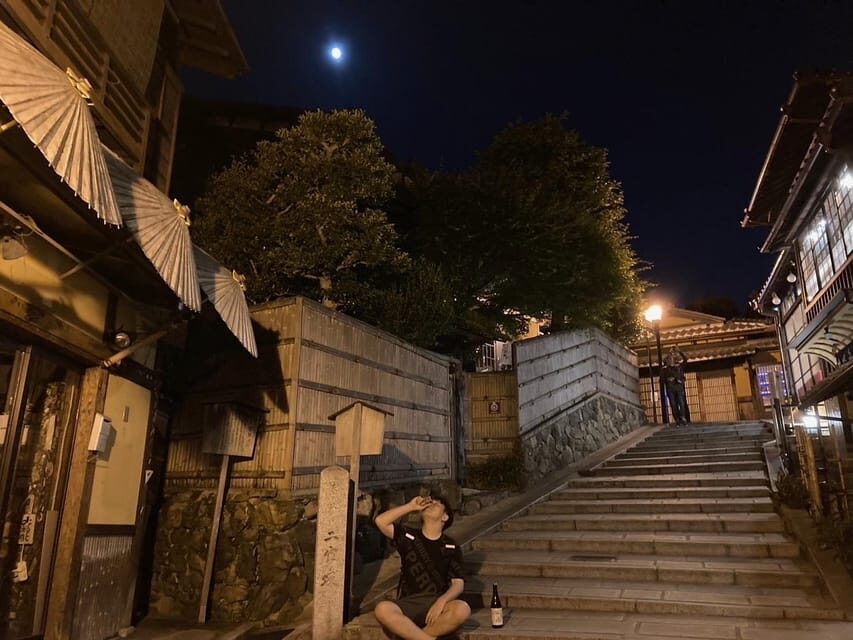
Kyoto in the evening has a different tempo. The big tour buses thin out, shop lights glow softer, and the lanes feel more like real streets than a photo backdrop. This tour is timed for that moment, when Gion’s famous facades look cinematic but you’re not fighting crowds at every corner.
I like that the tour doesn’t try to cover Kyoto like an endurance event. Instead, it focuses on a tight slice of Gion and nearby slopes, so you can actually notice details: narrow street proportions, the way lanterns reflect off wood, and the calmer feel around shrines.
At $32 per person for about 70–90 minutes of guided walking (plus included sake and photo help), the value comes from what’s bundled: access to a guide who can explain what you’re seeing in plain English, and the structure to hit the best night angles without wasting time figuring it out yourself.
You can also read our reviews of more walking tours in Kyoto

The Group Size and Guide Style That Make It Feel Personal
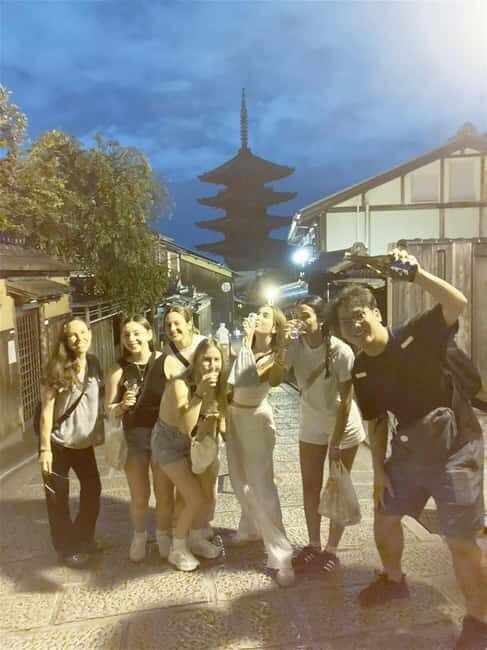
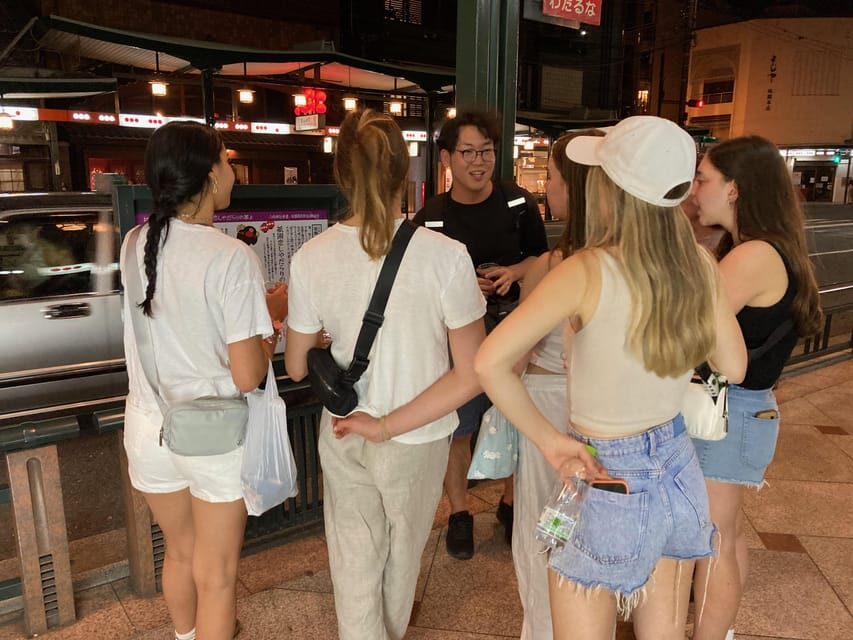
This is a small group tour with a maximum of 10 participants, and you’ll notice the difference fast. You’re not just following; you can ask questions. That matters in Gion, where things can look mysterious if you don’t know the cultural context.
The tour is led in English, and the guides are described as friendly and conversational. In fact, names like Shumpei and Nick show up in past experiences, and the common thread is a guide who answers questions patiently and keeps the tone easy.
You also get photo assistance at key locations. That’s a big deal when you’re in low light at night. Instead of guessing settings or worrying about blocking others, your guide helps you position and time your shots.
Start at Shijo Kiyamachi: Finding the Guide Without Stress
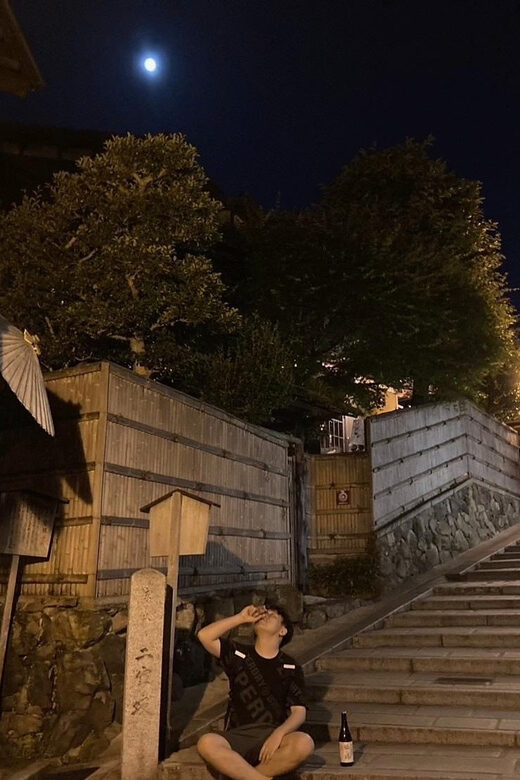
Your meeting point is Shijo Kiyamachi, with a guide holding a sign that says Otatrip Guide. The meeting spot is between McDonald’s and the Japanese restaurant Kikunoi Roan, a bit south along Kiyamachi Street.
My practical advice: arrive a few minutes early and stand in the exact area the guide would be scanning. One reason matters: the tour starts promptly, and if the group is ready, you could be left behind.
From there, you’ll start moving through Gion’s night lanes in a route designed to keep you in motion without feeling frantic.
Hanamikoji Street at Night: The Famous Lane, Without the Day Noise
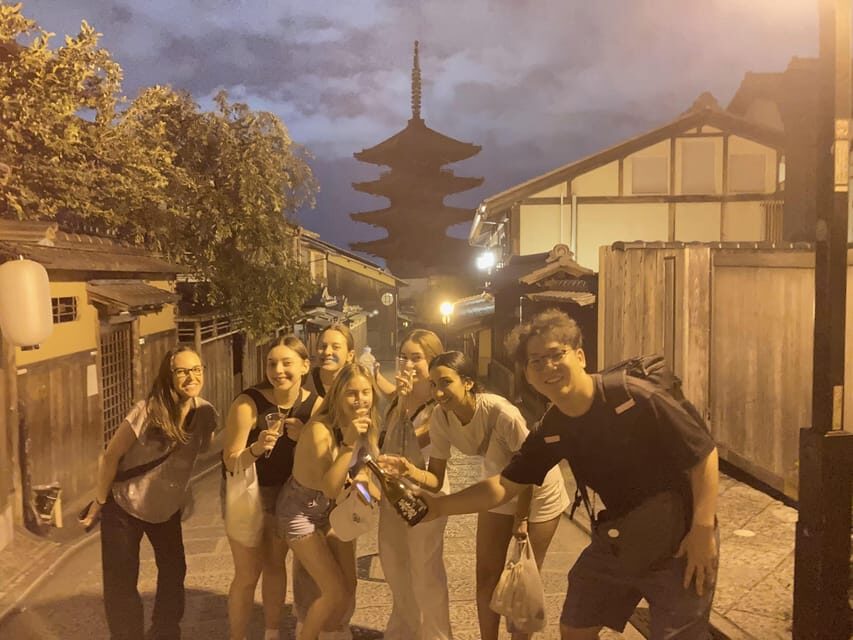
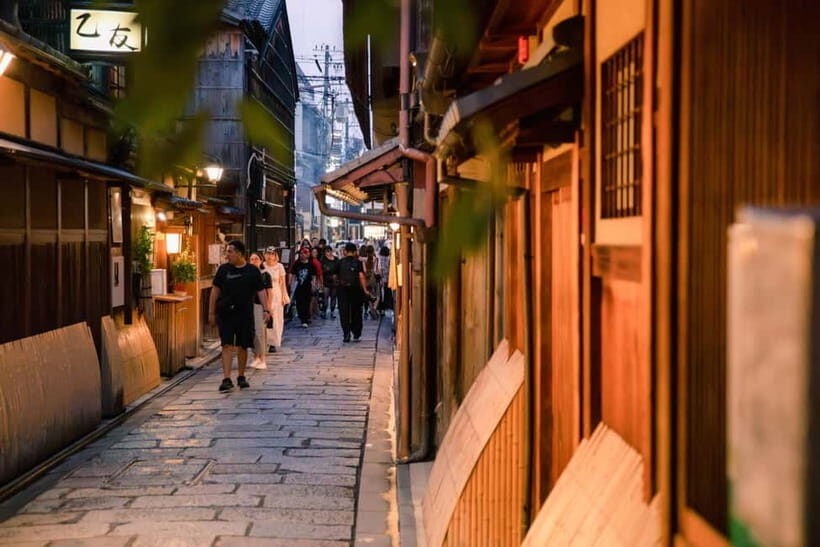
Your first real stop is Gion, with a photo-friendly walk focused on Hanamikoji Street. This is Kyoto’s best-known geisha district street, lined with traditional tea house buildings and the kind of old-town atmosphere that hits hardest after the crowds disperse.
The big advantage here is timing. At night, you get a calmer street look: softer light, fewer interruptions, and better chances to notice textures and signage details without squeezing through shoulder-to-shoulder lines.
What to watch for: the way lantern light changes the mood of the lane. In daylight, it’s just a location. At night, it feels like Kyoto is whispering instead of shouting.
Drawback to consider: if you expect constant sightings of Geiko or Maiko, don’t plan your night around that. The tour focuses on culture and storytelling, and any real sightings depend on circumstances.
Yasui Kompira-gū Shrine: A Quieter Detour With a Purpose
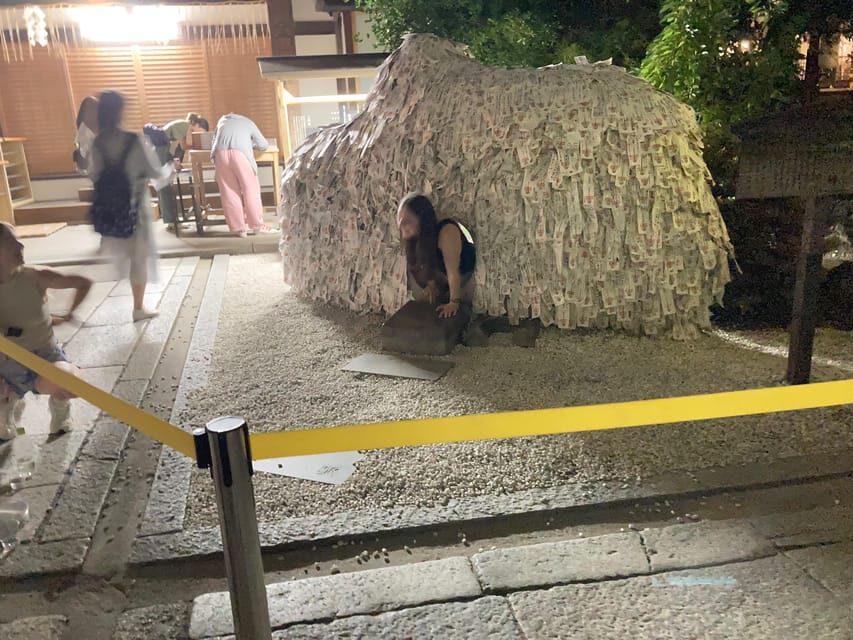
Next you head to Yasui Kompira-gū Shrine, with a short stop that includes both a photo moment and guided explanation. This shrine is known for its power stone, and locals come for a specific kind of wish-making: cutting bad ties and building good ones.
What I like about including a shrine like this is that it anchors the evening in lived belief, not just pretty streets. It gives you a reason to be there besides photos, and it helps you understand why Kyoto’s neighborhoods keep certain traditions so close.
This is also the kind of stop where your guide’s story style matters. You’ll get plain English context for Shinto ideas you might otherwise file away as “just another shrine.”
You can also read our reviews of more food & drink experiences in Kyoto

Hōkan-ji Temple and Yasaka Pagoda: The Iconic Night View
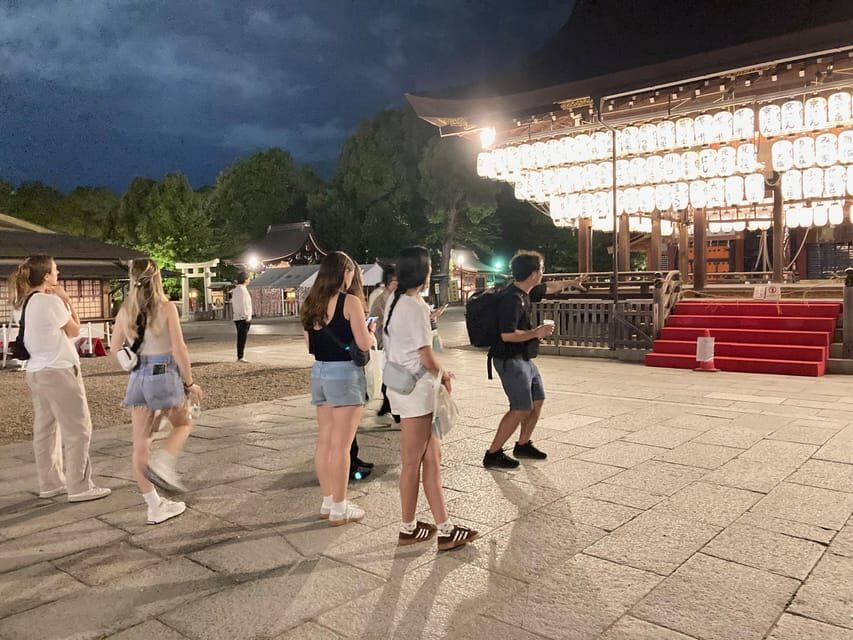
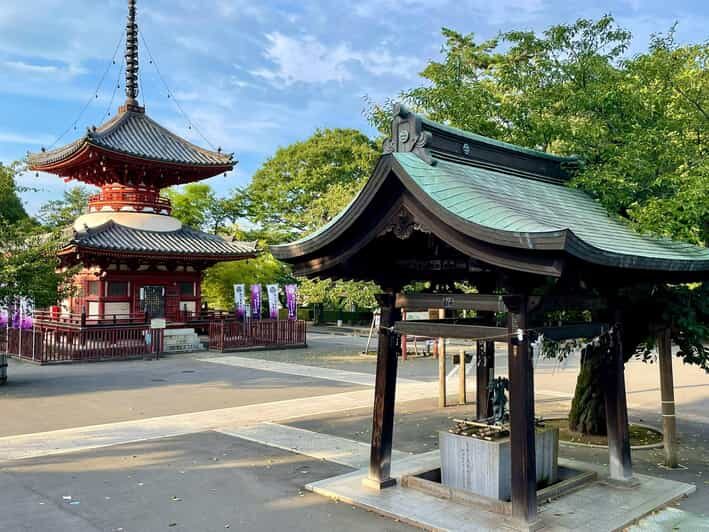
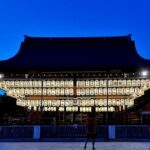
Then comes one of Kyoto’s most photographed scenes: Yasaka Pagoda, also called Hōkan-ji Temple. You’ll have time for a photo stop and explanation, and the key point is the night setting. The pagoda’s five stories are lit up after dark, and the crowds tend to be lighter than during daytime.
Why this stop is worth it: the pagoda is a landmark, but at night it becomes more than a landmark. It turns into a mood. You’ll see Kyoto’s layered religious spaces at work in the simplest way possible: light, stone, and attention.
Practical note: low light means your phone or camera might struggle if you rely on auto only. This is exactly where the tour’s photo support helps—positioning and timing can make a big difference.
Ninenzaka: The Old Cobblestone Slope Feel

After the pagoda, you’ll walk to Ninenzaka, a cobblestone slope lined with traditional wooden townhouses. This part of Kyoto feels like stepping into a slower era, and the night timing makes it even more atmospheric.
I like Ninenzaka because it changes your perspective. You’re not just looking at a single iconic building; you’re moving through a historic street profile. The uneven stones and steep slope add drama to every photo, but they also make walking feel a little more like a “real stroll” than a flat city walk.
Watch-out: cobblestones plus uneven footing means you should take your time. Comfortable shoes aren’t optional here.
Finish at Yasaka Shrine: The Spiritual Anchor of Gion
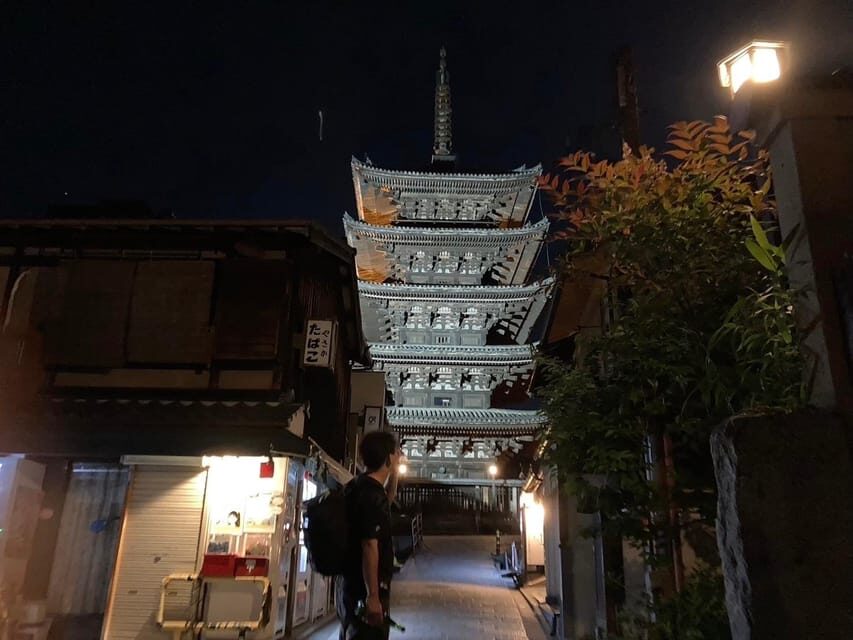
The tour ends at Yasaka Shrine, a spiritual landmark that has watched over the Gion area for over 1,300 years. This is a strong finish point because it ties the evening together: lantern streets, shrine beliefs, and Kyoto’s long memory.
You’ll end with the feeling that Gion isn’t just an entertainment district. It’s a neighborhood with religious roots and centuries of local meaning.
If you’re planning what to do after the tour, Yasaka Shrine is a helpful anchor zone. You’ll be near an area where you can continue your evening without feeling like you’ve been dumped somewhere random.
Sake While You Stroll: A Small Touch With Big Atmosphere
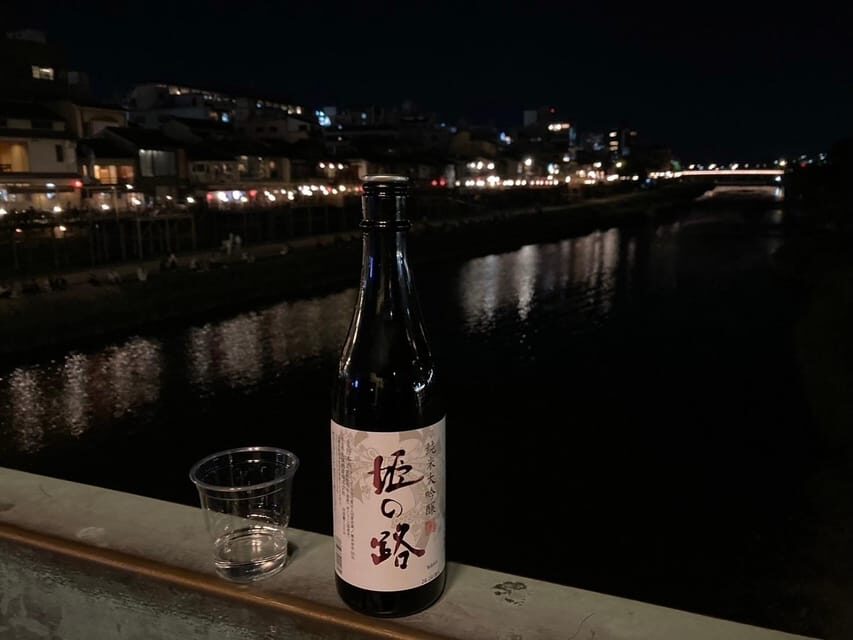
One standout feature is that the tour includes a cup of local sake to enjoy as you walk through Gion. Past experiences describe the sake as tasty and the guide as generous, with a friendly, not-too-formal tone.
This inclusion changes the feel of the walk. It’s not a party drink. It’s a Kyoto-style pacing tool. You slow down, you listen more, and you stop treating the night like a sprint between sights.
Two practical reminders:
- Drink responsibly and follow the guide’s lead.
- Keep your voice low. Residential and sacred areas call for extra respect at night.
When Weather Turns Quiet: Why Rain Can Improve the Evening
You might be wondering about rain, since Kyoto evenings can be unpredictable. The good news is that a small-group night walk can actually become more special when streets quiet down. One experience noted that even in rain, the streets felt unusually quiet, creating a more unique Gion atmosphere.
So if the forecast isn’t perfect, don’t assume the tour will be ruined. A softer street scene can make the night glow stand out even more.
Price, Time, and Value: Is $32 a Good Deal?
Let’s talk real value. $32 for about 90 minutes with a guide, photo assistance, and included sake is not just paying for a walk. You’re paying for:
- a compact route that hits major landmarks at night,
- context that helps you understand what you’re seeing without wading through a lecture,
- and on-the-ground help with photos in low light.
If you’re the type of traveler who wants to wander Gion on your own, you can do it. But you’ll spend time figuring out where to stand, how to connect the cultural dots, and how to time your photos to avoid the harsh crowd moments. This tour is designed to solve those friction points quickly.
Who Should Book This Gion Evening Walk?
This is a great match if you:
- want a relaxed, conversational night experience in Gion,
- care about understanding geisha district culture in context (not just snapping pictures),
- like the idea of guided photo stops instead of trial-and-error,
- and you’re comfortable walking for about an hour-plus.
It’s not a good fit if you:
- have back problems, since it’s still a walking route.
Should You Book It? My Straight Answer
Yes, I think you should book this tour if your Kyoto trip includes Gion and you want it at its best hour of the day. The mix of night timing, landmark stops, shrine context, and included sake gives you more than “see and go.”
Skip it only if you dislike night walking, can’t do uneven stones, or prefer unguided freedom so much that you’d rather not pay for explanations and photo help.
If you’re aiming for an evening that feels like Kyoto lives there, not like you’re passing through a theme zone, this is one of the cleaner ways to get that feeling in a short amount of time.
FAQ
FAQ
How long is the tour?
The tour is about 90 minutes, with 70 to 90 minutes of walking tour time with a guide.
How big is the group?
The group is limited to a small group of up to 10 participants.
What language is the tour guide speaking?
The tour is offered in English.
Is sake included?
Yes. A cup of local sake is included during the walk.
What photo help is provided?
Photo assistance is included at key locations, and the guide helps you capture better photos.
Where do I meet the guide?
Meet at Shijo Kiyamachi. The guide holds a sign that says Otatrip Guide between McDonald’s and the Japanese restaurant Kikunoi Roan.
What’s the walking like?
It’s a walking tour, so you’ll want comfortable shoes. It includes cobblestone and slopes during the route.
Is smoking allowed?
No, smoking is not allowed.
Where does the tour end?
The tour finishes at Yasaka Shrine.
Is the tour refundable if plans change?
Cancellation is free up to 24 hours in advance for a full refund.