REVIEW · HAKONE
Do You Want to Try Skywalk? A New Way of Enjoying Hakone!
Book on Viator →Operated by OTOMO Travel Guide · Bookable on Viator
Hakone to Skywalk feels like a clever upgrade. This private day trip links Hakone’s lake spots and shrines to Mishima’s famous 400m pedestrian suspension Skywalk, with a guide who handles translation.
I love the mix of big scenery and easy, low-effort stops. You’ll get bread-and-footbath views at Bakery & Table Hakone and a 400-year-old Hakone Amazake chaya break that’s more fun than just sightseeing photos.
One thing to plan for: the Mishima Skywalk admission isn’t included, and some places don’t take credit cards. Bring cash and expect the route to shift if weather is ugly.
In This Review
- Key Takeaways Before You Go
- A 7.5-Hour Day: How the Hakone-to-Mishima Route Works
- Price and What You Actually Pay for
- Ajisai Bridge: A Quick Color Hit Near Hakone-Yumoto
- Hakone Shrine and the Lake Torii You’ll Want to Frame
- Bakery & Table Hakone: Bread by Lake Ashi and a Footbath
- Hakone Amazake Tea House: 400 Years of Mountain-Style Comfort
- Mishima Skywalk: 400m Over Views Toward Mount Fuji
- Timing, Weather, and Comfort Tips That Keep It Fun
- Who This Tour Fits Best
- The Bottom Line: Should You Book This Skywalk Day?
- FAQ
- How long is the tour?
- Where does the tour start, and what time does it begin?
- Is the Mishima Skywalk admission included?
- Do I need cash during the tour?
- Can I use the Hakone Free Pass during the tour?
- What is the cancellation policy for a full refund?
Key Takeaways Before You Go
- Private guide + translation means less guessing and more time enjoying each stop.
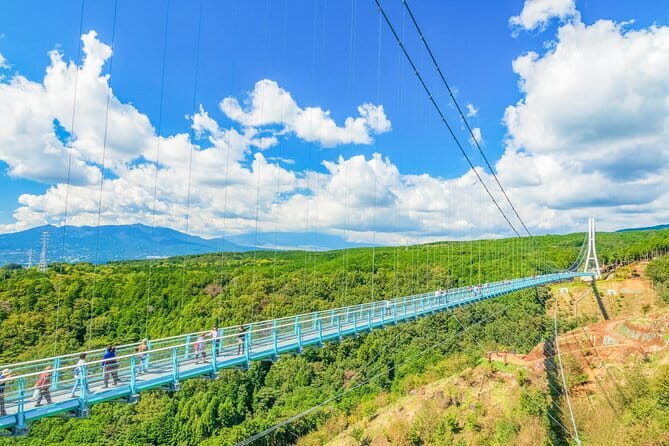
- Mishima Skywalk (400m) is the headline, with views toward Mount Fuji and Suruga Bay.
- Lake Ashi moments come in multiple forms: shrine torii photos, then a bread stop by the water.
- 400-year-old mountain tea house gives you something Hakone-style that’s different from the usual souvenir run.
- Cash helps since some spots don’t accept credit cards.
- Weather can change plans, so wear comfy shoes and keep your expectations flexible.
A 7.5-Hour Day: How the Hakone-to-Mishima Route Works
This tour is built around a simple idea: you want the famous Mishima Skywalk, but you also don’t want to spend your whole day figuring out trains, transfers, and timing. The schedule runs about 7 hours 30 minutes, starting at 9:30am at Hakone-Yumoto Station, and ending back at the same meeting point.
You’re not just hopping between landmarks either. The route threads together a shrine by the water, photo-friendly bridge scenery near Hakone-Yumoto, a food stop with a footbath, and then a tea-house pause before the Skywalk. That matters because Hakone is spread out and the best moments can be short. When you have a guide and a set plan, you don’t lose time negotiating directions or second-guessing where to go next.
Also note: it’s a private tour for your group only. That’s a real quality-of-life upgrade if you want your pace, fewer crowds in your immediate circle, and quicker decisions when the weather shifts.
You can also read our reviews of more tours and experiences in Hakone.
Price and What You Actually Pay for
The tour price is $168.42 per person, and it includes the private tour guide plus the necessary guide expenses. It’s often booked around 35 days in advance, which suggests it’s popular enough that waiting too long can limit availability.
Here’s the key value question: what’s included versus what’s on you.
Not included: you should plan for an estimated 6,050 JPY per person for transportation (3,650 JPY), meal costs (1,000 JPY), and admission fees (1,400 JPY). Plus, the Mishima Skywalk admission is specifically marked as not included.
In plain terms, you’re paying for a guide-managed day (translation, timing, routing) and you’re topping up with local costs as you go. If you were trying to DIY the day, you’d spend time planning—and probably still miss an easy-to-find photo spot or a smooth food stop. For many people, that “time saved” is the real bargain.
One more practical note: you’ll likely deal with places where credit cards aren’t accepted, so budgeting with cash in mind is smart.
Ajisai Bridge: A Quick Color Hit Near Hakone-Yumoto
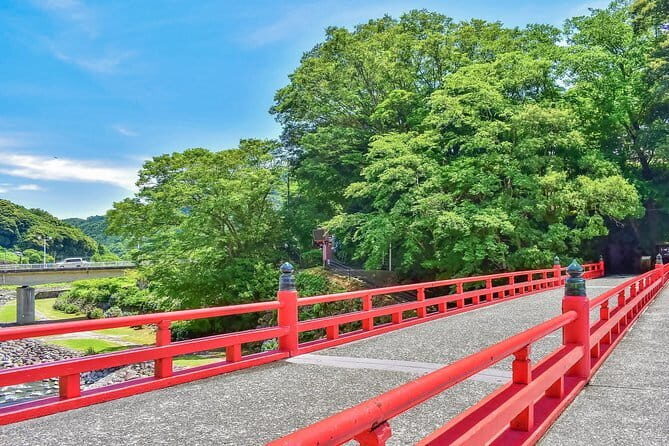
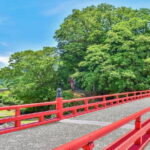
The day starts with Ajisai Bridge, a small stop designed for impact without taking over your schedule. It sits near Hakone-Yumoto Station, so you’re not traveling far just to warm up.
This bridge is known for its vermilion color and its popularity as a photo spot. Also, the hydrangea angle matters: hydrangeas bloom in June, and Hakone is famous for them. Even if you’re traveling outside peak bloom season, the bridge still works as an early landmark because it’s close, straightforward, and it helps you get oriented before the bigger stretches of the day.
Time is about 10 minutes, and the beauty here is that it doesn’t feel like a rushed “check the box” moment. It’s more like a warm-up scene that puts you in the Hakone mood quickly—especially if you’ve been staring at train platforms too long.
Hakone Shrine and the Lake Torii You’ll Want to Frame

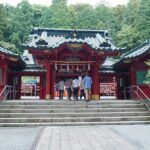
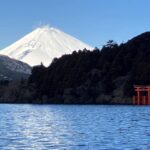
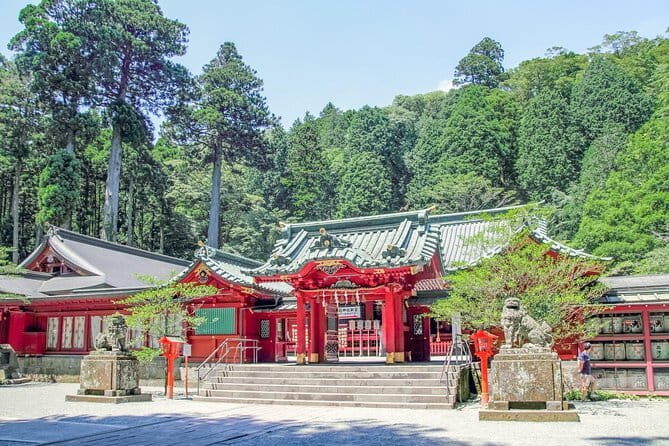
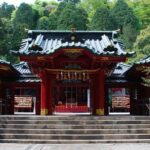
Next up is Hakone Shrine / Kuzuryu Shrine, with about 50 minutes at the site. Admission is free, and that gives you a low-pressure chance to slow down.
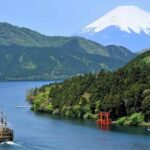
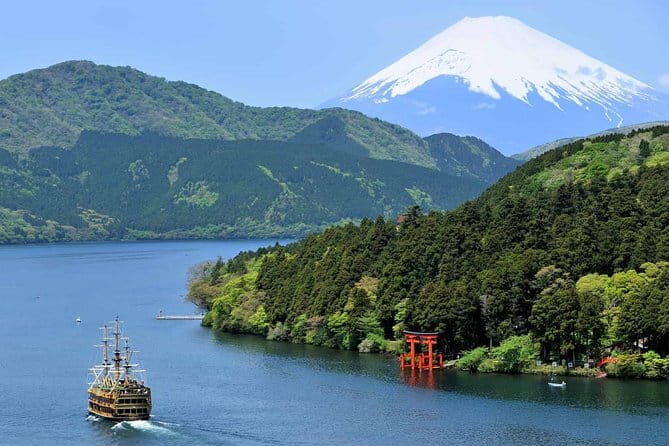
The standout feature is the shrine’s setting and its torii gate standing on the lake, which has gained recent attention as a unique photo subject. That matters because this is not just “another torii somewhere on a hill.” The water makes the shot feel more dramatic and gives you more angles depending on the light and the shoreline view.
A guide helps here in a very practical way. Shrines can be full of small rules, signs, and etiquette you’ll want to understand. Even without perfect Japanese, having someone translating and pointing out what to notice keeps you from accidentally missing the best vantage points or spending your time reading every sign slowly.
If you love photos, arrive with patience for framing. If you’re not into photos, you’ll still enjoy the calm pause before the more food-and-suspension-bridge parts of the day.
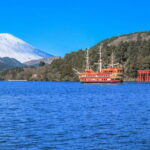
Bakery & Table Hakone: Bread by Lake Ashi and a Footbath
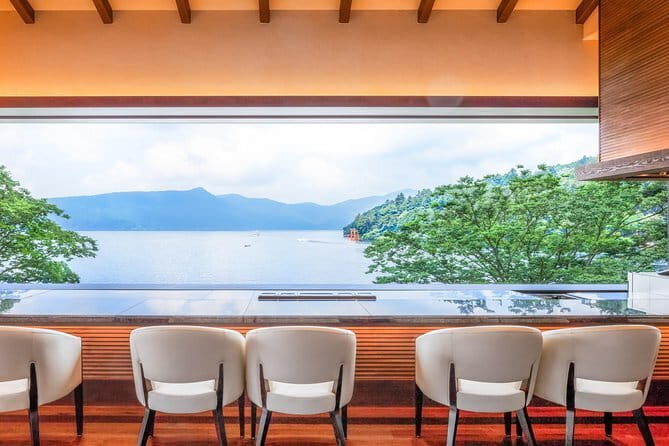
Then you get a stop that feels very Hakone: Bakery & Table Hakone. You’ll spend about 1 hour 20 minutes here, and it’s not a random restaurant halt. It’s built around a view.
The concept: eat bread in front of Lake Ashi while soaking in a footbath. That’s a fun combo because it turns tired feet into a planned break, not a surprise problem. After walking around shrine grounds and photo areas, your body usually appreciates a reset like this.
You’ll also get that classic Hakone rhythm: nature view, warm food, and a little onsen-town style relaxation without needing to commit to a full hot-spring plan.
One consideration: since it’s a food-and-break stop, you’ll want to come with a mindset of slowing down. Don’t treat it like a quick pit stop where you order and sprint to the next station. This part is meant to be enjoyed.
Hakone Amazake Tea House: 400 Years of Mountain-Style Comfort
After lunch-style energy comes the calmer part: Hakone Amazake Tea House, also called Amazake Chaya. You’ll have about 20 minutes, which is short, but enough time to sample and rest.
The focus is amazake, a non-alcoholic, non-sugar sweet beverage. It’s served with the tea-house vibe, and the stop highlights a 400-year-old teahouse in the mountains where you can enjoy specialty sake and rice cakes. Yes, sake here is referenced, but the main drink name is amazake—so you can still take part even if you want a non-alcohol choice.
This is one of those stops that makes the day feel more like a Hakone experience and less like a photo run. You’re getting a taste of old-school mountain refreshment culture without needing to research it on your own.
Practical tip: tea-house stops can be cash-friendly or card-unfriendly depending on the place. Since credit cards might not work at all locations, cash is your friend here too.
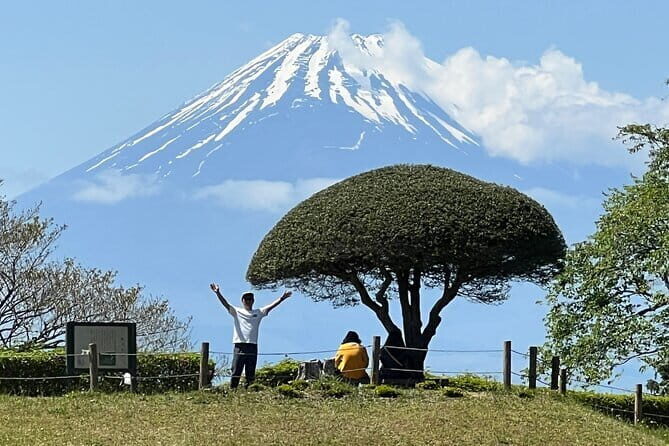
Mishima Skywalk: 400m Over Views Toward Mount Fuji
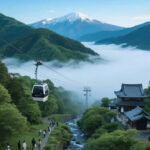
Finally, the headline: Mishima Skywalk. You get about 50 minutes here, but admission is not included, so you’ll pay separately.
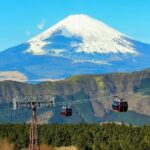
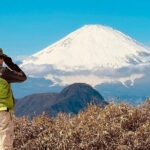
This is a 400m long pedestrian suspension bridge in Japan. The real reason to come is the view: you can see Mount Fuji, plus Suruga Bay from the bridge area.
Now, here’s the reality check. Fuji views depend on visibility. If clouds or haze roll in, you’ll still get the thrill of the long walkway and the dramatic open-air feel, but you may not get the iconic perfect postcard angle. That’s why this tour’s guide support helps: you can adjust your expectations and still enjoy the experience without wasting time.
For your comfort, treat the Skywalk like a weather-dependent moment:
- Bring layers if it’s cool or breezy.
- Keep your camera handy because you’ll want to capture it at different angles.
Also, because this is your main paid-in-local-costs stop, I’d plan the Skywalk moment as the highlight where you don’t overthink timing. Let it be the centerpiece of the day.
Timing, Weather, and Comfort Tips That Keep It Fun
This tour does a lot in one day, and the fine print points to the two things that can affect you most: weather and walking.
Bad weather: routes and destinations might change. That doesn’t mean the tour disappears—it means you might swap in alternative spots if conditions are unsafe or impractical. So don’t schedule anything tight right after the tour ends.
Walking: you’ll be moving through shrines, photo spots, and food stops. Wear comfortable clothing and shoes you can trust on uneven ground. Even if you’re not a big hiker, you’ll appreciate shoes that handle stairs and short stretches of pavement.
Cash: some spots don’t accept credit cards, so bring enough to cover local costs (and remember that meals and admissions are not included in the base price).
And one more helpful detail: you’ll have a chance to use the Hakone Free Pass for transportation during the tour if you have it. If you’re planning to buy it, tell your guide on the day. That way the day stays smoother instead of turning into last-minute logistics.
Who This Tour Fits Best
This is a great match if you want:
- A private guide who handles translation and keeps the day moving logically.
- The Mishima Skywalk experience without self-planning transport and timing.
- A day that includes Hakone classics (shrines, Lake Ashi) plus food and tea stops that feel local, not generic.
It may be less ideal if you’re the type who loves to wander endlessly with no schedule and no structure. Since the day is organized around multiple stops, you’ll likely be happier if you enjoy a guided flow—short stops, then the next scene.
It also helps if you like photography. The itinerary includes multiple places designed for great views: Ajisai Bridge, the water torii at Hakone Shrine, and the Skywalk itself.
The Bottom Line: Should You Book This Skywalk Day?
If you’re torn between DIY and a guided plan, I’d lean toward booking. The value here isn’t just the Skywalk—it’s how the day is stitched together. You get translation support, an efficient order of stops, and a mix of scenery plus food breaks that prevent the day from turning into pure “walk, look, move on.”
The tour has a strong track record: a near-perfect rating and feedback praising the region’s rugged beauty and the guide’s ability to maximize time. That lines up with what this itinerary is designed to do—use your hours well.
Just go in with two expectations: Skywalk costs extra, and cash may be needed at some stops. Do that, and you’ll get a smooth Hakone-to-Mishima day that’s actually worth the ticket price.
FAQ
How long is the tour?
The tour lasts about 7 hours 30 minutes.
Where does the tour start, and what time does it begin?
It starts at Hakone-Yumoto Station, and the start time is 9:30am.
Is the Mishima Skywalk admission included?
No. Mishima Skywalk admission is not included in the tour.
Do I need cash during the tour?
You should bring cash because some of the stops on the day do not accept credit cards.
Can I use the Hakone Free Pass during the tour?
Yes, you can use the Hakone Free Pass for transportation during the tour. If you plan to purchase it, tell your guide on the day.
What is the cancellation policy for a full refund?
You can cancel for free up to 24 hours in advance for a full refund.