REVIEW · ODAWARA
Japanese Traditional Music Experience
Book on Viator →Operated by Matcy · Bookable on Viator
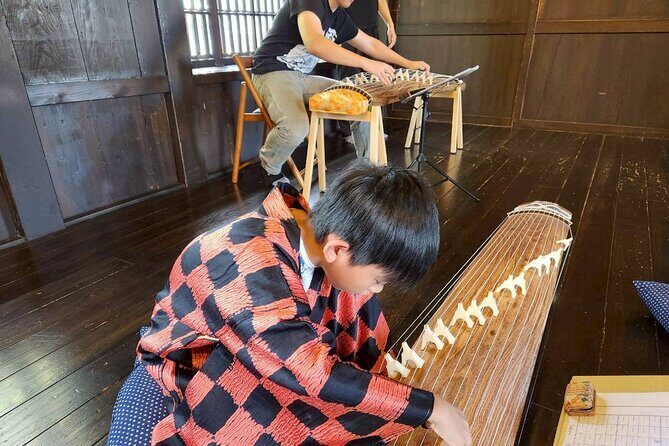
A koto class in a small castle-town room. In Odawara, this beginner-friendly Koto lesson walks you through what the instrument is, then gets you playing using the special attachment nails. I especially liked the quick, supportive way you can produce beautiful sounds fast, but the one thing to consider is seiza sitting, with chairs available if you need them.
You’ll also get an instructor performance and a photo session, so the hour feels like more than a how-to class. The max-3 group format keeps the atmosphere calm and questions easy to ask, which matters a lot when you’re learning something physical and new.
In This Review
- Why Odawara Works for Your First Koto Lesson
- Where You Meet and the Small Things That Matter
- The 60-Minute Flow: From Koto Basics to Your First Notes
- 1) Koto explanation and basic context
- 2) How to play with special attachment nails
- 3) Hands-on practice: you play
- 4) Instructor performance
- 5) Photo session
- Beginner-Friendly Technique Isn’t an Accident
- What You’ll Actually Walk Away With (Beyond the Notes)
- The Sound: Why Everyone Says It Feels Special
- Price and Value: Is $45.53 Fair for an Hour?
- Practical Tips for Getting the Most Out of Your Session
- Who Should Book This Koto Experience in Odawara?
- Should You Book This Koto Lesson?
- FAQ
- How long is the Japanese Traditional Music Experience in Odawara?
- Is this Koto experience beginner-friendly?
- What is included in the price?
- What should I do when I arrive at the lesson space?
- Will I have to sit in seiza during the activity?
- What is the cancellation window?
Why Odawara Works for Your First Koto Lesson
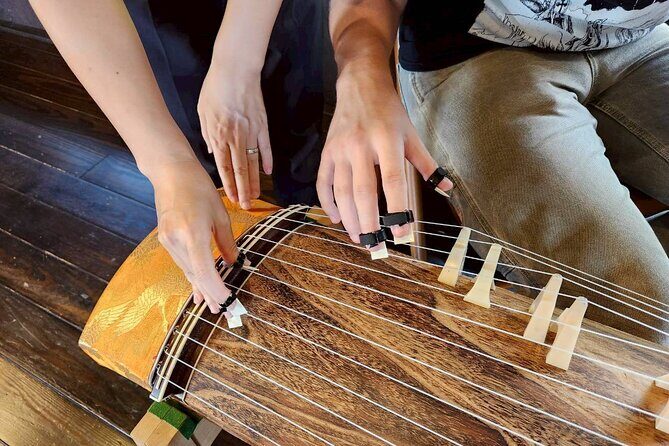
Odawara is a historic castle town, and that sense of place shows up in the way the lesson is taught. The setting is local and personal, not staged for tourists, and it helps you slow down and treat the hour like an actual cultural encounter.
The best part is that the class isn’t only about technique. You start with history and basic information about the koto, which gives your first notes meaning. Even if you do zero music theory, you’ll understand what you’re holding and why it matters.
Odawara also sets the tone. You’re not just learning an instrument in a generic studio; you’re learning it in a real town with roots. That helps the experience stick in your memory long after you’ve left.
Where You Meet and the Small Things That Matter
You’ll meet at Odawara-juku Nariwai Exchange Center, and the activity ends back at the same spot. It’s a straightforward, one-location experience, which is great when you’re squeezing culture into a busy day.
Two practical details can save you stress:
- You take off your shoes when you enter for the music lesson.
- You’ll sit in seiza during the class, but if that position is tough, let the instructor know since chairs are prepared.
This is also a good stop for people who prefer easy logistics. The location is described as near public transportation, and the experience is set up so most people can participate without special preparation.
You can also read our reviews of more tours and experiences in Odawara.



The 60-Minute Flow: From Koto Basics to Your First Notes
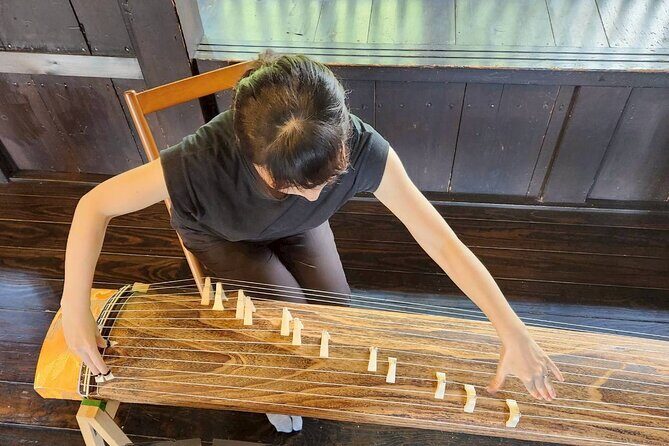
This is an hour-long experience with a clear rhythm, and that structure is one reason it works so well for first-timers. You’re not stuck doing one thing the whole time, and you’re not rushed either.
Here’s what the lesson experience looks like from start to finish:
1) Koto explanation and basic context
You begin with an explanation of what the koto is and the basics you need to know. This isn’t overwhelming. It’s built for beginners, and it’s focused on helping you understand the instrument before you touch it.
I like this approach because you don’t feel like you’re blindly copying motions. You have a little mental map in your head by the time the playing starts.
2) How to play with special attachment nails
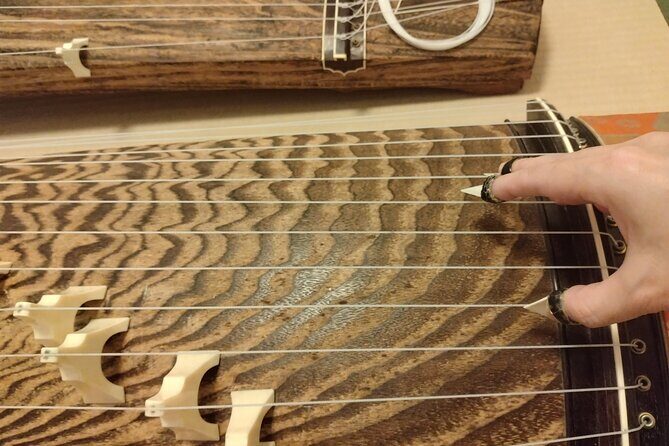
Next comes instruction on playing using special attachment nails. This matters because the koto doesn’t feel intuitive if you expect a guitar-like strum or a piano-like press.
The instructor guides you step by step, so you’re not guessing. You learn the physical routine you need to make sound safely and consistently.
3) Hands-on practice: you play
After the setup, you get time to try playing. This is the part that turns cultural listening into participation.
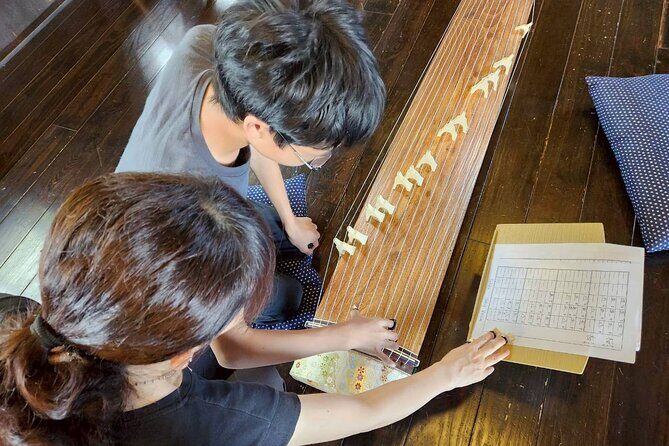
And since the class is capped at 3 travelers, you’re more likely to get quick corrections. That kind of feedback is what helps your sound improve within the short time you have.



4) Instructor performance
Then the instructor plays, so you hear what the koto sounds like when it’s flowing naturally. It’s a reminder that you’re learning something real, not just completing a checklist.
This performance also helps you connect the earlier explanations to what you’re actually hearing. You’ll likely notice how the playing technique changes the tone and feel.
5) Photo session
Finally, you get a photo session. It’s brief, but it makes the experience feel complete.
I like photo moments like this because you leave with a tangible souvenir that’s actually tied to what you learned, not just a generic city snapshot.
Beginner-Friendly Technique Isn’t an Accident
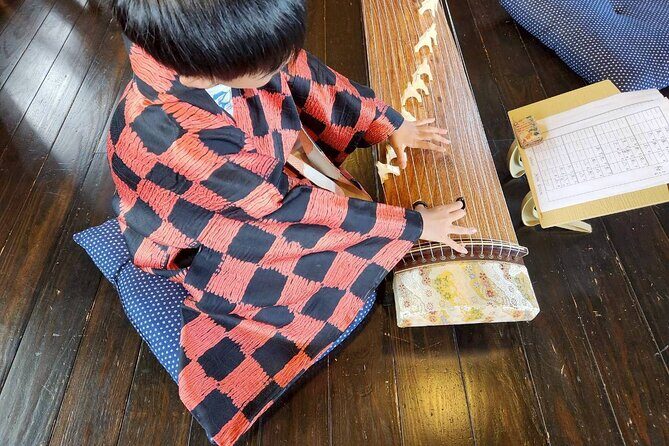
A lot of “learn an instrument” experiences fail because they teach like you already know how to play. This one is different. It’s designed so you can participate even if you’ve never played anything like a koto before.
In practical terms, that means the lesson focuses on small, doable steps. The instructor helps you get the sound out, then builds from there. That’s why first-timers can walk away feeling proud instead of confused.
You’ll also find that prior musical experience can help, but it isn’t required. People have come in playing instruments like bass or ukulele, and the class still works because the instructor adjusts for your level.
One subtle but important thing: the learning pace fits a small-group setting. With a maximum of 3 travelers, it’s easier for the instructor to see exactly where you’re getting stuck.
What You’ll Actually Walk Away With (Beyond the Notes)
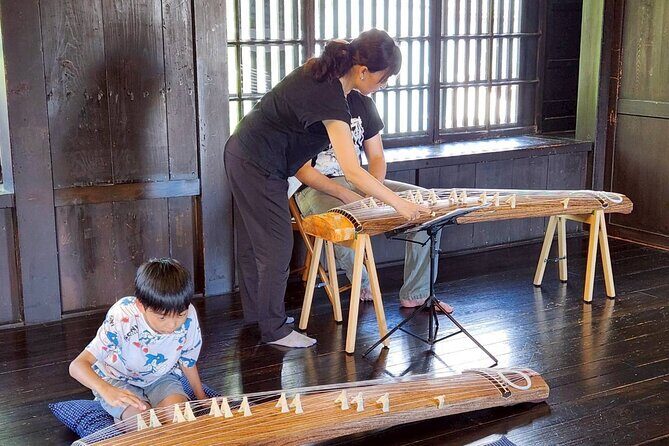
It’s easy to think a koto lesson is only about pressing the right way and getting sound. This experience goes further because it connects the playing to cultural understanding.
You learn history and basic information first, then apply it through practice. That means your playing isn’t detached from the tradition.
You also get to see the instructor perform the kind of result you’re working toward. That matters for motivation. When you hear the performance after your practice, you can measure your progress in a meaningful way.
And because this is taught by someone qualified to teach Koto, the explanation and instruction feel grounded. You’re not just watching someone demonstrate; you’re being guided by a real teacher.
The Sound: Why Everyone Says It Feels Special
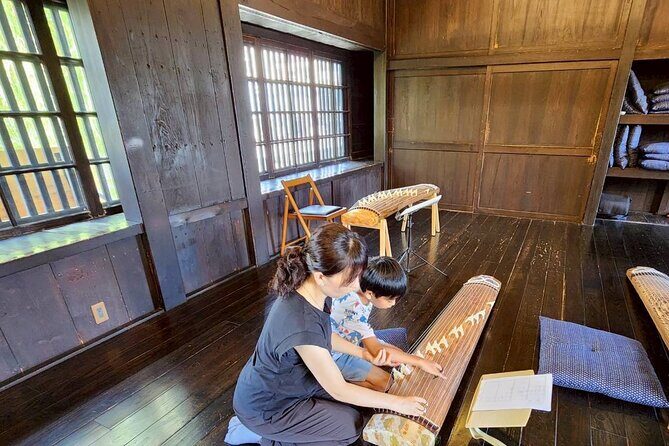
The koto’s sound is often described as beautiful and lustrous, and you’ll feel it even more because you create part of it yourself. Hearing it played is nice, but getting even a small “yes, that’s it” moment is the real payoff.
The class is set up so the instrument isn’t a mystery. You learn how it’s played, you try it, then you hear it again through the instructor’s performance. That cycle makes the sound stick.
This also helps if you’re traveling with kids or a mixed-age family group. The lesson is set up so someone young can start with simple steps, and someone older can still enjoy the process without feeling left behind.
Price and Value: Is $45.53 Fair for an Hour?
At $45.53 per person for about an hour, it’s not a budget activity. But you’re not paying for just time in a room.
You’re paying for:
- Rental fee of the koto and tools
- Instruction fee
- The structured learning portion, plus an instructor performance and a photo session
That combination makes the price easier to justify. You don’t have to bring or track an instrument, and you’re not figuring out technique alone. For a short experience, that kind of coaching is where the value comes from.
So if you want an authentic cultural activity where you actively participate (not just watch), this price makes sense. If you’re looking for a long, self-guided museum-style experience, you might feel it’s short. But for learning an instrument, an hour is often the sweet spot.
Practical Tips for Getting the Most Out of Your Session
You don’t need special preparation, but a few mindset tweaks help.
First, plan for sitting in seiza. If that position is uncomfortable, tell the instructor so you can use a chair. The class is set up for this, and it keeps your focus on learning rather than discomfort.
Second, treat it like a gentle lesson, not a performance audition. You’ll be learning a physical motion with attachment nails, and it’s normal if your first attempts aren’t perfect.
Third, come with curiosity. The early explanation about Koto history and basic information gives you context, and the questions you think of during that portion can make the whole hour more personal.
Who Should Book This Koto Experience in Odawara?
This is a great match for:
- Beginners who want structured instruction and fast wins
- Families who want a shared cultural activity where everyone can participate
- Music fans who like hands-on learning more than passive sightseeing
- Travelers who appreciate small groups and personal attention
It’s also a smart pick if you’re staying in Odawara or nearby and want something memorable that isn’t a long commute. The entire experience happens in one place, and you leave with a photo moment plus the satisfaction of actually playing.
If you’re very sensitive to sitting on the floor, communicate ahead about your comfort with seiza so the chair option can be used. The class is designed to accommodate, but your comfort still matters.
Should You Book This Koto Lesson?
If you want an authentic Japanese music experience where you don’t just listen—you participate—this is an easy yes. The best reason to book is the format: small group, beginner-friendly pacing, and a complete arc from explanation to hands-on playing to instructor performance and photos.
You might skip it only if you strongly dislike seiza sitting or you’re looking for something longer and less structured. Otherwise, $45.53 for an hour that gives you context, technique, and a real sound you made yourself feels like solid value.
FAQ
How long is the Japanese Traditional Music Experience in Odawara?
It lasts about 1 hour.
Is this Koto experience beginner-friendly?
Yes. The class is designed so even complete beginners can enjoy playing beautiful sounds.
What is included in the price?
You get the rental fee for the koto (instrument) and the tools for playing, along with the instruction fee.
What should I do when I arrive at the lesson space?
You will take off your shoes when you enter for the music lesson.
Will I have to sit in seiza during the activity?
Yes, you’ll sit in seiza during the lesson, but chairs are prepared if you’re not comfortable.
What is the cancellation window?
You can cancel for a full refund if you cancel at least 24 hours before the experience starts.