REVIEW · ODAWARA
Fuji,Hakone Ropeway/Cruise/Shinkansen Ride w/lunch frm Tokyo
Book on GetYourGuide →Operated by VIP Japan Tour · Bookable on GetYourGuide
One day hits three icons of Japan. You’ll move from the Mt. Fuji 5th Station to Hakone’s viewpoints, then cap it with a Shinkansen run that feels like a cheat code for getting back to Tokyo.
What I like most is the way this trip stacks big moments with real downtime: a guided look around Fuji, then a proper Sukiyaki Gozen lunch (with Gin Shari Kamahan rice) so you’re not running on vending-machine energy. I also love the Hakone rhythm—short Lake Ashi cruise, then up by ropeway to Komagatake for the classic panoramic views and a quiet shrine stop.
One drawback to consider: this is a packed schedule, and on bad weather or heavy traffic days the plan can shift, which can shorten the time you spend on the boat and ropeway. The good news is the guide team is experienced, and they do their best to keep the day working.
In This Review
- Key things that make this day tour work
- A tight 10-hour plan that’s actually realistic
- Mt. Fuji 5th Station: the height, the shrine, and the weather backup
- Sukiyaki Gozen lunch: filling value, not just a checkbox
- Lake Ashi cruise on the SORAKAZE: short but scenic
- Hakone Ropeway to Komagatake: the quick lift to big views
- The Shinkansen run: speed, comfort, and the Tokyo landing
- The guides make or break a packed day
- Price and value: what you pay for, and what you give up
- Who this tour suits best (and who should skip it)
- Should you book Fuji, Hakone Ropeway/Cruise/Shinkansen with lunch from Tokyo?
- FAQ
- Where are the meeting points?
- How long is the tour?
- Is lunch included, and what is it?
- What happens if weather isn’t good for the Fuji route?
- How long is the Lake Ashi cruise?
- What train ride is included?
- Is this tour suitable for people who get seasick or fear heights?
Key things that make this day tour work
- UNESCO Mt. Fuji 5th Station with guided sightseeing and shrine time
- Sukiyaki Gozen lunch plus premium Gin Shari Kamahan rice to keep your energy up
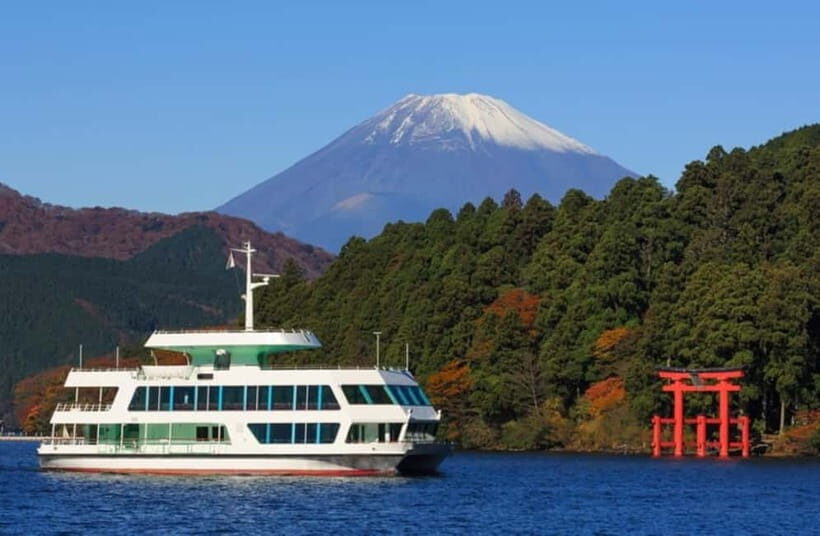
- Hakone Yufune SORAKAZE cruise on Lake Ashi with seasonal scenery
- Komagatake Ropeway for wide views over Lake Ashi, Sagami Bay, and even toward Izu Peninsula
- English-speaking guides with communication you can actually follow all day
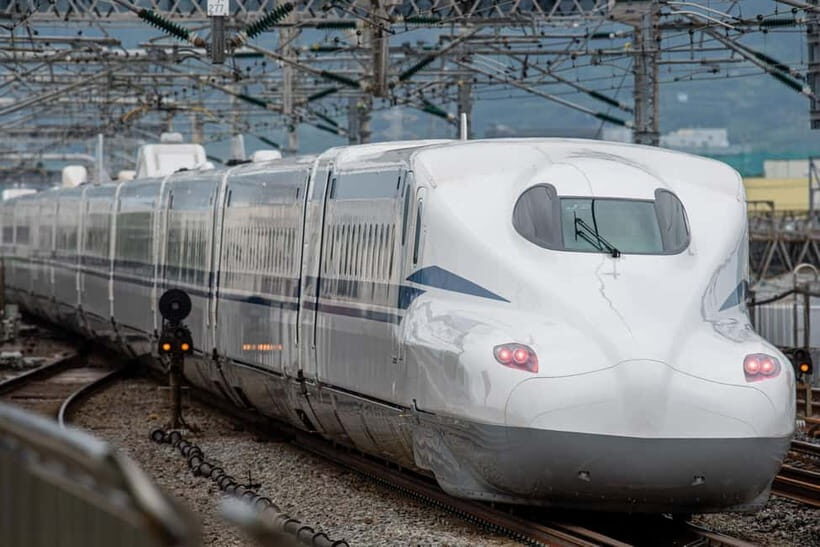
- Shinkansen from Odawara to Shinagawa, then you finish in central Tokyo
A tight 10-hour plan that’s actually realistic
This is a long day, at 10 hours, built for people who want the highlights without doing a full multi-day loop. The tradeoff is simple: you’re on a schedule, so arriving late can mess with everyone’s timing.
I’d plan to be at the meeting point 10 minutes early, because the group departs on time. The meeting point can vary based on what you booked (either a Shinagawa office area or a spot marked by LOVE at Robert Indiana), so double-check before you show up.
You’ll also want to know that the ride back includes a Shinkansen segment, and you should tell the guide your preferred drop-off on board. And yes, the whole day can shift if weather or traffic causes delays, with the best effort made to keep things moving.
You can also read our reviews of more tours and experiences in Odawara.
Mt. Fuji 5th Station: the height, the shrine, and the weather backup
Your day starts with Mt. Fuji’s 5th Station, where the elevation is a big part of why the views feel so dramatic. You’re there for about 40 minutes with guided time for sightseeing, plus a chance to take in the panorama from roughly 2,300 meters above sea level.
If the weather cooperates, you can see the summit or the famous Sea of Clouds. If not, the trip doesn’t just shrug and move on—there’s a built-in change in approach, with a visit to the Mt. Fuji World Heritage Center and lunch in the Kawaguchiko area instead.
You’ll also have a stop at the Fujiyama Komitake Shrine, honoring the goddess Iwanagahime. It’s a short, meaningful pause that helps the mountain feel more than just a photo backdrop, especially if you’re the type who likes a moment of quiet even on a busy day.
Don’t skip the souvenir shop stop if you’re into small, Fuji-themed finds. It’s one of those practical segments that can be easy to rush if you don’t plan your time.
Sukiyaki Gozen lunch: filling value, not just a checkbox
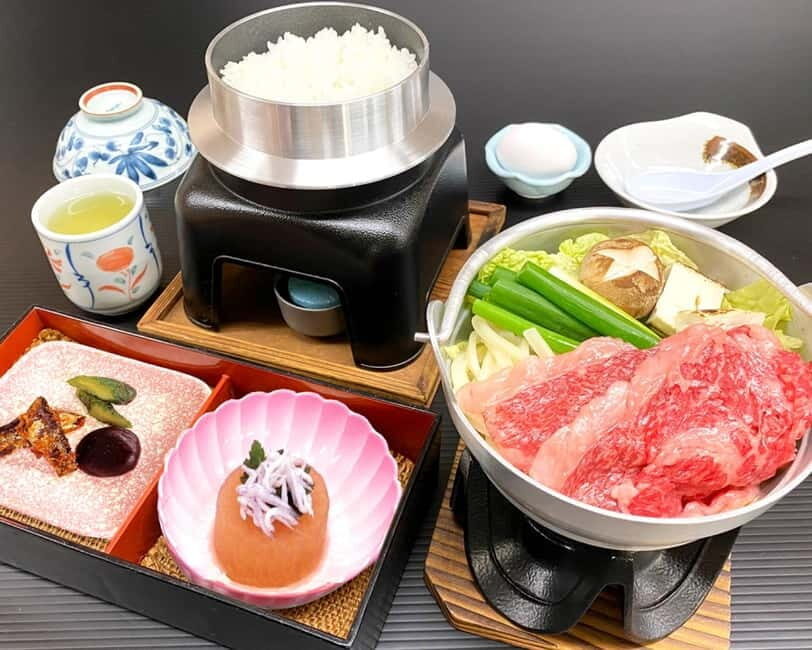
Lunch is one of the best parts of this tour because it’s designed to reset your whole day. You’ll get Sukiyaki Gozen, and the rice mentioned here is Gin Shari Kamahan rice from Gotemba—so it’s not treated like an afterthought.
This matters because after Fuji you’re going to do more walking and then head into Hakone’s viewpoints. A proper warm meal helps more than you’d think, especially if the day turns cool at higher elevations.
Food and drinks other than lunch aren’t included, so if you like tea, coffee, or snacks during breaks, budget for that. Still, having lunch handled (with the tax covered as part of what’s included) keeps your spending predictable.
Lake Ashi cruise on the SORAKAZE: short but scenic
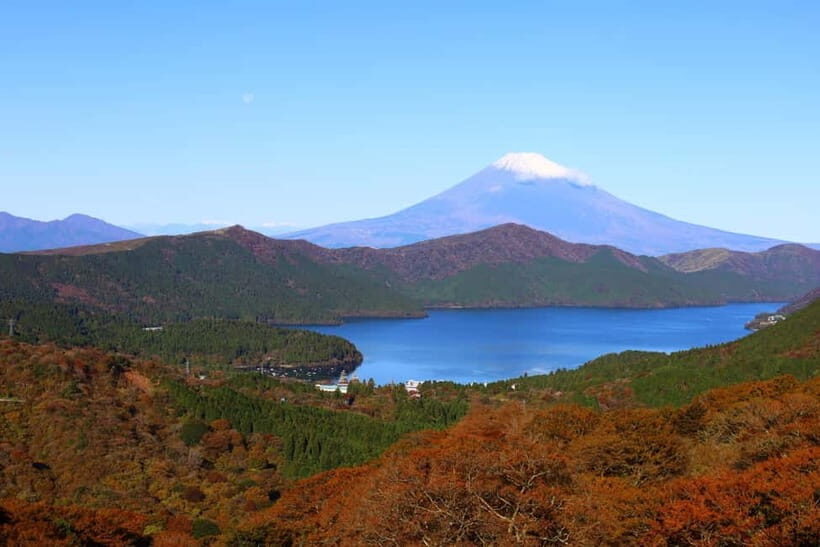
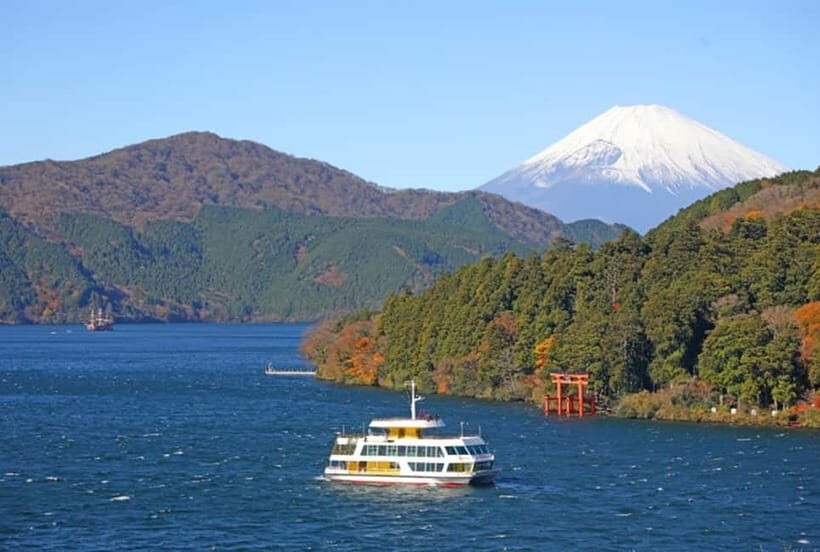
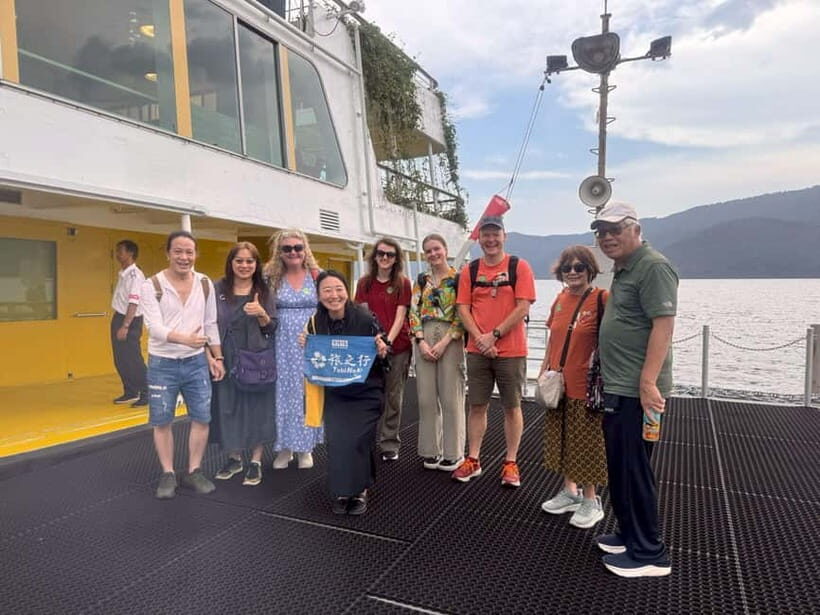
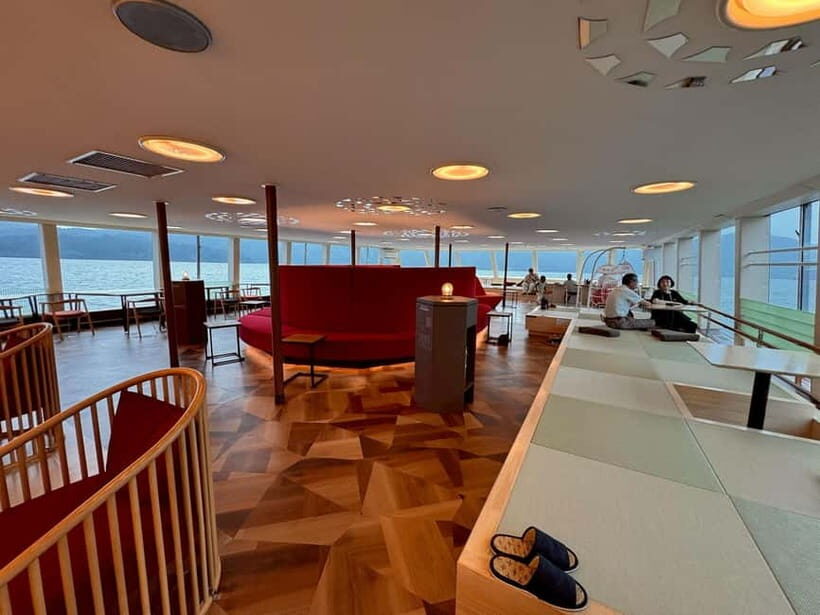
Next up is the Hakone portion: a cruise on Lake Ashi aboard the Yufune SORAKAZE boat. The cruise time is about 15 minutes, so this isn’t a long, slow drifting experience—it’s more like a scenic breather that also gets you the best angles for photos.
One practical point: Lake Ashi views change with the seasons, from colorful autumn scenery to the calmer look you often associate with winter. If you’re traveling in a shoulder season, you can still expect strong scenery, just in a different mood.
The tour info also flags seasickness as a concern. If you’re sensitive to boat motion, I’d take that warning seriously, because even a short cruise can feel longer on a choppy day.
Hakone Ropeway to Komagatake: the quick lift to big views
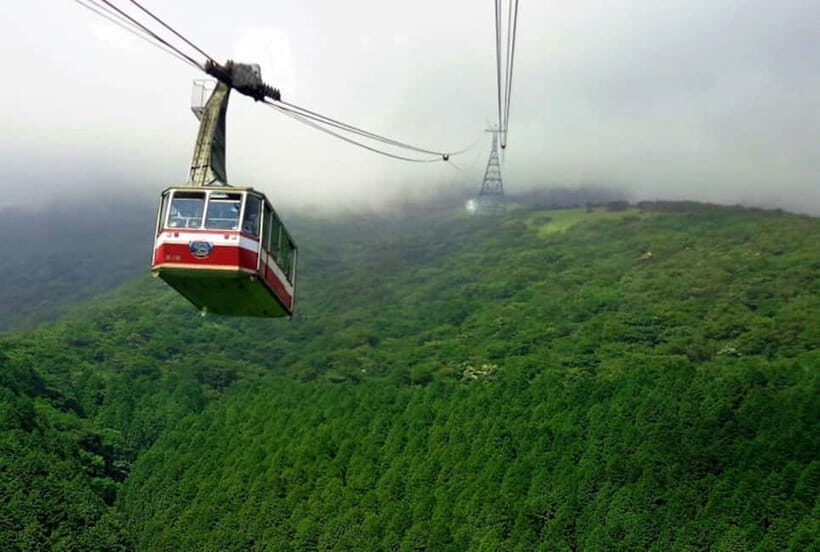
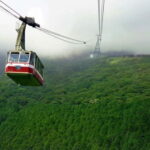
The Hakone Komagatake Ropeway is the visual payoff stage. You’ll ride up to the Komagatake top area in about 7 minutes, then spend around an hour at the top station area as part of the full segment.
From there, you’re rewarded with panoramic views that can include Mt. Fuji, Lake Ashi, Sagami Bay, and even the distant Izu Peninsula if visibility allows. This is the moment where you can finally connect the route you’ve been taking—Fuji in one direction, the water and coastlines laid out across the view.
Then you’ll visit the Hakone Shrine former site. It’s a serene end to the Hakone side of the day, and it balances out the earlier photo-and-movement parts of the schedule.
One important consideration: if you’re afraid of heights, the ropeway may not be a comfortable choice. And in real life, things can go off-plan—one guide-led experience included a ropeway maintenance day that was handled with an alternative ropeway option nearby by car, showing they try to keep you on track rather than canceling the whole Hakone piece.

The Shinkansen run: speed, comfort, and the Tokyo landing
After Hakone, you’ll take the Shinkansen from Odawara Station to Shinagawa Station. The train time is about 40 minutes, which is part of what makes this itinerary feasible in a single day.
This segment is more than transportation. It’s also the fun, modern Japan moment: smooth, fast, and easy to ride without the stress of traffic. If you want a taste of why the Shinkansen is famous, this is a clean way to fit it into a sightseeing day.
Once you arrive at Shinagawa, there’s a short visit, and then the day ends at Tokyo Station. It’s a helpful finish point because you’re not stuck somewhere inconvenient if you’re heading to other parts of Tokyo afterward.
The guides make or break a packed day
This tour runs smoothly when the guide can manage timing and answer questions. The good sign here is the strong emphasis on an English-speaking guide and English-only commentary from the bus.
In the experiences I’m using as a guide for what to expect, names came up often: Mitsi/Mitty were praised for being friendly and professional, and Mitsuko and Harumi were called out as an effective guide-and-driver team. The common thread is communication—explaining what you’re seeing and keeping the group moving without chaos.
If you’re the type who likes to understand what you’re looking at, this kind of guide support matters. It turns the day from a checklist into something closer to a story you can remember.
Price and value: what you pay for, and what you give up
At $129 per person, you’re paying for a lot of moving parts in one shot: transportation, an English-speaking guide, the cruise fare, ropeway fare, taxes, and lunch. The value is strongest if you care about multiple regions and want those headline experiences without organizing trains and transfers yourself.
You do give up flexibility. This is not a “wander when you want” day, and traffic or weather can reduce how much time you get for the boat or the ropeway. One experience described losing the cruise and ropeway due to terrible traffic, and that’s the moment where value can feel less strong even if the guide did the best they could.
Food and drinks besides lunch aren’t included, so plan a little spending buffer. Hotel pickup and drop-off aren’t included either, so you’ll need to handle getting yourself to the meeting point and onward after you finish near Tokyo Station.
Who this tour suits best (and who should skip it)
This is a great fit for:
- First-time visitors who want Mt. Fuji and Hakone highlights without spending extra nights
- People who like structured guidance, especially in English
- Travelers who want a Shinkansen experience stitched into a sightseeing day
It’s not a good fit for:
- Wheelchair users (not suitable per tour info)
- People afraid of heights (ropeway at Komagatake is part of the core plan)
- People prone to seasickness (Lake Ashi cruise is included)
If you’re traveling with a group and want a smooth, guided way to see a lot, this hits the sweet spot.
Should you book Fuji, Hakone Ropeway/Cruise/Shinkansen with lunch from Tokyo?
If your priority is a single-day hit of Mt. Fuji 5th Station, Hakone views from Komagatake, a Lake Ashi cruise, and a Shinkansen ride, then this tour is a strong value. The lunch is a real meal, the guide support is designed for English speakers, and the route is built to connect the mountain-to-coast-to-Tokyo arc without you planning every leg.
I’d only hesitate if you’re extremely sensitive to timing changes. With weather and traffic able to adjust the schedule, you should be comfortable with the idea that the day is efficient rather than leisurely. If you’re going anyway, keep expectations grounded: dress for cool, be early, and focus on the moments you’ll get even if the schedule tightens.
FAQ
Where are the meeting points?
Meeting points can vary depending on the option booked. It may be at the Kokuyo (株) Tokyo Shinagawa office area or at a location marked by LOVE near Robert Indiana.
How long is the tour?
The total duration is 10 hours.
Is lunch included, and what is it?
Yes. Lunch is included as Sukiyaki Gozen, and the tour also specifies premium Gin Shari Kamahan rice.
What happens if weather isn’t good for the Fuji route?
If the Subaru Line can’t be used due to weather, you’ll still visit the Mt. Fuji area with a stop at the Mt. Fuji World Heritage Center, followed by lunch in the Kawaguchiko area.
How long is the Lake Ashi cruise?
The Lake Ashi boat cruise is about 15 minutes on the Yufune SORAKAZE.
What train ride is included?
You’ll ride the Shinkansen from Odawara Station to Shinagawa Station.
Is this tour suitable for people who get seasick or fear heights?
No. It’s not suitable for people prone to seasickness or people afraid of heights, and it’s also not suitable for wheelchair users.