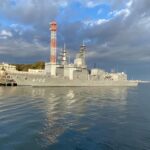
Yokosuka does a great job mixing calm and clout. This is a small-group day with Mayuko Tanabe, where you walk through Jinmuji Okunoin’s peaceful nature, climb to Mt. Taka Tori for big-view panoramas, and then switch gears to a naval port cruise with a professional navigator’s commentary. The combination of temple quiet plus ships right up close is exactly the kind of day trip that doesn’t feel like the same Tokyo “checklist.”
I especially like that you get plenty of guidance and photo support, so you can actually look at what’s in front of you instead of playing cameraman all day. I also love the mountain payoff: hot drinks and sweets at the top, plus stories that bring the quarry rocks and sacred history into focus. One consideration: the boat cruise is weather-dependent, and the day involves a hike and some time outdoors, so it’s not the best fit if you’re prone to seasickness or you want a fully seated plan.
In This Review
- Key highlights at a glance
- Yokosuka: where temple quiet meets real ships
- Finding your guide: Mayuko at JR Higashi Zushi Station
- Jinmuji Okunoin: guided calm in a temple tucked into the trees
- Takatoriyama Buddha carved into rock: the stop you’ll tell friends about
- The mountain walk itself: 360-degree views and a quarry you can’t ignore
- Tea break and forest bathing: slowing down on purpose
- Lunch and the local food market stop in Yokosuka
- Gunko Meguri Shioiri Sanbashi Bridge: the naval port cruise with a navigator
- Price and value: what $63 buys you here
- Pace, shoes, and weather: how to prepare so the day feels easy
- Who should book, and who should skip
- Should you book Mayuko’s Yokosuka hike and cruise?
- FAQ
- What languages does the tour guide speak?
- How many people are in the group?
- Where do I meet the guide?
- Does the tour start and end at the same place?
- How difficult is the hike?
- What’s included in the price?
- What should I bring?
- What costs are not included?
- Will the boat cruise run no matter the weather?
- Who is the tour not suitable for?
Key highlights at a glance
- Jinmuji Okunoin Temple: a guided, peaceful stop in nature with photo time built in
- Takatoriyama Buddha in rock: a one-of-a-kind statue you’ll likely never see elsewhere
- Panoramic viewpoints: possible views of Mt. Fuji, Izu Peninsula, and Tokyo Bay
- Tea break and forest bathing time: a reset in the trees, not just “walk, walk, walk”
- Naval port cruise with navigator: practical ship talk and close harbor views
Yokosuka: where temple quiet meets real ships
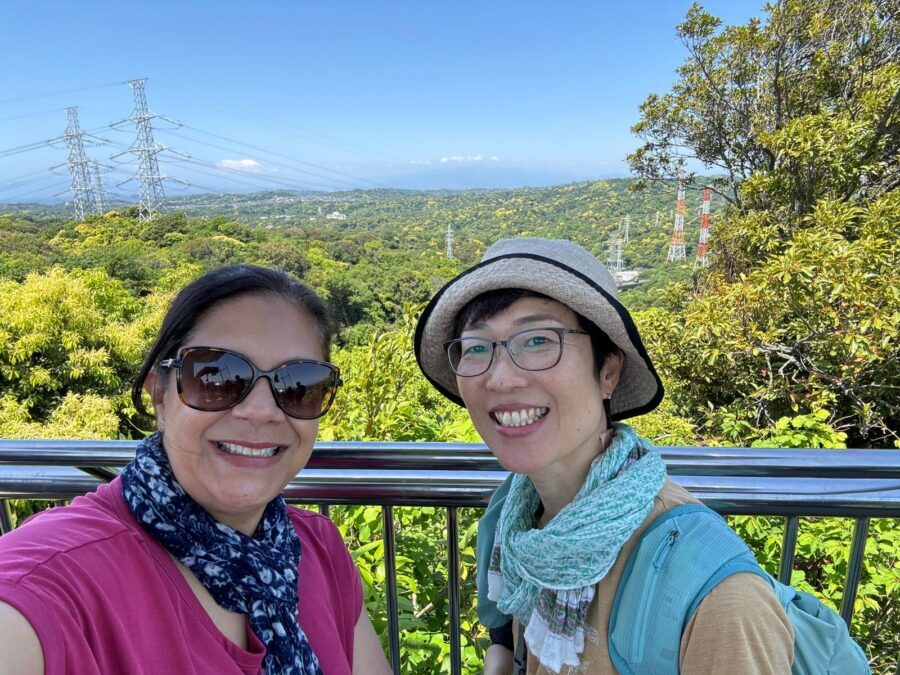
Yokosuka is one of those places that feels deliberately underused compared with the usual Tokyo-day-trip crowd. One half of your day is all about gentle hiking routes, temple calm, and the kind of mountain air that makes your brain slow down. The other half is a working naval port, where you get to see Japan’s maritime story up close and in motion.
The best part is how the day has two different “types” of seeing. Up on Mt. Taka Tori, you’re looking outward at coastline and distant landmarks. Then, on the cruise, you’re looking around the harbor with a navigator helping you connect what you see to what it means.
You can also read our reviews of more boat tours in Yokosuka
Finding your guide: Mayuko at JR Higashi Zushi Station
You meet Mayuko at the ticketing booth of JR Higashi Zushi station (not Zushi station). She’ll have a sign, and this matters more than it sounds—small-group tours move fast, and you don’t want to waste time herding yourself through a station.
From there, the tour flows into a relaxed walking rhythm. You’re not tossed into a “survival hike.” The pace is adjusted for the group, which is a big deal if your hiking comfort is somewhere on the beginner-to-intermediate line.
Also, languages are covered: Mayuko guides in English, Spanish, and Japanese, so you should be able to ask questions without forcing everything through hand gestures.
Jinmuji Okunoin: guided calm in a temple tucked into the trees
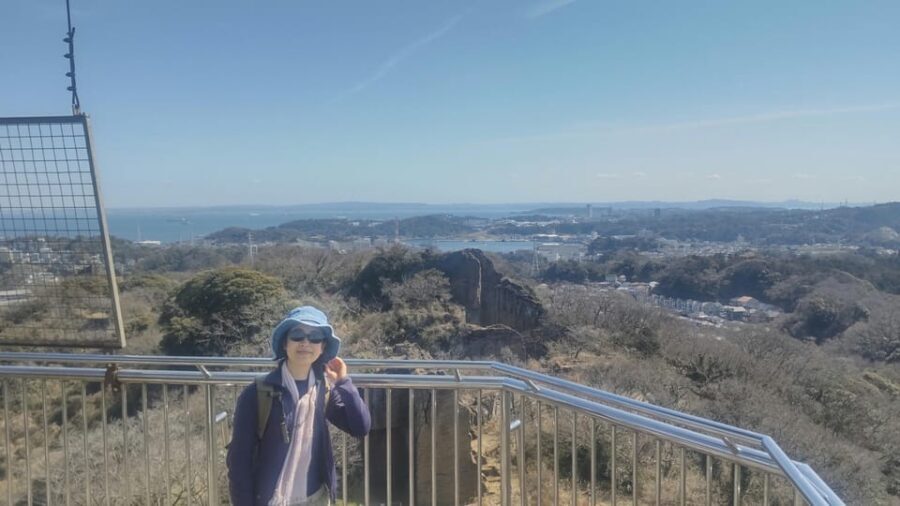
Jinmuji Okunoin is the day’s first real atmosphere-shifter. You get a photo stop plus guided sightseeing, about 20 minutes, with the temple set inside a quiet natural setting. This is the kind of place where the best photos aren’t the ones you rush to take—they’re the ones you notice after a moment of slowing down.
What you’ll get here is local framing. Mayuko’s style (based on how people describe her) is practical and observant. She’ll point out details along the way—trees, birds, the way the route feels—so you understand what you’re looking at, not just where to stand for a picture.
A small bonus: because photos are included, you’re not stuck constantly balancing hiking effort, route attention, and camera timing. That takes stress off you and makes the stop feel more like sightseeing than work.
Takatoriyama Buddha carved into rock: the stop you’ll tell friends about
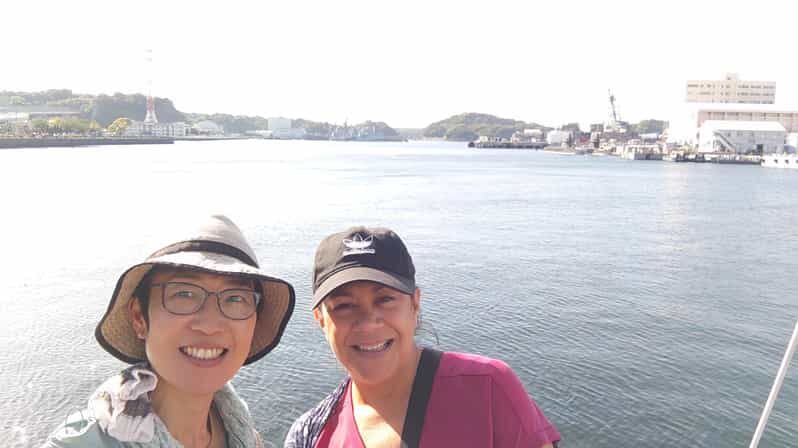
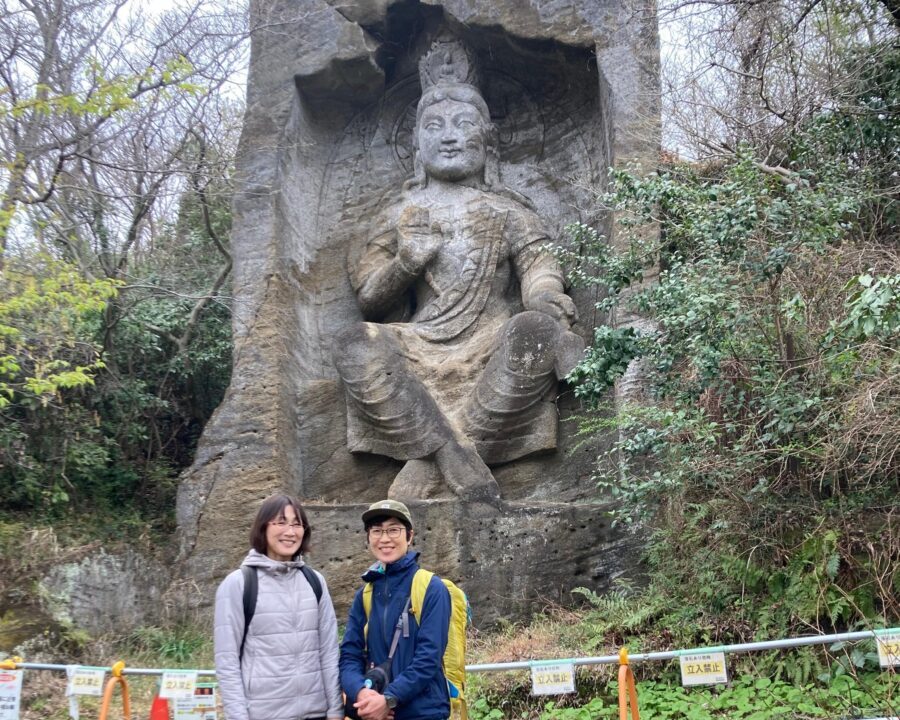
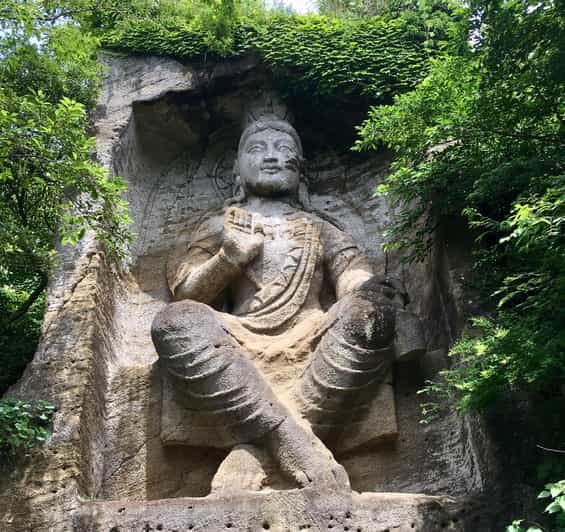
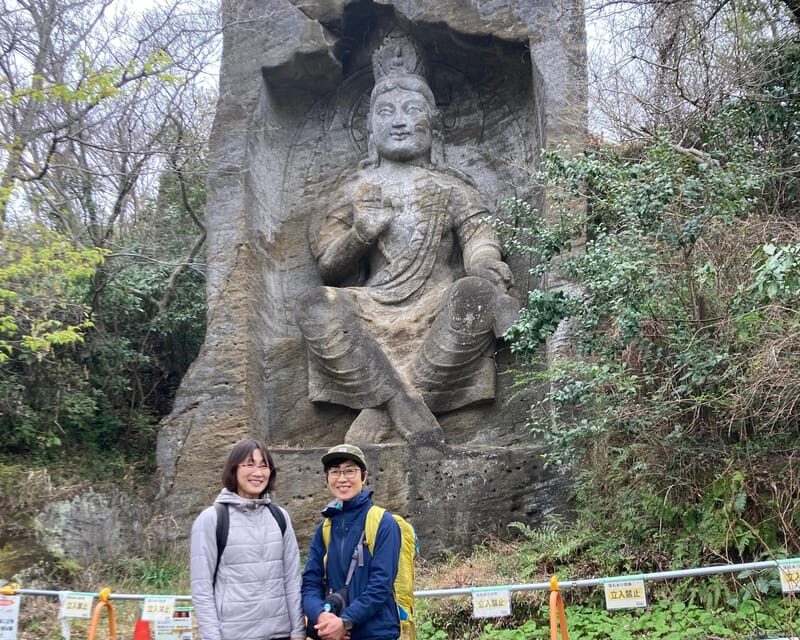
After the first temple segment, you continue on foot to Takatoriyama. The standout moment here is Takatoriyama Buddha, a Buddha statue carved directly into the rock. It’s short—around 10 minutes for the photo stop and guided sightseeing—but it’s the kind of detail that sticks in your head after the tour ends.
This is also where the day shifts from “pretty viewpoints” to “meaningful viewpoint stories.” One review notes the mountain’s sacred background, including that it used to be a training place for monks and that women weren’t allowed back then. Whether you’re super into religious history or just want atmosphere, that kind of context helps the place feel more than scenic.
The mountain walk itself: 360-degree views and a quarry you can’t ignore
The hike is generally easy to moderate, and Mayuko sets a relaxed tempo. If you’ve done some walks but you’re not a trail athlete, you should be able to manage it. If you’re brand-new to hiking, you might still find a few sections slightly challenging—but the guidance is built around pacing for the group.
As you climb, the reward gets better and better. You’ll reach an observation deck where the aim is a 360-degree view over Yokosuka port and surrounding mountains. The day’s highlights also mention possible panoramas including Mt. Fuji, the Izu Peninsula, and Tokyo Bay. Those are the big-name targets, but the real payoff is how close the sea and mountains feel from up there.
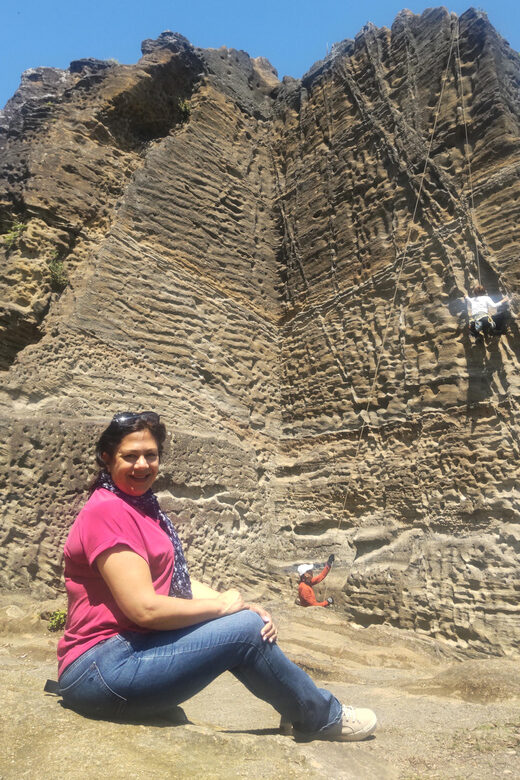
One of my favorite details from people who’ve taken this route is the top-of-mountain quarry. Rocks are cut vertically and deep, and the guide’s stories help you picture what it took to work there more than a century ago. It’s a weirdly human detail in the middle of nature—part industry, part landscape history.
You’ll also get a break at the top. Reviews describe hot drinks and sweets, which makes the climb feel earned instead of exhausting.
Tea break and forest bathing: slowing down on purpose
This tour isn’t only about reaching the highest point. It builds in an outdoor tea break and traditional forest bathing time. That’s important because it turns a hike into a reset.
Forest bathing isn’t a magic spell; it’s basically permission to pay attention to what’s happening around you—breeze, leaves, birds, and the small shifts in light as you move. When the guide points out birds or blooming flowers, that attention becomes easier.
If you like nature but don’t want a “hardcore hike,” this part is why the day feels balanced.
Lunch and the local food market stop in Yokosuka
After the climb, you’ll take a short train ride and then settle into lunch and a food market visit. Lunch itself isn’t included (you’ll pay for your own meal and drinks), but the market visit is time set aside for tasting and browsing local options.
For you, this is the value add that many city tours skip. You’re not just moving between sights—you’re eating where locals eat, or at least shopping where the day-to-day rhythm is visible. If you want to try something regional without guessing blindly, this stop helps.
It’s also a good mental checkpoint. The hike is done, the cruise is next, and you’ll have a chance to refuel before you go out on the water.
Gunko Meguri Shioiri Sanbashi Bridge: the naval port cruise with a navigator
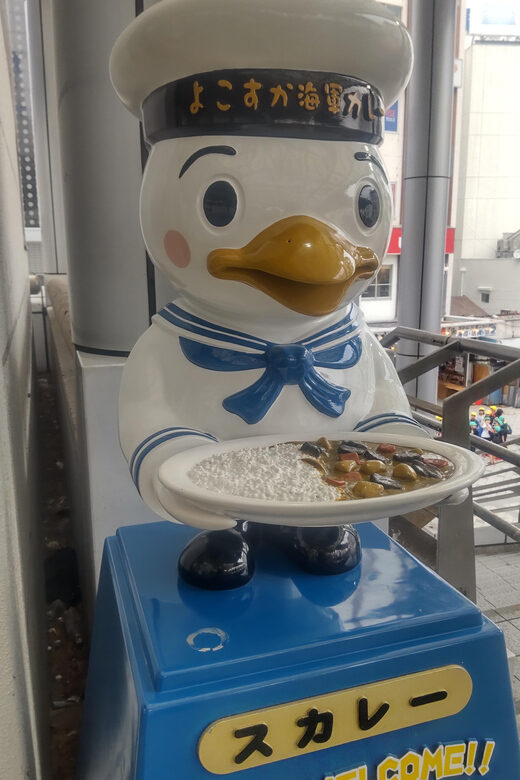
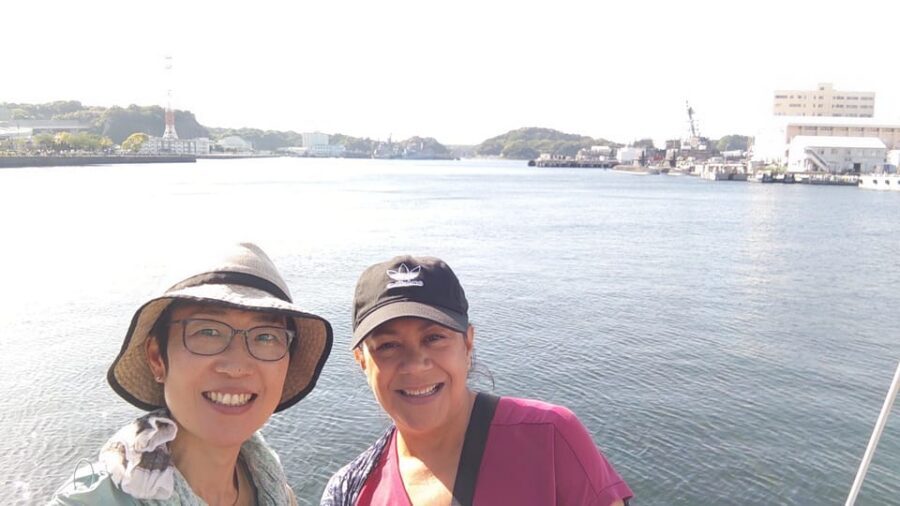
Now for the main scene switch: the naval harbor cruise. You’ll visit Gunko Meguri Shioiri Sanbashi Bridge, with photo time and guided sightseeing mixed in, then you’ll cruise with a professional navigator.
This is the part that makes Yokosuka feel different from most Tokyo-adjacent day trips. You get that “watching ships up close” feeling, including mention of submarines and larger vessels. The best guidance here is interpretive—your navigator helps explain what you’re seeing, not just announcing ship silhouettes.
One review calls out that the guide brought reference materials in English, and that people ended up wanting to learn more about the city’s history after seeing the harbor in person. That’s exactly what this cruise is for: turning spectacle into understanding.
Keep expectations realistic. This is a 40-minute cruise window, so you’ll want to show up ready to look. If you’re the type who always wants the perfect photo, remember: the schedule is tight, and you’ll get more enjoyment by watching first.
Price and value: what $63 buys you here
The price is listed as $63 per person for a roughly 7-hour day. At first glance, it can sound like a lot—until you break down what’s actually included.
You’re getting:
- a nationally licensed, English/Spanish/Japanese speaking guide (with photos taken during the tour)
- naval port cruise tickets (listed separately as JY 2,200 adult / JY 1,100 child)
- the guided walking and viewpoint time
What’s not included:
- your own transport fee (JY 230 per person)
- lunch and drinks
- hotel pick-up/drop-off
So you’re mostly paying for guided time plus the cruise experience, and you’re paying less for “random transit.” For many visitors, the real value is that you don’t have to figure out how to combine mountain viewpoints with a naval harbor cruise on your own. You just follow the rhythm and ask questions.
If you want one day that covers both nature and maritime life without turning it into a self-guided spreadsheet, this is good value.
Pace, shoes, and weather: how to prepare so the day feels easy
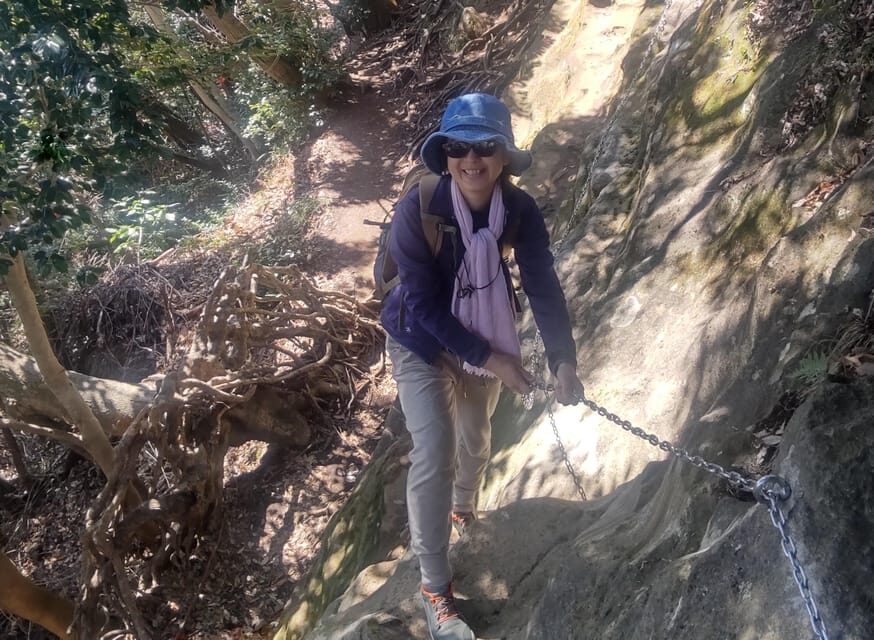
Wear comfortable shoes—trekking shoes are recommended. You’ll also want long pants/leggings to cover your legs. This is not the day for fashion sneakers and shorts unless you enjoy scrapes.
The tour is small: limited to 4 participants. That usually means you can move at a humane pace and ask questions without hearing your guide talk into the void.
Weather is the big wildcard. The boat cruise is subject to change due to weather conditions, and the entire tour may be canceled due to rain and extreme weather. If the forecast looks rough, don’t treat this like a guaranteed on-water day.
And one practical note: this tour is not suitable for people prone to seasickness.
Who should book, and who should skip
This tour fits best if you want a day that mixes:
- a guided hike with viewpoint rewards
- a temple stop in a natural setting
- a naval port cruise you can understand, not just watch
It’s also a strong option if you prefer a small group and you like your guide to handle logistics and photo moments so you can focus on the scenery and stories.
You should skip it (based on the provided suitability info) if you have mobility impairments, heart problems, use a wheelchair, or you’re prone to seasickness. It’s a walking-centered experience with some time on water.
Should you book Mayuko’s Yokosuka hike and cruise?
If you’re staying in the Tokyo area and you want one day that actually feels like Yokosuka—mountain calm in the morning, working harbor energy afterward—this is an easy yes. The mix of Jinmuji Okunoin, Takatoriyama’s rock-carved Buddha, a viewpoint with a memorable quarry story, and then the naval port cruise with navigator guidance creates a day with real contrast.
Book it if you:
- like nature walks but want an easy-to-moderate pace
- want the harbor explained in plain terms
- appreciate a small group and guide-led photo support
Skip it if:
- you’re uncomfortable walking on uneven ground
- you’re sensitive to motion on water
- you want a fully weather-proof plan
If you fit the first list, this is the kind of day trip that makes you feel you went off-script—in the best way.
FAQ
What languages does the tour guide speak?
The tour is guided in English, Spanish, and Japanese.
How many people are in the group?
It’s a small group limited to 4 participants.
Where do I meet the guide?
Meet at the ticketing booth of JR Higashi Zushi station. The guide will be waiting with a signboard.
Does the tour start and end at the same place?
No. The tour starts at a meeting point near Higashi Zushi station and finishes at Shioiri station.
How difficult is the hike?
The hike is generally easy to moderate. It’s done at a relaxed pace, but beginners may find some sections slightly challenging.
What’s included in the price?
Included items are the licensed guide, naval port cruise tickets, and photos taken during the tour.
What should I bring?
Bring drinks and comfortable hiking shoes. Long pants/leggings are recommended.
What costs are not included?
Not included are transportation fees (JY 230 per person), lunch and drinks, and hotel pick-up/drop-off.
Will the boat cruise run no matter the weather?
The boat cruise is subject to change due to weather conditions, and the tour can be canceled due to rain or extreme weather.
Who is the tour not suitable for?
The tour is not suitable for people with mobility impairments, heart problems, wheelchair users, or people prone to seasickness.