REVIEW · TOKYO
Japanaese tradtional Tsugaru Shamisen music lesson in Tokyo
Book on Viator →Operated by True Japan Tour · Bookable on Viator
Three strings, one powerful sound. In Tokyo, you get a Tsugaru shamisen performance, then hands-on coaching that actually gets you playing. It all happens in the Shinjuku area, and the session is built for beginners who still want real musical payoff.
I especially liked the combo of watching a top performer first and then copying the moves yourself. You also get the instrument rental in the price, plus instruction from a professional team that can work in English (and other languages on request), which makes the whole thing feel low-stress and personal.
One consideration: the class is about 1 hour, so you will learn a simple piece and a handful of techniques, not become a full-time player by the end. And transportation isn’t included, so plan how you’ll get to the meeting point in Shinjuku.
In This Review
- Key highlights at a glance
- Tsugaru Shamisen in Shinjuku: What You’ll Actually Do
- The performance part: hearing award-winning Tsugaru technique up close
- Hands-on basics with a rented shamisen: posture and bachi
- Learning an easy song step-by-step (and why it feels achievable)
- “Advanced techniques” in a friendly way: what to listen for while you practice
- The shamisen’s structure: the quick lesson that makes the sound make sense
- Timing, group setup, and what the 1-hour format means for you
- Price and value: why $77.26 can make sense
- Who should book this Tsugaru shamisen lesson?
- Should you book this Tsugaru shamisen workshop?
- FAQ
- How long is the Tsugaru shamisen music lesson in Tokyo?
- What is included in the price?
- Do I need to bring my own shamisen?
- Is this lesson suitable for beginners?
- What languages are the instructors available in?
- Where does the experience take place, and where do you end?
Key highlights at a glance
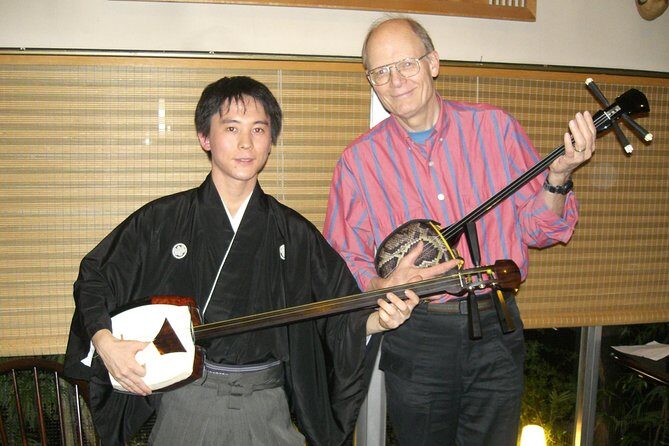
- World-level performance first, so you hear what you’re aiming for
- Hands-on shamisen rental included, no instrument shopping
- Beginner-friendly, gentle coaching with personal attention
- Learn posture and bachi (pick) technique before trying the song
- A short “together with the teacher” moment so you don’t feel lost
- Photos and video time during your performance
Tsugaru Shamisen in Shinjuku: What You’ll Actually Do
This is a practical music workshop, not a long lecture. You’ll start in the Shinjuku City area at the meeting point (14-28 Yochōmachi, Shinjuku City), then settle in for a pro performance and a guided playing session. The total time is about 1 hour, so every part of the program is designed to move you from hearing the sound to producing it yourself.
The core idea is simple: Tsugaru shamisen is a three-string instrument with a deep, intense tone, and you learn the basics through doing. Expect to handle the instrument, learn how to hold it, and practice the pick technique (called bachi) that drives the rhythm and tone.
The session is also set up so you can bring your whole group. It’s listed as a private tour/activity for your group only, and children and families are welcome. If you’re traveling with non-musicians, this format usually works well because you’re not just watching—you’re participating.
A few more Tokyo tours and experiences worth a look



The performance part: hearing award-winning Tsugaru technique up close
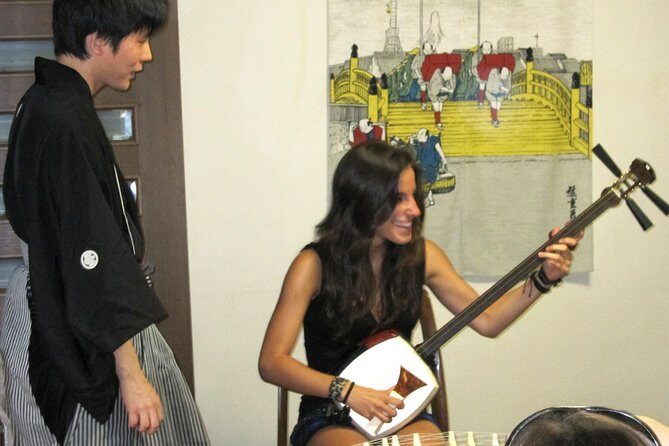
The first big moment is listening. You’ll hear a shamisen performance by a professional player who won the Tsugaru Shamisen World Tournament group championship. That matters because Tsugaru shamisen isn’t played like a background instrument; it’s expressive and percussive. When you hear it live at the start, you get a clear model for how the finger positions and bachi strikes should sound.
In my view, the performance-first approach is one of the smartest things about this kind of class. You don’t have to guess what “good” sounds like. You can track what changes in the tone and rhythm as the performer moves through the piece.
Then the instructor brings it back to your hands. You’ll use the performance as your reference point while you practice the basics. That also explains why the program includes multiple listening segments, not just one. You’ll hear Tsugaru shamisen, then play, then hear again—so your brain keeps connecting instruction to sound.
Hands-on basics with a rented shamisen: posture and bachi
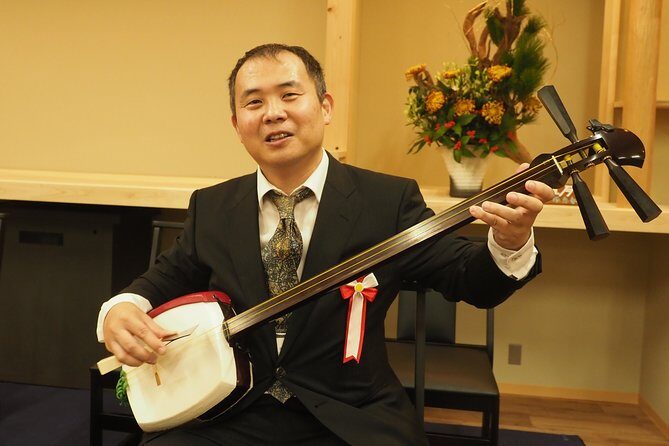
You’ll be given a rental shamisen as part of the experience, so you can focus on learning instead of figuring out equipment. The program flow starts with how to hold the shamisen, then moves to using the bachi (the pick). That’s the foundation for getting the deep Tsugaru tone without fighting the instrument.
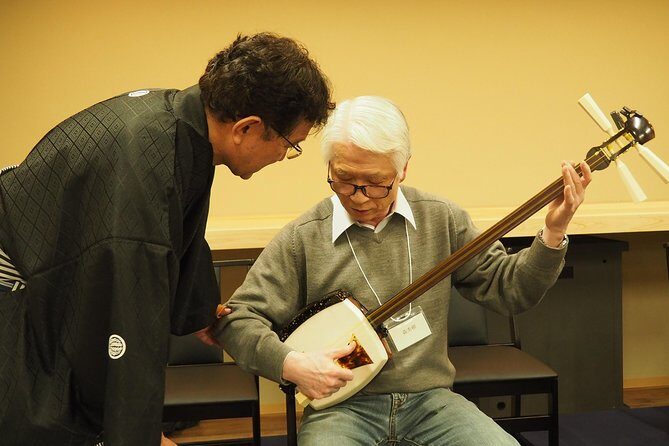
Here’s what you should expect from the teaching style: gentle, step-by-step guidance. One of the highlights from the reviews was how patient the instructor was, especially for families and mixed experience levels. That kind of pace helps because shamisen technique is physical—you’re learning body positioning along with musical timing.
Once you understand the hold and the bachi motion, you’ll start building toward a simple song. The goal isn’t perfection in one sitting. The goal is to get your hands doing the right kinds of movements quickly, with corrections that actually make sense to a beginner.
If you’re the type who learns best by repetition, this format will suit you. You get to practice the same motion long enough to feel it click, then you apply it to a piece.
Learning an easy song step-by-step (and why it feels achievable)
The workshop is structured so you don’t just “try a song and hope.” You learn how to play using the pick, then you work toward an easy song. That step is crucial for beginners: it turns a new instrument into something you can play on purpose, not just make noise with.
You’ll also get photo/video time during your performance, which is a nice reward for the work you put in. It’s one thing to learn the motions; it’s another to have a moment you can share right after you figure out the piece. The format encourages that sense of completion.
A detail that stood out in the reviews: participants learned a simple song, but they also picked up some harder techniques. That’s exactly how I’d want a beginner workshop to feel—friendly and approachable, but not watered down. You get a basic win, then you’re shown a few advanced options so you can hear the possibilities for later.
Also, the program includes the moment where you play one song together with the teacher. That is a big deal for first-timers. If your timing slips, the teacher’s part helps anchor the music, so you don’t feel like you’re failing in front of everyone.
“Advanced techniques” in a friendly way: what to listen for while you practice
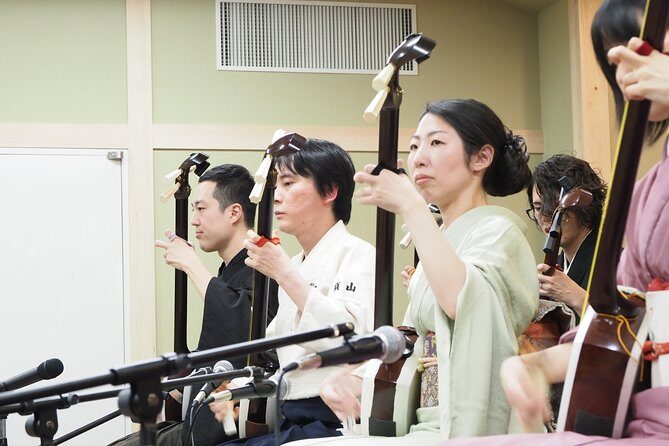
After the early learning, you’ll move into introduction to advanced techniques. The word advanced can sound intimidating, but in a one-hour workshop it usually means “a few extra tools” rather than a full technique overhaul. Think: small changes that change tone, rhythm, or emphasis.
In practical terms, advanced techniques at this stage help you understand why Tsugaru shamisen sounds so bold and emotional. Even if you’re only applying them briefly, you’ll learn what to listen for. Does the attack get sharper? Does the rhythm tighten? Does the sound bloom more with each strike? Those are the kind of differences you can start noticing during the lesson.
The reviews also mentioned amazing pieces and a patient instructor who taught in a way that made everything understandable. That’s what you want here: you should feel like you’re learning a method, not memorizing random finger moves.
When the program includes another listening segment after the technical basics, it gives you a chance to compare what you attempted with what a professional does. That contrast helps you improve faster—even if you only have time for a simple song.




The shamisen’s structure: the quick lesson that makes the sound make sense
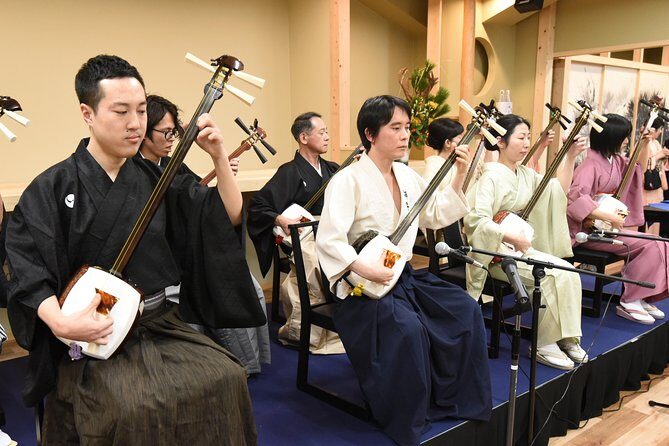
You’ll get an explanation of the shamisen’s structure. That part matters more than you’d think. When you understand how the instrument is built, the sound becomes less mysterious. You start realizing that Tsugaru shamisen tone comes from how the instrument is shaped, how it responds to the bachi attack, and how the player controls resonance through technique.
This is the kind of background that boosts your listening after the lesson too. You can hear specific elements the next time you encounter Tsugaru music—rather than only feeling the overall emotion.
In a hands-on workshop, structure lessons are most valuable when they connect directly to what you’re doing. Here, that connection is built in: you learn hold and pick technique, practice an easy song, then you hear and learn more about the instrument. That sequence helps your brain file the information under something practical.
Timing, group setup, and what the 1-hour format means for you
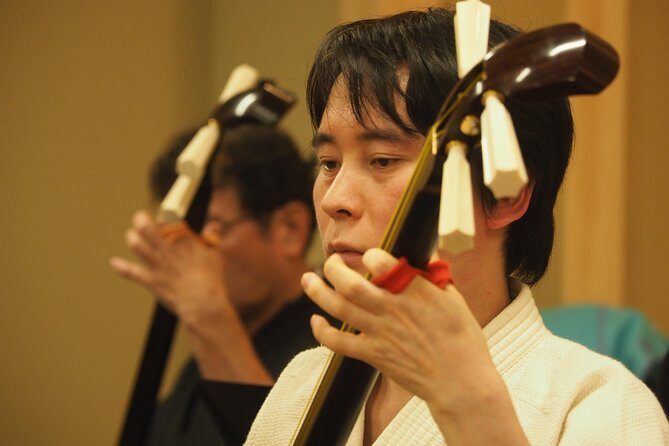
The experience is about 1 hour, and that time pressure can feel either stressful or motivating. The program design leans motivating: it moves in a logical order and includes multiple short segments that keep you from getting stuck.
Because it’s a private tour/activity for your group, you’re less likely to get treated like a number. You should still expect a group-like flow, though—there’s a performance component plus instruction plus a group playing moment with the teacher. If you come with mixed abilities, that’s actually okay, since the lesson includes gentle beginner-friendly guidance.
It also helps that licensed instructors are available in English, and French or Spanish can be arranged upon request. If language is a concern for you, this is the part that makes the workshop feel accessible instead of confusing.
One more practical point: transportation to and from the venue isn’t included. Since the meeting point is in Shinjuku, you’ll want to plan your route so you arrive with time to settle. In a short lesson, showing up a few minutes late can shrink your actual practice.
Price and value: why $77.26 can make sense
At $77.26 per person, this isn’t a “cheap souvenir” activity. But it’s also not a full-day course or a private conservatory lesson. What makes the price feel reasonable is what you actually receive.
Included:
- A nationally accredited tour guide-interpreter
- Shamisen rental
- Shamisen playing lesson
That combo handles three big costs most workshops make you solve yourself: language support (if you need it), instrument access, and instruction time. Since you don’t have to bring or rent your own shamisen, you can treat the day like a straightforward learning experience.
You’ll also often see these workshops get booked ahead—on average about 42 days in advance—so if you’re traveling during a busy period, grabbing your slot earlier is smart.
There are also features like a mobile ticket and group discounts. If you’re traveling with friends or family, you may get better value than if you’re going solo and trying to arrange everything last minute.
Who should book this Tsugaru shamisen lesson?
Book this if you want:
- A hands-on introduction to a genuinely Japanese instrument
- A guided experience where beginners are expected and supported
- Real performance to set your ear for what you’re practicing
- A family-friendly activity that isn’t just passive sightseeing
It also fits educational needs. The program is described as suitable for educational purposes such as for students, schools, corporate training, language programs, and academic institutions. So if you’re traveling with a group that wants a structured cultural activity, this lesson checks that box.
You might think twice if you’re looking for deep specialization or long-term training. The session is one hour, and the structure is designed to deliver a simple song and key techniques, not a full mastery program.
Should you book this Tsugaru shamisen workshop?
If you want an activity in Tokyo that’s cultural, interactive, and not overly complicated, I’d say yes. The performance-first approach helps you understand what Tsugaru sounds like, and the hands-on basics (hold, bachi pick technique, and a simple song) give you a tangible result within the time limit. Add patient, close instruction from a professional team, plus rental equipment, and you have a strong value for the money.
I’d only skip it if you strongly dislike structured group learning or you’re hoping for a multi-session music course. For a first encounter with Tsugaru shamisen, though, this is exactly the kind of experience that gives you a real memory, not just a photo.
FAQ
How long is the Tsugaru shamisen music lesson in Tokyo?
It’s about 1 hour.
What is included in the price?
The experience includes a nationally accredited tour guide-interpreter, shamisen rental, and a shamisen playing lesson.
Do I need to bring my own shamisen?
No. Shamisen rental is included.
Is this lesson suitable for beginners?
Yes. The instruction is described as gentle, and it’s suitable for beginners.
What languages are the instructors available in?
English is available, and French or Spanish are available upon request.
Where does the experience take place, and where do you end?
The meeting point is in Shinjuku City (14-28 Yochōmachi, Shinjuku City, Tokyo 162-0055, Japan). The activity ends back at the meeting point.