REVIEW · TOKYO
Japanese Sake Tasting & Wagyu Sukiyaki Cooking Class in Tokyo
Book on Viator →Operated by 割烹道 · Bookable on Viator
Tokyo has a thousand food lessons. This one teaches why flavor changes with temperature. You get sake tasting in chilled, room, and warm ranges, plus a hands-on Wagyu sukiyaki lunch cooked right in a modern kitchen studio. One thing to consider: it’s a 2-hour class, so if you’re hunting for long sightseeing or lots of free time, this is more of a focused food-and-drink session than a wander around town.
I like that it keeps the learning practical, not just ceremonial. You’ll pair sake with snacks, watch a pro chef’s vegetable carving while your sukiyaki simmers, then cook and taste what you make. The small group size (maximum 8) also matters here, since it keeps the pace friendly and the attention on your table—not a big lecture hall.
Instructors you may meet include Hiromi-san for sake-focused instruction, plus other staff named in past classes like Naoya-san and a cook associated with the Kano-Style sukiyaki process (Kimagai is mentioned). That’s a nice sign you’ll get real personalities, not just a script.
In This Review
- Key highlights at a glance
- Why this Tokyo sake + Wagyu class feels like good value
- Getting to Kappodo HQ and settling in at the kitchen studio
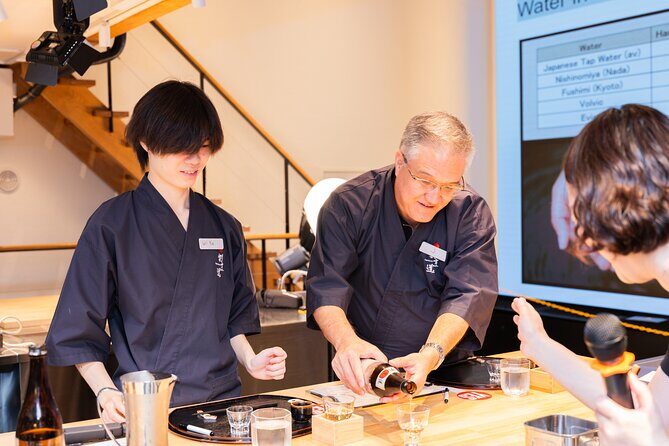
- The first lesson: sake tasting by temperature (and why it changes everything)
- Snack pairings: learning to taste like you’re building a menu
- Watching vegetable carving while your sukiyaki simmers
- Hands-on Wagyu sukiyaki cooking: what you’ll do at your station
- Pairing again at the table: how to taste your own hot pot with sake
- Group size, pace, and the 11:00 am timing
- What’s included (and what you’ll still need to cover)
- Who should book this class—and who might not
- Should you book the Japanese sake tasting and Wagyu sukiyaki class?
- FAQ
- What time does the class start?
- How long is the workshop?
- Where do we meet?
- Is transportation included?
- What’s included with the price?
- How many people are in the group?
- Do you taste sake at different temperatures?
- Is there a discount at a shop after the class?
- Is there free cancellation?
- Does the tour require a minimum number of travelers?
Key highlights at a glance
- Sake by temperature (chilled, room, warm): the same bottle reads differently, and you learn to taste it on purpose.
- Snack pairings during tasting: you practice matching bites to aromas and flavors, not just sipping.
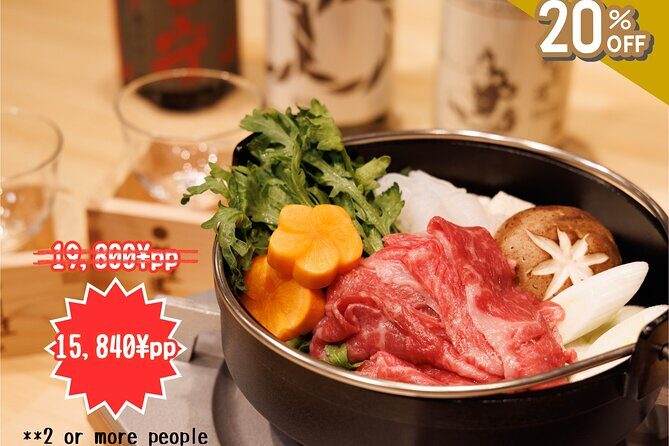
- Wagyu sukiyaki lunch included: you cook your own hot pot with premium beef.
- Vegetable carving demo while you wait: a fun, visual break that also explains presentation and technique.
- Small group (max 8): easier questions, less crowding around the cooking stations.
- Extra perks: a participation certificate plus 10% off items at the 1F shop the same day.
Why this Tokyo sake + Wagyu class feels like good value
At $129 per person for about 2 hours, you’re paying for more than food. You’re buying a guided tasting lesson, live chef technique, and a fully built cooking experience where you eat what you make. That “everything included” approach is what makes the price feel fair, especially in Tokyo where guided food experiences can swing high.
The big value play is the structure: you taste sake in multiple temperature ranges, then you cook with Wagyu sukiyaki, then you pair again at the table. That loop—taste, learn, cook, taste—sticks better than a one-time meal where you just eat and move on.
The class also includes equipment used during the sake pairing lesson and a certificate of participation. Those details sound small, but they reinforce that this is designed as a real workshop, not a casual food stop.
You can also read our reviews of more food & drink experiences in Tokyo

Getting to Kappodo HQ and settling in at the kitchen studio
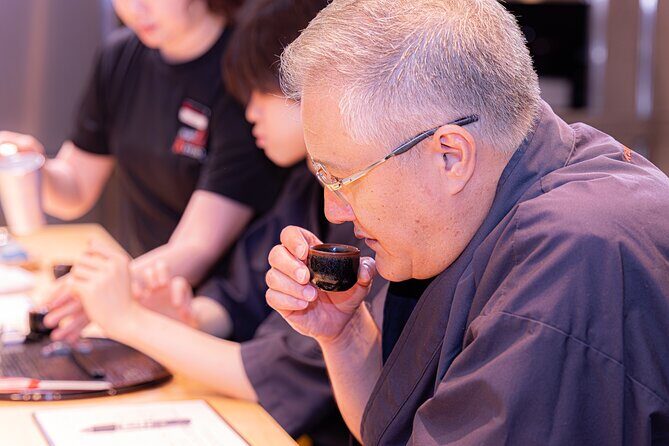
You meet at Kappodo H.Q in Minato City, Nishiazabu, at the Tokyo D kitchen Studio / Cooking Workshop location in the DKビル building. The start time is 11:00 am, and the activity returns you to the same meeting point.
Practical tip: since it’s near public transportation (as stated), I’d plan to arrive a few minutes early and treat it like a restaurant meal timing—show up on time and you won’t feel rushed through the tasting portion.
The studio setup matters because sake and cooking both have timing. Once the tasting begins, they want everyone synchronized: you’ll compare temperatures side by side, then move into sukiyaki as it simmers. A small group size (maximum 8) supports that smooth flow.
The first lesson: sake tasting by temperature (and why it changes everything)
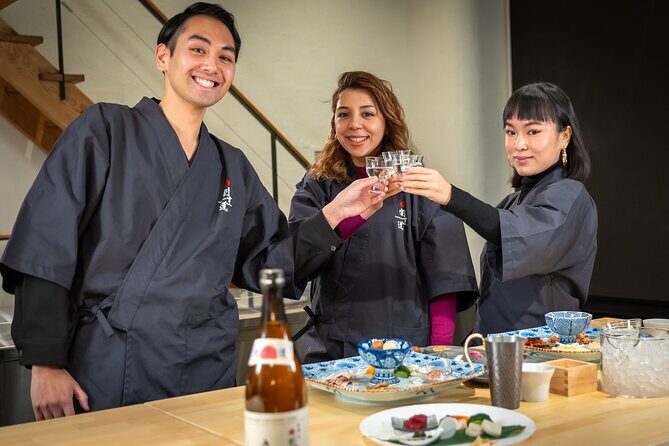
This class puts temperature front and center. You’ll taste sake in three temperature ranges—chilled, room temperature, and warm—and compare them using the same concept: heat changes aroma, and aroma changes what your brain thinks is “sweet,” “dry,” “clean,” or “rounded.”
That’s not just trivia. It’s a practical skill for your trip. In Japan, you’ll see sake served at different temperatures depending on season, style, and pairing. After this, you’ll have a mental map for what you’re tasting and why it might taste different from the same label you drank earlier.
They also mention that you may taste other types of sake beyond the temperature-focused trio. That gives you a wider picture of what “Japanese sake” can mean, instead of treating it as one flavor category.
One more detail I like: they’re not only pouring; they’re teaching how different vessels and handling can affect flavor. Even without getting too technical, it nudges you to pay attention to the sensory basics—smell first, then taste, then temperature again.
Snack pairings: learning to taste like you’re building a menu
During the tasting, each pour comes with selected Japanese snacks for pairing. This is a smart teaching method because it trains your palate in tiny decisions.
Instead of saying, This sake is good, they help you practice questions like:
- Does the sake feel brighter with a salty bite?
- Does warmth bring out fruit-like notes with a richer snack?
- Does the pairing make alcohol feel smoother or sharper?
That’s the kind of learning that transfers to restaurants. When you sit down later, you’ll have a way to decide what to order next based on the way the flavors interact.
Also, the class keeps the atmosphere relaxed. The feedback I see consistently points to a friendly, low-pressure experience where people can ask questions and still enjoy the food.
Watching vegetable carving while your sukiyaki simmers
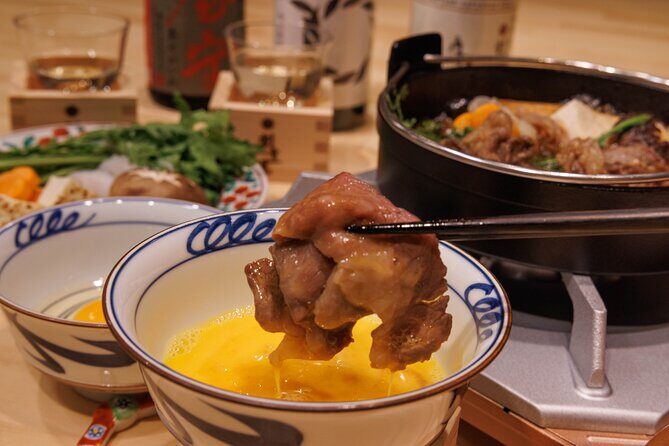
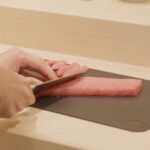
While your sukiyaki simmers, you get a live vegetable carving demonstration by a professional chef. I love this segment because it turns waiting time into something useful.
Vegetable carving in Japanese cooking is about more than decoration. It shows how presentation, cutting technique, and even the size of pieces can influence how food cooks and how it looks when it lands in the bowl. You’ll watch the process rather than just hearing about it, and it breaks up the class rhythm so the cooking doesn’t feel like nonstop work.
If you’ve ever wondered why Japanese meals look so composed, this is the kind of mini-window that explains the care without being preachy.
You can also read our reviews of more cooking classes in Tokyo


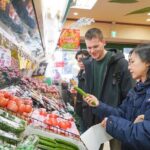
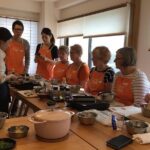
Hands-on Wagyu sukiyaki cooking: what you’ll do at your station
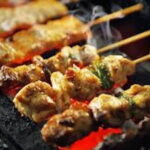
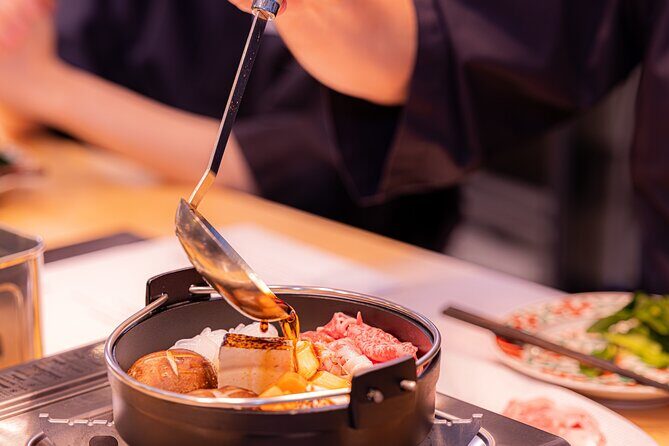
After the sake portion, you shift into the main event: making Wagyu sukiyaki. The lunch includes the hot pot itself, with premium Wagyu beef as the star.
You’ll cook your sukiyaki as a hands-on workshop. Even though the class duration is only about 2 hours, that’s enough time to:
- set up ingredients,
- cook and assemble your pot,
- and eat it while it’s hot (the whole point of sukiyaki).
A key benefit here is quality control. Wagyu sukiyaki can be expensive if you order it out of the context of a class. In this format, you’re tasting a deliberate pairing experience with included beef, not hunting down an exact dish later and hoping it matches the lesson.
You may also pick up technique from staff members mentioned in past classes—names like Naoya-san appear alongside high praise for cooking leadership. If your group gets similar guidance, you’ll likely get clear direction on timing and doneness, which matters a lot when you’re cooking thin slices.
Pairing again at the table: how to taste your own hot pot with sake
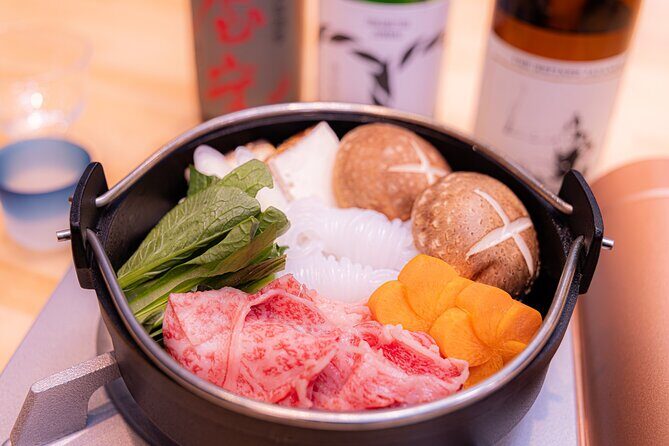
The class ends with you savoring your sukiyaki paired with sake. This is the moment that makes the earlier lesson click.
If you tasted sake in different temperatures at the start, you’ll be better prepared for how warmth and aroma interact with rich beef. Sukiyaki is sweet-savory, often with umami-forward components, so sake temperature and style can either lift flavors or blend them into something too heavy.
Here’s how I’d approach it while you’re eating:
- Take one bite plain first. Notice the fat and sweetness.
- Take a small sip, then go back to the bite.
- If the alcohol feels too strong, try a different temperature sip or slow down with smaller bites.
Even if your class doesn’t give you a formal tasting chart, you’ll come away with practical instincts for ordering sake later.
Group size, pace, and the 11:00 am timing
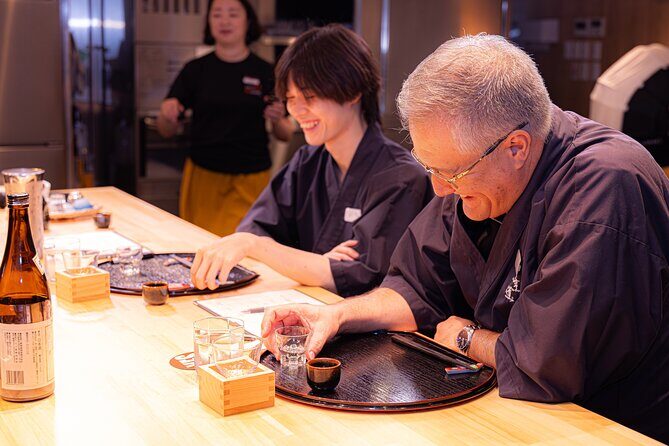
This runs for about 2 hours, starting at 11:00 am, and it returns you to the meeting point. That makes it a great fit for a Tokyo day where you want something structured but not exhausting.
The max group size of 8 travelers is a quiet advantage. In a class that includes tasting, cooking, and demonstrations, smaller groups prevent long waiting around the stations. You’re more likely to get answers and personal adjustments when needed.
If you’re planning your day, think of it as a lunch anchor. Eat earlier only if you truly have to. Otherwise, let the sukiyaki be the meal.
Also, it includes lunch—so you’re not paying extra on top of the $129. That’s a real budget win compared with stacking separate activities and restaurants.
What’s included (and what you’ll still need to cover)
Included:
- Sake tasting with three temperature ranges, plus other types of sake
- Lunch: Wagyu beef sukiyaki
- All equipment used in the sake pairing lesson
- Certificate of participation
- 10% off items at the 1F shop the same day as your workshop visit
Not included:
- Private transportation
One small practical note: you’ll be tasting alcohol, so if you’re doing other drink-heavy stops afterward, plan pacing. This is a class with a meal, not a quick sample.
Who should book this class—and who might not
You’ll probably love this experience if:
- you want hands-on cooking with a meaningful food lesson attached,
- you care about how sake changes with temperature (and you like learning by doing),
- you’re traveling with family or a small group and want an activity everyone can enjoy.
It might not be the best match if:
- you want lots of time to explore outside a fixed studio,
- you dislike alcohol tastings (the class includes sake),
- you prefer very slow, unstructured experiences.
The strong recommendation rate and consistently high marks make sense: you get both learning and good eating without the awkward “watch someone else cook” feeling.
Should you book the Japanese sake tasting and Wagyu sukiyaki class?
I’d book it if you’re the type who likes food experiences that teach you something you can use again later. The combination of temperature-based sake tasting, snack pairings, and hands-on Wagyu sukiyaki is unusually well matched. It’s not just about eating well in Tokyo; it’s about understanding why flavors shift when you change temperature and pairing.
If your schedule fits the 11:00 am start and you’re okay with a short 2-hour format, this is a strong value use of time. Add the small group size, the chef demo, and the included lunch, and you’ve got a compact “Japan food skills” session that’s easy to recommend.
FAQ
What time does the class start?
It starts at 11:00 am.
How long is the workshop?
The duration is about 2 hours.
Where do we meet?
You meet at Kappodo H.Q / Tokyo D kitchen Studio / Cooking Workshop in Nishiazabu, Minato City (DKビル). The activity ends back at the same meeting point.
Is transportation included?
No, private transportation is not included.
What’s included with the price?
You get sake tastings in three temperature ranges (and other types of sake), lunch (Wagyu beef sukiyaki), equipment used in the sake pairing lesson, a certificate of participation, and 10% off at the 1F shop on the same day.
How many people are in the group?
The class has a maximum of 8 travelers.
Do you taste sake at different temperatures?
Yes. Sake is available in three different temperature ranges (plus other types of sake).
Is there a discount at a shop after the class?
Yes. You can enjoy 10% off items at the 1F shop on the same day of your workshop visit.
Is there free cancellation?
Yes, free cancellation is offered. You must cancel at least 24 hours in advance of the experience start time for a full refund.
Does the tour require a minimum number of travelers?
Yes. If the minimum isn’t met, the experience may be canceled, and you’ll be offered a different date/experience or a full refund.