REVIEW · TOKYO
Karate Experience with the Shotokan Karate-do Instructor
Book on GetYourGuide →Operated by MY Travel Consulting Inc. · Bookable on GetYourGuide
Karate training in a champions dojo feels different. This 90-minute Shotokan session runs at the SKIF headquarters dojo in Honshu, led in English by high-level instructors, with hands-on technique work and culture built into every step. I like that you start with the history and philosophy, not just kicks and punches, and I also like that you get to try board breaking and see a focused demonstration.
One thing to watch: timing matters. If you arrive late, the session can’t be extended, so you’ll want to show up 10 minutes early and get your bearings fast.
In This Review
- Key points at a glance
- Inside the SKIF Dojo: Why the Setting Changes the Class
- Your 90-Minute Flow: History, Basics, Kata, and Pre-arranged Kumite
- Kata work that’s more than memorization
- Promise Kumite: Sparring that teaches control
- Board Breaking and the Instructor Demo: The High-Impact Moments
- English Instruction From Top-Level Shotokan Instructors
- How they handle mixed experience
- Dojo Etiquette and What to Bring (So You Don’t Get Stuck)
- Where to meet: Kugahara Station, then a short walk
- Price and Value: What $220 Is Actually Paying For
- Who Should Book This Shotokan Karate Session
- Great for beginners who want the real foundations
- Also good for experienced karateka who want refinement
- Less ideal if you want a family outing
- Practical Tips for a Smooth Session
- Should You Book This Shotokan Karate Experience?
- FAQ
- How long is the karate experience?
- What is the group size?
- Is the instruction available in English?
- What will I learn during the session?
- Is a uniform included?
- Do I need to bring a towel or drinks?
- Where is the meeting point?
- What should I do if I’m running late?
- Is it suitable for young children?
Key points at a glance
- SKIF headquarters dojo: A serious setting where world champions train and teach
- 90 minutes, max 10 people: Enough time for instruction without feeling rushed
- Built for mixed levels: Beginners learn foundations; experienced karateka can get direction if they tell you what they practice
- Real Shotokan staples: Striking, kicking, kata, and pre-arranged kumite
- Board breaking plus demo: Hands-on moment, then an instructor showpiece
- End with exchange and photos: A friendly finish, not just a workout
Inside the SKIF Dojo: Why the Setting Changes the Class
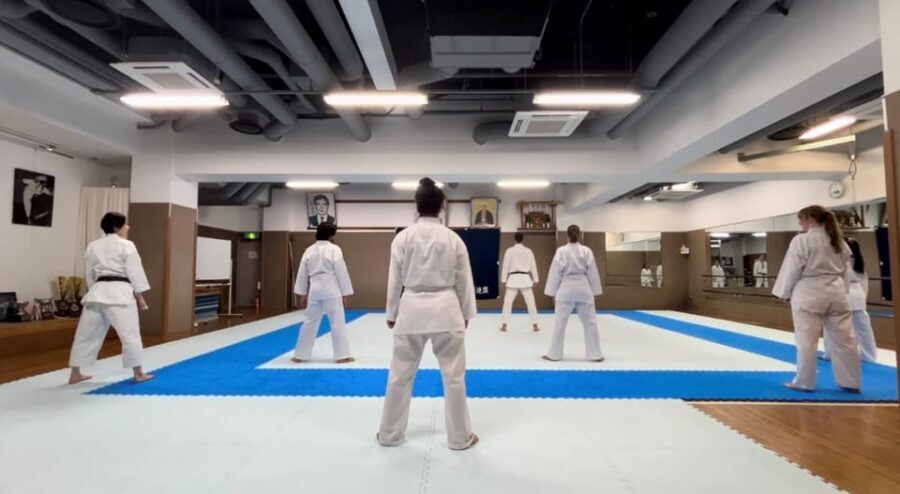
This isn’t a generic karate “try it once” session. It takes place at the Shotokan Karate-do International Federation (SKIF) headquarters dojo, a training hub where world champions teach and compete. Even if you’ve practiced before, that kind of environment tends to shift your mindset from casual to attentive.
What I like about this setting is how it supports the program’s structure. You’re not only learning moves. You’re learning them in a place that emphasizes tradition—stance, timing, discipline, and how karate connects to Japanese culture and values.
If you’re brand-new, the “dojo” context helps you understand why karate isn’t just physical. If you already know the basics, you’ll likely appreciate how instruction stays grounded in Shotokan fundamentals instead of jumping straight into complicated stuff.
You can also read our reviews of more tours and experiences in Tokyo.



Your 90-Minute Flow: History, Basics, Kata, and Pre-arranged Kumite
The session is planned like a tight lesson: short introduction, then progressively more physical training. It starts with a brief look at karate’s history and philosophy—enough background to make the techniques feel purposeful.
After that, you move into hands-on fundamentals. Expect core striking and kicking practice, with instructor guidance on how to generate power and keep form consistent. The goal here isn’t to make you a fighter in 90 minutes. It’s to give you a clean starting point so your body understands what “good karate” looks and feels like.
Kata work that’s more than memorization
Kata—formal patterns of technique—shows up early enough that beginners aren’t lost, but also in a way experienced students can recognize and refine. You’ll get to practice forms as part of the session, which is a big deal in Shotokan, where kata is often where technique principles become real.
If you’ve only ever sparred casually, kata may feel slower. But it’s how you learn stance stability, hip alignment, and how techniques connect. And in a short program like this, you benefit from seeing kata broken down into manageable training moments.
Promise Kumite: Sparring that teaches control
You’ll also work promise kumite, which means pre-arranged sparring. That matters because it makes the session approachable. You’re not thrown into unpredictable chaos, so you can focus on distance, timing, and correct technique execution.
For beginners, it’s safer and clearer. For experienced participants, it can still be useful, because you can test whether your fundamentals hold up when the rhythm is set.
Board Breaking and the Instructor Demo: The High-Impact Moments
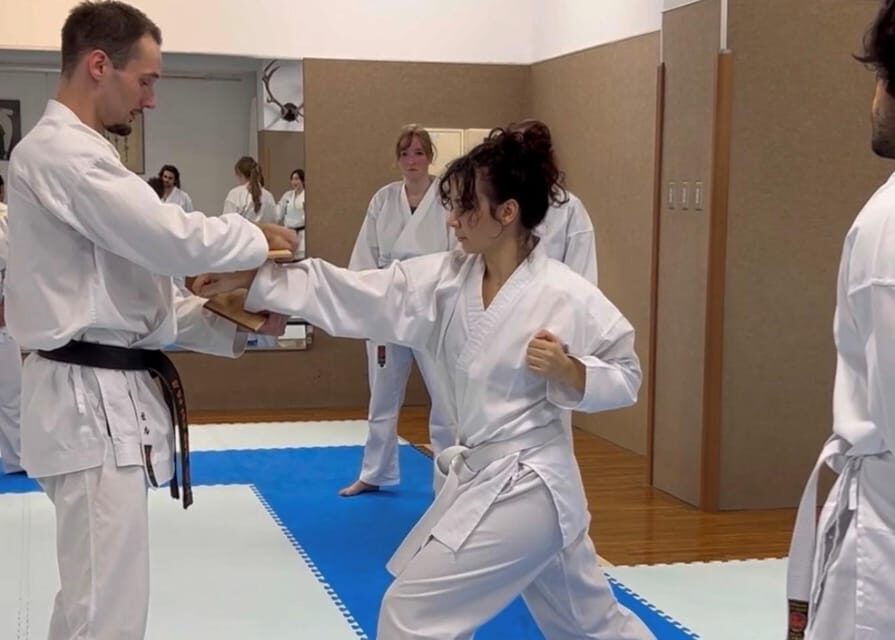
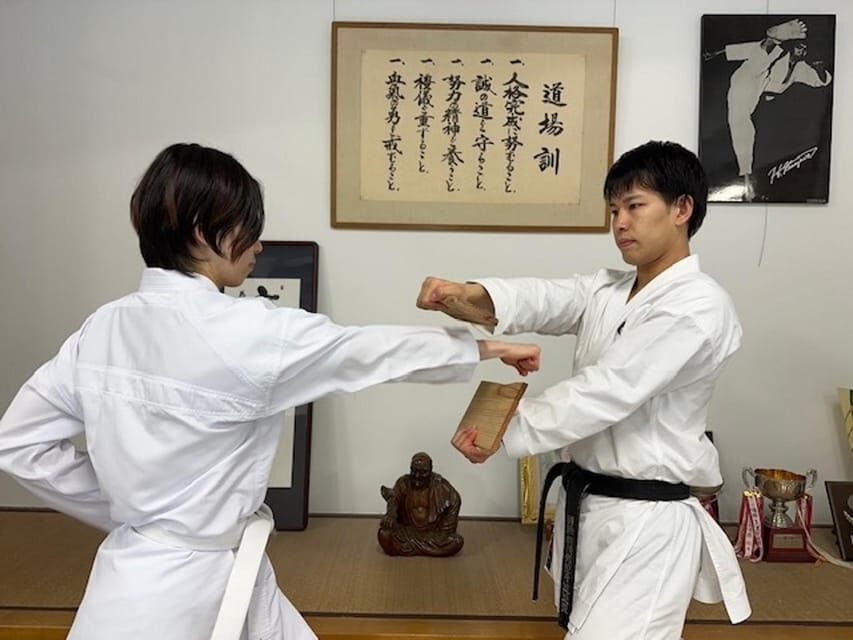
Board breaking is one of those activities people remember for a reason. It’s physical, visual, and immediate—you feel the mechanics when you try it. Since board breaking is included, you’re not paying extra for the flashy part.
It’s also a great way to understand how karate power is supposed to work. Your instructor can show you how posture and timing connect to force transfer. That turns “I broke a board” into “I understand what the instructor was correcting.”
Then you’ll get to observe a powerful demonstration. Watching a high-level instructor is valuable here because the demo isn’t only showy. It typically reinforces what you practiced: clean forms, solid stances, and controlled aggression. You’ll likely notice how little wasted motion there is when technique is done properly.






English Instruction From Top-Level Shotokan Instructors
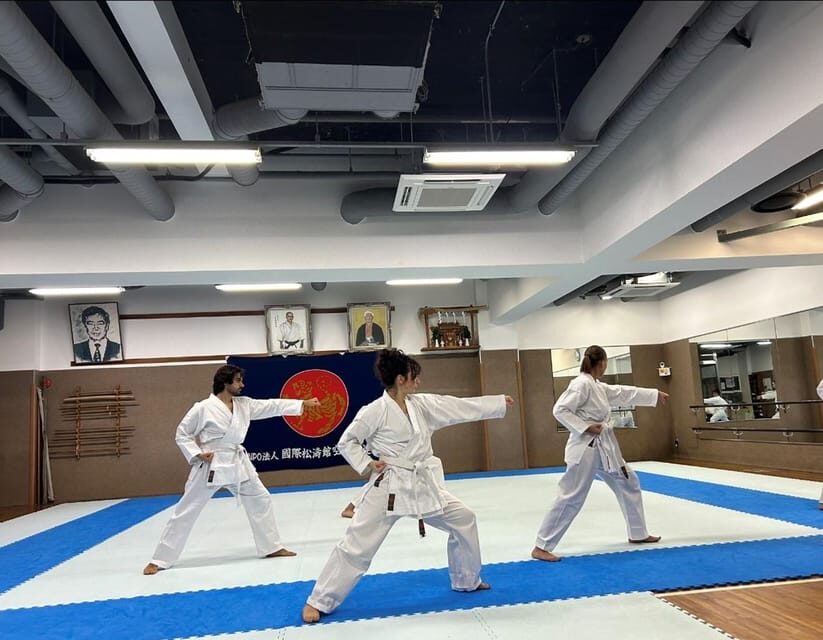
This session is taught in English, and the program is designed for small groups—limited to 10 participants. That’s important. Karate coaching works best when someone can correct your stance, angle, and timing before you lock it into muscle memory.
On the day of your class, your session is led by one of several top-level instructors. The program highlights instructors with competitive achievements in SKIF World Championships and All Japan Karate Championships, including gold medals in kumite and national titles in kata and kumite.
How they handle mixed experience
If you come in with karate experience, you’ll get a better result when you communicate your style and what kind of training you want. The program explicitly notes that experienced karateka can receive a more satisfying plan if you let them know in advance.
In one example, an instructor named Paul tailored the session to a participant’s prior background and added extra emphasis on the traditional side of karate. That kind of adjustment is exactly what you should hope for: not just better technique, but clearer context for why you’re doing it.
Dojo Etiquette and What to Bring (So You Don’t Get Stuck)
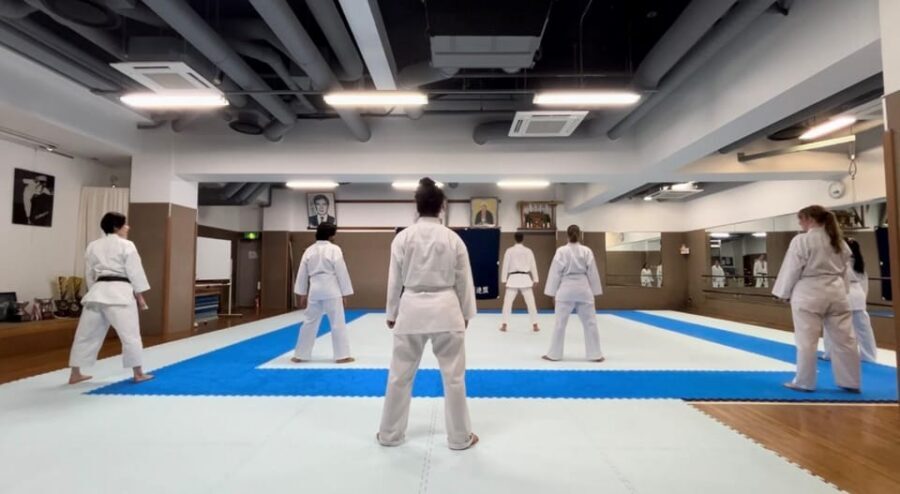
Plan to treat this like a real training session. You’ll rent a uniform if you want one, so you don’t have to travel with gear. But you still need the basics.
Bring:
- A towel
- Drinks
Bottled water is not included, so have your own plan. Also, food isn’t allowed during the experience, and alcohol and drugs are not permitted. Smoking is not allowed either.
A small-but-important practical detail: if you arrive late, the session can’t be extended. So build in buffer time after you reach the area.
Where to meet: Kugahara Station, then a short walk
The meeting point is a 2-minute walk from Tokyu Ikegami Line Kugahara Station. If you’re unsure about the route, contact the provider in advance so they can pick you up at the station. That’s worth doing if you’re arriving by rail for the first time or you just don’t want to play navigation roulette right before training.
Price and Value: What $220 Is Actually Paying For
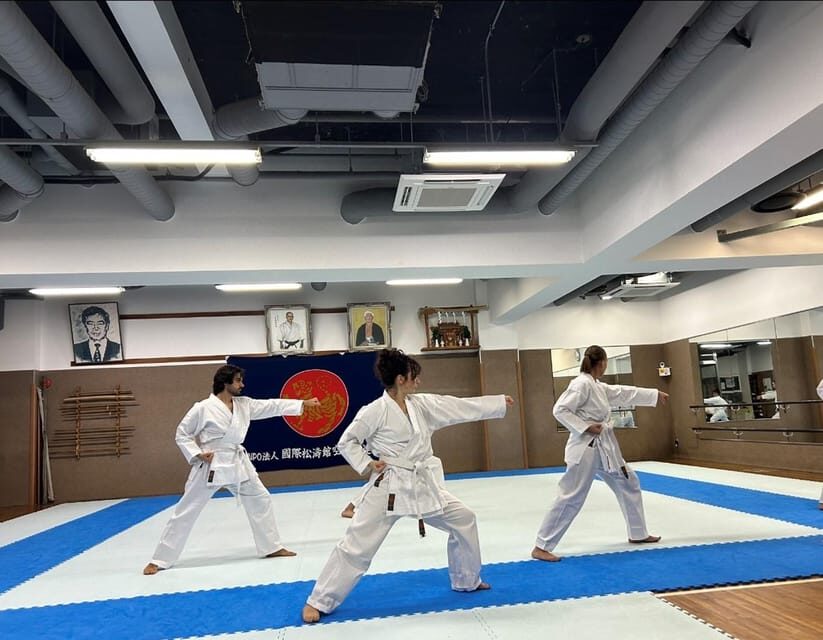
$220 per person is not a casual drop-in price. But the value stacks up when you look at what you receive in a single 90-minute block.
You’re paying for:
- English instruction from top-level Shotokan instructors
- Hands-on training in core techniques: striking, kicking, kata, and promise kumite
- The chance to try board breaking
- Watching an instructor demonstration
- Uniform rental
If you compare this to “find a dojo and hope someone speaks English” pricing, the structure is the real convenience. You’re not just buying a workout—you’re buying a complete, coached session that includes both the practice and the cultural framing.
Also, the small group size matters. Ten participants means more chance for corrections rather than passive observation. In martial arts, that kind of attention can make the difference between leaving with a vague memory and leaving with usable technique cues.
Who Should Book This Shotokan Karate Session
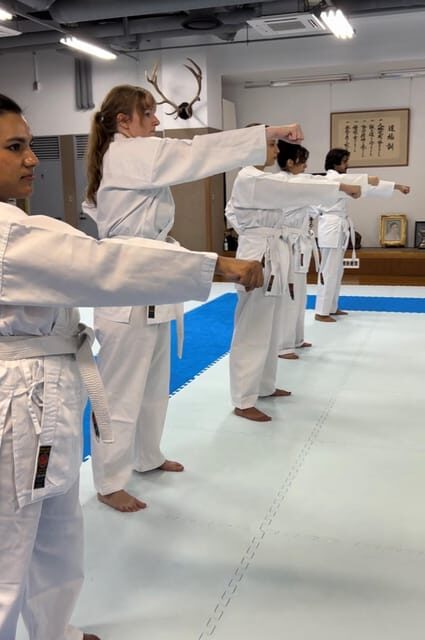
This fits best if you want authentic Japanese martial arts in a serious dojo setting, not a generic tourist activity.
Great for beginners who want the real foundations
If you’re starting from scratch, the session is built to introduce karate basics in a structured way. The history and philosophy component gives you context, while promise kumite helps you understand partner interaction without chaos.
Also good for experienced karateka who want refinement
If you already practice Shotokan or have competed, you can still benefit, especially if you tell the organizers what style you practice and what training you want. The program isn’t pretending everyone has the same needs—it’s designed for mixed levels.
Less ideal if you want a family outing
Children under 7 are not suitable for this experience. If you’re traveling with kids older than that, confirm details ahead of time, since the program notes special contact needs for child participants.
Practical Tips for a Smooth Session
A few small decisions will help you get more out of the 90 minutes.
- Arrive early and stay relaxed: Late arrivals can’t be accommodated.
- Bring a towel and drinks, since bottled water isn’t included.
- Wear comfortable clothing for warming up, because you’ll likely move quickly from walk-in to training mode.
- Ask questions about Japanese terms and technique meaning. One participant noted strong explanations for techniques and terminology, and that kind of Q&A is where the cultural side turns into real understanding.
- If you have prior karate experience, share your style and goals in advance. That’s the key to making the coaching feel targeted.
Should You Book This Shotokan Karate Experience?
Book it if you want a high-quality, coached Shotokan session in an SKIF headquarters dojo setting, with English instruction and a full mix of fundamentals (kata and promise kumite included). The value is strongest when you care about technique, discipline, and cultural context—not only the physical workout.
Skip it if you’re late-prone, dislike timed activities, or you’re coming in without the flexibility to follow dojo rules (no food/alcohol, bring a towel/drinks). Also, if you’re looking for a children-friendly program for younger kids, this isn’t suitable for children under 7.
If you’re in the Tokyo area of Honshu and you want one solid, memorable martial arts experience that feels legitimately Japanese, this is a clear “yes.”
FAQ
How long is the karate experience?
It lasts 90 minutes.
What is the group size?
It’s a small group limited to 10 participants.
Is the instruction available in English?
Yes, the instructor teaches in English.
What will I learn during the session?
You’ll practice basic striking and kicking, work on kata (forms), and train promise kumite (pre-arranged sparring). You’ll also do board breaking and watch a demonstration.
Is a uniform included?
Yes. Uniforms are available for rental.
Do I need to bring a towel or drinks?
Yes. Please bring a towel and drinks. Bottled water is not included.
Where is the meeting point?
It’s located a 2-minute walk from Tokyu Ikegami Line Kugahara Station.
What should I do if I’m running late?
Arrive at least 10 minutes before the starting time. If you arrive late, the experience cannot be extended.
Is it suitable for young children?
Children under 7 are not suitable for this activity. If you have a child in the 7+ range, you should contact the provider for details.