REVIEW · TOKYO
Tokyo ART Walking: National Museum and Yanaka ART Area
Book on Viator →Operated by True Japan Tour · Bookable on Viator
Art meets neighborhood streets in Ueno and Yanaka. This guided walking tour combines Tokyo National Museum admission with coffee or tea included, so you’re not just sightseeing—you’re actually getting oriented to Japanese art. You’ll also get helpful guide talk that connects what you’re seeing to the bigger story of how artists live and work around the city.
I like that the tour mixes a major museum with smaller places where art feels more personal. Stops can include an artist studio and gallery visits tied to working makers, not just glass-case viewing.
The one thing to keep in mind: some major sights are quick and a few are view-only (for example, the National Museum of Western Art is seen from the outside). If you want nonstop deep time in one building, this pace may feel a bit “hit-and-run.”
In This Review
- Key highlights worth your attention
- Tokyo National Museum: the ticket that does most of the heavy lifting
- Ueno’s art buildings: quick stops, useful context, and a smarter walk
- Children’s literature library and the Japan art web you might miss
- Temples and studio-galleries: where the walk feels personal
- SCAI The Bathhouse: contemporary art in a repurposed public building
- Yanaka Cemetery: a quiet finish that makes the art stick
- Price and value: what $96.75 actually buys you
- Logistics that matter: where you start, how the walk ends, and group pace
- Who this tour fits best (and who should choose differently)
- Should you book this Tokyo ART Walking tour?
- FAQ
- What is included in the tour price?
- How long is the Tokyo ART Walking tour?
- Where does the tour start and end?
- Is admission to the National Museum of Western Art included?
- Does the tour include visits to temples and galleries?
- How big is the group?
- Can I cancel and get a full refund?
- When will I receive confirmation?
Key highlights worth your attention
- Tokyo National Museum entry is included, saving time and ticket hassles
- Coffee or tea is included during the walk—nice when you’ve got museums on your feet
- Short artist-linked gallery stops help you see how art connects to everyday Tokyo
- You’ll get guidance that ties locations together, not random museum hopping
- Small group size (max 16) keeps the walk from feeling like a cattle line
Tokyo National Museum: the ticket that does most of the heavy lifting
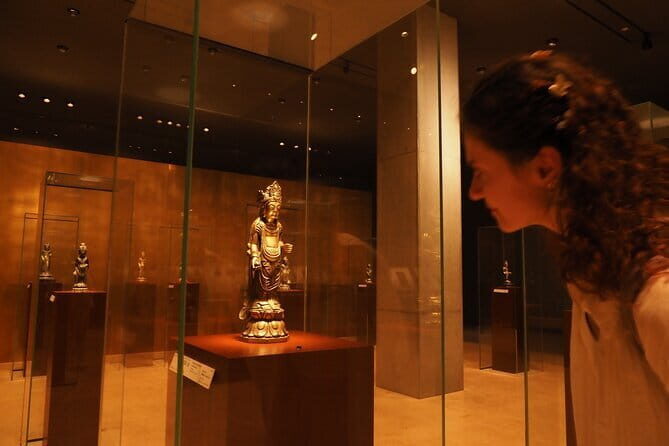
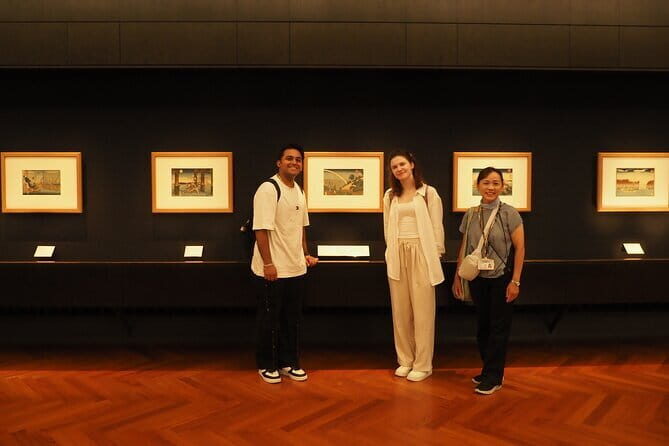
This tour starts at Ueno, where the Tokyo National Museum sits like the big anchor for anyone trying to understand Japanese art fast. The session at the museum is long enough—about 1 hour 15 minutes—that you’re not just passing through. It’s also where the guide talk really matters, because the museum covers a huge span: paintings, arts and crafts, and sculptures ranging from ancient through more modern periods.
What makes this part a smart value is that admission is included. In Tokyo, museum tickets add up, and you also spend less time in lines. More importantly, you don’t arrive cold. A good guide will help you look for what matters in the context of Japan’s art tradition—so you walk out with a mental map instead of a pile of names you can’t place.
One practical note: the museum is big, so your time can feel intense if you go in expecting to see everything. If you’re the type who likes to read every label, you may find yourself rationing attention. That said, the whole point here is “good selection,” not total coverage.
You can also read our reviews of more walking tours in Tokyo
Ueno’s art buildings: quick stops, useful context, and a smarter walk
After the museum, the route shifts from “one big hall” to “art-city touring.” You’ll pass through a few notable spots around Ueno where art and culture are built into the neighborhood fabric, not only inside museums.
For example, Tokyo Bunka Kaikan is a standout building. It hosts opera, ballet, and classical music, but even if you don’t catch a performance, the architectural presence is worth a quick look. This stop is short (around 15 minutes) and doesn’t come with paid entry, so think of it as a palate cleanser between galleries.
You’ll also get view-only looks at the National Museum of Western Art, which is the one in East Asia designed by Le Corbusier. Since entry isn’t included, you’re not going to spend time inside. Instead, the guide’s job is to point out what to notice from the outside—how the building itself signals a certain era and approach to museum design.
There’s a similar “look-and-learn” rhythm with the former concert hall linked to the Tokyo National University of Fine Arts and Music. These kinds of stops are easy to skip on your own, but with a guide, you understand what you’re seeing and why it matters.
Children’s literature library and the Japan art web you might miss
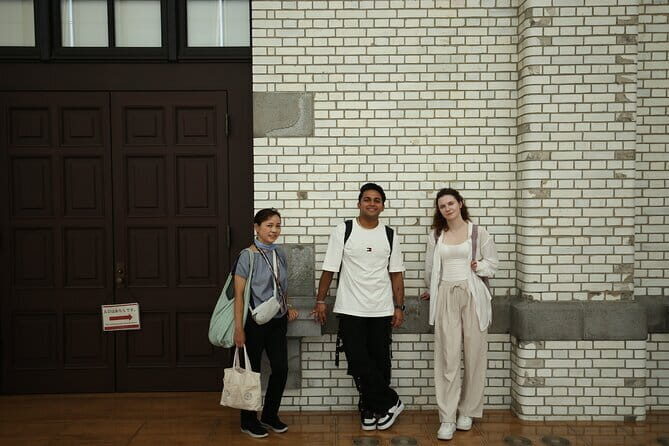
One of the more surprising stops is the International Library of Children’s Literature. It’s another quick one (about 15 minutes), and it’s free. But don’t underestimate it. A children’s library can sound like a detour if you’re hunting only “adult” art. In practice, it’s a useful reminder that design, illustration, and storytelling sit right beside fine art in Japan’s visual culture.
Architecturally, it’s described as a fusion of modern and retro styles. Even for people who usually skip buildings-as-art, this can give you a different lens: the way creative spaces are shaped for imagination, learning, and reading.
Then you swing back toward art institutions via university-run spaces. You may stop at Chinretsukan Gallery (Ueno campus of the Tokyo University of the Arts). This is another short visit—free and around 15 minutes—but it adds a sense of Tokyo as a place where art education, practice, and public viewing overlap. You’ll also have a chance to connect to a smaller museum linked to Kuroda, a pioneer of Western art in Japan. These are the kinds of stops that help you see Tokyo’s art scene as layered, not single-track.
Temples and studio-galleries: where the walk feels personal
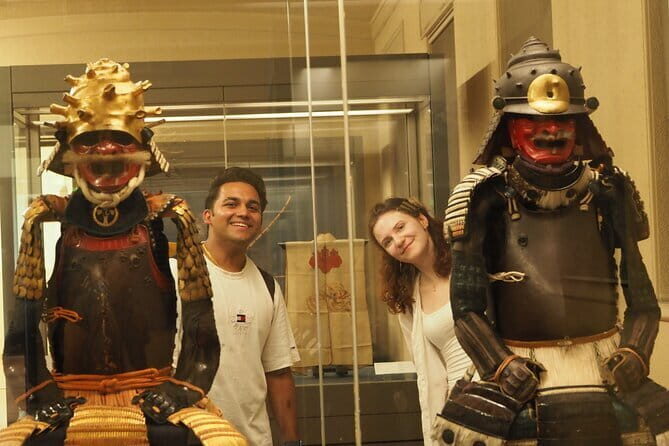
Here’s where the tour becomes more than “museum sightseeing.” You visit places that show how art connects to daily life and long-term practice.
Gokoku-in Temple is one of those calm breaks (about 15 minutes, free). It’s dedicated to Daikokuten, associated with prosperity and good harvests. In a city where art can feel like it’s always in a hurry, a temple stop gives you a breather—and a chance to notice how the route is designed to slow you down for a moment.
After that, you move into the art-making zone with Allan West’s studio and gallery, called Art Sanctuary Allan West. This is tied to a folding screen painter. A studio-and-gallery style stop is different from a museum stop: you’re not just seeing finished works behind barriers. You’re getting closer to the working environment, the kind of place where you can almost picture the production process.
Next comes haco – art brewing gallery. The exhibits change every week, and you can talk with the artist. One caution: the artist may not be available on the day of your tour. Still, even when conversation doesn’t happen, this kind of revolving exhibit space tends to feel more current than a museum schedule. It’s also a good reminder that contemporary art isn’t a separate universe—it’s happening week to week.
SCAI The Bathhouse: contemporary art in a repurposed public building
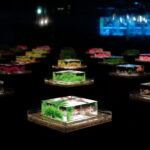
One of the best “wait, what is this?” stops is SCAI The Bathhouse, a contemporary art gallery in a renovated public bathhouse. This place is free to enter on the tour and takes about 15 minutes.
Why it’s worth a quick visit: bathhouses have a strong Tokyo identity. When you repurpose that kind of space for contemporary exhibitions, the building itself becomes part of the experience. It also helps you understand how Tokyo often reuses and reworks older structures instead of wiping the slate clean. Even with limited time, you’ll likely feel that shift the moment you’re inside.
You can also read our reviews of more museum experiences in Tokyo

Yanaka Cemetery: a quiet finish that makes the art stick
The last stretch heads toward Yanaka Cemetery. This is not an art museum, but it’s a thoughtful ending. The walk here is shorter—around 10 minutes and free—and the focus is the greenery and atmosphere.
Yanaka is known for a more local, low-key feel compared to the busiest central areas of Tokyo, and finishing the tour here changes the mood. It gives you a gentle landing after a string of galleries and cultural stops. If you keep moving afterward, you’ll also be positioned to explore Yanaka further on your own, since the tour ends at Nippori Station.
Price and value: what $96.75 actually buys you
At $96.75 per person for about 3 hours 30 minutes, this tour isn’t the cheapest way to spend an afternoon in Tokyo—but it is a smart way to spend your time if you care about art and you want guidance.
Here’s the value breakdown you can feel right away:
- Tokyo National Museum admission is included, which is the biggest line-item advantage.
- You get a certified guide to help you look at what you’re seeing rather than just moving from stop to stop.
- Coffee or tea (one soft drink included) helps keep energy up, especially when the schedule includes multiple short museum-like moments.
- The group stays small (max 16 travelers), which usually makes it easier to ask questions and keep pace without losing the whole thread.
What you’re not getting: private transportation, and you also shouldn’t expect every highlight to be an inside visit. Since some key architecture is view-only, the tour is designed more for “direction and context” than for long solo museum marathons.
Logistics that matter: where you start, how the walk ends, and group pace
You’ll meet near Ueno Station at ベビカルNewDaysエキュート上野公園改札外 (Park Gate outside), and the tour ends at Nippori Station (Nishinippori area).
That end point is useful. If you want to keep exploring after the tour, Nippori and Yanaka are a natural continuation. You won’t feel stuck back in the same spot you started.
Pace is another practical factor. The tour strings together many short stops—often about 15 minutes each—so you’ll be walking with a plan. This is great if you like variety and you want a guided sampler of Ueno plus Yanaka. If you prefer slow museum time, you’ll want to follow up on your favorite stop afterward.
Who this tour fits best (and who should choose differently)
This is a good match for you if:
- you’re visiting Tokyo for a short time and want an efficient art route
- you like a mix of major museum highlights and smaller art spaces
- you enjoy hearing why a building, a studio, or a neighborhood matters
You might choose a different style tour if:
- you want full inside time at every major museum stop
- you’re hoping for a long, deep self-paced museum session without group timing
- you dislike walking for several hours with multiple brief transitions
One more thing: the guide makes a big difference. Past tours have run with guides such as Kyoko, Yuka, and Kenny—people who are praised for making the art experience feel distinctive and well organized. If you’re the kind of traveler who wants clear explanations while you walk, this format is designed for you.
Should you book this Tokyo ART Walking tour?
Book it if you want a guided art afternoon that starts with a real anchor museum and then branches into smaller places tied to artists, studios, and Tokyo’s cultural architecture. You’ll likely come away feeling like you understand not only individual artworks, but the wider art ecosystem around Ueno and Yanaka.
Skip it (or add extra time elsewhere) if your main goal is maximum time inside one museum—because several stops are intentionally short, and at least one major museum sight is view-only from the outside.
If you like your Tokyo days practical and packed with meaning—this is a solid choice.
FAQ
What is included in the tour price?
Tokyo National Museum admission fees, coffee and/or tea (one soft drink included), and a certified guide are included.
How long is the Tokyo ART Walking tour?
It’s about 3 hours 30 minutes.
Where does the tour start and end?
The tour starts at ベビカルNewDaysエキュート上野公園改札外 near JR Ueno Station. It ends at Nippori Station.
Is admission to the National Museum of Western Art included?
No. You will view it from the outside, and the tour does not include entry.
Does the tour include visits to temples and galleries?
Yes. The route includes stops such as Gokoku-in Temple and multiple art galleries, including SCAI The Bathhouse.
How big is the group?
The tour has a maximum of 16 travelers.
Can I cancel and get a full refund?
Yes, free cancellation is available. You can cancel up to 24 hours in advance for a full refund.
When will I receive confirmation?
You’ll receive confirmation within 48 hours of booking, subject to availability.