REVIEW · TOKYO
Flavors of Japan Food Tour in Tokyo
Book on Viator →Operated by Arigato Japan KK · Bookable on Viator
Tokyo tastes better on foot. This Nihonbashi food tour pairs wagashi craft with real meal stops and green tea education, all while you walk.
I like the way the tour teaches flavor through hands-on tastings, from dashi to pickles, and even the building-block sweets that Japanese cooks rely on. I also like the smart pacing: you get multiple snack tastings first, then you land a proper Washoku lunch with menu choices.
One drawback to think about is the format: it’s a walking-and-tasting tour, so you’ll want comfy shoes and enough room in your schedule for a focused morning or late morning start.
In This Review
- Key Highlights You’ll Care About
- Wagashi, Green Tea, and a Lunch That Actually Sits Right
- Where You Start in Nihonbashi (and How to Prepare)
- Wagashi: The Sweet Art Lesson That Doesn’t Feel Like Homework
- The Regional-Flavor Tour: Snacks That Teach You the Building Blocks
- COREDO Muromachi and the Old Meets New Feeling
- Shrines, Bridge Views, and Why This Part of Tokyo Matters
- Lunch: Washoku Sets with Real Choices (and a Dashi Education)
- After Lunch: Depachika Freedom for Snack Hunting
- Value Check: Is $209 Worth It for a 3-Hour Food Walk?
- Who This Tour Fits Best (and Who Might Want Something Else)
- Quick Tips to Make It Smoother
- Should You Book This Food Tour in Tokyo?
- FAQ
- How long is the Flavors of Japan Food Tour in Tokyo?
- What’s included in the price, and is lunch part of it?
- Where do I meet the guide and where does the tour end?
- Can vegetarians or vegans join this tour?
- Does the tour include alcohol, and is there a minimum drinking age?
- What if the weather is bad or I need to cancel?
Key Highlights You’ll Care About
- Wagashi craft you can taste with an in-the-room look at how these sweets are made
- Regional snacks that teach you why flavors work (dashi, tsukemono, satsuma imo, and more)
- A real lunch, not just bites, with choices like soba, tempura, sashimi sets, grilled fish, chicken, or sukiyaki
- Food + culture in Nihonbashi as you pass landmarks like Nihonbashi Bridge and shrine stops
- After-lunch Depachika freedom so you can keep exploring snack options on your own
Wagashi, Green Tea, and a Lunch That Actually Sits Right
This tour is built around a simple idea: Japanese food makes more sense when you taste the parts. You’ll work through sweets, stocks, pickles, and savory bites in a walk that stays centered in Tokyo’s Nihonbashi area.
The tour’s best trick is that it doesn’t treat food as random “try a thing” shopping. Instead, it groups tastings so you start noticing patterns: how dashi changes everything, how pickles cut richness, and how small-format sweets can be both delicate and filling. You’re learning flavor logic while you eat, with green tea added for that signature bite-and-sip contrast.
If you’re new to Japanese menus, this is also a confidence booster. Lunch options alone help you see what people mean by sets and washoku portions, and the tastings make the ingredients less mysterious when you’re ordering later on your own.
You can also read our reviews of more food & drink experiences in Tokyo

Where You Start in Nihonbashi (and How to Prepare)
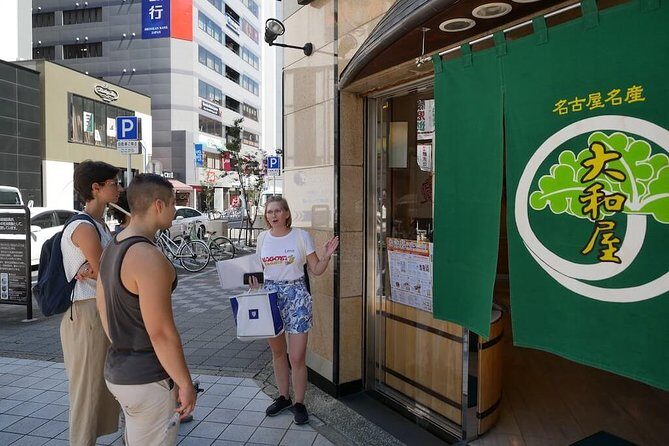
You meet at Starbucks Coffee – Nihombashi Suruga Building (in the Suruga building area), then head out on a walking route around Nihonbashi. The start time is listed around the late-morning window (you’ll want to follow your confirmation for the exact minute), and the tour uses a mobile ticket, which is convenient if you like to keep your plan on your phone.
Because this is a small group experience (up to 10 people), it tends to feel more like guided street-level eating than a large bus tour. That matters: you’ll get more time to ask questions and to figure out what you’re actually tasting.
Practical prep that will pay off:
- Wear shoes you can walk in for a few hours.
- Bring a small appetite buffer. You’re tasting more than you think you are.
- If you have dietary needs, flag them when booking—this tour lists pescetarian, vegan, and vegetarian friendly options, and lunch choice depends on how you book.
Wagashi: The Sweet Art Lesson That Doesn’t Feel Like Homework
One of the tour’s main stars is wagashi, the traditional Japanese sweets that often look like edible art. The experience includes a look at how wagashi is made, so you see the craft side before you start sampling.
Why this is such a good choice for a first-time food tour: wagashi isn’t just dessert. It’s part of how Japanese culture talks about seasons, textures, and balance. You’ll taste enough variety to notice the difference between chewy, softly sweet, and lighter tea-paired styles.
Along with wagashi, you’ll also meet green tea in a way that makes it more than just a beverage. Tea here functions like a tool. It cleans your palate, sharpens flavors, and helps you understand why sweets and savory bites get served with specific drinks.
The biggest win is that you leave with vocabulary. After a few tastings, words like dashi, tsukemono, and even the names for snack-style items stop sounding like a menu code.
The Regional-Flavor Tour: Snacks That Teach You the Building Blocks
The tour includes tastings across about nine shops and several foods tied to different regions and cooking traditions. You won’t just get one “wow” bite. You’ll get a sequence of small tastes that build into a clearer picture of Japanese cuisine.
Here are some of the specific items you can expect to sample:
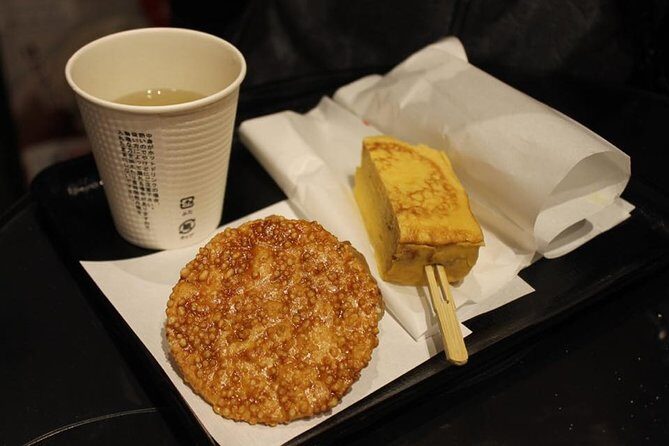
- Satsuma imo (fried sweet potatoes), which gives you that sweet-starchy crunch
- Tsukemono (pickled vegetables), often the perfect reset after richer bites
- Dashi (soup stock), the foundation flavor you’ll start recognizing everywhere
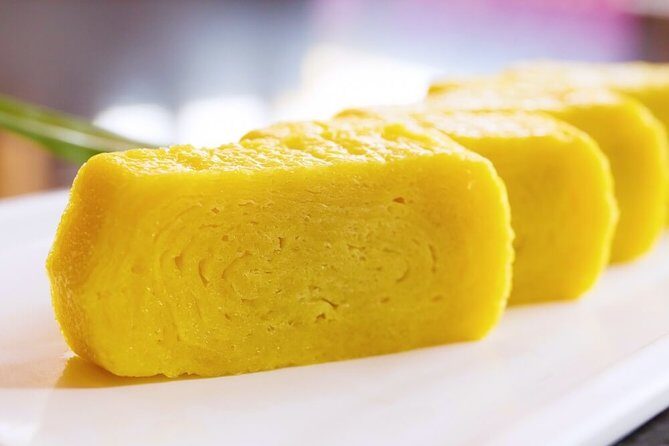
- Tamagoyaki (Japanese egg roll), which shows how savory eggs can be sweet-leaning in texture
- Fish cakes from Kagoshima, plus eel sushi and other seafood-style bites
- Regional snacks paired with green tea
- Artistic wagashi desserts
One of my favorite ways to think about this kind of tastings route is that it trains your palate for Japan’s “small but intentional” style. In many places, a plate isn’t huge, but each component matters. By the time you hit lunch, you’ll be less stuck in the beginner zone and more able to order with reason.
There’s also a cultural angle built in through the stops themselves. You’ll visit places like a long-running knife shop (noted as a 300-year-old shop) and a unique tea stop, plus a long-standing fruit shop landmark. Those details are more than trivia. They connect the idea that Japanese food culture comes from craft—tools, sourcing, and tradition.
COREDO Muromachi and the Old Meets New Feeling
After starting near Nihonbashi Suruga Building, you head into the COREDO Muromachi area. This is one of those Tokyo zones where you get old-city feel without giving up modern convenience. It’s a practical place to do a food walk because shops are clustered and the route makes sense for moving between tastings.
This stop also helps with orientation. If you’re spending your trip bouncing between neighborhoods, Nihonbashi can be confusing at first. The tour route gives you a clean map in your head by linking food stops with recognizable landmarks.
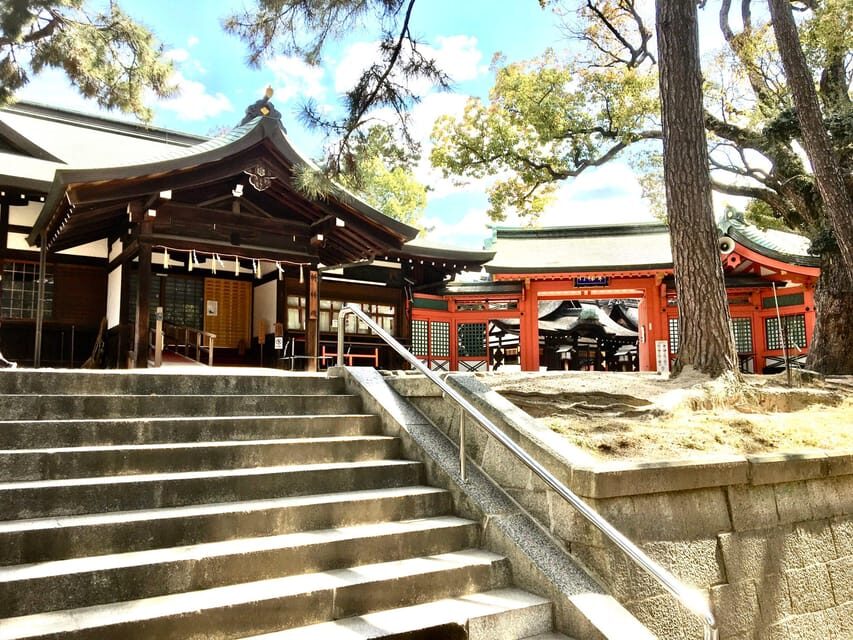
You’ll also pass key sights tied to the area, including Suitengu Shrine and Fukutoku Shrine. These aren’t there just for scenery. Shrines create a pause in your movement, and that helps you slow down enough to appreciate the food’s role in daily life—not only in restaurants.
A few more Tokyo tours and experiences worth a look

Shrines, Bridge Views, and Why This Part of Tokyo Matters
Nihonbashi isn’t just about shopping malls and convenience. It’s also tied to older Tokyo geography, and landmarks like Nihonbashi Bridge keep that connection visible.
The tour includes shrine stops and passes landmarks that help you understand why this area still feels like a center point. Even if you’re not religious, you get that sense of routine and continuity. Food here sits inside a living city, not just a themed district.
One nice side effect: when your mouth is full and you’re walking, you notice what’s around you. You start seeing the city as something you can navigate, not a blur between train transfers.
Lunch: Washoku Sets with Real Choices (and a Dashi Education)
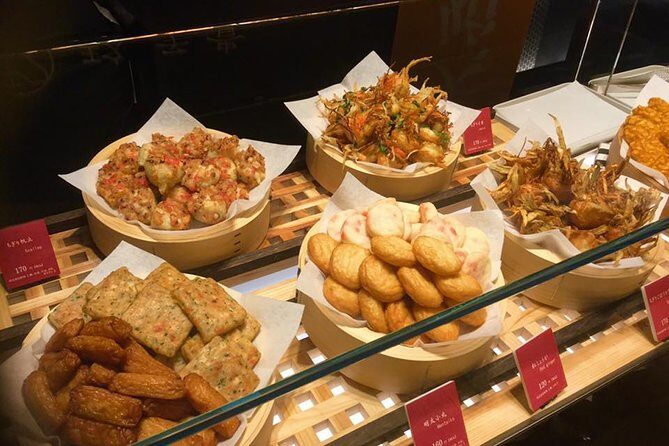
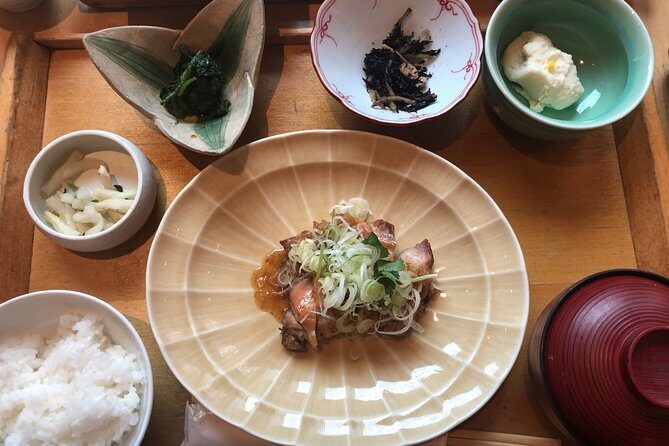
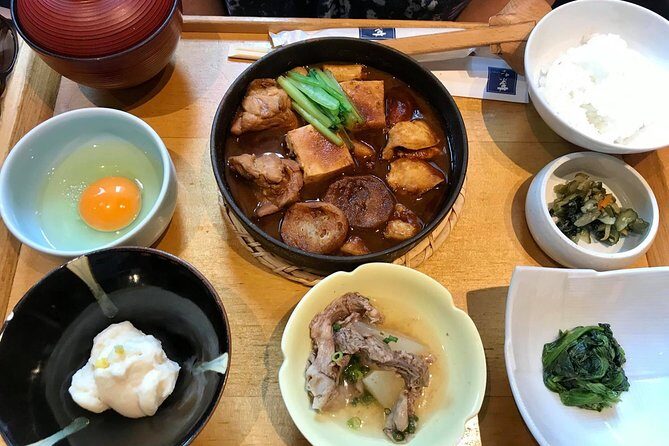
Lunch is a major reason this tour feels like good value. Instead of ending with a last tasting and calling it done, you sit down for a Washoku lunch with choices you make at booking.
Your lunch options include sets like:
- soba, tempura, and sashimi sets
- grilled fish
- chicken
- sukiyaki
You’ll also taste items linked to Japanese soup culture, including dashi (soup stock), plus egg roll (tamagoyaki) and other savory pieces as part of the lunch and tasting flow.
What makes the lunch piece especially useful is that it matches what you’ll likely want to order later. When you see the structure—how dishes and side elements work together—you can translate it to menus on your own.
If you’re picky about pacing, you should know this tour is structured so snack stops come first, then lunch, then you get to roam a bit after. That order is smart because you’re less likely to feel stuffed too early, and lunch feels like the payoff instead of a speed bump.
After Lunch: Depachika Freedom for Snack Hunting
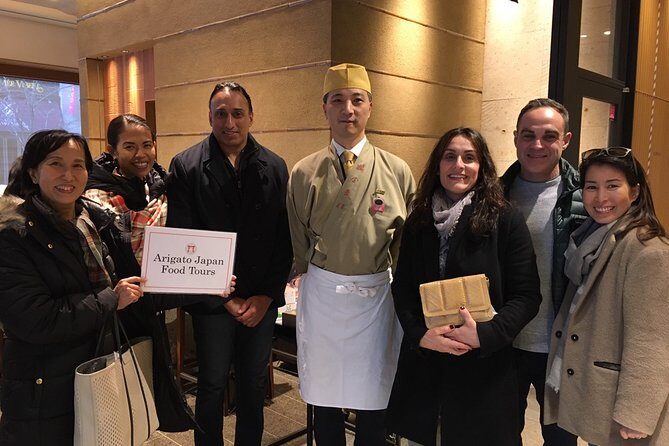
Once lunch is done, you head into the Depachika, an underground market area. This is where you get to steer your own second act.
Your guide points you in the right direction to find good after-lunch snacks, then you’re free to explore further on your own. That matters because depachika shopping can overwhelm you if you don’t know what to look for. With the guide’s direction, you can zero in on snack types that match what you tasted earlier in the tour.
This section is also where you’ll likely build a personal “snack list” for the rest of your trip. You’ll understand which sweets you like, which savory items pair well with tea, and which flavors you want to repeat without guessing.
Value Check: Is $209 Worth It for a 3-Hour Food Walk?
At $209 per person, this isn’t a bargain-basement street-food sprint. The value comes from three things working together: number of tastings, inclusion of lunch, and the guided context.
You get:
- regional tastings at multiple food stops (listed as 7 food stops in the overall tour description)
- one drink included
- a local Japanese lunch with multiple menu choices
- a local guide who helps connect what you taste to what it means in Japanese cuisine
There’s also the small-group factor. With a maximum of 10 people, you’re less likely to feel like you’re standing in line behind a crowd. The guide can adjust their explanations based on your questions, which is part of why people rate this so highly.
One more value detail: it’s often booked about 29 days in advance on average. That suggests it’s a popular time-slot choice, not an open-ended “walk in anytime” plan. If dates matter for your trip, book sooner rather than later.
Who This Tour Fits Best (and Who Might Want Something Else)
This is a strong pick if you want:
- confidence ordering Japanese food without guessing
- a structured introduction to ingredients like dashi and pickles
- a guided route that covers both food and classic Nihonbashi landmarks
- lunch that counts, with choices you make ahead
It’s also listed as family-friendly, with the note that children must be accompanied, and kids 10 and above need a passport information copy. If you’re traveling with family, this format can work well because it’s contained and guided.
You might want a different style of tour if you:
- dislike walking (this is a walking tour, and you’ll be moving between areas)
- prefer a strictly hands-on cooking class style (this is craft-focused through wagashi making and tasting, not a cooking lesson with tools in your hands)
- want lots of time inside a single market without moving stops
Quick Tips to Make It Smoother
If you book, these small choices can make the experience feel easier:
- Book your lunch choice early, since it’s tied to booking.
- If you drink alcohol, remember the minimum drinking age is 21; your included drink will still follow that rule.
- Plan for weather. The tour is noted as good for rainy days, but changes can happen if schedules or conditions shift.
- Keep your phone ready. The tour uses a mobile ticket, and you’ll likely use your map app when you strike out on your own after lunch.
Should You Book This Food Tour in Tokyo?
I’d book this if your goal is to understand Japanese food fast and feel comfortable ordering later. The combination of wagashi, ingredient education (dashi, pickles), and a proper lunch with menu choices is a smart mix, and the Nihonbashi walk adds context without turning it into a long sightseeing slog.
Pass on it only if you want a purely indulgent snack binge with no structure, or if walking time is a deal-breaker. Otherwise, for $209, you’re paying for guided tasting sequence plus lunch, with enough small-group attention to make the food lesson actually stick.
If you’re aiming to leave Tokyo with better flavor instincts, this tour is doing exactly that.
FAQ
How long is the Flavors of Japan Food Tour in Tokyo?
The tour is approximately 3 hours.
What’s included in the price, and is lunch part of it?
The tour includes one drink, regional food tastings, a local guide, and a local Japanese lunch. Lunch choices are available when you book.
Where do I meet the guide and where does the tour end?
You meet at Starbucks Coffee – Nihombashi Suruga Building. The tour ends in the Nihonbashi area.
Can vegetarians or vegans join this tour?
Yes. The tour is listed as pescetarian, vegan, and vegetarian friendly.
Does the tour include alcohol, and is there a minimum drinking age?
The tour includes one drink, and the minimum drinking age is 21.
What if the weather is bad or I need to cancel?
You can cancel for a full refund if you cancel at least 24 hours before the experience starts. If the tour is canceled due to poor weather, you’ll be offered a different date or a full refund.