REVIEW · TOKYO
Making Japanese desserts Nerikiri & drinking matcha in Tokyo
Book on Viator →Operated by Shuminavi Inc. · Bookable on Viator
Seasonal sweets, made with your own hands. This small Tokyo workshop teaches you how nerikiri confections are formed by hand and then pairs it with a cup of matcha you can actually taste right after. You’re not just copying a shape, you’re learning why the fillings and textures change with the season.
I also like the small-group size. With a maximum of 8 people, the tutor can slow down for questions while you’re working the dough. One thing to consider: the class location can shift between Shimokitazawa and Toritsudaigaku Station, depending on the kitchen rental space, so it’s worth watching your email closely.
In This Review
- Key Highlights Worth Booking
- Seasonal Nerikiri Meets Real Matcha in Setagaya
- Price and Value: What You’re Really Paying For
- Where You’ll Meet: Shimokitazawa Address and a Plan B
- What Happens During the 1.5 Hours (No Guesswork)
- 1) Start by making seasonal kneaded dough
- 2) Learn the nerikiri process by doing it
- 3) Sample sweets while learning the background
- 4) Finish with matcha and eating your nerikiri
- Your Seasonal Sweets: Dough, Shape, and the Seasonal Twist
- Optional Shapes: Owl and Needle Mouse Requests
- Matcha Time: What to Expect After You Finish the Dough
- The Tutor Factor: Why Small-Group Work Feels Different
- Setagaya After Class: Easy “Next Step” Energy
- Who This Class Is For (And Who Might Skip It)
- Should You Book This Nerikiri and Matcha Class?
- FAQ
- How long is the class?
- How much does the class cost?
- Is this a small group class?
- Where does the class meet?
- Will it always be in Shimokitazawa?
- What will I make during the class?
- Can I request specific shapes like an owl or a needle mouse?
- Will I get matcha to drink?
- Can I take the sweets home?
- What’s the cancellation policy?
- When will I receive confirmation after booking?
Key Highlights Worth Booking
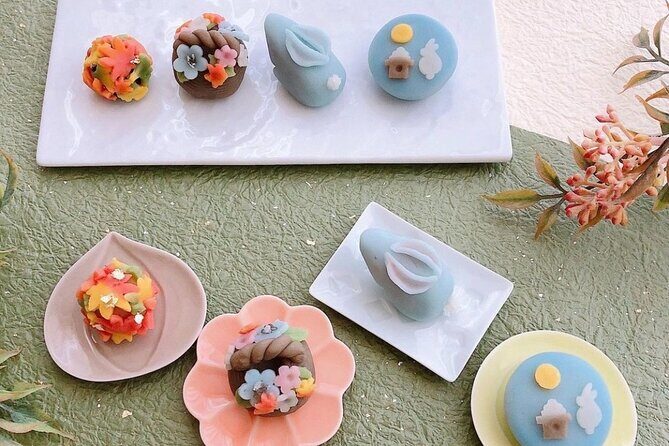
- Max 8 people, more hands-on time: Expect closer attention while you knead and shape.
- Three types of seasonal kneaded dough: You get variety in one short session.
- Tools and ingredients are provided: You show up, follow along, and make sweets.
- Matcha is served after the class: You drink it with the sweets you made.
- Take-home packets are included: You can bring your nerikiri home.
- Location may be Shimokitazawa or Toritsudaigaku: The exact kitchen depends on availability.
Seasonal Nerikiri Meets Real Matcha in Setagaya
Nerikiri is one of those Japanese sweets that looks like art, but it’s built from very practical steps: knead the dough, shape it carefully, and finish it with seasonal care. In this class in Tokyo’s Setagaya area, the season is not a background detail. It’s the point.
You make seasonal kneaded rice balls (and you’ll learn how that changes), and you also get a chance to sample a range of treats while the instructor explains the history of nerikiri confectionery. The goal isn’t academic trivia. It’s understanding why Japanese sweets feel different from one time of year to the next.
Then there’s the matcha. After you finish your sweets, the instructor prepares popular matcha powder and serves it as a cup of authentic green tea. It’s a nice rhythm: warm, focused hands first, then a calm break with tea—exactly the kind of pacing that makes a short class feel complete instead of rushed.
You can also read our reviews of more drinking tours in Tokyo


Price and Value: What You’re Really Paying For
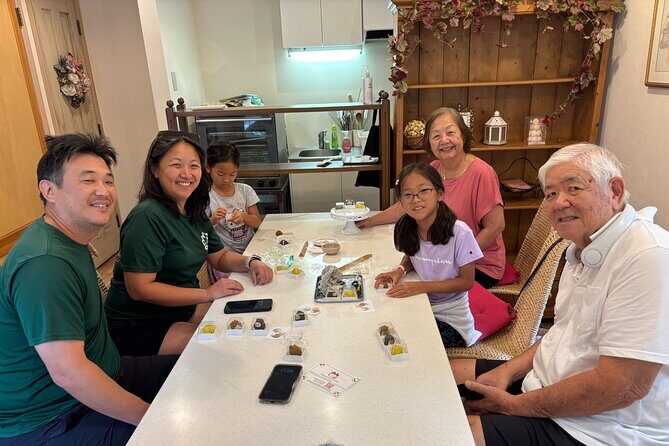
This class costs $65.69 per person and runs about 1 hour 30 minutes. That might look simple on paper, but value here comes from three things you don’t always get in food workshops.
First, you receive all the ingredients and tools you need. That removes the hidden cost and stress of hunting specialty items in Tokyo just to try one technique once.
Second, the class uses a small-group format (maximum 8 travelers). More people can mean less one-on-one help, and nerikiri is the type of craft where small timing and texture adjustments matter. The hands-on nature is the real “product” you’re buying.
Third, you leave with sweets. You can eat your nerikiri on the spot, and you’ll also get packets if you want to take them home. So you’re not paying only for a demonstration—you’re making something tangible with an edible payoff.
Where You’ll Meet: Shimokitazawa Address and a Plan B
You meet at 3-chōme-20-4 Kitazawa, Setagaya City, Tokyo 155-0031. The listing also notes the class is near public transportation, which is good news because this neighborhood is easier to reach than many of Tokyo’s more remote training studios.
But here’s the key practical note: the class is basically held at a kitchen in Shimokitazawa. If the kitchen isn’t available due to the rental schedule, the instructor contacts you by email and the class may be held at Toritsudaigaku Station instead.
What to do with this: once you book, don’t just memorize the first address. Wait for the email with the final location details, and check it again the day before. In Tokyo, a short train transfer can make a big difference in arrival time, especially for a class that runs 1 hour 30 minutes.
What Happens During the 1.5 Hours (No Guesswork)
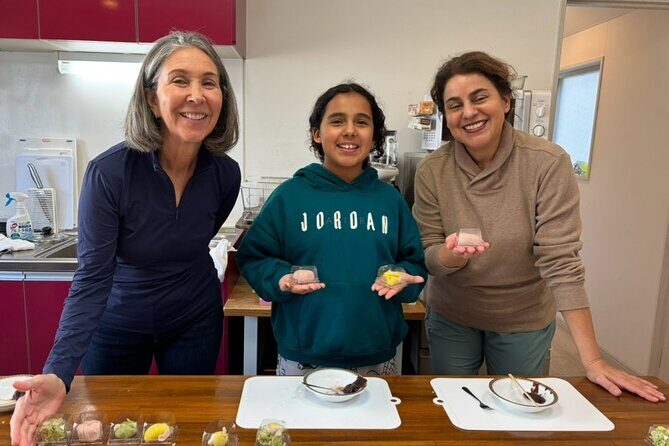
This is a structured, hands-on session. You won’t be left wandering around a kitchen looking for what to do next. The instructor walks you through the process, then you replicate it with your own hands.
1) Start by making seasonal kneaded dough
You’ll make three types of seasonal kneaded dough. The instructor explains the process first, then you work it. That matters because nerikiri dough isn’t just “mix and go.” Texture and handling are the difference between smooth shaping and sticky frustration.






2) Learn the nerikiri process by doing it
The tutor shows you the steps for nerikiri confectionery and you get to experience the process firsthand. The class is designed so you’re not waiting in line for your turn. You’re actively kneading, shaping, and adjusting.
3) Sample sweets while learning the background
As you work, you also learn facts about Japanese cuisine that most guidebooks skip. This includes the history of nerikiri and the idea that seasonal ingredients and forms are part of a bigger cultural rhythm.
4) Finish with matcha and eating your nerikiri
After the class, the instructor prepares matcha powder and serves it. You can eat what you made right then or take it home using the provided packets.
Your Seasonal Sweets: Dough, Shape, and the Seasonal Twist
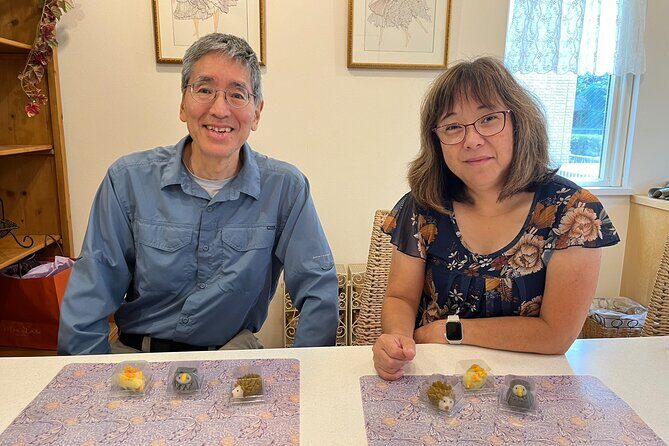
The biggest hook of this class is that you make seasonal kneaded rice balls, rather than one static dessert. That means if you go at different times of year, the theme can change. And that theme isn’t just visual—seasonality is also tied to how the sweets are presented and how they’re approached.
If you’re a beginner, this is a good setup. You’re not trying to master a complex multi-day technique. You’re learning one system—then practicing it three times with different seasonal doughs.
And because you’re working with your hands, you’ll quickly feel what the instructor means when they talk about texture. Nerikiri teaches you through sensation: how the dough stretches, how it holds its shape, and what happens when you overwork it or underwork it.
Optional Shapes: Owl and Needle Mouse Requests
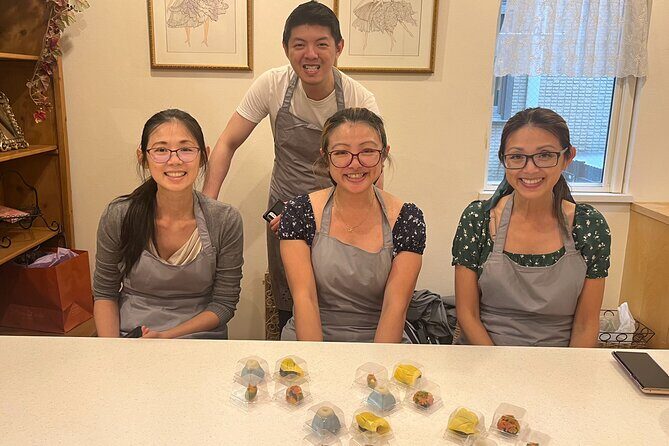
You can request specific forms if you want to go beyond the standard seasonal kneaded rice balls. The class notes that if you’d like to make an owl and a needle mouse, you should let them know by email when you send your reservation details.
A couple of real-world considerations are worth noting:
- Your request may not be possible depending on your time of application.
- If you don’t send a request, you’ll make the seasonal kneaded rice balls.
So if you have a strong preference for the owl and needle mouse, act early and message clearly. This is one of those “small detail, big payoff” choices—because fun shapes can turn a practical lesson into something you’ll remember longer.
Matcha Time: What to Expect After You Finish the Dough
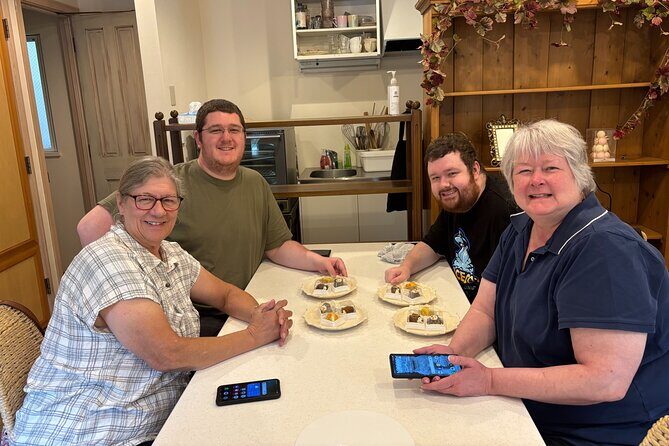
When you’re done, the instructor prepares popular matcha powder for you to drink. You’ll get to enjoy it alongside the nerikiri you made.
This timing is smart. Matcha works as a palate reset. It also balances sweetness with bitterness and earthiness, which helps you taste the texture and flavor of your own sweets more clearly.
You’ll have two eating options:
- Eat on the spot while it’s fresh
- Take your nerikiri home in the provided packets
If you’re planning to eat later, pack-up is already built into the class flow, so you’re not scrambling for plastic wrap or a container. That one convenience is easy to overlook until you’re standing in Tokyo with warm sweets you don’t want to ruin.
The Tutor Factor: Why Small-Group Work Feels Different
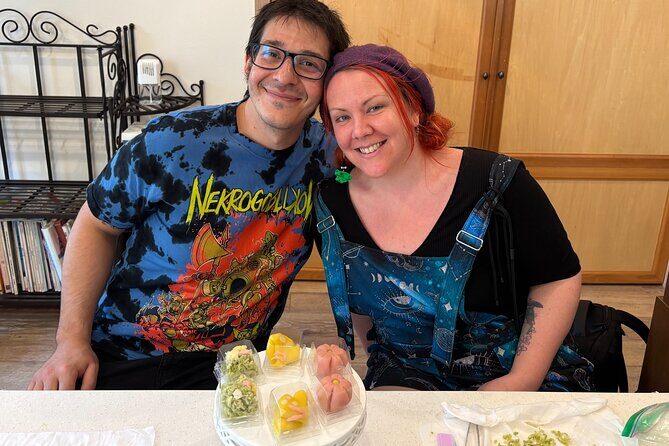
This is where the class earns its near-perfect rating. The setup is small-group by design, with lots of personal attention. That matters in a craft class because questions aren’t just about ingredients. They’re about timing, pressure, and how to fix a dough issue before it becomes a problem.
Even if you’re nervous, you’re not alone at the counter. The instructor can correct technique as you go, and you can watch how the process looks when done right. Then you try again immediately.
I like that the class builds skill through repetition without dragging you through a long syllabus. You learn how the process works, you practice it during the session, and you finish with a real reward: matcha and sweets made by your hands.
Setagaya After Class: Easy “Next Step” Energy
One bonus in the class planning is that it’s easy to explore the nearby Setagaya-ku district after. You don’t have to treat the cooking experience like a full-day commitment. The class ends back at the meeting point area, which makes it simpler to keep going without a complicated travel puzzle.
If you want a low-effort plan after, keep it simple:
- Walk the side streets around Shimokitazawa or head toward nearby transit
- Grab something light to eat after your tea
- Use the rest of the afternoon for casual browsing instead of a packed itinerary
This is especially nice if you’re in Tokyo for the food culture side, not just the landmarks. Nerikiri gives you the craft. Setagaya gives you the easy atmosphere to keep learning the city’s everyday rhythm.
Who This Class Is For (And Who Might Skip It)
This workshop is a great fit if you want:
- A beginner-friendly Japanese cultural experience
- Hands-on learning that doesn’t require prior baking or cooking knowledge
- A short activity you can pair with other Tokyo plans
- A food craft you’ll actually take home (or at least eat right away)
It’s also a strong option for friends or family, because the class is short and the skills are tangible. Even if only one person is a bit more confident at shaping, everyone still gets to participate.
You might consider skipping if:
- You only want a broad sightseeing tour and don’t care about making sweets
- You’re highly time-sensitive about the exact neighborhood location (Shimokitazawa vs Toritsudaigaku Station can change)
Should You Book This Nerikiri and Matcha Class?
I’d book it if your idea of a good Tokyo day includes learning a craft you can eat. The combination of three seasonal doughs, tutor guidance, authentic matcha, and take-home packets is a solid mix for the price.
I’d think twice only if you need absolute certainty on the exact kitchen location and you can’t handle a possible shift to Toritsudaigaku Station. Otherwise, this class is exactly the kind of cultural, practical workshop that turns Japanese food from a photo into something you understand with your hands.
FAQ
How long is the class?
The experience lasts about 1 hour 30 minutes.
How much does the class cost?
It costs $65.69 per person.
Is this a small group class?
Yes. The class has a maximum of 8 travelers.
Where does the class meet?
The meeting point is 3-chōme-20-4 Kitazawa, Setagaya City, Tokyo 155-0031, Japan.
Will it always be in Shimokitazawa?
Basically, yes. The class is held at a kitchen in Shimokitazawa, but if that space is not available it may be held at Toritsudaigaku Station. The instructor contacts you by email.
What will I make during the class?
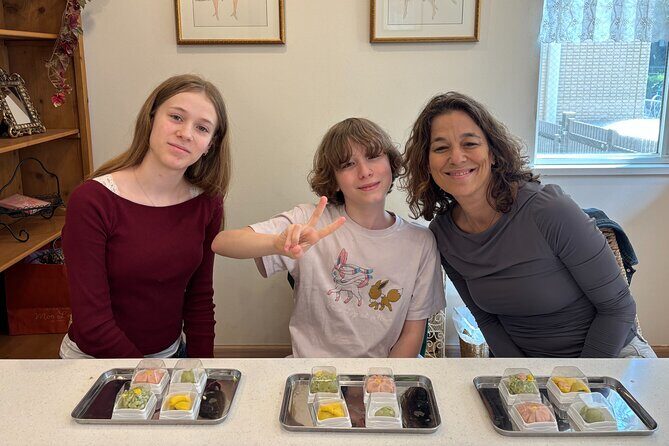
You’ll make three types of seasonal kneaded dough and you’ll shape seasonal nerikiri sweets.
Can I request specific shapes like an owl or a needle mouse?
Yes, you can request an owl and a needle mouse by telling the provider by email. The class notes requests may depend on when you apply.
Will I get matcha to drink?
Yes. After the class, the instructor prepares matcha for you.
Can I take the sweets home?
Yes. Packets for taking home are provided, and you can also eat the nerikiri on the spot.
What’s the cancellation policy?
You can cancel for free up to 24 hours in advance of the experience for a full refund. Cut-off times are based on local time.
When will I receive confirmation after booking?
Confirmation is received within 48 hours of booking, subject to availability.