REVIEW · YOKOSUKA
Yokosuka: Boat Trip to an Uninhabited Island
Book on GetYourGuide →Operated by Kyoko Kato · Bookable on GetYourGuide
A military island, right in Tokyo Bay. That’s the cool twist here—Sarushima Island turns history into a walkable place you can actually see. I love the hands-on feeling of the island ruins, from the brick tunnel area to the sandy beach shell collecting. One thing to think about first: this day involves ferry time, and services can change with weather, so it’s not a great match if you get seasick.
The best part is the guide. In the strongest examples, Lucy (licensed as part of Kyoko Kato’s team) brings English-friendly explanations with real answers and an easy, friendly pace. I also really like pairing the island’s naval-era remains with a visit to the Mikasa Memorial Warship, so the morning and afternoon snap into one clear story.
In This Review
- Key points worth your time
- Sarushima Island: military ruins you can actually walk through
- Morning logistics from Yokosuka-chūō: how the day flows
- Sarushima island time: what you’ll do on the ground
- Port Market lunch by the sea: eat what you want, when you’re ready
- Memorial Ship Mikasa: connecting the dots to the Russo-Japanese War
- Price and value: what $70 covers and what adds up
- Weather, ferries, and seasickness: the one big consideration
- Small group energy: why max 6 matters in real life
- Who should book this Yokosuka day trip?
- Should you book this Yokosuka boat trip to Sarushima and Mikasa?
- FAQ
- How long is the tour?
- Where do I meet the tour?
- What’s included in the price?
- What tickets and meals are not included?
- Is the ferry ride affected by weather?
- What should I bring and wear?
Key points worth your time
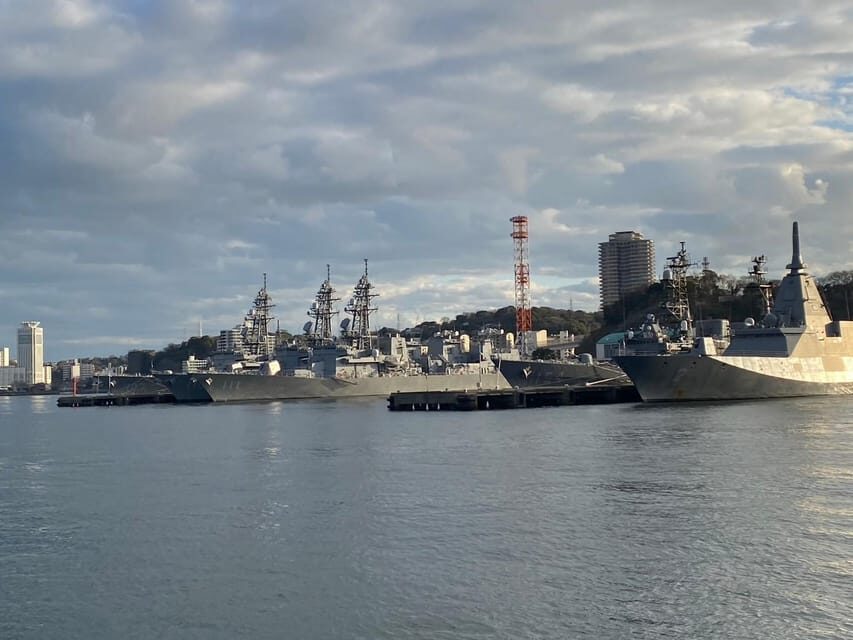
- Sarushima’s military remains are walkable: brick tunnel, barracks, and power magazines put the Russo-Japanese era into physical context.
- Ferry ride + real island time: you get photo stops, guided island touring, and a proper walk, not just a quick look.
- Shell-hunting on a sandy beach: it’s simple, outdoorsy, and a fun change from city sightseeing.
- Port Market lunch by the sea: you choose from a variety of menus right at the waterfront.
- Mikasa Memorial Warship on two decks + exhibits: upper/middle decks and exhibition rooms help you connect what you saw earlier.
- Small group (max 6): more room for questions and a slower, friendlier tempo.
Sarushima Island: military ruins you can actually walk through
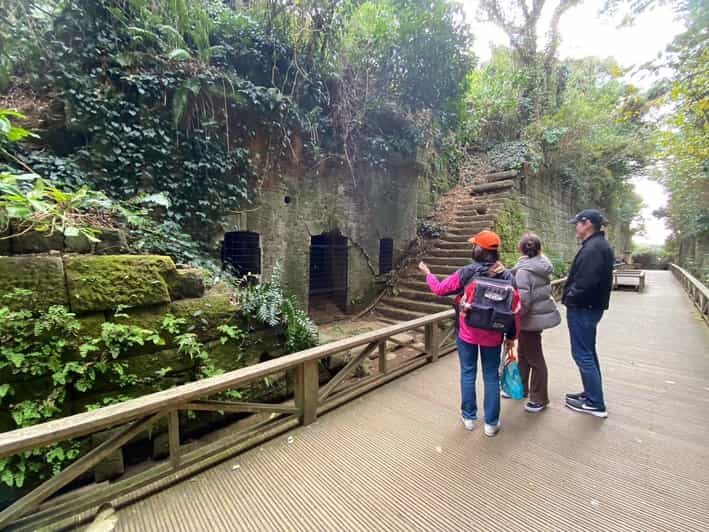
Sarushima Island is the kind of place that makes you look at Tokyo Bay differently. You’re not just passing the shoreline—you’re stepping onto an island that once hosted Japanese military facilities, with remains scattered around forests and coastal areas.
On the island, the tour focus is on the built leftovers: you’ll see parts of old infrastructure like a brick tunnel, barracks, and power magazines. Even without a high-tech museum feel, these are strong visual anchors. They help you understand what naval operations required—space, movement, storage, and power—long before you even reach the ship museum later.
Then there’s the beach. After the ruins and walking sections, you’ll have time on the sand with a very low-pressure activity: collecting shells. It’s not about turning it into a scavenger hunt; it’s more like a breather between war-era structures and open-bay views. If you like small moments that feel different from typical city attractions, this is one of them.
Finally, the walking route matters. You’re guided through forest sections with viewpoints over Tokyo Bay, so the island doesn’t feel flat or repetitive. You get “look down at the harbor” moments that make the geography click.
You can also read our reviews of more boat tours in Yokosuka
Morning logistics from Yokosuka-chūō: how the day flows
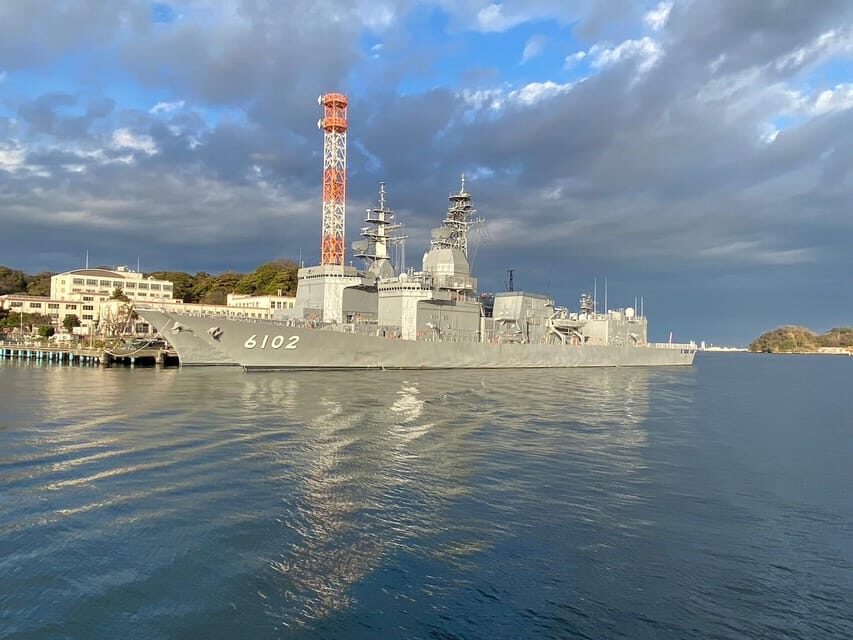
The meeting point is straightforward: Yokosuka-chūō Station, outside the east Exit, on the Keihin Kyuko Line, with meet-up at 9:40 am. From there, the day has a calm rhythm rather than a constant sprint.
After you start, you walk to a visitor center for about 30 minutes. This stop is useful because it helps set the framework before you head out by ferry. You don’t want to be guessing why the ruins are where they are, and the visitor center time makes the next step easier to follow.
Then it’s on the ferry (about 10 minutes) to Sarushima Island. The ferry leg is short, which helps. Still, it’s the part of the tour you should respect if you’re sensitive to motion. The island portion lasts about two hours, with photo stops, sightseeing, and a guided tour plus walking time.
When you return, lunch comes relatively soon. That’s a practical choice: you get enough outdoor walking in the morning that you’ll be happy to stop for food before the afternoon museum portion.
Sarushima island time: what you’ll do on the ground
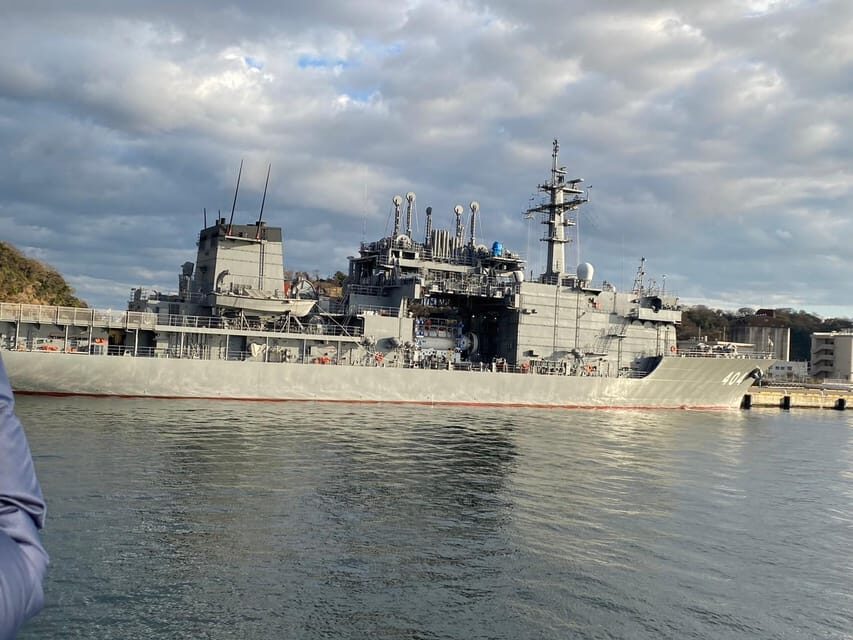
Think of Sarushima as three layers: ruins, forest views, and the shoreline break.
First come the ruins. You’ll be shown remains of the old facilities—again, including the brick tunnel, barracks, and power magazines areas. The guided element is what makes these more than random structures. You’re not just looking at walls; you’re getting the “why this existed” explanation so your brain can connect buildings to function.
Next, you walk through forest sections that overlook Tokyo Bay. This matters because geography is a big part of naval history. You’ll see how close the harbor world is and how quickly forces could move along the water.
Then you reach the beach portion. It’s sandy, and you’ll have time to walk and collect shells. It’s a small detail, but it changes the mood of the day. You’re going from military infrastructure to something quiet and coastal, which makes the afternoon warship visit feel less heavy.
One practical tip: wear comfortable shoes. The itinerary includes multiple walking segments—about a 20-minute walk to get going, a few short transfers, and two hours on the island. Sturdy shoes won’t just help your feet; they help you enjoy the views instead of focusing on discomfort.
Port Market lunch by the sea: eat what you want, when you’re ready
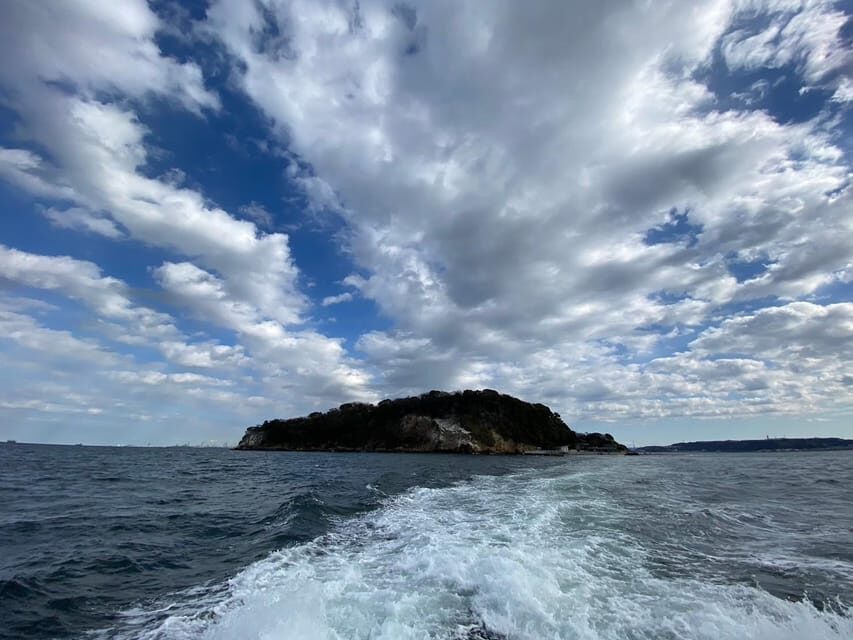
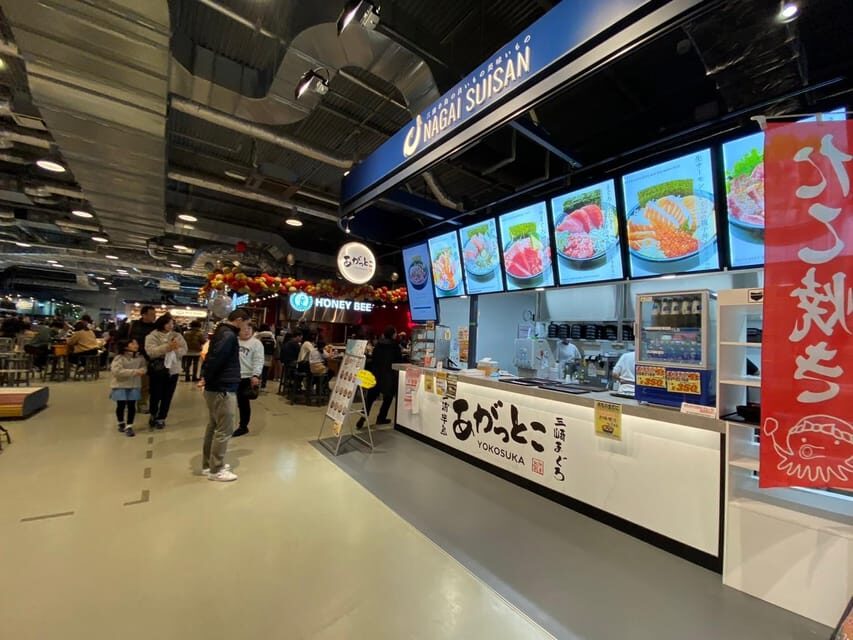
After Sarushima, you head to Yokosuka Port Market for a one-hour break and lunch by the water. This is where you get to shift gears. Morning is history on foot. Lunch is the reward.
The key idea here is choice. You’ll pick from a variety of menus at the market, so you can go simple or go more “proper meal,” depending on your appetite. I like lunch stops like this because they stop the day from feeling like a nonstop museum circuit.
Because lunch isn’t included, plan your budget accordingly. The tour price covers the guide and the structure of the day, but the meal and drinks are on you. If you tend to grab snacks, you can keep it light. If you prefer a sit-down feel, you can lean in and spend a bit more.
Also, use lunch time strategically. If you want photos with a water background before the next stop, Port Market’s waterfront setting is one of the few moments in the itinerary where you’ll have a relaxed pause.
Memorial Ship Mikasa: connecting the dots to the Russo-Japanese War
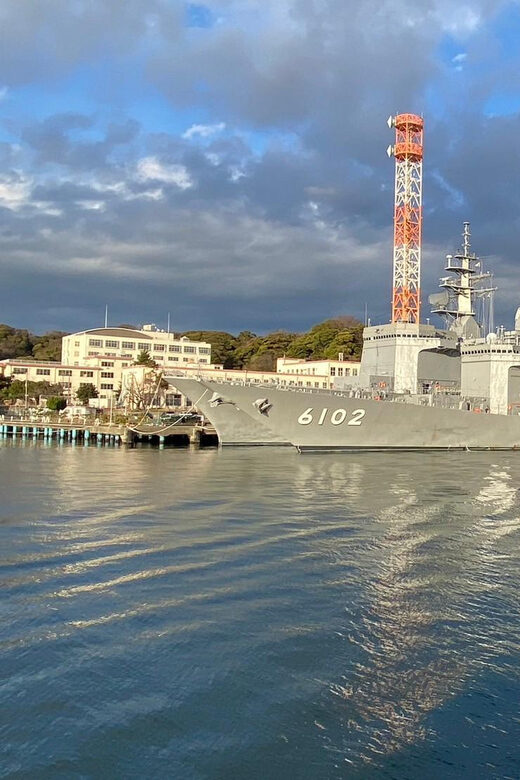
If Sarushima is “see the leftovers on land,” Mikasa is “see the story in steel and exhibits.” The day’s pacing makes sense: after walking ruins tied to military infrastructure, you move to the Memorial Ship Mikasa to understand the larger conflict context.
At Mikasa, you’ll learn about the Russo-Japanese War, then explore the ship’s upper and middle decks. Walking through decks is different from watching diagrams. You get a physical sense of scale—what sailors could access, how the ship is laid out, and where you’d naturally look if you were trying to picture a real operation.
After deck time, you’ll go into the exhibition rooms. This is the part that helps fill in gaps. Decks give you the feel; exhibits help you anchor dates, decisions, and outcomes.
You’ll also have time for a photo stop and a guided component during the 40-minute Mikasa window. That’s not a full-day museum marathon, so it’s best if you treat this as a high-impact overview that builds understanding rather than a complete deep scan of every object.
Price and value: what $70 covers and what adds up
The tour price is $70 per person, and the value is mostly in two things: a licensed local guide and a small-group format that keeps the day coherent. You’re not just buying ferry time and ticket entry—you’re buying context.
Still, it’s smart to budget for the parts that aren’t included:
- Naval Port Cruise tickets: adult ¥1,000, child ¥500
- Memorial Ship Mikasa tickets: adult ¥600, senior ¥500, child free
- Lunch & drinks: not included
- Your own transportation to Yokosuka: also not included
Here’s how I think about it: the base price pays for the day’s guidance and structure, while you pay separately for the two ticketed museum/nautical elements and for food. If you already planned to visit Mikasa and do a naval-themed experience anyway, this tour format is a good way to combine both in one outing without stitching together your own schedule.
One more value angle: small group size (limited to 6 participants) often makes the difference between rushing and actually understanding what you’re seeing. If you like asking questions and getting direct answers, that’s where you feel the “price per experience” value.
Weather, ferries, and seasickness: the one big consideration
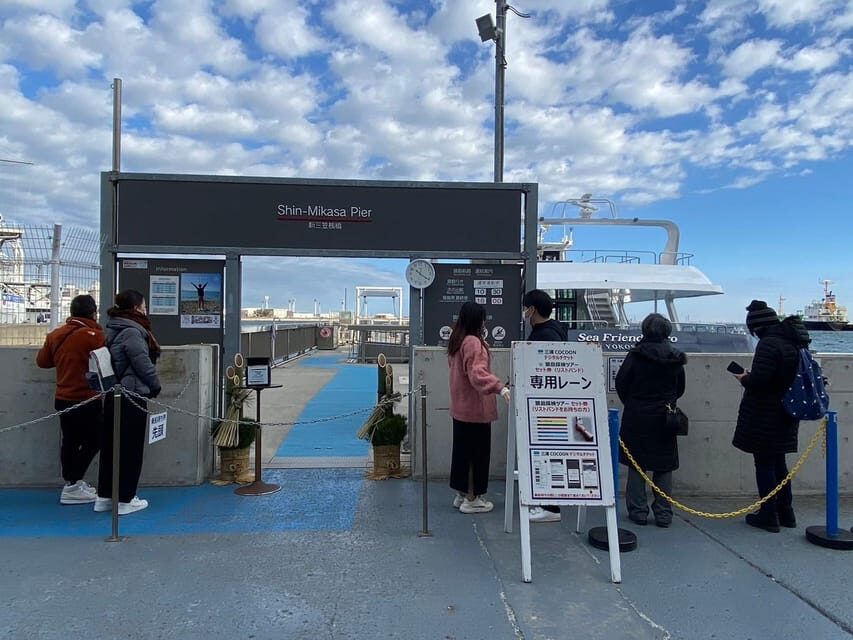
Let’s be blunt: this isn’t a tour to treat casually if you’re worried about motion. It’s specifically not suitable for people prone to seasickness, and the ferry/cruise services can be affected by weather. Your guide will contact you the day before with updates.
That weather factor affects more than comfort. It can change the day’s flow, including the timing and operation of boat services. When a tour is weather-dependent, the best move is simple: plan flexibility around it, and don’t stack it with something that requires you to be somewhere at a fixed hour with zero buffer.
If you’re the type who gets motion sickness on boats, pass on this one—even if you want the history badly. There are plenty of naval-history experiences in Tokyo that avoid the ferry element.
Small group energy: why max 6 matters in real life
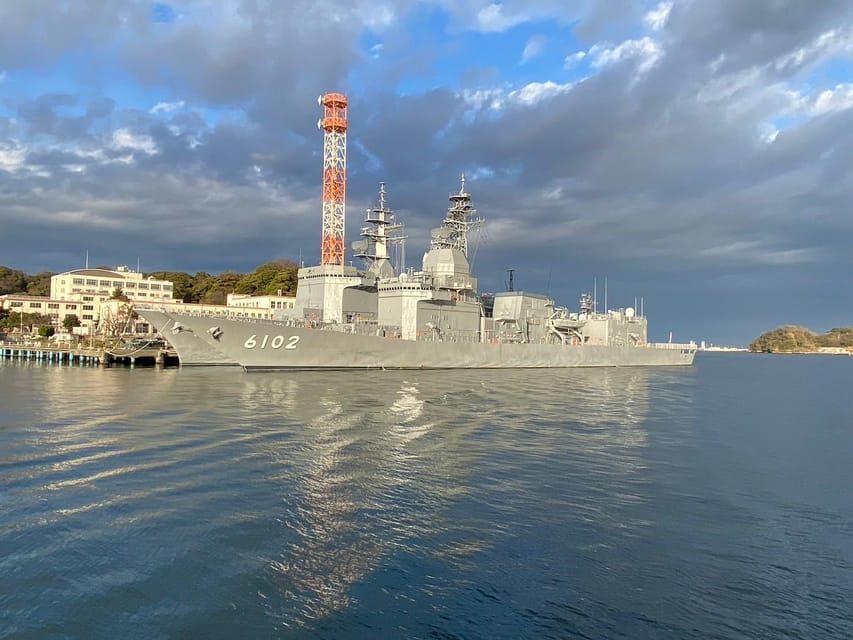
A group of up to 6 changes the vibe. On a day that mixes walking, outdoor ruins, and a ship museum, you want time to ask questions and to hear the explanation clearly. In the best guided experiences, you’ll notice how the guide stays attentive and adjusts pacing as needed.
In the provided bookings, Lucy (and also named Kyoko/Kyoko Kato in the broader context) is repeatedly described as friendly, easy to talk with, and strong with English. One booking also highlights that the guide uses books and information aids to make the time more enjoyable, not just louder.
Even if you’re not a “history superfan,” that approach helps. You don’t have to memorize dates. You just need the story threads so you can see what you’re looking at.
Who should book this Yokosuka day trip?
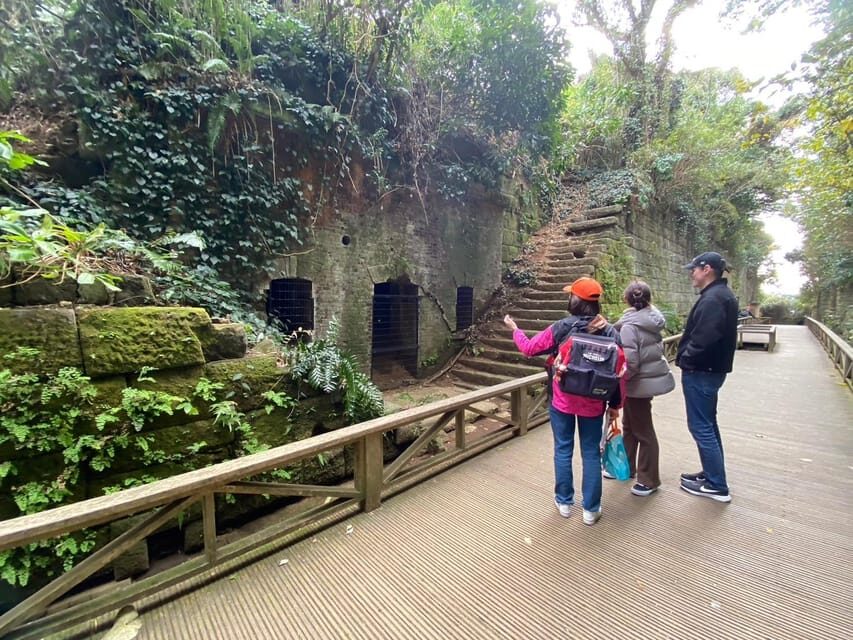
This tour is a great fit if you want a break from Tokyo that still stays grounded in major themes: the naval era, the geography of Tokyo Bay, and how war-era infrastructure becomes visible in everyday walks.
It’s especially good if you like:
- Outdoor walking with viewpoints and coastline time
- Hands-on history (ruins you can see and navigate)
- A guided plan that saves you from figuring everything out yourself
It’s not a fit if:
- You’re prone to seasickness
- You need a slow, low-walking day (the itinerary includes multiple walking segments and two hours on the island)
- You’re outside the tour’s suitability limits (children under 5, babies under 1, and people over 80 are listed as not suitable)
Should you book this Yokosuka boat trip to Sarushima and Mikasa?
If you want one day in Yokosuka that feels different from typical city sightseeing, I’d book it. The combination is the point: Sarushima Island gives you the military remains on land plus shell beach time, and Mikasa gives you the war context with deck access and exhibition rooms. Together, the day feels more “understood” than either stop would on its own.
I’d skip it only if ferry motion worries you or if you can’t handle weather-related changes. Otherwise, it’s a solid use of your limited time—about 5.5 hours, from 9:40 am meet-up back at Yokosuka-chūō Station—built around a small group and a guide who clearly cares about helping you make sense of what you’re seeing.
If you prefer flexibility, the booking approach supports reserve now and pay later, and cancellation is free up to 24 hours in advance. Just remember: the ferry portion is still weather-dependent, so keep your expectations flexible for boat operations.
FAQ
How long is the tour?
The total duration is 330 minutes (about 5.5 hours).
Where do I meet the tour?
Meet at 9:40 am at Yokosuka-chūō Station, outside the east Exit, on the Keihin Kyuko Line.
What’s included in the price?
You get a licensed local guide. The tour structure includes the guided parts of the day, but lunch, drinks, and certain tickets are not included.
What tickets and meals are not included?
You’ll need to pay for Naval Port Cruise tickets (adult ¥1,000, child ¥500) and Memorial Ship Mikasa tickets (adult ¥600, senior ¥500, child free). Lunch and drinks are also not included.
Is the ferry ride affected by weather?
Yes. Ferry and cruise services are subject to weather conditions, and your guide will contact you the day before.
What should I bring and wear?
Bring comfortable shoes. The tour includes walking on Sarushima and around the ship.