REVIEW · KAWASAKI
Sencha-do the Japanese Tea Ceremony Workshop
Book on Viator →Operated by 煎茶道体験 · Bookable on Viator
Tea tastes better when you make it.
This hands-on Sencha-do workshop in Kawasaki lets you observe a real Japanese tea ceremony first, then use the utensils yourself. I especially like the way it focuses on sencha (leaf tea) instead of matcha, and the fact that the instructor teaches patiently within the Higashi Abe school style.
Two things I’d highlight: you get Japanese sweets during the flow, and you’re allowed to take photos throughout so you can actually remember what you learned. One possible drawback to plan around: the place can be tricky to find from online directions alone, so give yourself a little extra time to get there.
In This Review
- Key things to know before you go
- Sencha-do is about leaf tea, not matcha
- Kawasaki meeting point: easy by transit, less easy by directions
- The 1.5-hour flow: watch, taste sweets, then brew yourself
- How the Higashi Abe school style shows up in your lesson
- What you actually learn about tea flavor and technique
- Price and value: $65.69 for hands-on instruction in a tiny group
- Practical tips so you don’t lose time (or focus)
- Should you book Sencha-do in Kawasaki?
- FAQ
- How long is the Sencha-do tea ceremony workshop?
- What kind of tea is used in Sencha-do?
- Is this a hands-on experience or just observation?
- What is included in the price?
- What is not included?
- Where is the meeting point in Kawasaki?
- How big is the group?
- Is it easy to get to without a car?
- Can I bring a service animal?
- What happens if the weather is bad?
Key things to know before you go
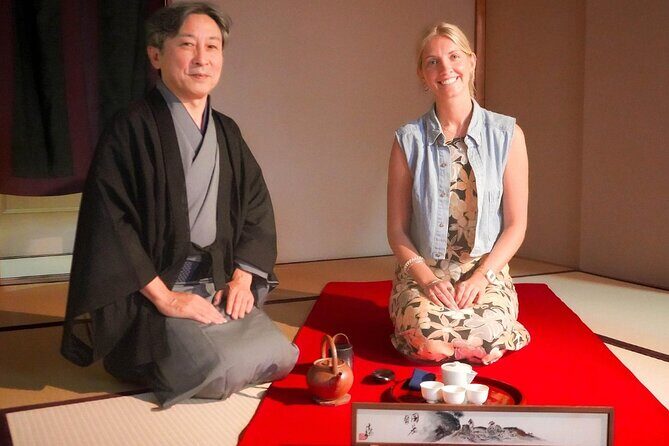
- Sencha-do uses leaf tea infusion, not powdered matcha, so expect a different flavor experience
- You handle the utensils yourself after observing the ceremony
- Small group size (up to 4) makes it feel personal and question-friendly
- Japanese sweets are included, served as part of the ceremony rhythm
- You can take pictures freely, which is rare in more rigid tea classes
- Not included: private transportation, so plan your route to the meeting point
Sencha-do is about leaf tea, not matcha
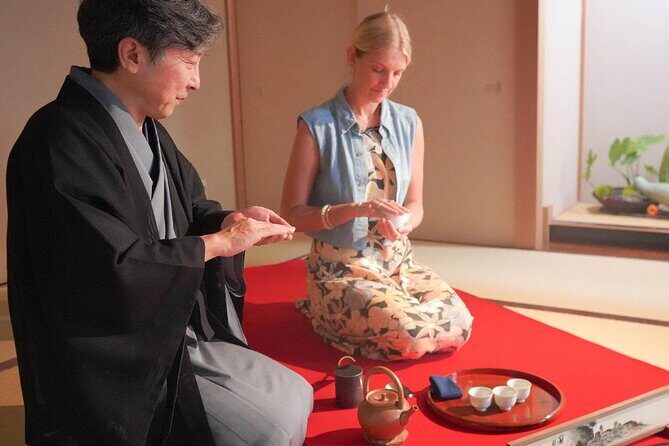
If you mostly know Japanese tea from matcha shops, this is a great reset. Sencha-do is a tea ceremony built around infusing green tea leaves in careful steps, rather than whisking powdered tea. That difference matters, because the taste and aroma come from the leaves and the brewing process, not from a thick matcha texture.
In the workshop, you start by observing. That’s not just polite theater—it helps you understand the pace and the small etiquette cues that go with brewing tea from scratch. Then you transition to doing it yourself, so the lesson sticks.
You can also read our reviews of more tours and experiences in Kawasaki.
Kawasaki meeting point: easy by transit, less easy by directions
The workshop meets at 一般財団法人 煎茶道東阿部流 1-chōme-7-2 Totehonmachi, Saiwai Ward, Kawasaki, Kanagawa 212-0023, Japan. It’s noted as near public transportation, which is the big win if you’re already in the area and want to avoid taxi costs.
The practical catch is simple: the location can be a little hard to pinpoint from the directions you get online. My advice is to copy the exact Japanese address into your map app, check the walking route before you leave, and arrive a bit early. With a class that only runs about 1 hour 30 minutes, lateness squeezes the experience fast.
The 1.5-hour flow: watch, taste sweets, then brew yourself
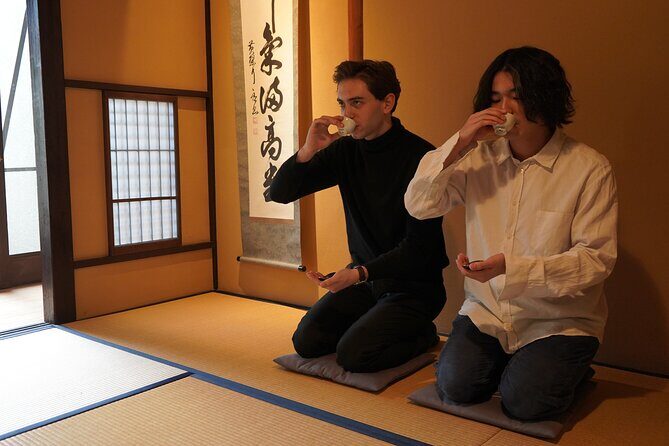
This isn’t a long lecture and it isn’t a short photo-op either. The timing is tight, so you’ll move through a clear sequence.
First, you observe the tea ceremony. You’re looking at how the instructor handles the utensils, the rhythm of pouring and brewing, and the general atmosphere. This part helps you learn what to pay attention to when it’s your turn.
Next comes the break in the script: Japanese sweets are served. That pairing matters. In tea culture, sweets are a way to balance the tea and to make the moment feel complete, like a tiny ritual meal rather than just a drink lesson.
Finally, you do the hands-on part. The workshop is designed so you can actually touch the utensils and learn how to brew the tea from start to finish. You’ll also get the chance to compare notes—brewing is one of those skills where differences show up immediately in smell and taste.
How the Higashi Abe school style shows up in your lesson
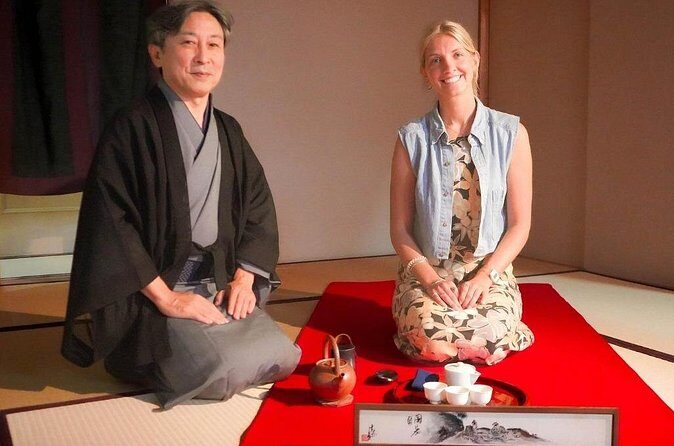
This class is taught by a master of the Higashi Abe school. That’s a key detail because Japanese tea ceremonies aren’t all the same. Styles can differ in tools, sequence, and how the practice is taught.
The tone you’re likely to feel is patient and respectful of tradition. In the feedback, the instructor is singled out for being careful with students and answering questions in a way that keeps the experience friendly. One name you may hear is Kyo, described as a patient teacher who explains with respect for the ceremony.
You’ll also notice a theme in how the instruction is delivered: you’re not only learning what to do, you’re learning why it’s done that way. That context shows up when you’re handling the utensils yourself—because suddenly the steps aren’t random motions. They’re choices tied to tea leaf infusion, timing, and attention.
What you actually learn about tea flavor and technique
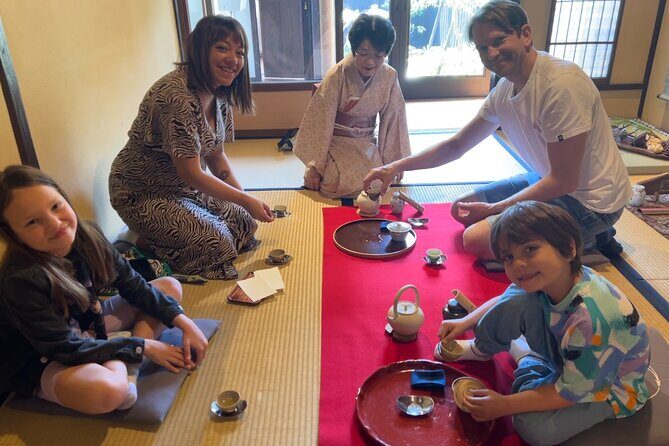
The biggest value for me here is that you’re not just tasting tea—you’re understanding how brewing decisions change the cup.
Since sencha-do uses leaf tea, the infusion process becomes the star. You’ll learn the sequence of using the utensils, and you’ll come away understanding how to approach brewing with care instead of speed.
You’ll also have a built-in comparison moment. The workshop encourages you to compare the taste with people you’re with, which is honestly one of the easiest ways to learn. When you taste your own cup and then compare it with someone else’s brewed result, you start noticing differences faster than you would by reading about tea online.
A helpful mindset: treat the day as both a ceremony experience and a tasting experiment. You can take photos, yes, but you’ll get more out of it if you pay attention to aroma, temperature, and how the leaves respond to the infusion steps you practice.
Price and value: $65.69 for hands-on instruction in a tiny group
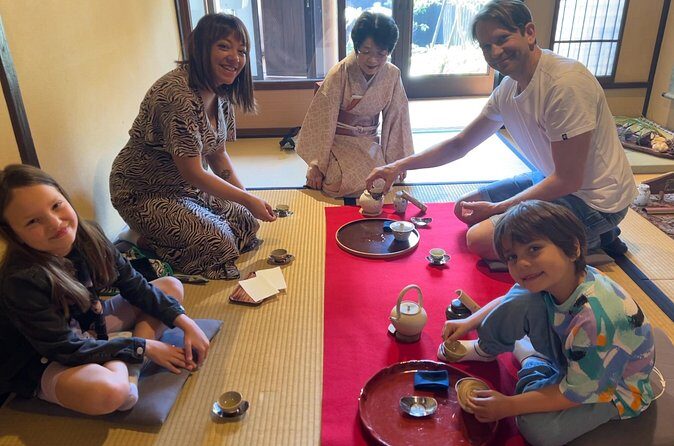
At $65.69 per person, this workshop sits in the “worth it if you’ll actually participate” category. What justifies the price isn’t the tea alone—it’s the combination of:
- Hands-on instruction where you use the utensils
- A teacher tied to a specific tea school tradition (Higashi Abe)
- Japanese sweets included
- A small group size (max 4), which usually means more attention and fewer bottlenecks
- A smooth 1 hour 30 minutes slot, so it fits into a half-day plan
Also, the booking window is fairly normal—on average it’s booked about 13 days in advance—so you don’t want to wait until the last minute, especially if you’re traveling during a busier season.
One cost consideration: private transportation isn’t included. If you need a taxi to reach the meeting point, your total cost may jump. If you’re already moving around Kawasaki and can use public transit, the price feels much easier to swallow.
Practical tips so you don’t lose time (or focus)
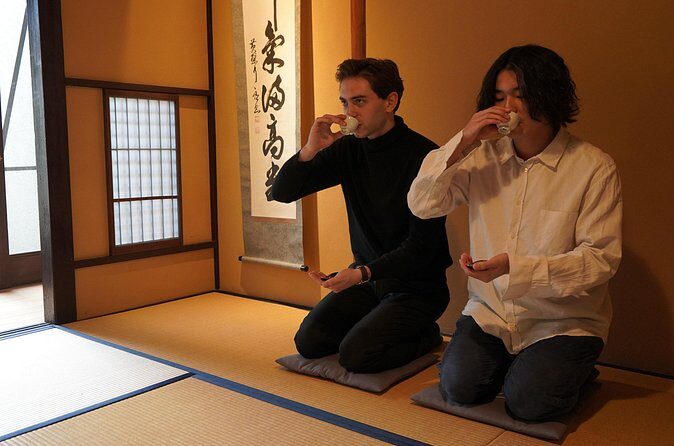
A tea workshop rewards calm attention. So aim to make the logistics boring and the learning fun.
- Arrive early and confirm your route. The address can matter more than general directions.
- Plan for a photo-friendly session. You can take pictures as you like, but don’t spend the whole lesson looking through your screen.
- Bring curiosity, not perfection. You’re learning a ceremony sequence, and the instructor is there to guide you gently.
- Ask questions while you still have the moment. If anything feels unclear—timing, utensils, or steps—this is the best time to ask.
- If you’re comparing cups, do it right away. Aroma and temperature change quickly, so taste while things are fresh.
And one small comfort note: service animals are allowed, and most people can participate.
Should you book Sencha-do in Kawasaki?
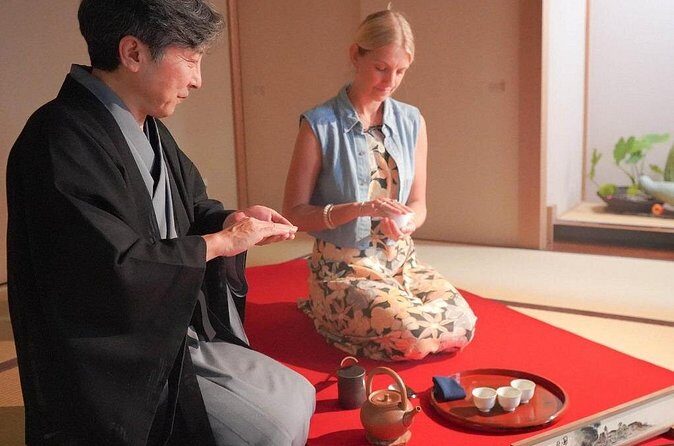
Book it if you want more than a cultural show. This is a hands-on tea ceremony where you’ll brew sencha leaf tea yourself, not just watch from the sidelines. The small group and the inclusion of Japanese sweets make the session feel like a real ritual, not a rushed class.
Skip or rethink it if you strongly rely on simple directions and hate arriving anywhere that needs precise navigation. The meeting spot is doable, but you’ll have an easier time if you double-check the address and give yourself extra time.
If you’re the type who likes to compare experiences—like matcha versus brewed leaf tea—this workshop gives you a clean, memorable comparison in under two hours.
FAQ
How long is the Sencha-do tea ceremony workshop?
It runs about 1 hour 30 minutes (approximately).
What kind of tea is used in Sencha-do?
This workshop uses green tea leaves infused in the brewing process, not powdered matcha.
Is this a hands-on experience or just observation?
You start by observing the ceremony, then you get to use the tea utensils and brew tea yourself.
What is included in the price?
Included items are green tea and Japanese sweets.
What is not included?
Private transportation is not included.
Where is the meeting point in Kawasaki?
It starts at 一般財団法人 煎茶道東阿部流1-chōme-7-2 Totehonmachi, Saiwai Ward, Kawasaki, Kanagawa 212-0023, Japan.
How big is the group?
The experience has a maximum of 4 travelers.
Is it easy to get to without a car?
It’s listed as near public transportation.
Can I bring a service animal?
Yes, service animals are allowed.
What happens if the weather is bad?
The experience requires good weather. If it’s canceled due to poor weather, you’ll be offered a different date or a full refund.