REVIEW · KAWASAKI
Tokyo: Authentic Sumo Wrestling Experience with Lunch
Book on GetYourGuide →Operated by MagicalTrip · Bookable on GetYourGuide
Sumo is one of Japan’s most visual sports, but this is the rare chance to see it up close in a real stable and then take part in the training. I especially love the chance to watch morning practice from near the ring, not from far-off seats. And I really like that lunch isn’t just food on a schedule; you share chanko-nabe and make dumplings with the wrestlers, then chat while you eat.
One thing to consider: this experience involves walking around the stable and active training moments, so it’s not a fit for mobility issues or certain health situations. Also, allergy handling can’t be guaranteed since cooking is done in the stable’s kitchen setup.
In This Review
- Key Sumo-and-Lunch Moments You’ll Remember
- From Shin-Kawasaki Station to a Real Stable Used Until 2022
- A quick note on guides
- Tour Rooms: Dining, Bath, and Practice Space Up Close
- Morning Practice From Near the Ring: Watching With Purpose
- What to expect during practice time
- Learning Rules and Techniques Before You See the Match Start
- Optional Ring Time: Fighting With a Rikishi (If You Want)
- The best mindset for this part
- Chanko-Nabe Lunch and Dumplings at the Wrestlers’ Table
- Value, Timing, and What Makes This Worth $166
- Timing you can plan around
- Who this is best for
- Should You Book This Sumo-and-Lunch Experience?
- FAQ
- Where is the meeting point at Shin-Kawasaki Station?
- How long is the tour, and is it in English?
- What’s included in the lunch?
- Can I participate in a sumo match with a wrestler?
- Are drinks included with lunch?
- Can dietary requests or allergies be accommodated?
- Is the tour wheelchair or stroller accessible?
- Is the tour refundable if I cancel?
- What happens if I’m late to the meeting?
Key Sumo-and-Lunch Moments You’ll Remember
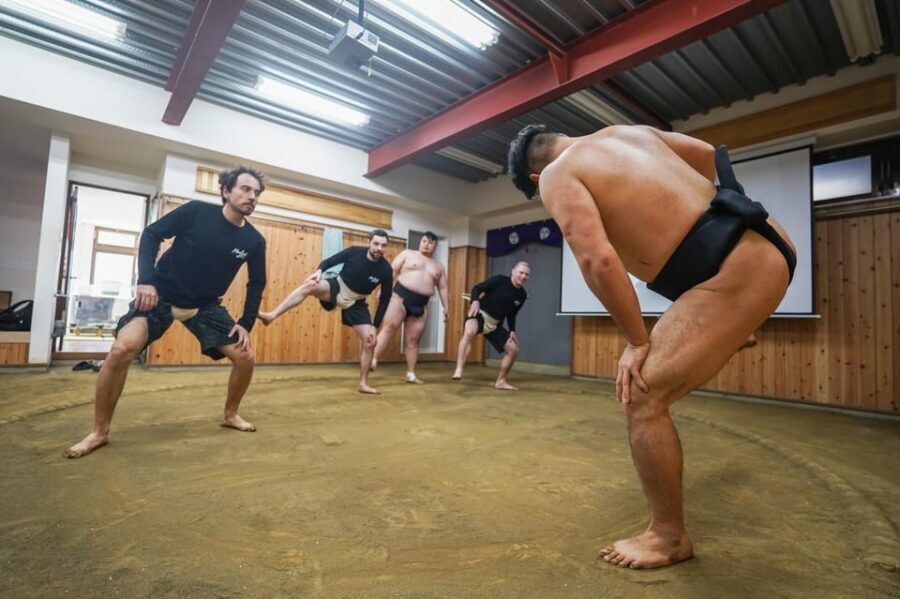
- A real sumo stable visit, including rooms like the dining area, bath, and practice spaces
- Morning practice at the ring side, so you can see warmups, movements, and intent
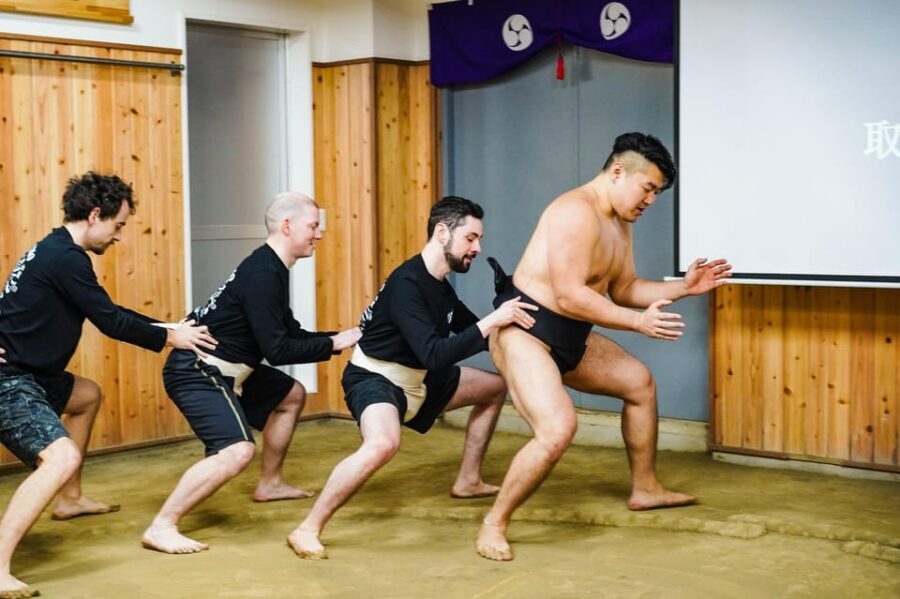
- Hands-on training time, including trying stances and moves with rikishi
- Optional sparring in a match-style round, if you want to step in
- Chanko-nabe lunch with dumplings, cooked and shared around a table used in the sumo room
- Memorabilia built into the day, including photos, a t-shirt, and wrestler handprints on paper
From Shin-Kawasaki Station to a Real Stable Used Until 2022
The day starts at Shin-Kawasaki Station, right outside the ticket gate. There’s only one gate to navigate, and your guide will be holding a red/orange sign that reads Magical Trip in front of Kiyoken (the shumai shop). It’s a straightforward meetup point, which matters because sumo days run on a tight schedule.
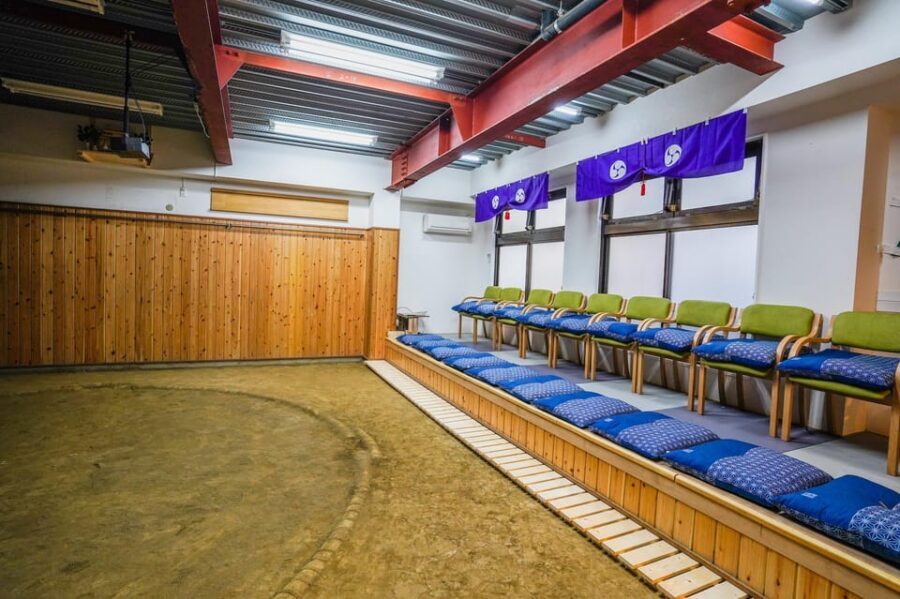
Once you’re with the group, you head off to the stable. This isn’t a generic performance venue. The stable you visit was officially used until 2022, so the atmosphere still feels like a working place, not a theme park set. You’ll get context on sumo life—how the routines shape the wrestlers—before you ever sit down to watch anything.
If you’re coming from Tokyo, you’ll appreciate the location. It’s about 20 minutes from Tokyo Station, and it’s also very close to Yokohama (around 10 minutes). That means you can treat this as a half-day plan without feeling like you’re burning your whole trip to get there.
You can also read our reviews of more tours and experiences in Kawasaki.

A quick note on guides
Guides can vary by date. Some groups have been led by people like Charlie and Mayu, while other runs have included Masao or Jim, with support from Fuji. Either way, the common thread is plain-English explanation plus lots of interaction.
Tour Rooms: Dining, Bath, and Practice Space Up Close
After arrival, you begin with an introduction to sumo culture and how the stable works day to day. This is where the sport turns from rules on a screen into something human. You’ll learn about traditions, lifestyle customs, and why certain rituals matter to the wrestlers’ world.
Then comes the tour of key areas—exactly the kinds of spaces outsiders almost never see. You’ll visit the dining room, the bath area, and the practice area where training actually happens. Seeing the flow of the place helps you understand why sumo is as much about routine and respect as it is about strength.
A practical tip: take your time during the tour phase. The early minutes set you up for what you’ll see later during morning practice. If you’re the type who likes understanding the why before the what, this portion will feel like the right pace.
Morning Practice From Near the Ring: Watching With Purpose
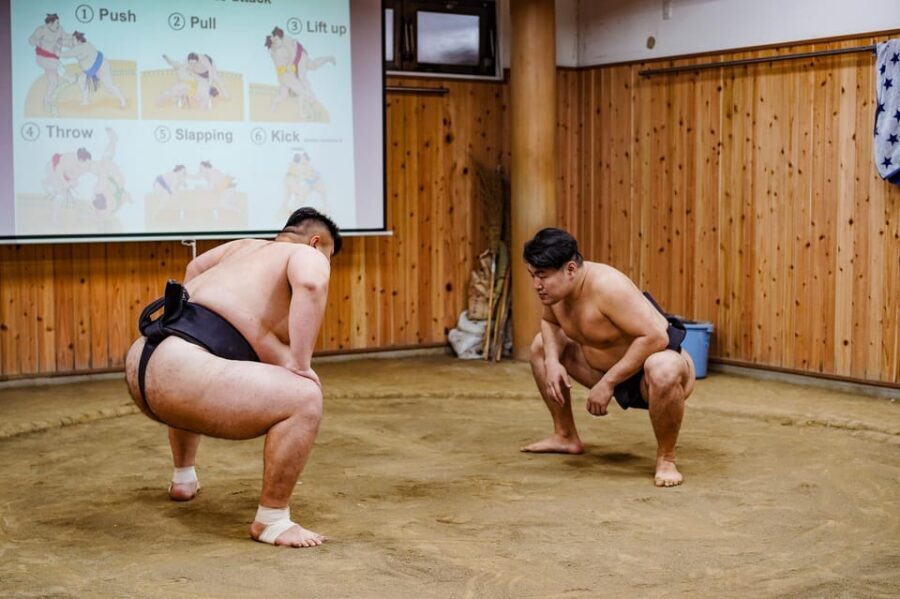
Next you settle into a spot right in front of the sumo ring to watch a morning practice session. This is the moment that often feels like the day’s main event, because you aren’t just watching a match. You’re watching the preparation that feeds the match.
You’ll see how practice begins, what kind of movements show up, and why those movements matter. Sumo training has its own logic—warming the body in ways that support grappling, building balance, and repeating techniques until they’re automatic. Watching close lets you notice those patterns instead of treating it like random motion.
Then the tour shifts from spectator to participant. You’ll have a chance to try the movements yourself. It’s not about becoming a rikishi in four hours. It’s about experiencing what your body feels like when you adopt the stances and basic motions you’ve been studying.
What to expect during practice time
- Expect a close, active scene; this isn’t a quiet museum moment.
- Expect lots of instruction on posture and intent, not just “copy this move.”
- Expect a good dose of humility—sumo technique is harder than it looks.
Learning Rules and Techniques Before You See the Match Start
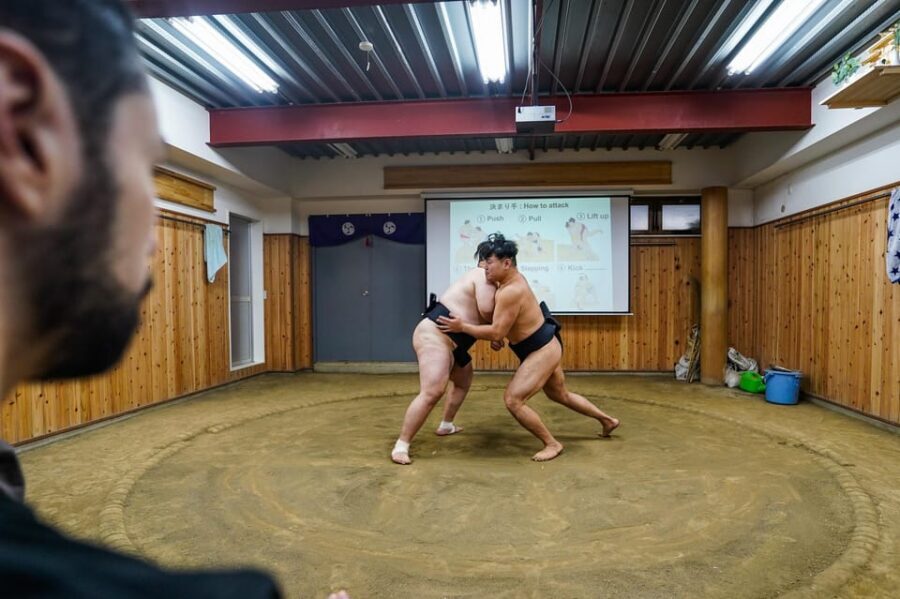
After the hands-on segment, your guide explains sumo rules, moves, and techniques in a way that makes match viewing easier. If you’ve never studied sumo before, this part matters a lot. The sport becomes much clearer when you know what to watch for: balance, footwork, grips, and how the wrestlers try to control space.
You’ll also get a look at how a real bout starts, including the movements that kick off the action. This is one of those small details that changes everything. Once you understand the opening cues, the rest of the match session makes more sense.
Some guides use visuals like slides or other simple teaching aids to connect the explanation to what you’re about to see. Even if you’re a first-timer, the goal is the same: help you watch like you understand.
Optional Ring Time: Fighting With a Rikishi (If You Want)
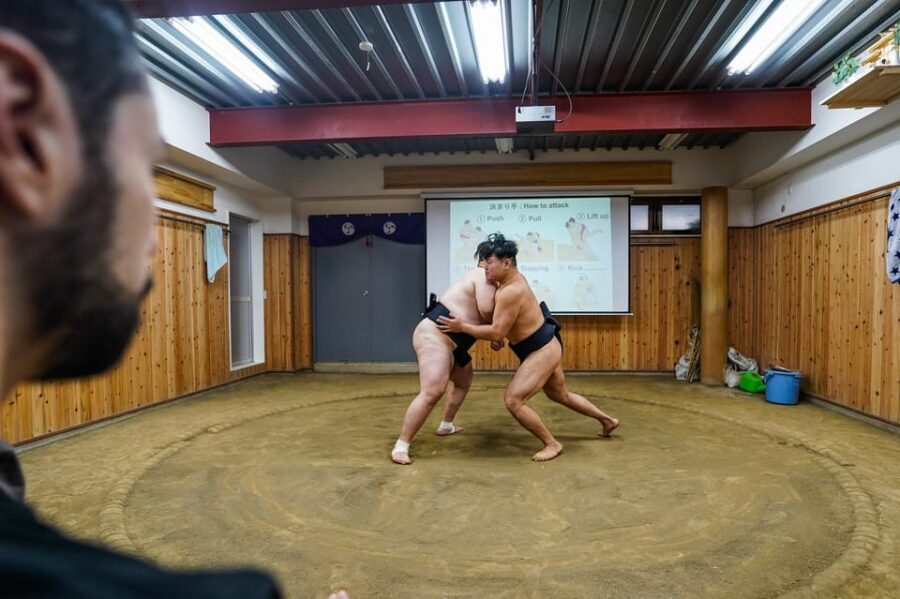
One of the most memorable parts is the chance to fight with a sumo wrestler—but only if you want. This is match-style, not a casual photo moment. You’ll step in and experience how real resistance feels when someone trained their whole life to move you off balance.
The good news: the intent is friendly. In multiple accounts, wrestlers have been patient and humorous, treating the experience like a fun test of coordination rather than a punishment. Still, it’s real physical contact and real athletic movement, so you should go into it with the mindset of trying, not conquering.
If you’re worried about strength—don’t be. You’re not expected to win. The value is learning by doing, and getting a first-hand sense of why sumo is so technical.
The best mindset for this part
Keep it simple:
- Focus on stance and balance.
- Take instruction during the moment you need it.
- Laugh if it’s harder than you thought. That’s part of the experience.
Chanko-Nabe Lunch and Dumplings at the Wrestlers’ Table
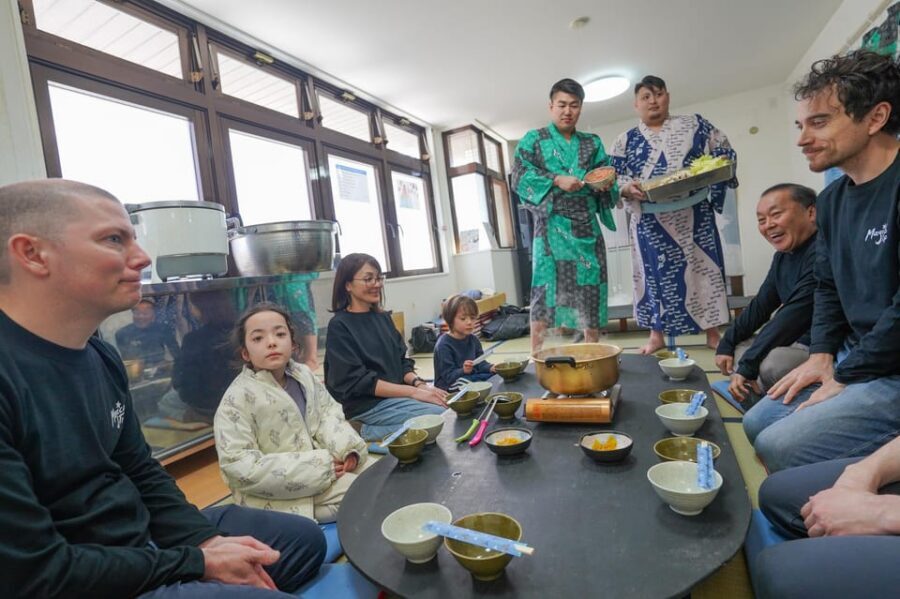
After practice and any match-style ring time, you shift to the food stage: chanko-nabe. This is the classic sumo wrestler dish built for building bodies and fueling training. You’ll eat lunch together and learn what makes this kind of meal part of stable life.
The best part isn’t only the taste. It’s the setting. You’ll eat together around a table that was actually used in the sumo room. That detail changes how you experience the meal—you’re not just eating Japanese food. You’re eating inside the culture you just watched.
And there’s another hands-on element: you make chicken dumplings for the chanko-nabe. This isn’t complicated cooking, but it adds a real participation layer. You’ll likely feel the difference between making dumplings at home and making them in a stable setting with wrestlers guiding the steps.
During the meal, you get time for conversation. This is where the experience turns warm and personal. You can ask questions about training, traditions, daily life, or what the routines feel like from the inside. You can also take pictures while you’re eating and chatting.
Some groups also get photo time in yukata or kimono for a more traditional look, depending on how the stable’s flow works that day. If it’s offered, it’s a nice add-on because it ties the day back into Japanese clothing and ceremony.
Finally, you’ll leave with a couple of memorable takeaways: a t-shirt plus memorial handprints on paper made with one of the wrestlers. It’s a small souvenir, but the personal connection makes it mean more.
Value, Timing, and What Makes This Worth $166
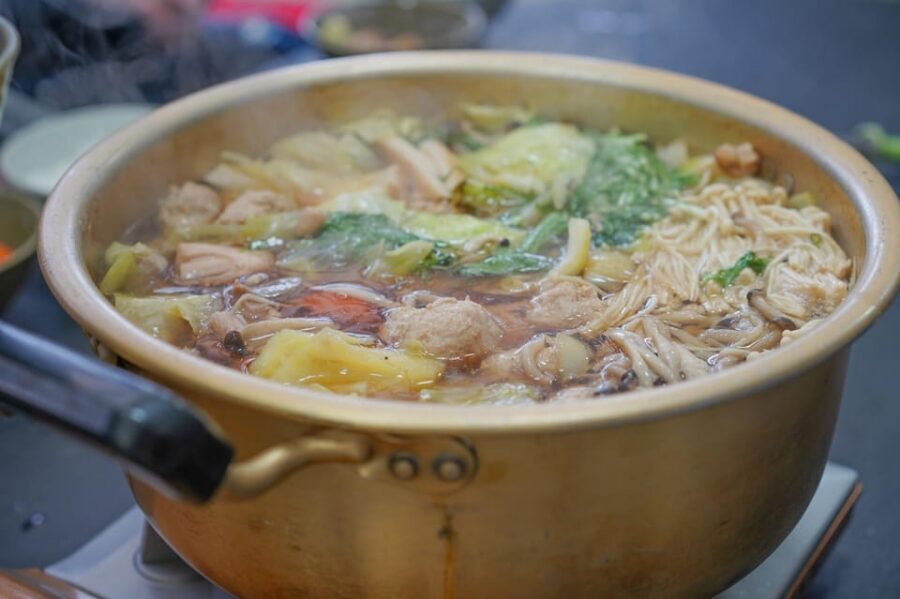
At $166 per person for 4 hours, the question is simple: is it worth paying for something that sounds like a mix of tour and workshop? In this case, yes—mainly because the day is built around access.
You’re paying for:
- A real stable environment (not a staged performance space)
- Morning practice ring-side viewing
- Guided explanation that helps you understand what you’re watching
- Hands-on training time plus optional match-style participation
- Lunch with wrestlers, with shared seating and participation in dumpling-making
- Included photos, a t-shirt, and wrestler handprints
If you only wanted to watch sumo, you could find cheaper options. But if you want interaction—seeing the stable layout, trying movements, and eating with rikishi—that combination is what makes the price feel reasonable.
Timing you can plan around
The whole experience is 4 hours, and it’s close enough to both Tokyo and Yokohama that you can fit it into a regular day. Still, the stable schedule is strict, so you’ll want to arrive early at Shin-Kawasaki and keep your buffer tight.
Also, remember that this isn’t a sit-and-watch experience all the way through. Even if you choose not to spar, you’ll likely move around the stable and participate in training segments.
Who this is best for
This fits best if you:
- Want a real-sumo, inside-the-stable experience instead of a distant viewing
- Enjoy hands-on learning more than passive sightseeing
- Like asking questions and talking directly with people who live the sport
- Are okay with a little physical effort and some standing around the ring
If you’re someone who gets nervous about contact sports, you can still enjoy the day, but the best approach is to choose participation thoughtfully.
Should You Book This Sumo-and-Lunch Experience?
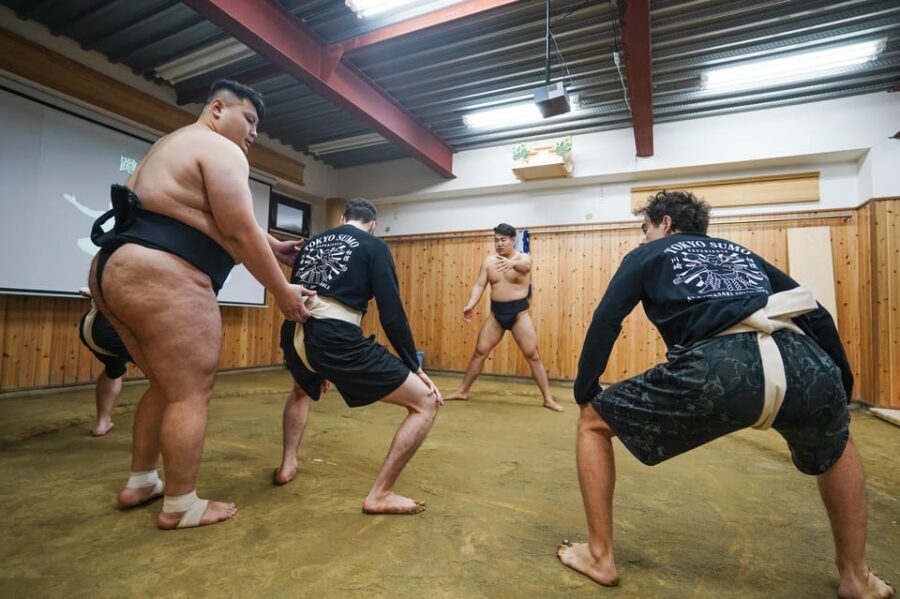
I’d book it if sumo is on your Japan “must-see” list and you want the culture side, not just the entertainment side. The mix of morning practice, trying the movements, and lunch shared right where the stable meals happen is exactly the sort of experience that doesn’t feel replaceable.
I’d think twice if any of these apply:
- You have mobility challenges or need stroller-friendly access (some stable areas aren’t accessible)
- You’re dealing with health limitations (the tour notes it’s not recommended for heart problems, a cold, pre-existing medical conditions, or high blood pressure)
- You need strict allergy guarantees (the tour can’t promise allergy-free cooking or guaranteed substitutions)
If none of those are deal-breakers, this is one of the most memorable sumo experiences you can add near Tokyo.
FAQ
Where is the meeting point at Shin-Kawasaki Station?
Meet your guide just outside the ticket gate at Shin-Kawasaki Station. There is only one gate. The meeting point is in front of Kiyoken (the Google Maps link provided points there), and your guide will be holding a red/orange sign saying Magical Trip.
How long is the tour, and is it in English?
The tour lasts 4 hours and is guided in English.
What’s included in the lunch?
Lunch includes chanko-nabe, and you’ll also make chicken dumplings with the sumo wrestlers as part of the meal. You’ll eat together with the wrestlers.
Can I participate in a sumo match with a wrestler?
Yes, you can participate in a match-style fight with a rikishi, but it’s optional and only happens if you want.
Are drinks included with lunch?
No. Additional food and drinks are not included.
Can dietary requests or allergies be accommodated?
If you have dietary requests or allergies, you need to inform the operator at least one day before the tour. The tour also states it can’t guarantee allergy-free food, since the food is prepared in kitchens that don’t belong to MagicalTrip, and substitutions may not always be possible.
Is the tour wheelchair or stroller accessible?
The tour notes that it includes some locations that are not accessible by wheelchair or stroller, and it’s not recommended for people with mobility issues. A private tour is recommended if mobility is a concern.
Is the tour refundable if I cancel?
Yes. There’s free cancellation: you can cancel up to 2 days in advance for a full refund.
What happens if I’m late to the meeting?
The tour must start on time. If you’re late and miss the group, you won’t be able to join, and you won’t receive a refund or reschedule.