REVIEW · KAWASAKI
Authentic Sumo Experience in Tokyo: Enter the Sanctuary
Book on Viator →Operated by MagicalTrip Inc. · Bookable on Viator
Sumo feels like a secret sport. This tour takes you into the world behind the ring, at a real stable near Kawasaki, with a room tour and a chance to train like a wrestler. I especially love the hands-on practice portion taught by sumo wrestlers, and the fact that you share lunch as part of the same experience (not just a quick stop).
Two things that made this feel worth it to me are the guided explanation of sumo daily life and traditions, and getting to learn and try movements taught with real humor and energy by guides like Charlie and Jim. One thing to keep in mind: it starts on time, and if you miss the group by being late, there’s no refund or reschedule.
In This Review
- Key things I’d plan around
- Entering the real sumo stable in Kawasaki
- Shin-Kawasaki meeting point and your sumo-world orientation
- Room tour: dining room, bath, and practice space
- Morning practice by the ring: what you’ll see
- Learning sumo moves from wrestlers, not just watching
- Chanko-nabe lunch: eating together like a sumo routine
- Price and value: what $171.12 really buys
- Group size, timing, and how to plan your day
- Who this tour is best for
- Should you book this authentic sumo experience?
- FAQ
- Where is the meeting point?
- What time does the tour start?
- How long is the experience?
- What’s included in the price?
- Is lunch included, and what do you eat?
- Can I try sumo moves myself?
- What about dietary allergies or requests?
- What if the tour is canceled or I need to cancel?
Key things I’d plan around
- You watch morning practice from right in front of the ring during the stable’s training session window
- You tour the dining room, bath, and practice area to understand how sumo life actually works
- Lunch is chanko-nabe with dumplings made in the same setting and eaten together at a table used in the sumo room
- You get taught sumo moves by wrestlers (not just a demo)
- Small group size (max 15) helps the training feel interactive
- You leave with tour photos and an original T-shirt
Entering the real sumo stable in Kawasaki
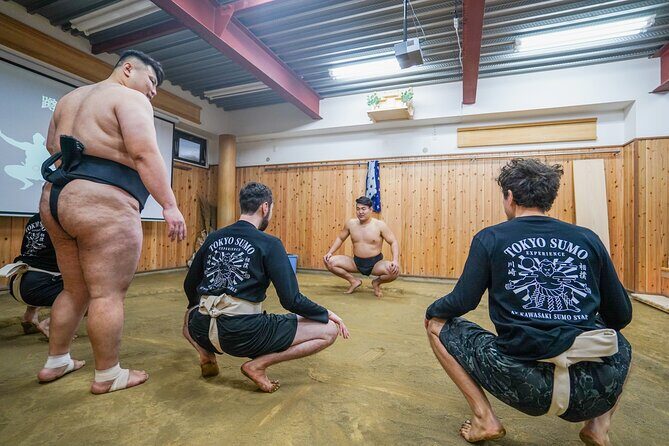
This isn’t the usual Japan plan of sit, watch, and leave. The core value here is access. You meet up near Shin-Kawasaki Station and head to a sumo stable that was officially used until 2022. That detail matters, because it signals you’re not just seeing a staged space. You’re stepping into a working, tradition-shaped environment where daily routines still echo the sport’s old rules.
From the start, your guide frames sumo as a way of life, not only a match. You get context on training culture, what’s formal, what’s practical, and why the customs exist. And then the schedule keeps moving so you don’t get stuck in lectures the whole time.
You can also read our reviews of more tours and experiences in Kawasaki.
Shin-Kawasaki meeting point and your sumo-world orientation
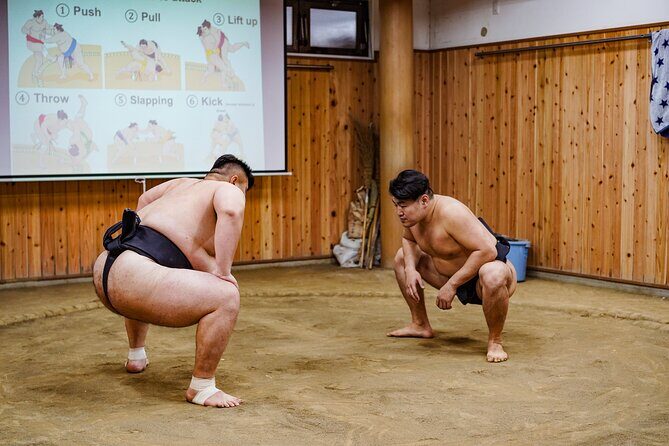
You start at Shin Kawasaki Station, and your guide provides the storyline. Expect commentary on how wrestlers live in real life, plus tradition and history of sumo. The tone is meant to be understandable even if you’re brand-new to sumo, and guides in this program have ranged from upbeat comic energy to very structured explanations. People highlight guides like Charlie, Jim, and Lily for English ability and for adding helpful visual support like PowerPoint.
Two practical points help you get the most out of this first stretch:
- Go a little early so you can relax when you arrive. This tour has a strict on-time start.
- Listen for the rules of sumo training culture during orientation. Those details make the room tour and practice session click faster.
If you’re coming from central Tokyo, build in a buffer. The tour is short overall (about 4 hours 10 minutes), so delays can compress your experience.
Room tour: dining room, bath, and practice space
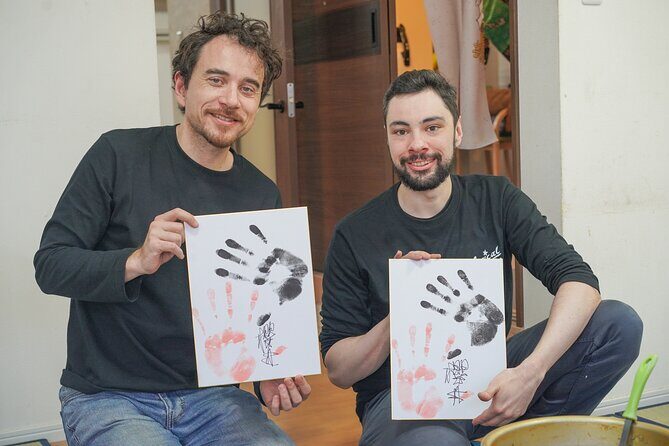
After orientation, you get a tour of the sumo stable’s spaces, including the dining room, bath, and practice area. This is one of the best parts for me because it answers the question most people have after watching sumo on TV: where do wrestlers actually spend their time?
You’re not just peeking into rooms. The guide explains what happens there, and you get glimpses of day-to-day routines and training setups. Seeing the dining room helps you understand why food culture is so tied to the sport’s identity. Seeing the bath area helps you understand how routine and recovery fit into the same system. And the practice area is where the training logic becomes physical.
A small caution: if you want a super-polished museum-style experience with lots of “do not touch” signs, this is not that vibe. It’s more hands-on and conversation-driven.
Morning practice by the ring: what you’ll see
Once the tour portion is done, you’re seated right in front of the sumo ring to watch a morning practice session. Training typically begins around 7:00 a.m. and runs about three to four hours. Your tour time is shorter, so you’re usually catching a focused slice of that training window while still being close enough to feel what’s going on.
Here’s what makes this moment special: you’re seeing the sport the way wrestlers prepare, not the way they perform. There’s a lot of repetition and discipline baked into the movements. And because you’re near the ring, you can better understand stance, timing, and intensity.
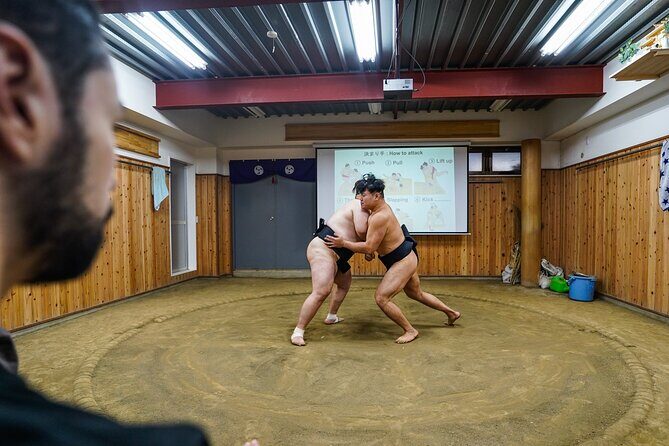
You also have the chance to participate in the movements. The program is designed so that you can try what you’ve been shown. People describe this as both fun and challenging, which makes sense. Even if you’ve done martial arts before, sumo techniques have a different rhythm and different goals than most other styles.
What to do before you go:
- Wear comfortable clothes that you can move in.
- If you’re sensitive to heat or physical effort, hydrate early. The program notes summer in Japan is very hot and humid.
Learning sumo moves from wrestlers, not just watching
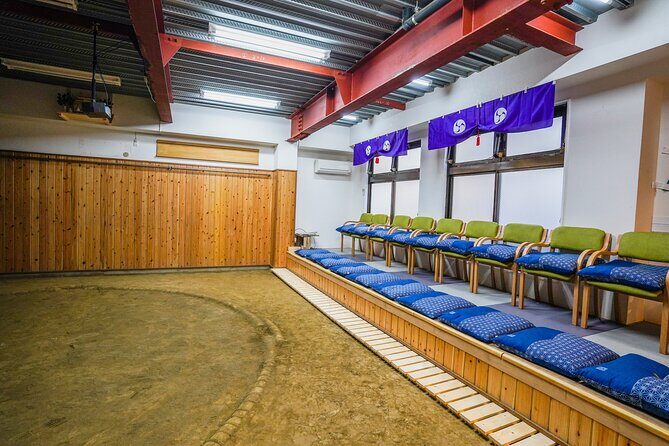
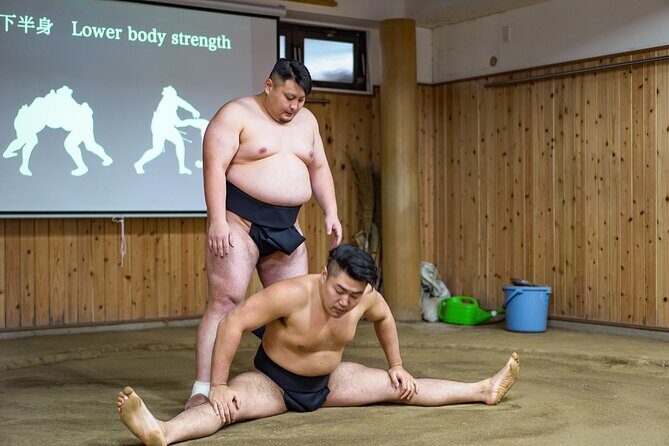
This is the part that tends to win people over fast: you get real instruction from sumo wrestlers during the training experience. The demonstrations are interactive, and guides often take care of the explanation so you’re not lost in the language gap.
In multiple accounts, people praise how the instructors bring a sense of humor and how willing they are to teach. That matters because it lowers the fear barrier. You’re not expected to be good on day one. You’re expected to try, laugh a bit, and learn the basics of how the movements are supposed to feel.
Also, this is where the small group size helps. With up to 15 participants, the vibe is more “workshop” than “mass event.” You can ask questions, get corrected, and actually participate instead of being stuck at the back.
Chanko-nabe lunch: eating together like a sumo routine
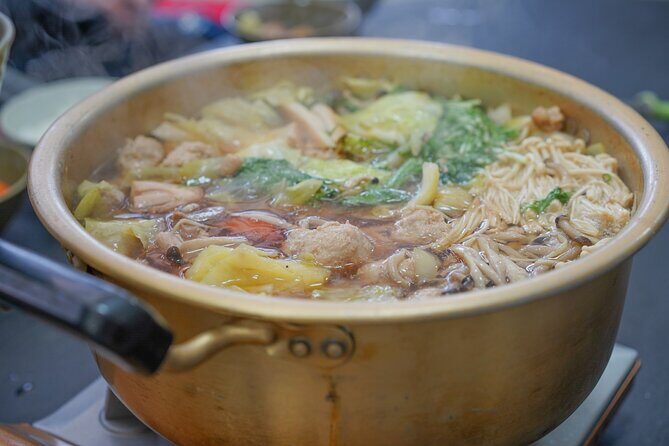
After practice, you eat chanko-nabe together, a hearty dish strongly associated with sumo. People often say this is the lunch highlight, and it makes sense. Chanko-nabe is designed to feed a body that trains hard, and it’s part of why sumo culture feels so specific.
You’ll have chicken dumplings as the main ingredient of the chanko-nabe, and the program includes the chance to make the dumplings with the wrestlers. Then everyone eats together around a table that was actually used in the sumo room.
That last detail is more meaningful than it sounds. It turns lunch into a continuation of the experience rather than a separate meal stop. It’s also a great moment to ask questions in a relaxed setting, because the event naturally shifts from training mode to conversation mode.
Practical note on food: the tour includes lunch, but additional drinks or snacks are not included. If you have allergies, the program asks you to contact them at least one day before the tour with your dietary requests. They also note they can’t guarantee allergy-free food because kitchens don’t belong to MagicalTrip, and substitutions might not always be possible.
Price and value: what $171.12 really buys
At $171.12 per person, this is not a cheap “look at sumo” add-on. But value here comes from three things you usually can’t get on a basic city excursion:
- Access to a stable setting (not only a performance venue)
- Multiple active components: tour + ring-side practice + hands-on training
- Included lunch tied to the same stable atmosphere, plus photos and an original T-shirt
Duration is about 4 hours 10 minutes. That’s just long enough to feel complete without turning the day into a half-day slog. For many people, the interactive part is the biggest reason the price feels fair. You’re not paying only for entry or a guide; you’re paying for instruction, close viewing, and participation.
One more value angle: the experience includes tour photos and an original designed T-shirt. Those aren’t the main reason to book, but they do add to the sense that you’re returning from the day with something tangible besides memories.
Group size, timing, and how to plan your day
The maximum group size is 15, and the tour starts at 9:30 a.m. It’s important to arrive early because the tour is designed to start on time. The program also notes that if you’re more than 5 minutes late without contacting them, it’s treated as a cancellation with no refund.
So plan like this:
- Aim to arrive with slack at Shin-Kawasaki Station.
- If you’re traveling from Tokyo, check connection timing and build a buffer.
- Avoid large luggage. Large suitcases aren’t permitted on this tour.
Also consider the seasonal weather. The tour specifically flags summer heat and humidity, and recommends bringing water and wearing a hat to prevent heat stroke. That’s not “nice to have” advice; when you’re learning physical movements, heat matters.
Who this tour is best for
This experience is a great fit if you:
- Love hands-on activities and want more than a photo from ringside
- Are curious about how sumo training works day-to-day
- Want an approachable introduction to sumo culture, not just match facts
- Enjoy family-friendly, interactive travel days (this has been described as a strong option for kids and teens too)
You might want a different plan if you:
- Want a passive, lecture-light experience (this has structured explanation plus activity)
- Have strict dietary needs beyond what can reasonably be substituted
- Need a plan that tolerates late arrivals, since the schedule is tight
Should you book this authentic sumo experience?
I’d book it if you want a day that feels unusually “close to the sport.” The best part is the combo of a stable tour, ring-side morning practice, and training with wrestlers, capped with chanko-nabe lunch eaten in the sumo room atmosphere. It’s the kind of activity where you come away with better understanding and also better body memory of what sumo actually demands.
I’d also book it early in your Tokyo-area trip. That way, if there’s an unexpected cancellation from the sumo stable a few days to a couple of days beforehand, you still have flexibility to switch dates.
If you want to turn curiosity into hands-on culture, this is one of the most practical ways to do it.
FAQ
Where is the meeting point?
You meet at or near Shin-Kawasaki Station. The provided start location is in Saiwai Ward, Kawasaki, Kanagawa.
What time does the tour start?
Start time is 9:30 a.m., and the activity ends back at the meeting point.
How long is the experience?
The duration is about 4 hours 10 minutes (approximately).
What’s included in the price?
The tour includes the sumo experience, a certified guide by MagicalTrip, sumo wrestler’s lunch, tour photos, and an original designed T-shirt.
Is lunch included, and what do you eat?
Yes. After the practice session, you eat chanko-nabe, with chicken dumplings as the main ingredient. Lunch is included.
Can I try sumo moves myself?
Yes. You can participate in movements during the training session with the wrestlers, not only watch.
What about dietary allergies or requests?
You should inform the provider at least one day before the tour. The program notes they can’t guarantee allergy-free food, and substitutions may not always be possible.
What if the tour is canceled or I need to cancel?
Free cancellation is available up to 24 hours in advance for a full refund. Unexpected sumo stable cancellations can happen a few days to a couple of days before the tour; if the tour is canceled due to minimum traveler requirements, you’ll be offered another date/experience or a full refund.