REVIEW · ODAWARA
“Takigyo”Traditional Japanese Waterfall Training meditation
Book on Viator →Operated by GOEN · Bookable on Viator
Takigyo turns a waterfall into training for your mind. You start with a countryside purification ceremony led by a monk, then step into the practice of Takigyo with a clear, simple focus: breathe, be present, and let the water do its work.
Two things I really like: first, the way the morning starts with real ritual, not a performance, including a safety prayer and careful guidance from Kai and his team. Second, you actually get kitted out in traditional clothing, including the dōgi (and for men, fundoshi), so you’re participating in the practice instead of just watching it.
One consideration: the experience requires good weather, and you’ll be close to strong waterfall water, so plan for it to feel cold and wet.
In This Review
- What Makes This Takigyo Experience Worth Your Time
- Takigyo in Odawara: More Than a Waterfall Photo Stop
- Morning Logistics: 7:30 Pickup at Odawara Station
- At the Temple: Purification, Safety Prayer, and Mental Reset
- The Traditional Outfit Moment: Dōgi (and Fundoshi for Men)
- Walking to the Waterfall: Quiet Forest Paths, Clear Expectations
- Waterfall Meditation (Takigyo): Breathing, Stillness, and Staying Grounded
- After the Ritual: Dry Off, Reflect, and Drink Something Warm
- Price and Value: What You’re Paying For at $143.34
- Who Should Book This Takigyo Session
- Weather, Refunds, and the Real-Life Side of Waterfalls
- Should You Book Takigyo with GOEN in Odawara?
- FAQ
- Where does pickup happen, and what time?
- How long is the Takigyo waterfall training experience?
- What’s included in the price?
- Do I need to bring my own clothes?
- Is the experience guaranteed to run every day?
- Is activity insurance included?
What Makes This Takigyo Experience Worth Your Time
- Temple purification first: safety prayer and mindfulness practice set the tone for everything that follows.
- Traditional outfit included: you’ll rent the ritual clothing so you’re dressed for the training.
- Small group, max 4: you get more attention and less waiting around.
- Sunset Falls practice: you’ll walk in nature paths to the waterfall site before the meditation.
- English support + bilingual staff: explanations in Japanese and English keep the meaning clear.
- A GoPro video souvenir: you get a recorded memory of the experience filmed on GoPro.
Takigyo in Odawara: More Than a Waterfall Photo Stop
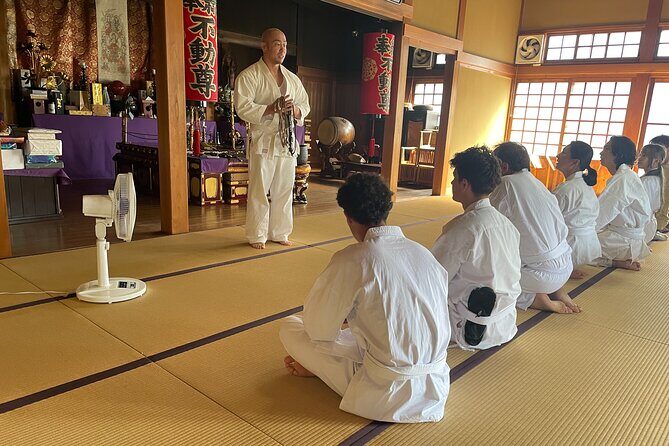
Odawara is not famous for waterfall “bucket lists,” which is exactly why this works. This is a morning built around a specific form of training: Japanese waterfall meditation. The focus isn’t scenery. It’s discipline. It’s the physical sensation of cold water and the mental choice to stay steady.
You’ll feel the difference right from the start. Instead of wandering, you follow a sequence: temple → ritual clothing → short walk → waterfall practice → reflection and warm drinks. That structure matters because it turns a one-time visit into a focused experience you can actually take home with you.
Also, the guide is named Kai. In the small-group format, you’re not just hearing instructions—you’re learning what the ritual is trying to do, and that makes the whole thing feel more respectful and less staged.
You can also read our reviews of more tours and experiences in Odawara.
Morning Logistics: 7:30 Pickup at Odawara Station
The day begins early. Pickup is at Odawara Station at 7:30 am, with round-trip transportation to the temple area. The whole experience is about 4 hours (approx.), so you’ll still have plenty of time afterward to explore Odawara and nearby spots.
This timing is a plus if you like quieter Japan. You’re not sharing the area with big tour waves. And since it’s a temple-based ritual, arriving calm and ready is part of the experience.
The group size is capped at 4 travelers, which changes how the morning feels. You get space for changing, listening, and adjusting to the training environment without feeling rushed.
At the Temple: Purification, Safety Prayer, and Mental Reset
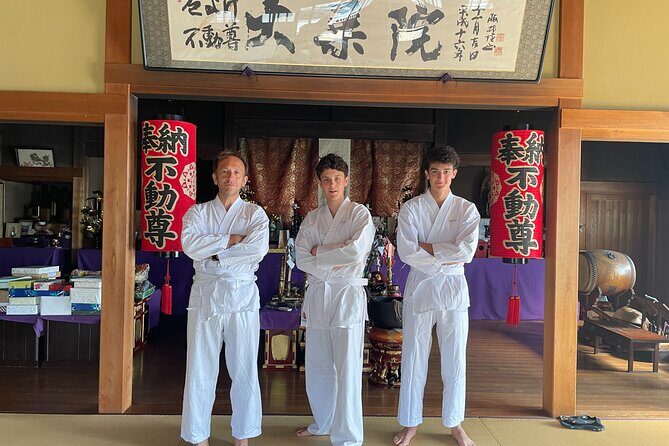
Before you even touch the waterfall, you’ll do the temple segment. This is where you learn the “why,” not just the “what.”
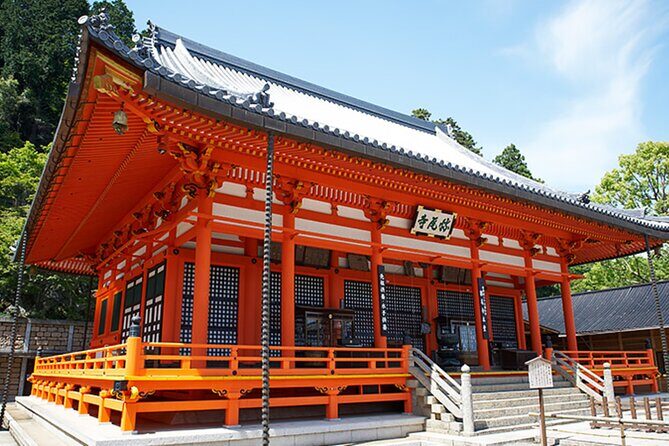
You’ll visit a quiet countryside temple where a local monk leads a purification ritual and prayer for safety and mindfulness. Then you’ll have the guided cultural explanation about the area and the waterfall ritual itself. That matters because Takigyo isn’t just water therapy. It’s a practice with tradition behind it.
From a practical standpoint, this portion also prepares you physically and mentally. You’ll be standing, listening, and following instructions before you switch into the main action. It’s the buffer that keeps the rest of the morning from feeling chaotic.
And one more small but important detail: there’s a safety prayer. It’s not just symbolism. It sets expectations about behavior around the waterfall and how you should approach the training respectfully and carefully.
The Traditional Outfit Moment: Dōgi (and Fundoshi for Men)
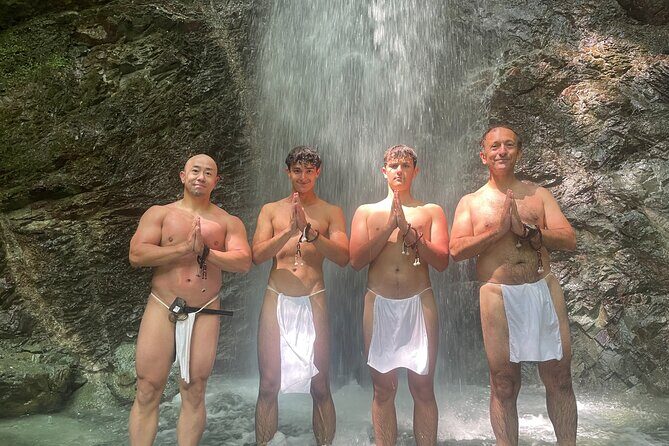
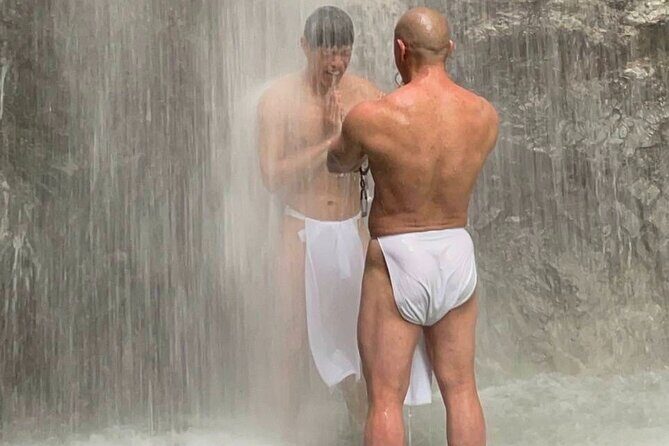
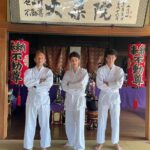
At the temple, you’ll change into traditional waterfall-meditation clothing. You’ll rent a dōgi, and for men the rental includes fundoshi. The idea is simple: you’re not dressed for comfort. You’re dressed for the ritual.
This is one of the best parts of the whole experience, because it removes the uncertainty. You don’t have to guess what to wear or worry about whether your outfit fits the style. The rental is provided for you, and the staff explains the basics so you can focus on the practice.
You should still bring your own plan for what comes next. The tour says you’ll need your own change of clothes, plus there’s time to dry off after the waterfall. That’s where you’ll want to be prepared—especially if you’re sensitive to cold.
Quick practical tip: wear clothes that are easy to change out of after the ritual, and bring something warm to put on afterward. Your “wet experience” will be over fast. Your “feeling chilly while changing” is the part that can linger.
Walking to the Waterfall: Quiet Forest Paths, Clear Expectations
After the outfit change, there’s a short walk to the sacred waterfall site. You’ll move along peaceful forest paths, which helps you shift into a slower rhythm before the main moment.
This walk isn’t just a transfer. It acts like a warm-up for attention. The group is small, so you can pace yourself and listen when Kai explains what to watch for and how to handle the transition from temple space to natural waterfall training.
You’ll be approaching Sunset Falls—and once you’re close, it becomes obvious why this practice exists. Water isn’t background noise here. It’s the centerpiece.


Waterfall Meditation (Takigyo): Breathing, Stillness, and Staying Grounded
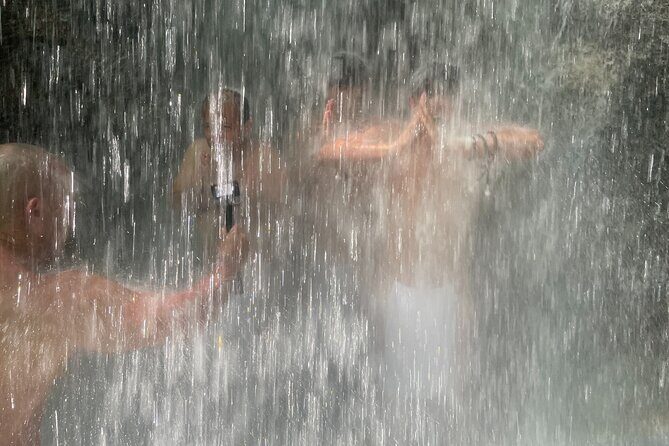
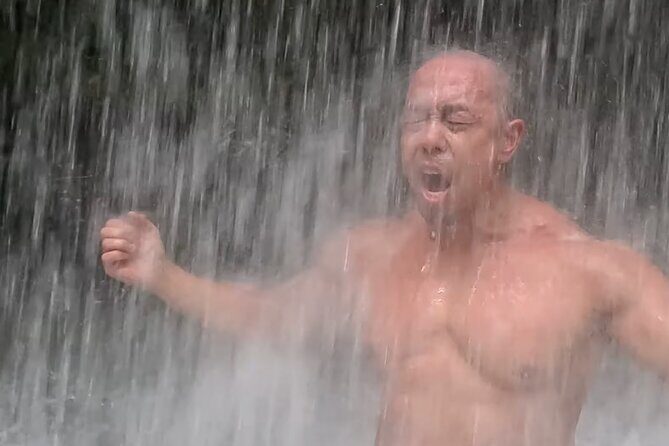
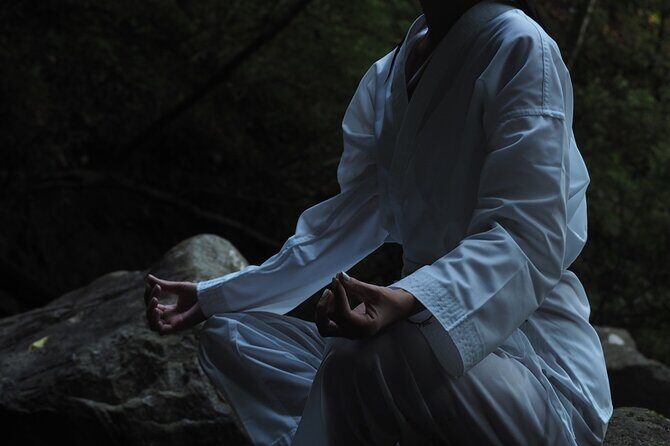
Now the core part. You’ll step beneath the powerful stream for Takigyo training. The guidance you receive is what keeps this from turning into random “getting soaked.” The focus is calm mind and deep breathing.
Here’s how to think about what you’re doing: it’s a controlled encounter with discomfort. Cold water hits fast. The mind wants to panic or rush out. The training is about not letting that happen. You follow the rhythm of the instruction, breathe steadily, and let the water sensation become something you can handle without overreacting.
I like that the experience balances intensity with structure. The monk-led start and Kai’s ongoing support mean you’re not left to figure things out in the moment.
Also, since it’s a small group, your guide can notice if you’re moving too fast, breathing erratically, or needing a quick reset. That kind of attention matters a lot in a ritual where safety and calm are the point.
After the Ritual: Dry Off, Reflect, and Drink Something Warm
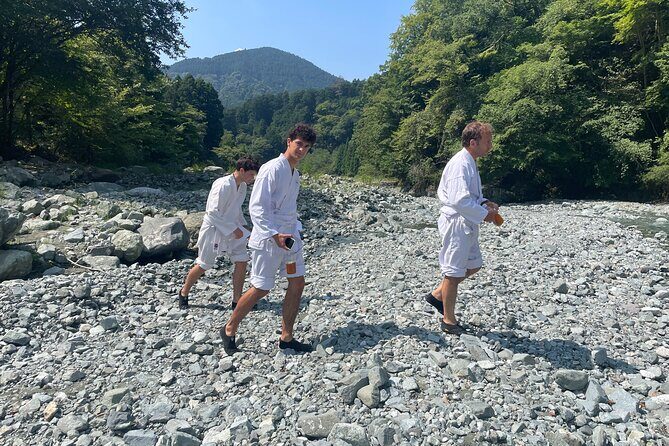
When you’re done, you won’t just jump back into sightseeing mode. There’s time to dry off and reflect. Then you’ll enjoy tea or warm drinks with your guide and fellow participants.
This part is underrated. It turns a physical experience into a mental one. You get a moment to settle your breathing and think through what you felt, rather than rushing to the next stop while still chilled.
The tour also includes a GoPro video filmed on GoPro, which gives you a simple keepsake. Just remember: the best souvenir is still the feeling of calm you carry out of that waterfall training.
Price and Value: What You’re Paying For at $143.34
At $143.34 per person for about 4 hours, this isn’t a bargain-price activity. But it also isn’t just a ticket to stand near a waterfall.
You’re paying for a real guided ritual with bilingual support (Japanese/English speaking staff), temple-led purification, rental of traditional clothing (dōgi and fundoshi for men), round-trip transportation from Odawara Station, and safety-focused instruction. On top of that, you get a GoPro video of the experience.
If you compare it to DIY costs (transport + outfit rental + a meaningful guide who can explain the cultural side), the value makes more sense. The small group size also helps: you’re less likely to feel like a number.
My rule of thumb: if you want the story and the structure—temple to waterfall—you’ll feel the value. If you mainly want landscape photos and don’t care about ritual context, you might prefer a simpler sightseeing option.
Who Should Book This Takigyo Session
This works best if you like experiences that are active but guided. I’d put it in the category of “mind-body tourism,” the kind where you do something instead of only watching.
You’ll likely enjoy it most if you:
- Want a cultural practice tied to Japanese religious tradition
- Feel curious about Takigyo beyond Instagram images
- Are comfortable with early mornings and getting wet
- Like small groups and clear instruction
It might be less ideal if you have concerns about cold water exposure, limited ability to stand for parts of the ritual, or you know you get uncomfortable changing quickly. The activity says most travelers can participate, but your own comfort level matters.
Weather, Refunds, and the Real-Life Side of Waterfalls
Waterfalls have a personality. This experience requires good weather. If it’s canceled due to poor weather, you’ll be offered a different date or a full refund.
So when you’re deciding, think about your schedule flexibility. If you can shift plans around, you’re in a better position to catch it on the day it runs.
Should You Book Takigyo with GOEN in Odawara?
If you want a once-in-a-lifetime style experience that feels genuinely Japanese in practice—not just in theme—this is a strong choice. The combination of temple purification, traditional outfit rental, small-group attention, and the actual Takigyo training makes it feel more complete than typical tours.
Book it if you’re willing to get wet, follow instructions, and treat the ritual with respect. Skip it if you’re mainly chasing an easy, photo-first morning and don’t want the discipline of guided training.
One final nudge: prepare like it’s a real morning activity. Bring a warm layer for after, and use the tea-and-reflection time well. That’s where the experience often lands.
FAQ
Where does pickup happen, and what time?
Pickup is offered at Odawara Station at 7:30 am.
How long is the Takigyo waterfall training experience?
The experience lasts about 4 hours.
What’s included in the price?
Included items are Japanese/English speaking staff, rental of traditional outfit (dōgi, and fundoshi for men), guided cultural explanation, safety prayer at the temple, round-trip transportation to the temple from Odawara Station, and a GoPro video filmed on GoPro.
Do I need to bring my own clothes?
Yes. The tour notes that you should bring your own change of clothes, because meals aren’t included and you’ll need what to wear after the ritual.
Is the experience guaranteed to run every day?
No. It requires good weather. If canceled due to poor weather, you’ll be offered a different date or a full refund.
Is activity insurance included?
No. The activity insurance is not included, and you’re asked to have your own travel insurance.