REVIEW · KYOTO
Kyoto: Personalized Guided Private Tour
Book on GetYourGuide →Operated by Field Trip Plus by Pastel Co., Ltd. · Bookable on GetYourGuide
That first orange torii pull-you-in feeling never gets old. This private Kyoto tour is built around your pace and uses local guidance to connect the big sights with the little details you’d miss alone.
I especially like the way it mixes Kyoto icons with real street atmosphere: Kiyomizu-dera’s veranda views and an unhurried walk through Gion backstreets. I also like that your guide designs the route around what you actually want to see, usually landing on 3 or 4 stops in six hours. The one drawback to plan for: you’ll walk and use public transportation rain or shine, so you need comfortable shoes and patience for station stairs and crowds.
Because it’s private, you’re not crammed into a group script. Your guide can also add context on daily life in Japan, and even small extras like calligraphy or a miniature garden if time and interests line up. One more consideration: if you want lots of history, ask directly for deeper explanations up front, since not every tour style is equally chatty.
In This Review
- Key points to know before you go
- Why a 6-hour private guide works so well in Kyoto
- Fushimi Inari shrine: those red torii gates at a human pace
- Golden Pavilion and the art of choosing what to notice
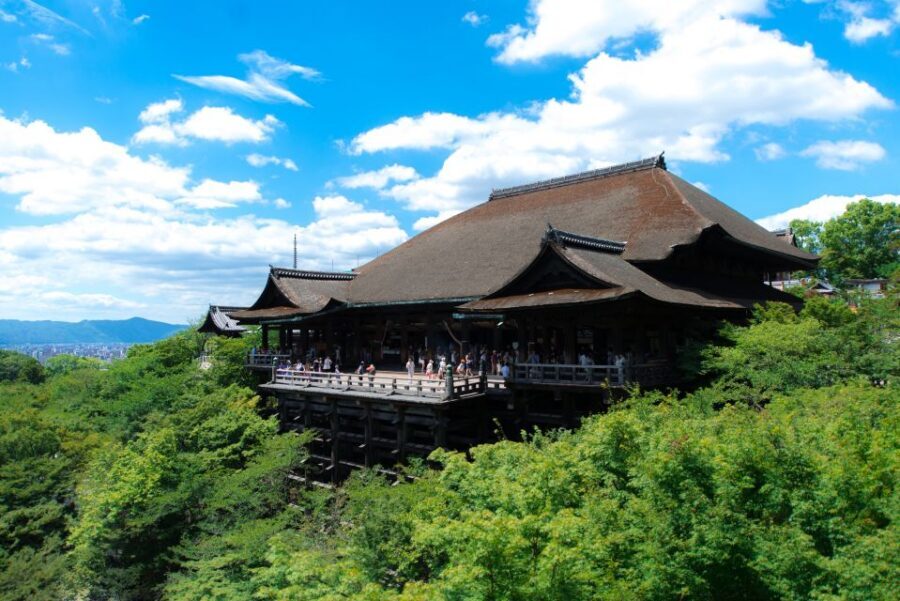
- Kiyomizu-dera UNESCO views and the veranda moment
- Gion strolls, machiya houses, and finding calm in the backstreets
- Washoku lunch time or green tea pause
- Walking, public transit, and how to make the day feel easy
- What you pay for with $459 per group (and what costs extra)
- Setting expectations so you get the kind of guide you want
- Who this Kyoto private tour is best for
- Should you book it?
- FAQ
- How long is the Kyoto personalized guided private tour?
- How many attractions will I visit?
- Where does the tour take place?
- Is hotel pickup included?
- What’s included in the price?
- What’s not included?
- Does the tour run rain or shine?
- What languages are available for the live guide?
- Can my child join?
- Is the tour private?
Key points to know before you go
- Private, tailored route: You typically visit 3 to 4 attractions based on your pace and interests.
- UNESCO Kiyomizu-dera with big views: Expect a stop at Kiyomizu-dera and its famous mountain-side setting.
- Fushimi Inari Torii gates: You’ll spend time around the thousands of red gates for a shrine experience that feels like a walk through Kyoto’s iconography.
- Gion without rushing: You get time to explore the geisha district and admire traditional wooden machiya merchant houses.
- Language options: English, French, Spanish, and German with a professional guide.
- Rain or shine walking: The tour runs in all weather, and transit stations may have limited elevators.
Why a 6-hour private guide works so well in Kyoto
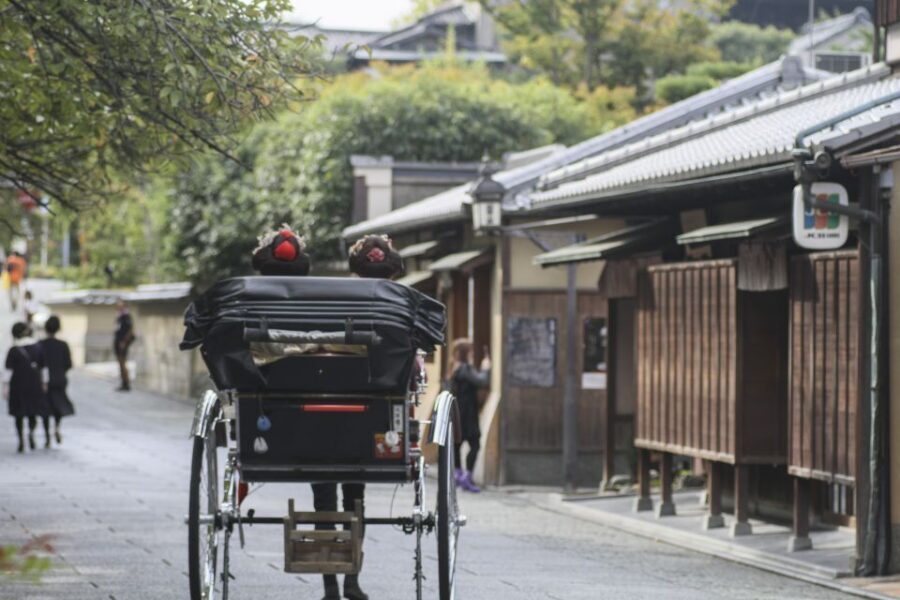
Kyoto is the kind of place where you can spend a whole day and still feel like you only skimmed the surface. This tour helps because it’s short enough to stay focused and structured enough to avoid decision fatigue.
With a private setup, you’re not trying to coordinate entrances, ticket lines, and subway stops while also figuring out what matters most. Your guide handles the flow and gives you context that makes the sights feel connected instead of random photo stops. In the reviews, guides like Taeko and Keiko were praised for covering the main highlights efficiently while also adapting to the group’s requests.
Six hours also lets you do something important in Kyoto: slow down in the right places. You’re not stuck sprinting from one landmark to the next for a checklist photo. You can linger at viewpoints, take breaks, and adjust if one area feels more interesting than you expected.
You can also read our reviews of more guided tours in Kyoto

Fushimi Inari shrine: those red torii gates at a human pace
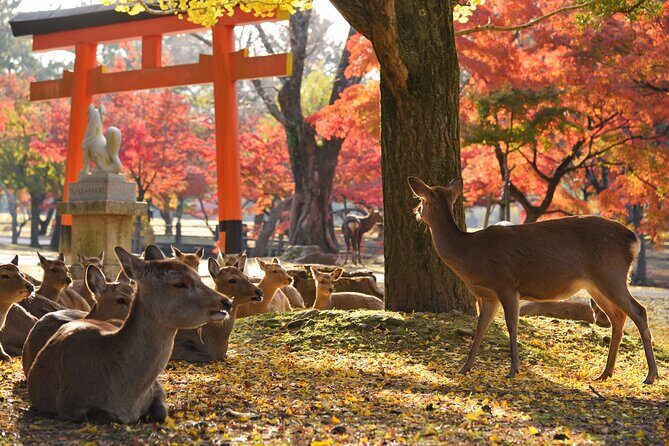
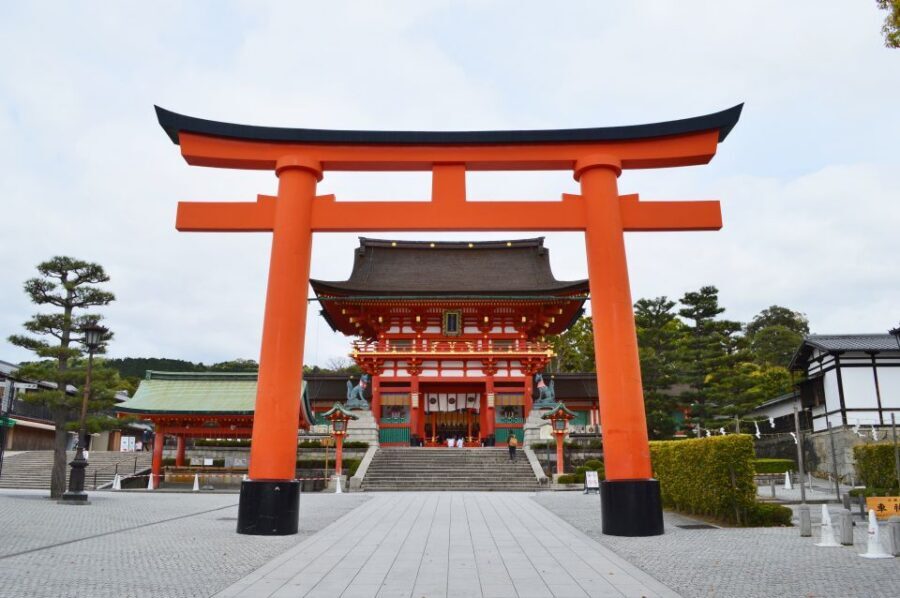
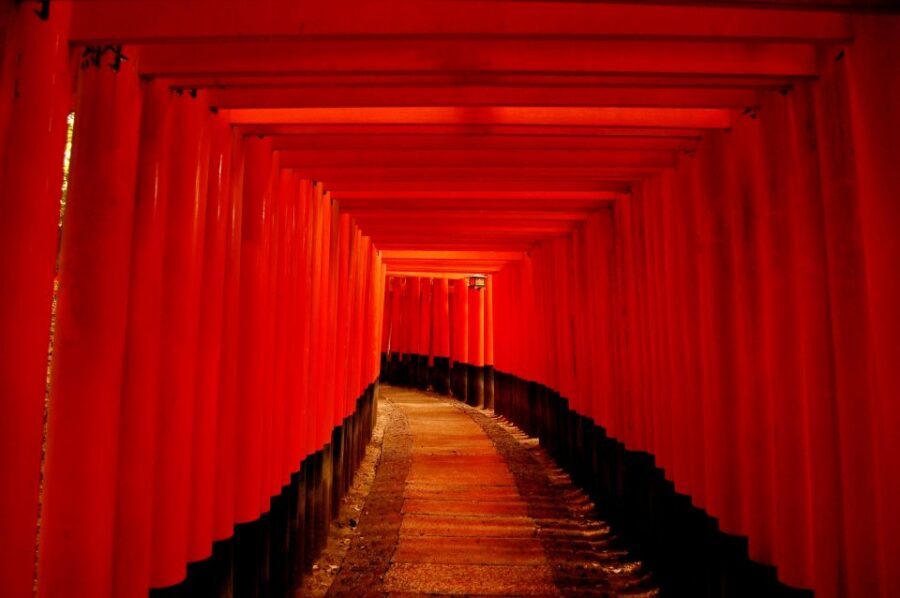
Fushimi Inari Shrine is one of those Kyoto experiences where the setting does half the work. The thousands of red torii gates create a tunnel effect that feels surprisingly intimate once you’re walking through it.
What I like about including it in a guided day is that you’re not just chasing the most obvious views. A guide can help you pace the experience—when to pause, where to look for details, and how to keep it enjoyable instead of exhausting. You’ll likely get enough time to understand why it’s more than a quick stop.
There’s also a practical benefit: your guide can help manage the transit jump to your next stop so the day stays smooth. One review praised a guide for making sure the tour ended back at Kyoto Station, which is exactly the kind of convenience you want at the end of a long day.
Golden Pavilion and the art of choosing what to notice
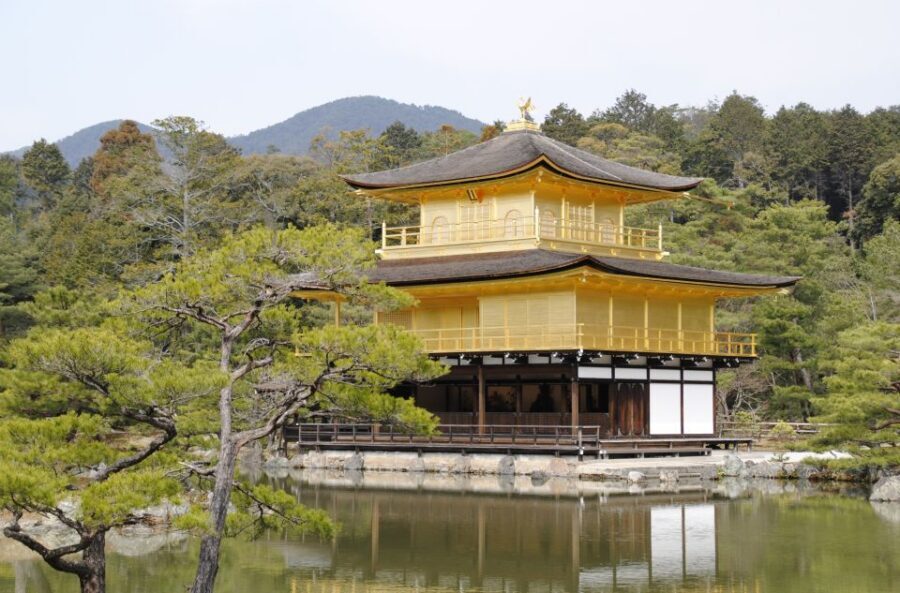
Kyoto’s Golden Pavilion is famous for a reason. Even if you’ve seen photos, being there changes the feeling—light, reflections, and the surrounding setting make the whole scene more dimensional than any postcard.
On a private tour, you’re not stuck with a one-size-fits-all explanation. Your guide can point out what tends to impress most people in the moment: how the structure sits in its environment, what visual cues to watch for, and how the location fits into Kyoto’s broader temple culture.
This is also where personalization matters. If you’re more into architecture and visual details, ask for that. If you prefer cultural context, ask for that too. The tour is built to let your guide design the day in line with your interests, and reviews show guides were willing to adjust for requests like finding a quieter temple stop or shifting the emphasis toward cultural experiences rather than pure sightseeing.
Kiyomizu-dera UNESCO views and the veranda moment
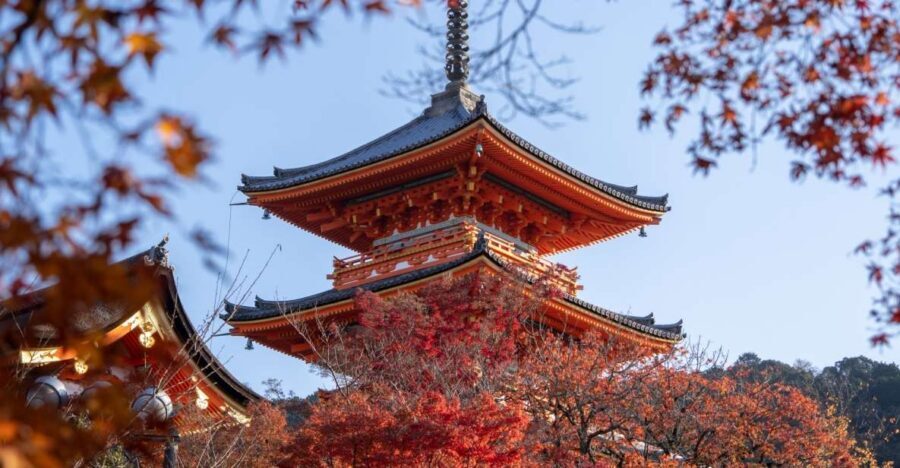
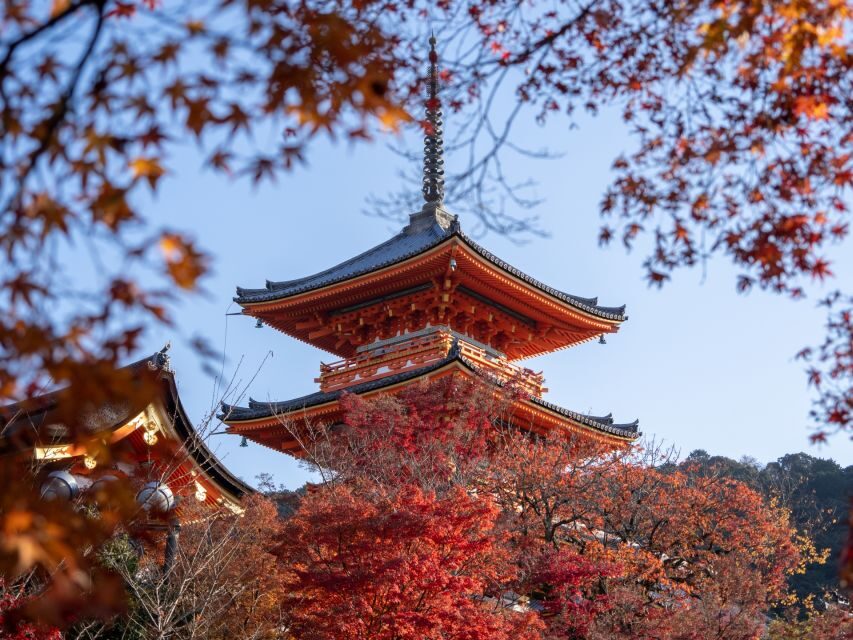
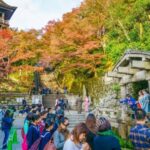
Kiyomizu-dera is the Kyoto stop you can feel in your body: the hillside setting, the temple complex, and the sense of arriving at a place that long ago became a destination. This tour includes Kiyomizu-dera, a UNESCO World Heritage site, with a large veranda area that opens up views and a dramatic sense of scale.
Here’s why I think this stop is perfect for a guided day: Kiyomizu-dera can be overwhelming if you’re trying to plan your route on the fly. A guide helps you understand what you’re looking at and how to move through the site without feeling lost.
There’s also an emotional payoff. Even if you’re not a big “temples” person, the combination of views and the temple’s position makes it hard not to slow down. And because the itinerary is flexible, your guide can adjust timing so you don’t rush through what should be a moment.
Gion strolls, machiya houses, and finding calm in the backstreets
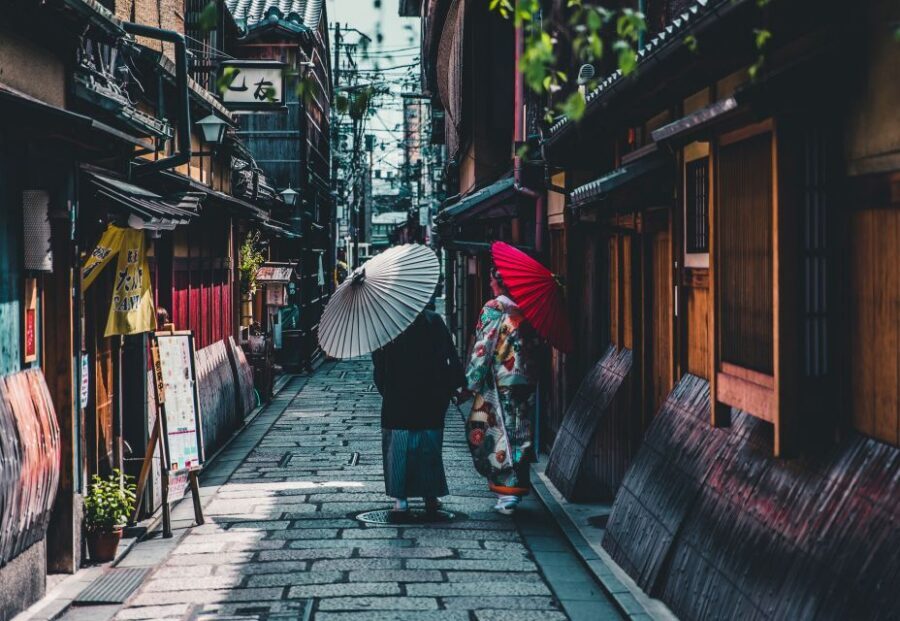
Gion is Kyoto’s most famous geisha district, and it’s easy to approach it like a theme park. A good guide keeps it grounded. You’re not just walking past buildings—you’re learning what you’re seeing as you go.
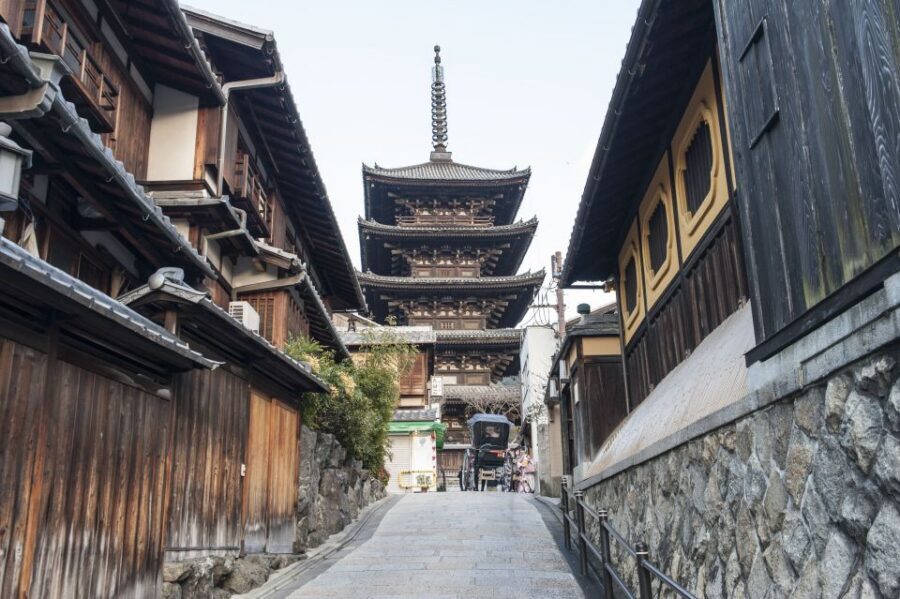
This tour includes exploring Gion and seeing traditional wooden machiya merchant houses. That matters because machiya aren’t just pretty facades. They’re a window into how neighborhoods were built for daily life, commerce, and community rhythms.
In reviews, the best experiences weren’t only about the location—they were about the tone. Guides like Yoko were praised for giving useful explanations at each stop and adapting to needs. Another example: one guide included extra cultural activities such as calligraphy and creating a miniature garden at a quieter temple stop, which is exactly the kind of detail that turns a sightseeing walk into a memory.
Just keep expectations realistic: you’ll still be in a busy, public district. If your goal is calm, tell your guide early. They can often shape the walk so you get quieter moments rather than only the busiest streets.
You can also read our reviews of more private tours in Kyoto


Washoku lunch time or green tea pause
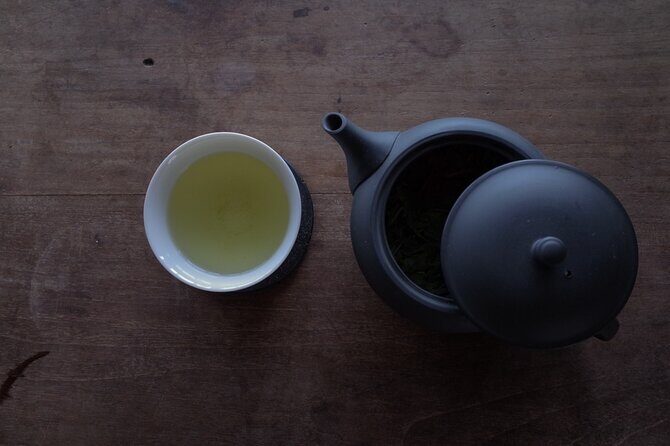
Food breaks are where Kyoto becomes personal. This tour gives you options: you can stop for a washoku Japanese restaurant meal or take time for green tea if that fits your interests.
I like that the tour doesn’t force a single food plan. People come to Kyoto for different reasons—some want culinary experiences, others want a short, scenic reset. Either way, you get a chance to slow the pace and recharge without losing momentum on the itinerary.
Do note one important limitation: lunch for you (and for the guide) is not included. That’s normal for a personalized day, but it does mean your budget should include at least a meal cost and any drinks you choose.
Walking, public transit, and how to make the day feel easy
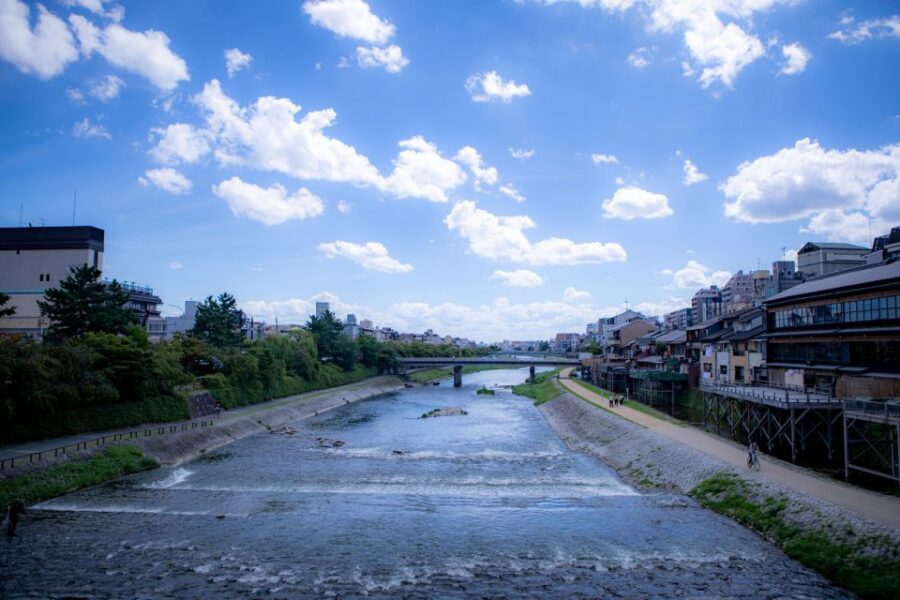
This is a six-hour day built on walking plus public transportation. That combination is what makes it feel local, but it does require your help.
The tour runs rain or shine, so pack for weather. Comfortable shoes are a must, because you’ll be doing enough steps to make footwear matter. Also plan for transit stations that have limited elevators or escalators. The guidance is straightforward: let your guide know if you prefer avoiding stairs, and they’ll account for it as best they can.
There’s one more practical win: the tour includes hotel pickup. Waiting in the lobby at your scheduled pickup time saves you from the stress of figuring out your exact meeting point while you’re already tired.
Finally, because it’s private, you can ask for small pacing adjustments without feeling like you’re slowing a larger group down. If you need breaks, speak up early.
What you pay for with $459 per group (and what costs extra)
At $459 per group up to 1, this is not a bargain-bin tour. You’re paying for a few things you can’t easily DIY without time and stress: a professional guide designing the route, pickup, and guide transportation costs on public transport.
Here’s the value breakdown as I see it:
- You get a professional guide who connects sites into a coherent story instead of leaving you to figure it out.
- You get personalized pacing, usually landing on 3 to 4 attractions in six hours.
- You get hotel pickup, which is a real convenience in Kyoto.
And here’s what you should budget separately:
- Lunch is not included.
- Your transportation is not included.
- Entrance fees for guests (and for the guide) are not included. The note says most tourist sights are free for the guide, which helps, but you should still expect some guest-paid fees depending on what you choose and what’s charged on the day.
If you’re traveling solo or as a small group that wants a tight, meaningful day, paying for the guide can actually be good value. If you love planning and you’re comfortable using transit and buying tickets yourself, you may feel the cost more than the benefit. The decision comes down to how much you want your day to be effortless.
Setting expectations so you get the kind of guide you want
The reviews show a clear pattern: the best days happen when the guide understands what the guest wants. Taeko and Keiko were praised for covering interesting places and giving context that people wouldn’t get alone. Yoko was praised for kindness and adapting to requests like a quieter temple experience and cultural activities.
That said, one review had a different experience—less explanation than expected. This is your cue to set expectations fast.
If you want history, tell the guide before you start that you want more background and stories. If you want photos and viewpoints, say that too. If you want cultural hands-on time, ask if there’s room for extras like calligraphy or a miniature garden-type activity (some guides have added these when timing allows).
Also, the language matters. The tour runs with English, French, Spanish, or German guides. During busy seasons (March through May, and September through November), availability for some languages may be limited, so plan ahead.
Who this Kyoto private tour is best for
This tour fits you if:
- You want a personalized route instead of a fixed group itinerary.
- You care about context and culture, not just photos.
- You’re staying in Kyoto long enough to make one day feel “focused.”
- You prefer having someone handle navigation and timing so you can relax.
It’s not the best fit if:
- You dislike walking and public transit.
- You want a totally independent, low-cost day plan.
- You’re looking for a deep dive into every topic—this is designed for a short, balanced day with adaptable stops.
Should you book it?
I’d book this Kyoto private tour if you want a smooth day that hits Kyoto’s core highlights—Fushimi Inari, Kinkaku-ji (Golden Pavilion), Kiyomizu-dera, and Gion—while still feeling personal.
It’s especially worth it if you’re the type of traveler who likes to understand what you’re seeing. The guide element is the whole point here, and the reviews reflect that many guides (like Taeko, Yoko, Toshi-San, and Keiko) were strong at adapting to what guests asked for and adding meaningful context. If you do book, send your priorities early and ask for the explanation level you want. That’s the simplest way to get the day you imagined.
FAQ
How long is the Kyoto personalized guided private tour?
It runs for 6 hours.
How many attractions will I visit?
You can visit 3 or 4 attractions, depending on your pace and interests.
Where does the tour take place?
This tour is in Kyoto, on Honshu, Japan.
Is hotel pickup included?
Yes. You’ll be picked up from your hotel, and you should wait in the lobby at your scheduled pickup time.
What’s included in the price?
The tour includes hotel pickup, guiding by a professional guide, and the public transportation fee for the guide.
What’s not included?
Lunch for guests and the guide is not included, your transportation is not included, and entrance fees for guests and the guide are not included.
Does the tour run rain or shine?
Yes, it takes place rain or shine.
What languages are available for the live guide?
English, French, Spanish, and German.
Can my child join?
Children under 5 years old can participate free of charge.
Is the tour private?
Yes. It’s a private group experience.