REVIEW · NARA
Nara Private Day Trip – Enjoy Your First-Time Visit to Nara!
Book on Viator →Operated by OTOMO Travel Guide · Bookable on Viator
A first trip to Nara flies by when someone else handles the flow. This private day trip is built around the big hitters—Todai-ji and Kasuga Taisha—and it keeps you moving at a human pace, with time for photos and small detours like the Todai-ji area market. What I like most is the way you get a clear order for the sights and the chance to swap in extra stops based on what you care about. The only real drawback to note is cost: entrance fees and transportation are on you, and some places don’t take credit cards.
You’ll start at Nara Station (Sanjo-honmachi) and finish at Kintetsu-Nara Station, so it’s easy to keep your day simple after the temples. The tour is private, so it’s just your group with a guide, and there’s even a mobile ticket. If weather turns ugly, expect route changes and possible destination swaps.
In This Review
- Key things that make this Nara private day trip work
- A smooth 6 hours in Nara City (and why that matters)
- Kofuku-ji Temple: pagoda views and statue-filled halls
- Izasa-Nakatani-hompo Yumekaze-hiroba: lunch and souvenirs with zero stress
- Todai-ji Temple and the Great Buddha: the main event
- Nigatsu-do: a short stop with a big architectural moment
- Kasuga Taisha in Nara Park: deer, shrine rituals, and calm pacing
- Choosing extra stops: when you want more than the basics
- Price and value: what you’re paying for, and what to budget
- Tickets, cash, and comfort tips that keep the day easy
- Start at Nara Station, end at Kintetsu-Nara Station
- The guide can shape the whole feeling of the day
- Who should book this private Nara day trip?
- Should you book? My honest take
- FAQ
- FAQ
- How long is the Nara private day trip?
- What’s included in the price?
- What’s not included?
- Which places do you visit on the standard plan?
- Is there a lunch stop?
- Where does the tour start and end?
- Do I need cash?
- What happens if the weather is bad?
- Is free cancellation available?
Key things that make this Nara private day trip work
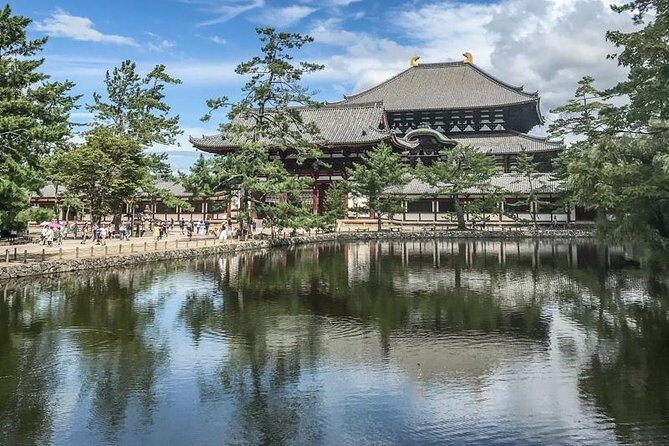
- A first-timer-friendly hit list: Todai-ji, Kofuku-ji, Nigatsu-do, Kasuga Taisha, and the classic Nara Park area.
- Private guide, not a lecture: your guide can point out what matters and adjust the emphasis if you want more walking or more quiet.
- Food and souvenirs without the hassle: a stop at Izasa-Nakatani-hompo Yumekaze-hiroba near Todai-ji gives you easy lunch options.
- Flexible add-on choices: there are customizable spots like Naramachi, museums, and historic sites if you want extra variety.
- A practical end point: ending at Kintetsu-Nara Station helps you continue your trip without backtracking.
A smooth 6 hours in Nara City (and why that matters)
This tour is designed for one-day Nara comfort. Six hours isn’t enough to see everything deeply, but it’s enough to cover the main temples and shrine areas so you leave with a real sense of what Nara is.
Because it’s private, you’re not stuck with a rigid pace full of stop-and-go crowd control. You get a guide who can help you read the sites as you go—what you’re looking at, why it mattered, and how to spend your limited time. That’s especially useful in Nara, where temple complexes and shrine grounds can feel like they stretch forever once you’re inside.
The big thing to plan around is money and cash. Entrance fees are not included, and some stops don’t accept credit cards—so you’ll want to carry enough yen to cover tickets and any extra snacks you decide you deserve. Comfortable shoes are also non-negotiable. You’ll be walking a lot.
You can also read our reviews of more private tours in Nara
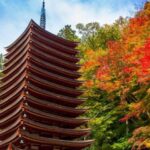
Kofuku-ji Temple: pagoda views and statue-filled halls
You’ll begin with Kofuku-ji Temple, one of the most important names in Nara city alongside Todai-ji. What I love about starting here is that it sets the tone: big temple energy, wide grounds, and that sense of Nara as an old capital that still feels alive.
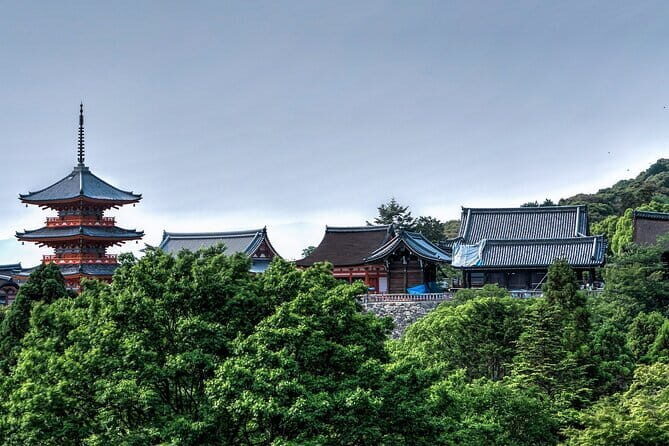
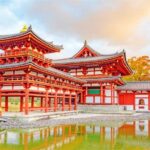
Kofuku-ji is known for having many Buddhist statues, and it’s also famous for the five-story pagoda on its grounds. Even if you’re not trying to memorize every detail, you’ll likely feel the scale right away. A temple like this makes you understand why Nara became a major religious center.
The time on site is about 50 minutes. That’s long enough to get key photos and wander without feeling rushed, but short enough that you won’t burn your whole day before Todai-ji. If you want slower, more reflective pacing, tell your guide early so they can adjust later stops accordingly.
Izasa-Nakatani-hompo Yumekaze-hiroba: lunch and souvenirs with zero stress
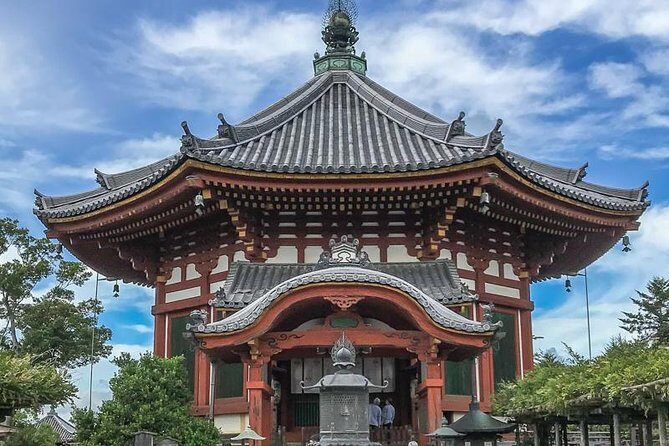
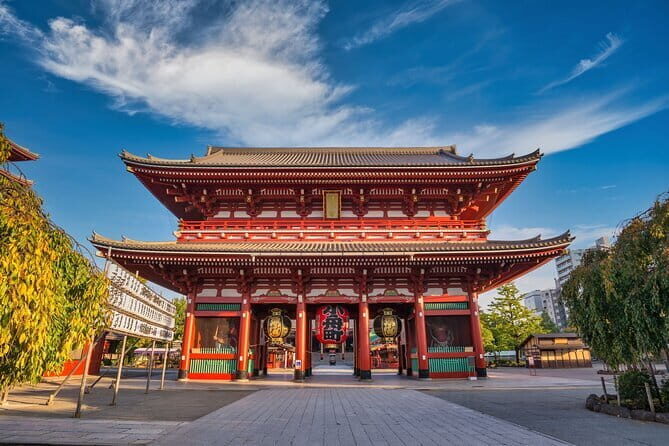
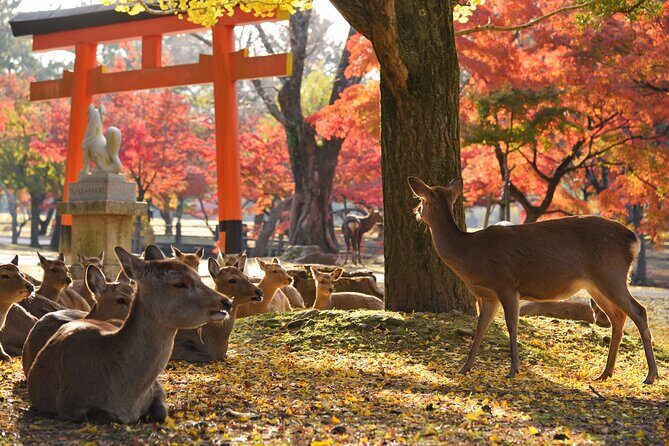
Next comes a practical break: Izasa-Nakatani-hompo Yumekaze-hiroba, a small market area right in front of Todai-ji’s gate. This matters because Nara is famous for temples, but you still need real food and a place to reset.
This is where you can grab lunch at restaurants and cafes nearby, and it’s also a good spot for Nara Prefecture souvenirs. If you don’t want to fight for convenience later, this is an efficient moment to do both eating and shopping.
The stop is about 50 minutes, and it’s designed as a light, easy pause rather than a deep market crawl. One practical tip: even if you plan to eat later, do a quick scan of what’s available here first. You can often avoid the classic problem of arriving hungry to a temple area where food choices are limited.
Todai-ji Temple and the Great Buddha: the main event
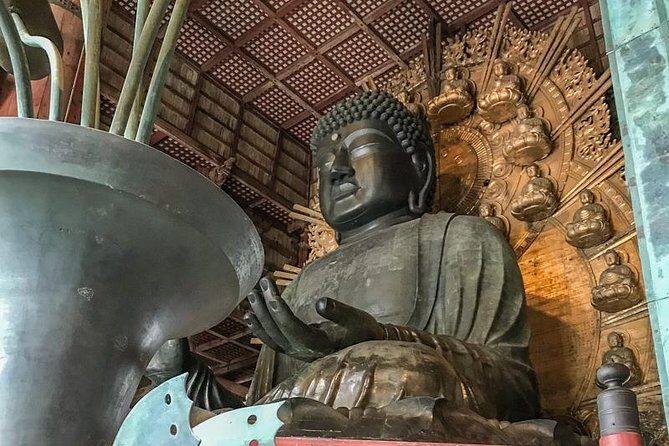
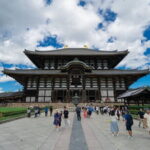
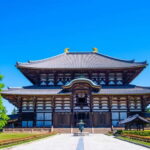
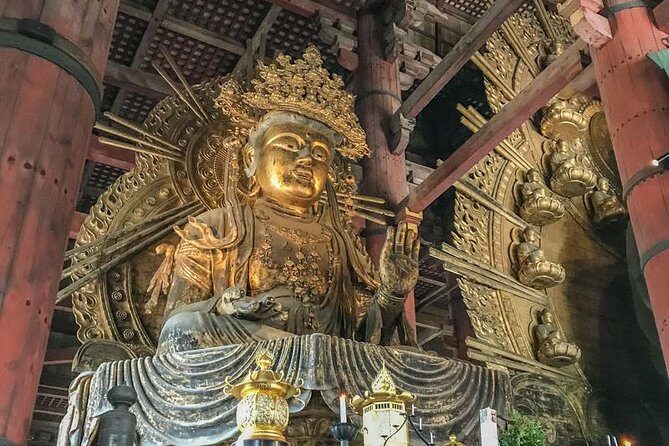
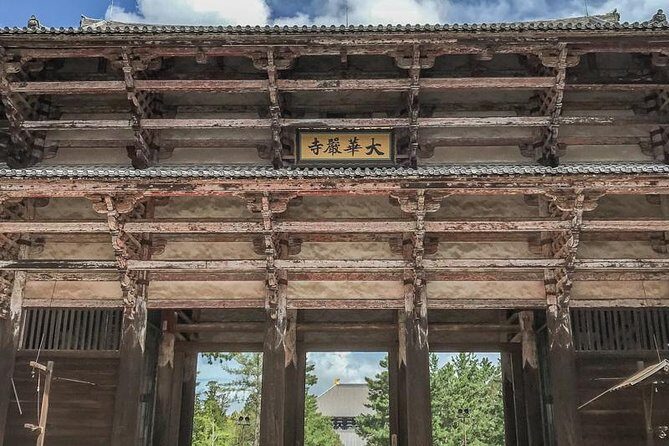
Then you hit Todai-ji Temple, the one most first-timers come to see. Todai-ji is famous for the towering Great Buddha of Nara, and the size is the point. This is the kind of sight that makes scale feel real—not just a picture in your camera roll.
The Great Buddha is said to have been constructed about 1,300 years ago with the aim of peace and salvation for the people. You don’t need a degree in history to feel why that message stuck. The structure and the presence of the Buddha make the whole complex feel like it was built to last in both stone and meaning.
You’ll spend about 1 hour here. That’s a solid window if your goal is to see the highlights rather than chase every corner. If you’re the type who likes to read small plaques and absorb atmosphere, ask your guide what’s most worth your time so you don’t lose momentum.
Nigatsu-do: a short stop with a big architectural moment

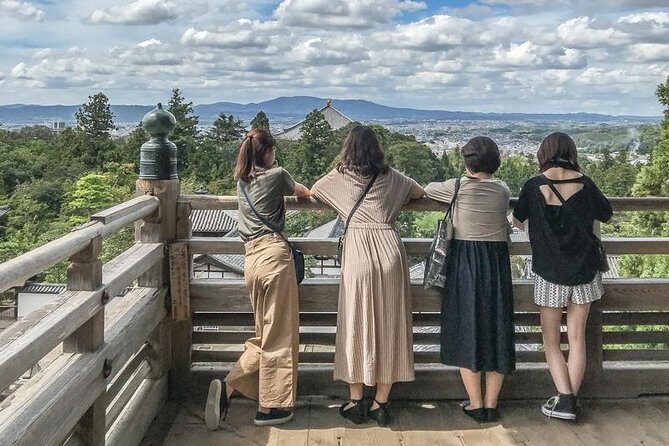
Inside the Todai-ji complex area, you’ll also visit Todai-ji Nigatsu-do, a suspended temple hall. This part is quick—about 20 minutes—but it can be one of the most memorable moments because the building juts out dramatically from a cliff.
It represents a pure land concept associated with the main deity, Kannon Bodhisattva. Even if you keep it simple and just enjoy the views and the unusual structure, this is where the trip feels less like a checklist and more like a story.
A good strategy here is to pause, look at the structure from different angles, and then take your photos. When you only have a short window, you want your time to count. If you’re prone to rushing, let your guide know you’d like a slower photo stop.
A few more Nara tours and experiences worth a look
Kasuga Taisha in Nara Park: deer, shrine rituals, and calm pacing
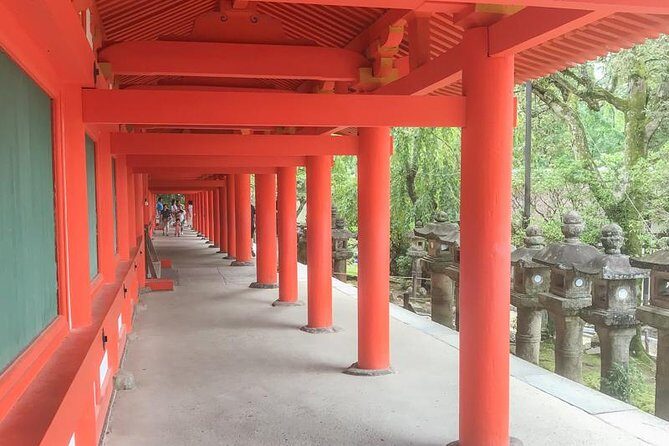
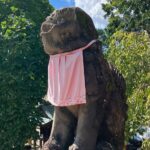
After Todai-ji, the tour shifts into Kasuga Grand Shrine, located in Nara Park. This is where you’ll likely feel the open-air change from heavy temple halls to a more spacious shrine setting.
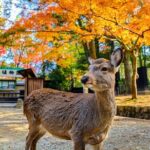
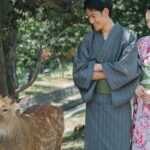
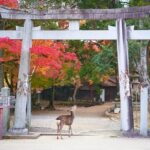
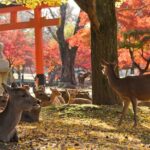
Kasuga Taisha is dedicated to ancestral deities of the Fujiwara clan, one of Japan’s renowned noble families. The shrine is also famous for the deer in Nara Park, which are considered messengers of the deities. Even if you’ve seen deer in photos before, seeing them in the actual shrine environment changes the whole feel.
You’ll spend about 1 hour 10 minutes here. That extra time is important because Kasuga Taisha isn’t just one building—it’s a space where you can walk, look, and adjust to the pace of the park. If you want the classic deer-sighting photos, this is your window to do it calmly rather than sprinting.
Choosing extra stops: when you want more than the basics
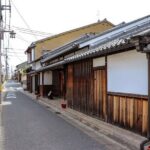
The standard focus hits the most famous sights, but this tour also supports customization. Depending on what you select, you might add places like Naramachi District (historic neighborhood feel) or museums such as Isuien & Neiraku Museum. You could also go for historic sites and temple halls including places like Heijo Palace Site Historical Park or Yakushi-ji Temple.
If you’re a first-time visitor, you can keep it tight and stick to the core stops. But if you have a specific curiosity—architecture, gardens, old streets, or quiet temple halls—customizing is where you get value.
Here’s the key practical move: decide what you want more of. If you already love temples, add more temple stops. If you want variety, add the historic street and museum-style stops. And if you want that slightly adventurous, forest-and-shrine vibe that some guides can shape into the day, tell your guide you like walking and views so they can aim your route that way.
Price and value: what you’re paying for, and what to budget
The tour price is $97.73 per person, and that’s for the private format plus a tour guide. What’s not included is just as important: transportation fees, entrance fees, lunch, and other personal expenses.
There is also an estimated cost for the pre-planned must-sees portion: 4,600 JPY per traveler. You’ll also see examples like the Kofuku-ji Temple entrance fee at 1,800 JPY per person. Other entrance fees may apply depending on what you choose and what’s open that day.
So how do you judge value? Here’s the honest way I’d think about it:
- You’re paying for time saved—someone else handles the ordering and pacing.
- You’re paying for reduced stress—especially with cash and ticket needs.
- You’re paying for flexibility—because you can choose additional stops.
If you’d otherwise have to coordinate yourself across multiple major temple sites, negotiate transit, and figure out where to eat, this private guide can be worth it fast. If you’re traveling ultra-budget and you don’t mind planning everything, you might find self-guided cheaper. But if you want your one Nara day to feel smooth, this is a good format for the price.
Tickets, cash, and comfort tips that keep the day easy
This tour uses a mobile ticket, and confirmation is received at booking time. That’s helpful because you won’t be scrambling for paper vouchers.
Still, do expect cash needs. Some visited spots do not accept credit cards, so it’s smart to bring yen specifically for entrances and small purchases. It’s also common to want extra snacks and drinks once you’ve walked a few hours—especially when you’re around major temple gate areas where you might suddenly decide lunch needs a second option.
Wear comfortable clothing. You’ll be walking a lot, and you’ll likely spend time standing in temple and shrine areas waiting for the right angle, shade, or quiet moment. If you’re sensitive to stairs or long slopes, tell your guide what your limits are. A good guide can often adjust without sacrificing the big sights.
Also remember: if weather is bad, routes and destinations may change. If you’re traveling in rainy season, pack a small umbrella or light rain layer and keep your expectations flexible.
Start at Nara Station, end at Kintetsu-Nara Station
Your meeting point is Nara Station (Sanjohonmachi, Nara, 630-8122), and the tour ends at Kintetsu-Nara Station. That’s convenient because both stations connect to onward travel plans.
There’s also a helpful note: the finishing spot is different from the starting spot. If you want to change where you end, let your guide know. This can matter if you’re heading straight to a hotel near one station or if your next plan is timed around a specific departure.
If you’re comparing days in Nara, this matters more than it sounds. A tour that forces you to backtrack can quietly eat up the day. Ending at the other station helps keep you on schedule.
The guide can shape the whole feeling of the day
One thing I really like about this experience model is that the guide isn’t just there to escort you. Guides can tailor your emphasis and help you get where you want to be.
In the feedback for this tour, Kyoko gets strong praise for taking people exactly where they wanted to be in Nara and for paying close attention to details. That kind of guidance is exactly what turns a checklist day into something with flow—especially when you’re walking through multiple major sites and still want moments that feel personal.
If your ideal day is calm, scenic, and a little adventurous, say so. If your ideal day is photo-heavy and efficient, say that too. The more clearly you tell your guide your vibe, the better the day tends to feel.
Who should book this private Nara day trip?
This tour is best for:
- First-time visitors who want Todai-ji and Kasuga Taisha without guessing where to go next.
- People who prefer a private format and don’t want the hassle of crowd navigation.
- Travelers who want a mix of temple, shrine, and local food/souvenirs, with optional add-ons if you still have energy.
- Anyone who values practical guidance and pacing, especially if you’re working with limited time.
It may be less ideal if you’re trying to keep costs ultra-low, or if you don’t want to handle cash for entrance fees. Also, if you want a very slow, very in-depth study day with long stays at fewer sites, this 6-hour structure may feel tight.
Should you book? My honest take
If you have one day in Nara and you want it to feel organized, this private trip is a smart choice. You get the main temples—Kofuku-ji, Todai-ji, Nigatsu-do, and Kasuga Taisha—plus an easy lunch and souvenir stop near the big temple gate. The private guide helps you turn a potentially chaotic day into a smooth route with the right timing.
The decision comes down to your style. If you’re happy paying for convenience and you want to maximize your first Nara day, book it. If you’re cost-focused and you’re comfortable planning and ticketing yourself, you could DIY. But for most first-timers, paying for a guide and a built-in plan is the fastest path to feeling like Nara actually clicked.
FAQ
FAQ
How long is the Nara private day trip?
It runs about 6 hours.
What’s included in the price?
The tour includes a private tour and a tour guide.
What’s not included?
Transportation fees, entrance fees, lunch, and other personal expenses are not included.
Which places do you visit on the standard plan?
The standard highlights are Kofuku-ji Temple, Todai-ji Temple, Todai-ji Nigatsu-do, and Kasuga Taisha Shrine, plus a market stop at Izasa-Nakatani-hompo Yumekaze-hiroba near Todai-ji.
Is there a lunch stop?
Yes. You’ll stop at Izasa-Nakatani-hompo Yumekaze-hiroba, where there are restaurants and cafes you can use for lunch.
Where does the tour start and end?
It starts at Nara Station (Sanjohonmachi) and ends at Kintetsu-Nara Station.
Do I need cash?
Some spots don’t accept credit cards, so it’s a good idea to bring cash for entrance fees and purchases.
What happens if the weather is bad?
If weather is bad on the day, transportation, destinations, and routes may be changed.
Is free cancellation available?
Yes. You can cancel up to 24 hours in advance for a full refund.