REVIEW · HIROSHIMA
Hiroshima: Acupuncture and Japanese unique massage treatment
Book on GetYourGuide →Operated by 鍼灸院・整体院kondoh · Bookable on GetYourGuide
Need relief without the crowd?
In Hiroshima, this is a fully private acupuncture and Japanese chiropractic-style session that mixes traditional needling with a gentle “nerve chiropractic” approach. Two things I really like: the professional, nationally qualified practitioners and the calm, one-on-one setup (including disposable needles). One consideration: the clinic lists Japanese as the working language, so if you don’t speak it, plan for extra patience during questions and check-ins.
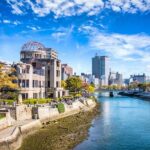
What makes this feel genuinely local is the treatment style. You’ll do intake first, then a hands-on session that aims at both stubborn pain and travel fatigue, including moxibustion for warming points and a chiropractic method designed to feel light and comfortable. You’re also near the Atomic Bomb Dome area, so this can be a real reset after a long sightseeing day.
In This Review
- Key things to know before you book Kondoh in Hiroshima
- Hiroshima’s quiet reset: what the private room is really like
- The appointment flow: questionnaire, exam, explanation, then treatment
- Acupuncture in Japan: disposable needles and moxibustion you control
- Japanese chiropractic / seitai: the “nerve chiropractic” approach
- Treatment for travel fatigue: what to do with the day’s stiffness
- How much does it cost? The value of 90–120 minutes of targeted care
- Who this is best for (and who should think twice)
- Before you go: small prep that makes the session work better
- Should you book it in Hiroshima? My practical take
- FAQ
- How long is the treatment?
- How much does it cost?
- Is this a private room?
- Does the session include acupuncture and moxibustion?
- What is the Japanese chiropractic-style treatment called?
- What language is used during the experience?
- Can I get a full refund if plans change?
Key things to know before you book Kondoh in Hiroshima
- Private room, one-on-one support so you’re not sharing space or attention.
- Disposable needles plus moxibustion adjusted to comfortable heat on the acupoints.
- Nerve chiropractic (seitai) style described as gentle and low-stress.
- Accompanying person option includes a dedicated waiting area and machine-assisted leg massage.
- Treatment is reservation-only with no waiting around once you arrive.
- Japanese language setting is listed, so you’ll want to be ready to communicate in Japanese.
Hiroshima’s quiet reset: what the private room is really like
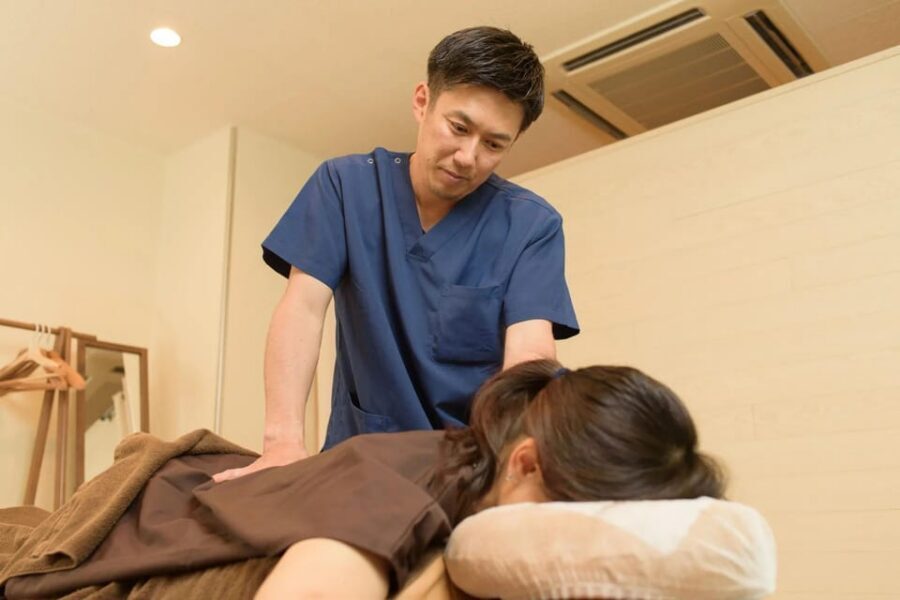
This experience is built around one simple idea: you should be able to relax while someone carefully works with your body. Instead of a shared treatment room, you get a private room and one-on-one support throughout. That matters in a place like Hiroshima where you might spend your day walking, climbing stairs, and feeling your body “tighten up” without realizing it.
The session also centers on recovery. The clinic is positioned so you can pair it with sightseeing in the Atomic Bomb Dome area, then return to a warm, quiet space that feels far removed from the day’s intensity. If you’re the type who likes to end travel days with something practical (not just a meal and bed), this is a solid match.
And yes, the clinic experience is very “Japan” in the small ways that count: clean setup, careful intake, and treatment that follows a clear procedure rather than rushing you through.
You can also read our reviews of more tours and experiences in Hiroshima.
The appointment flow: questionnaire, exam, explanation, then treatment
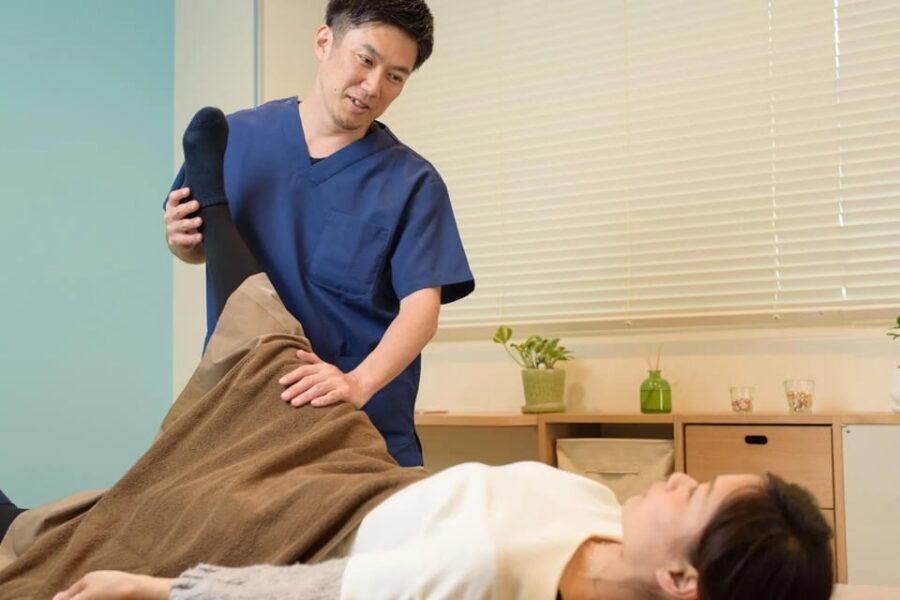
The experience follows a structured sequence, which I appreciate because it keeps your brain from spinning. You start with a medical questionnaire and counseling, then move into a physical condition check. After that, the practitioner explains the treatment policy so you know what’s coming and why.
Once you’re ready, the hands-on part begins: acupuncture and chiropractic-style techniques. Then you finish with post-treatment confirmation and daily-life precautions—the kind of guidance that can help your body hold onto the benefits instead of returning to old habits within a day.
In plain terms, you’re not just lying down and hoping for the best. You’re listening, answering questions, and getting feedback, even during a fairly relaxed session.
Acupuncture in Japan: disposable needles and moxibustion you control

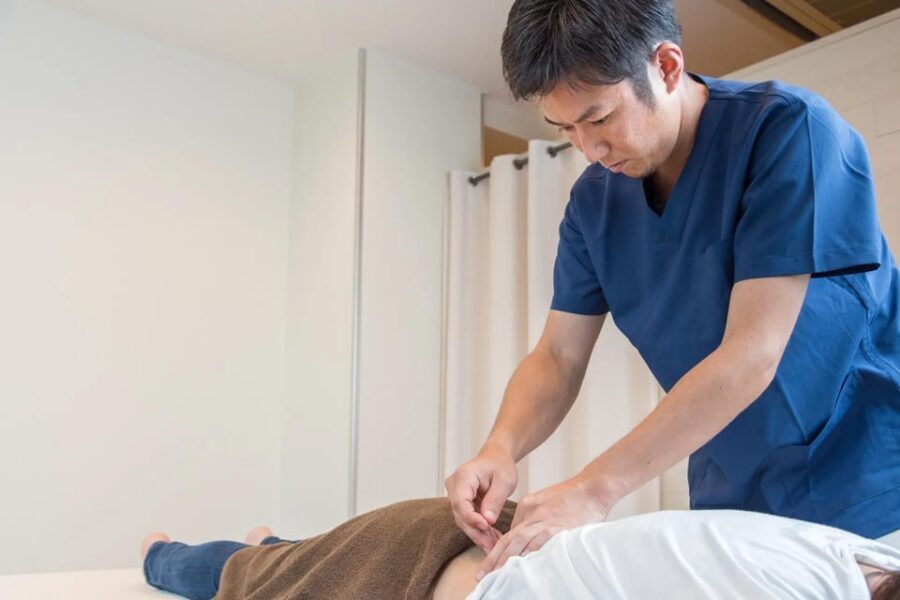
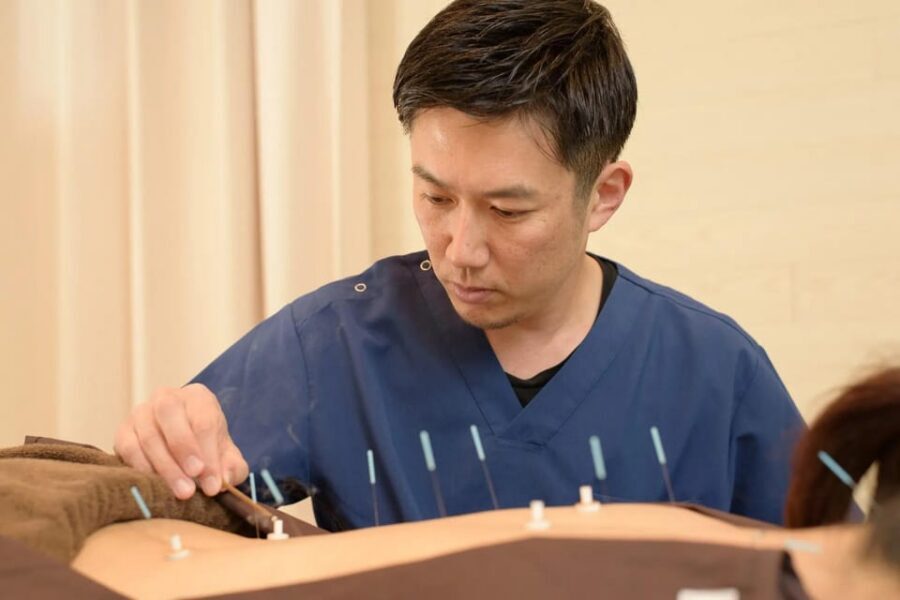
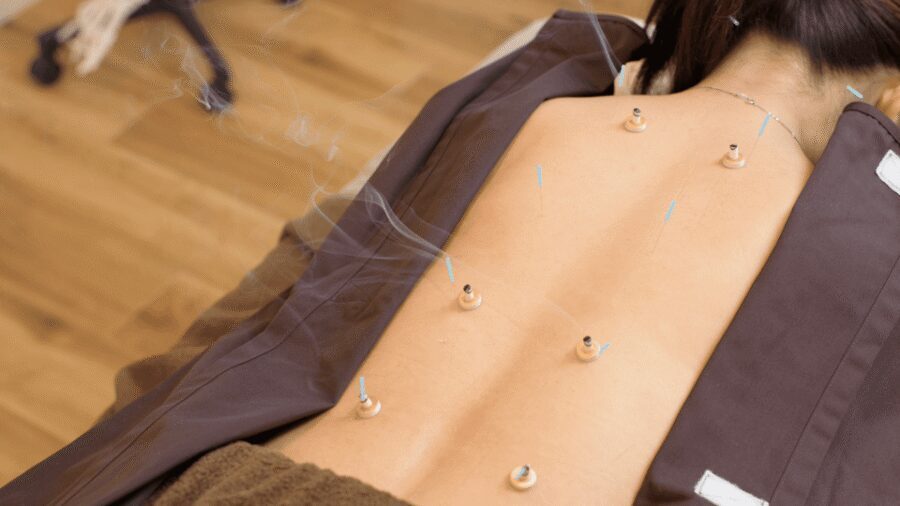
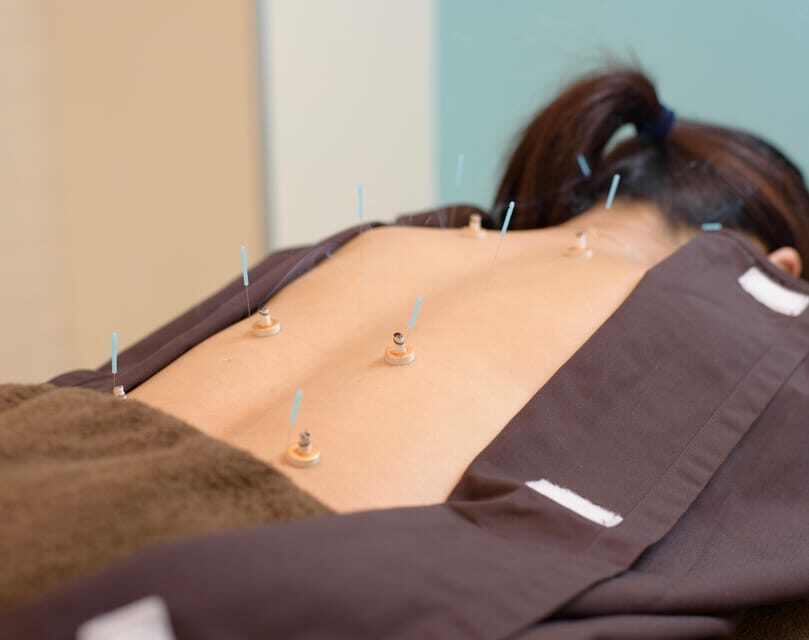
Acupuncture here isn’t presented like a mystery ritual. You’ll fill out your questionnaire, explain what hurts (or what feels off), and then the practitioner uses needles and moxibustion on acupoints across the body.
Here’s what stands out in the treatment description: the moxibustion heat is adjusted to a comfortable level. That’s important. Heat can feel soothing, but if it’s too intense you won’t relax, and relaxation is part of what makes the technique work well. If you’re sensitive to heat or unsure the first time, this “adjusted to comfort” point is worth paying attention to.
What you might feel during acupuncture can vary—some people notice a mild tingling or pressure. Others mostly feel calm. The clinic frames it as helping your body feel the flow of energy (often described as chi), but even if you don’t focus on that language, the practical goal is the same: target points, reduce tension, and support recovery.
If you’ve never had acupuncture, one of the best signs is that the clinic positions this as a confidence-building experience. A first-timer mentioned the treatment helped their back and neck, which matches the kind of pain patterns acupuncture is commonly used for.
Japanese chiropractic / seitai: the “nerve chiropractic” approach
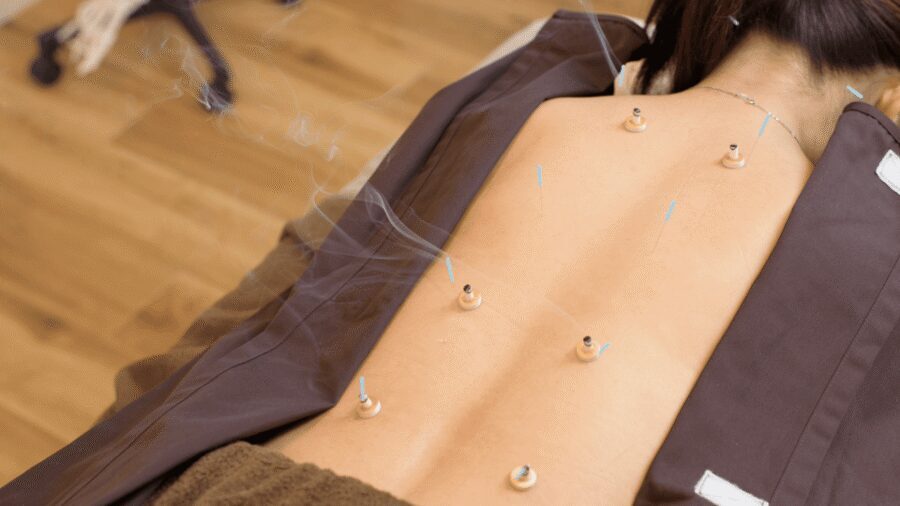
Alongside acupuncture, you’ll get a Japanese chiropractic-style treatment called nerve chiropractic, described as gentle and comfortable. The clinic’s framing is that this method can be used regardless of age, gender, or chronic illness.
The big claim you should understand is comfort. It’s not “manhandle your spine” care. The clinic describes the experience as feeling like you’re in zero gravity—that’s their way of saying the body may feel supported and light rather than stressed.
In terms of the goal, they connect this approach to restoring normal nerve function and muscle movement so you can regain better day-to-day performance. Even if you don’t buy into the exact wording, think of it as a targeted, lower-stress way to address stiffness and tight movement patterns—especially those that build up after travel.
A really useful detail from one experience: a massage component may not be the longest part of your time. One person felt the massage portion was a bit short, yet still found the overall flow helpful and informative. So if your main goal is an extended “soak and knead” massage, go in knowing this is more treatment-focused than spa-focused.
Treatment for travel fatigue: what to do with the day’s stiffness
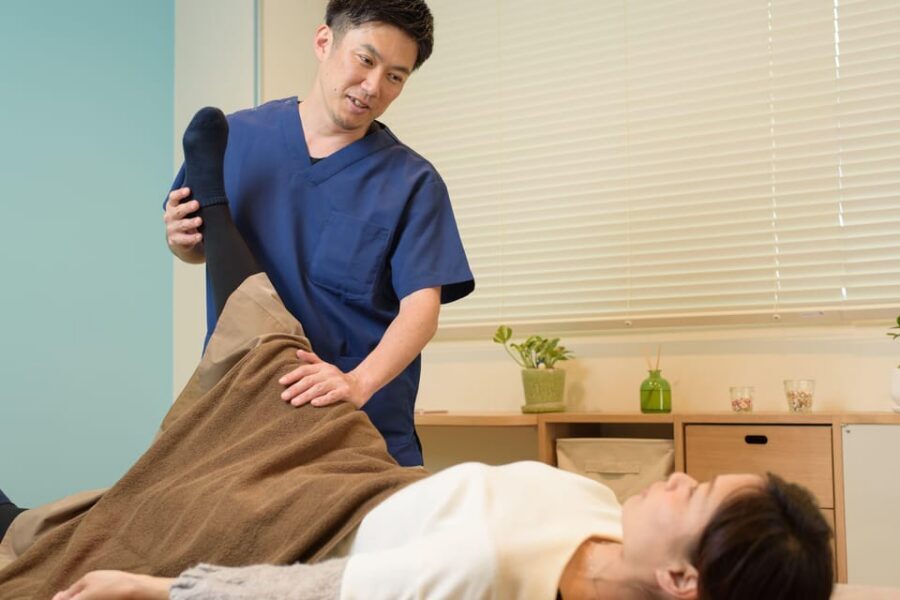
This is one of those experiences that fits travel reality. After a day of walking and sightseeing, your body often doesn’t feel like one big problem. It feels like many smaller ones: stiff neck, tight shoulders, low-back soreness, sore legs from stairs, and general “heavy” fatigue.
The clinic explicitly positions the session for chronic body pain and also for healing a tired body after travel. That’s not just marketing copy—it matches the session mix: warming moxibustion, needling across the body, and gentle chiropractic-style work aimed at nerve and muscle function.
If you’ve been sitting in transport, dragging a suitcase, or sleeping in unfamiliar beds, this kind of reset can help you wake up feeling less “stuck.” Just keep expectations realistic: you’re improving comfort and mobility, but you’re not replacing medical care for serious conditions.


How much does it cost? The value of 90–120 minutes of targeted care
The pricing structure is time-based:
- 50 minutes: 13,200 yen
- 90 minutes: 17,800 yen
- 120 minutes: 24,800 yen
The listing you’re considering is about $95 per person, which lines up with the 90-minute tier at typical exchange rates. Price-wise, this is not the cheapest kind of massage you’ll find in Hiroshima—but it’s also not trying to be a luxury hotel spa.
Here’s how I judge value for this kind of treatment: you’re paying for (1) a private setting, (2) an intake process with examination and explanation, and (3) two therapy styles in one appointment—acupuncture with moxibustion plus nerve-style chiropractic. A lot of “massage-only” options don’t include that structured assessment.
If you have a specific pain area (like your back and neck), the extra time can help the practitioner work through more targeted points and body areas. If you’re mainly trying to feel looser after travel, 90 minutes may be plenty. If you want the most time for the full mix, the 120-minute option is where you give yourself extra breathing room.
Who this is best for (and who should think twice)
This appointment makes sense if you:
- want hands-on treatment rather than just relaxation,
- are open to acupuncture and moxibustion (with comfortable heat adjustment),
- like a clear, step-by-step process with counseling and precautions,
- have travel fatigue or persistent stiffness you want to address calmly.
It’s also a good fit for pairs because the clinic mentions support for an accompanying person: your companion can receive machine-assisted leg massage in a dedicated waiting room while you’re in your own private treatment.
Who should think twice? If your main goal is a long, purely relaxing massage experience with no medical-style questionnaire and exam, you may find it more clinical than you expected. One person did note the massage portion felt a bit short, which hints that this is not a “massage marathon.”
Also, consider language. The clinic lists Japanese as the language. The process is structured, but your comfort will depend on how easily you can communicate your concerns.
Before you go: small prep that makes the session work better
You’ll get the most out of this if you arrive ready to explain what your body is doing lately. Bring any key details you know—where it hurts, when it started, what makes it worse, and what helps. The experience includes a medical questionnaire and counseling, so the clearer you are, the smoother the treatment plan can be.
Wear clothing that makes it easy for the practitioner to examine and work. You don’t want to spend your appointment wrestling with complicated layers.
After the session, take the clinic’s daily-life precautions seriously. They’ll give guidance, and it’s often these small follow-through steps that help your body keep the improvements.
Should you book it in Hiroshima? My practical take
If you’re in Hiroshima with stiff shoulders, a sore back, tight legs from walking, or you just want a reset that feels genuinely Japanese, I’d say book it. The private room and one-on-one structure make it feel safe and calm, and the mix of acupuncture with moxibustion plus gentle nerve chiropractic is a more complete approach than many single-technique treatments.
I’d only hesitate if:
- you strongly prefer long spa-style massage time,
- you’re uncomfortable with needles and moxibustion in any form,
- or you know you’ll struggle to communicate in Japanese and that stress would ruin your relaxation.
For many visitors, this is the kind of practical “I took care of myself” day-ending treatment that makes the whole trip feel better.
FAQ
How long is the treatment?
You can choose a session length of 90 minutes to 2 hours, depending on availability.
How much does it cost?
Pricing is listed by session length: 13,200 yen (50 min), 17,800 yen (90 min), and 24,800 yen (120 min).
Is this a private room?
Yes. The treatment is described as a fully private room with one-on-one support.
Does the session include acupuncture and moxibustion?
Yes. The treatment includes acupuncture using needles and moxibustion on selected acupoints, with the heat adjusted to comfortable levels.
What is the Japanese chiropractic-style treatment called?
The Japanese chiropractic-style technique is described as nerve chiropractic, a gentle method intended to feel comfortable.
What language is used during the experience?
The clinic lists Japanese as the language.
Can I get a full refund if plans change?
You can cancel up to 24 hours in advance for a full refund. The experience also offers reserve now & pay later.