REVIEW · TOKYO
Tokyo: Private Tsukiji Fish Market Tour with 3 food stops
Book on GetYourGuide →Operated by Trip Port · Bookable on GetYourGuide
In This Review
- Three bites and two prayers.
- Key highlights worth your attention
- Starting at LAWSON Tsukiji and getting your bearings
- The “value” of $49: three foods plus culture, not just walking
- 築地魚河岸 海幸橋棟: the wholesale-side atmosphere
- Namiyoke Inari Jinja: a short shrine stop done the right way
- Tsukiji Outer Market: where your guide handles the food decisions
- How to maximize this 55-minute block
- Tsukiji Hongan-ji: the Buddhist counterpoint
- Private pacing: why this feels different from big-group Tsukiji tours
- What could disappoint you (and how to avoid it)
- Who this tour suits best
- Quick FAQ you’ll actually use
- FAQ
- How long is the Tsukiji private tour?
- How much does the tour cost?
- Where do we meet the guide?
- What’s included in the price besides the tour itself?
- Does the tour include a Shinto shrine and a Buddhist temple?
- What languages are available for the guide?
- Is this a private tour?
- Is the tour wheelchair accessible?
- What are the cancellation and late-arrival rules?
- Should you book this Tsukiji private tour?
Three bites and two prayers.
This private Tsukiji walk is built around three must-try food tastings and a quick, respectful stop at a Shinto shrine and Buddhist temple, so you get more than just market photos. I like that it’s paced for your group, with a friendly guide who explains what you’re looking at and helps you eat confidently.
One possible drawback: if you’re hoping for heavy, classroom-style storytelling about the market’s inner workings, the experience may feel more practical than academic—especially during the food-focused stretch.
Key highlights worth your attention
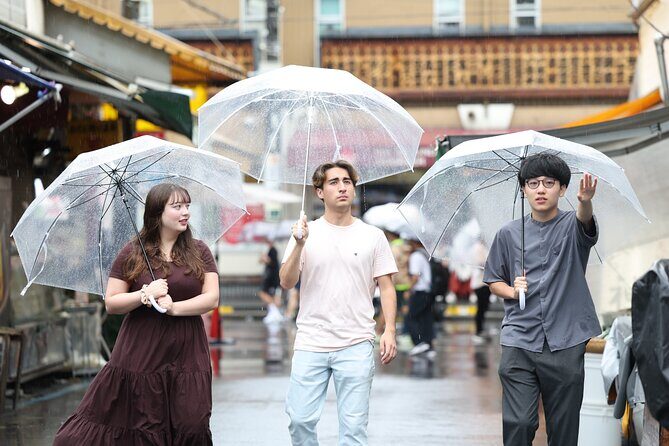
- Three included tastings chosen for you, so you don’t waste time guessing
- Namiyoke Inari Jinja plus Tsukiji Hongan-ji for Japan’s mix of beliefs in one loop
- Private, no-compromise timing—you can slow down, pause, or move on quickly
- Market orientation at street level (what to try, where to stand, how to order)
- Photo sharing after the tour to help you remember what you tasted
- Guides such as Shuto and Sowar can add extra guidance, including prayer etiquette when relevant
You can also read our reviews of more food & drink experiences in Tokyo

Starting at LAWSON Tsukiji and getting your bearings
Your tour meets in front of LAWSON Tsukiji 4 Chome Store. It’s easy to spot and convenient for arriving by foot in the area, and the guide will be waiting there (standing out front, not “around back”).
You’ll walk through key Tsukiji stops with a set route, but the feel is still flexible. You’re not pushed through like a cattle line; this is a private group format, so you can linger when something catches your eye—or cut it short when you’d rather keep moving.
The tour finishes at 築地駅 (Tsukiji Station). That matters because it lets you continue your day right away—shopping, a nearby train ride, or a food crawl of your own—without backtracking.
The “value” of $49: three foods plus culture, not just walking
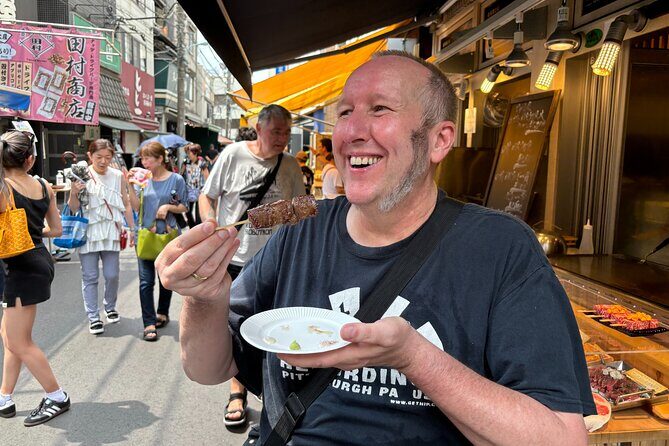
On paper, $49 for 2 hours can sound like a lot—until you look at what’s actually included. You get three must-try foods selected by the guide, plus time at a Shinto shrine and a Buddhist temple, all with expert guidance during the walk.
Those included tastings are the big reason this tour can be good value. If you’d otherwise buy random snacks and then pay extra for “structured” sightseeing, this bundles the market eating and the cultural stops into one plan.
Also, you get something you can’t easily DIY: a guide who can read the situation in real time and help you order or choose without stress. One guide (Sowar) even adapted the tour for a group that didn’t want to eat as early as planned—so the experience isn’t completely rigid.
築地魚河岸 海幸橋棟: the wholesale-side atmosphere
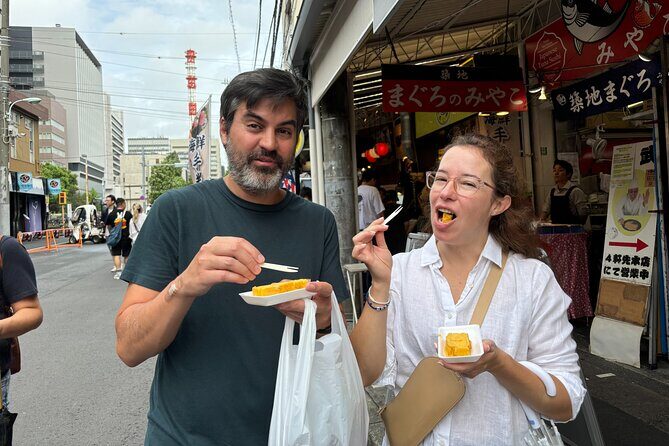
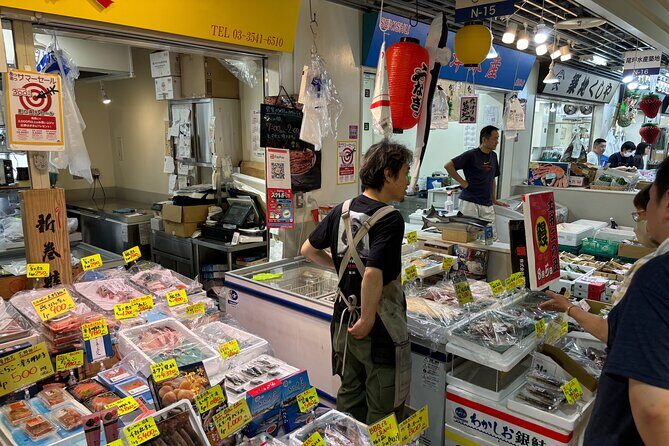
The first stop after meeting is 築地魚河岸 海幸橋棟, with about 15 minutes here. This part of Tsukiji has a different vibe than the Outer Market streets—more like the neighborhood’s working heartbeat than a food festival.
You’re not getting a long technical briefing here. Instead, it’s a quick orientation moment so you understand where you are in Tsukiji’s ecosystem. Think of it as a “frame” for the rest of your walk: once you’ve seen this side, the food stalls feel less random and more connected to how the area functions.
If you like markets for the human logistics—movement, timing, and the way vendors think—this short stop gives context without overloading you.
Namiyoke Inari Jinja: a short shrine stop done the right way
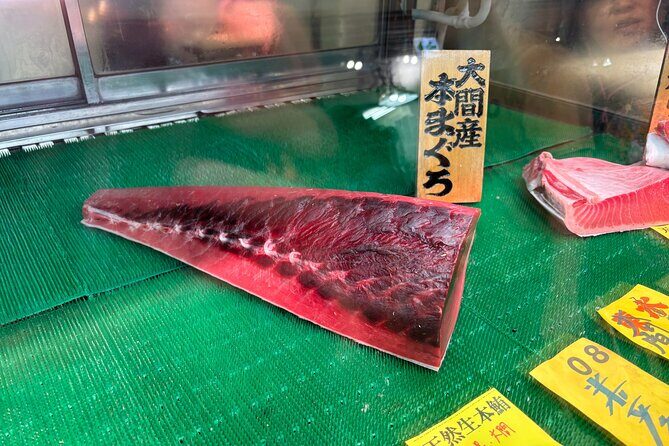
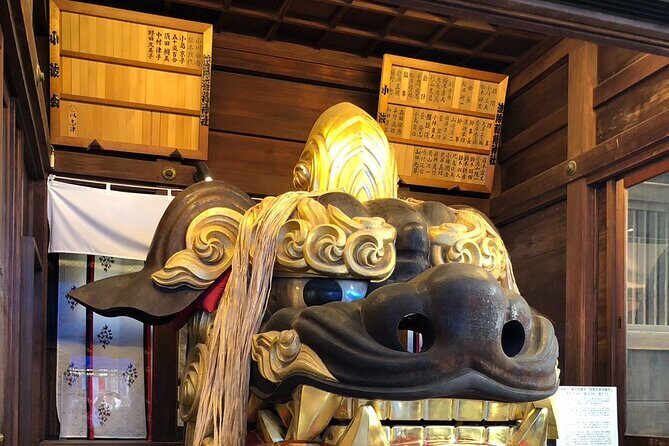
Next is Namiyoke Inari Jinja (about 10 minutes). This is a compact spiritual stop, but it’s chosen for a reason: it helps you feel the Shinto side of the Tsukiji area rather than treating the market like a purely commercial zone.
The most helpful guides here won’t just point at objects. In one case, a guide named Shuto explained how to pray at the shrine and shared local favorites in the market afterward—so the religious etiquette and the food plan connect instead of feeling like two separate tours stapled together.
Even if you’re not religious, this is often one of the most meaningful moments of the route because it shows how Japan’s daily life and belief systems exist side by side.
A few more Tokyo tours and experiences worth a look


Tsukiji Outer Market: where your guide handles the food decisions
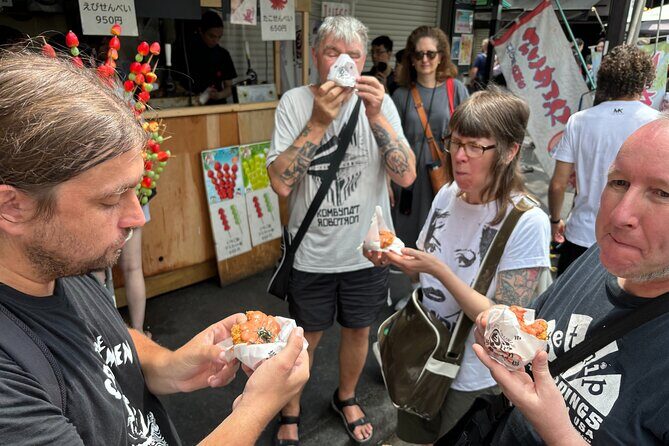
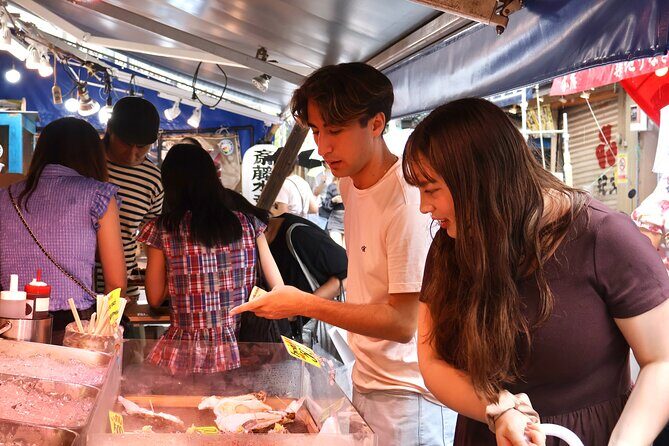
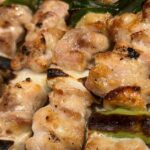
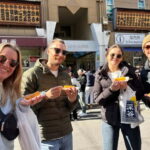
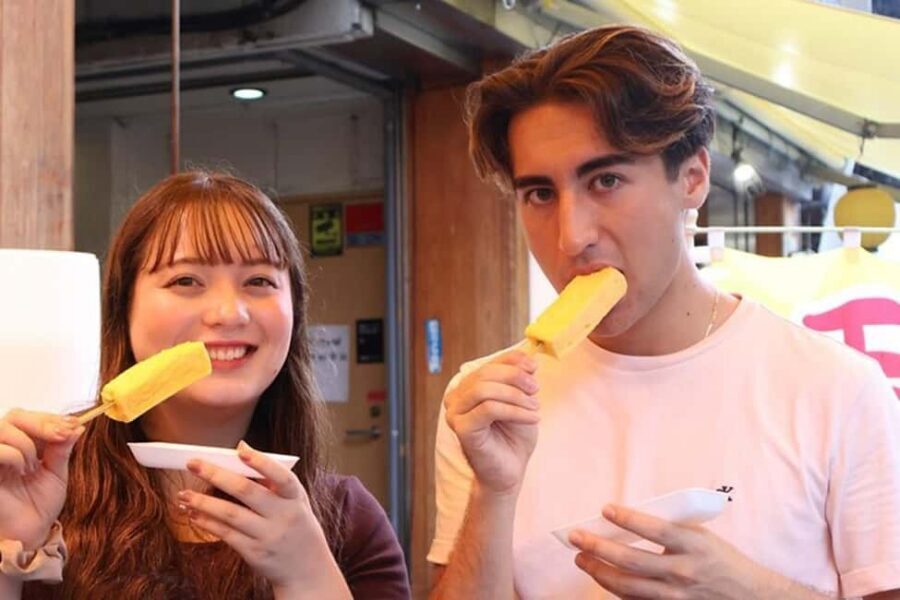
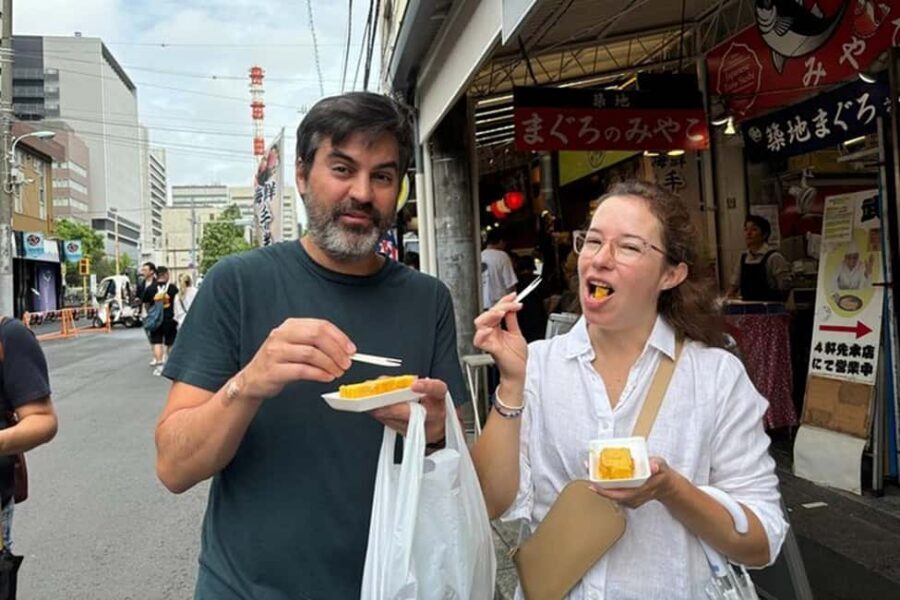
Your biggest chunk of time is in the Tsukiji Outer Market, with around 55 minutes for street food and tastings. This is the heart of the experience, and it’s where the tour’s “included tastings” format really shines.
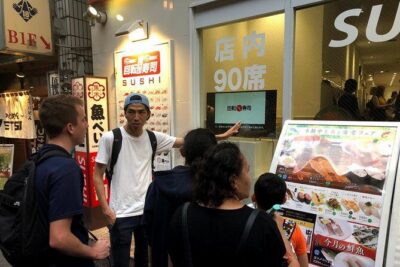
In practical terms, you’ll be walking through the kinds of stalls where people buy quick bites, grab drinks, and keep moving. Left to your own devices, you can end up doing one of two things: either over-order things you can’t finish, or miss the best opportunities because you’re unfamiliar with what vendors are offering.
The tour’s job is to prevent that. You try three must-try local foods, carefully selected by the guide, and you’re not stuck standing with a menu in your second language trying to guess what’s best.
One more thing: you’re not required to eat every second. A guide can adapt if your group isn’t ready to snack yet (Sowar adjusted the order for a group that felt it was too early to eat). That’s a small detail, but it makes the tour feel considerate instead of rushed.
How to maximize this 55-minute block
- Pace yourself so you can actually taste, not just survive.
- Stay flexible—if a guide suggests a particular stall, it’s usually because the portion and timing work well for the set tastings.
- If you have strong food preferences, say so early. A private guide can shift the experience more easily than a fixed-group tour.
Tsukiji Hongan-ji: the Buddhist counterpoint
After the market, you’ll visit Tsukiji Hongan-ji for about 30 minutes. This stop matters because it turns the route from “food only” into cultural balance.
You’ll get a slower moment here compared with the market streets. It’s sightseeing, but it also works as a mental reset: you’ve just moved through a dense area of people and smells, and now you switch gears to quieter observation.
If you care about how Japanese culture layers beliefs, this Buddhist stop is the clean counterpoint to the Shinto visit earlier in the walk. In the best versions of this tour, the guide connects what you’re seeing with how people show respect in everyday practice. Again, Shuto’s shrine-and-temple guidance is a good example of how a guide can make this feel personal rather than checklist-style.
Private pacing: why this feels different from big-group Tsukiji tours
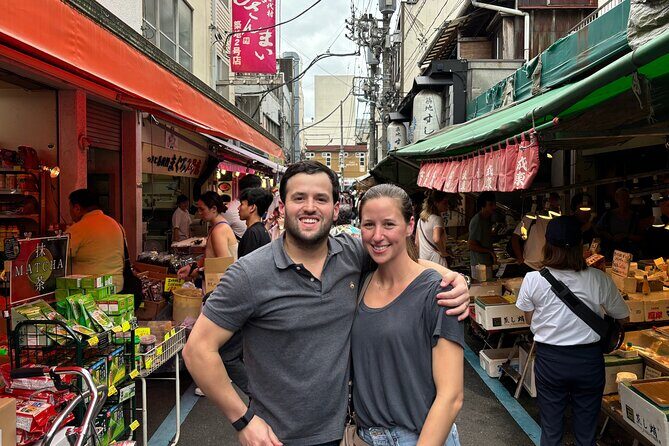
One reason this format can work well is simple: it’s private. That means no waiting for the slowest person to finish, no constant funneling through narrow lanes.
In theory, you can explore at your own pace. In practice, that usually means you get faster decisions where it counts—like when you’re choosing among food stalls—and more patience where you want it—like pausing for photos or asking questions.
There’s also a practical perk: photos are included. You’ll get photos after the tour, which helps because Tsukiji is one of those places where your hands are busy and it’s hard to both eat and capture good shots.
What could disappoint you (and how to avoid it)
Even strong market tours can miss if your expectations are mismatched.
The clearest warning sign from the experience data is this: Tsukiji is fascinating, but some groups found that the explanation they received felt lighter than they expected. In other words, the guide may focus on what to eat, where to stand, and how to handle the flow, rather than giving a deep, continuous story about history and daily operations.
How do you avoid that outcome? If you’re the type who loves deep background, ask for it early. You can do that without being awkward—just say you want more context on what you’re seeing. In better-led versions, guides like Sowar and Shuto are able to adjust tone and add helpful detail, including etiquette and prayer guidance.
Also, Tsukiji is food-driven by design. If your priority is long museum-style explanations, you might prefer a different type of tour—or add a self-guided stop afterward for extra reading.
Who this tour suits best
This tour is a strong fit if you want:
- Three included food tastings without decision fatigue
- A guided walk through Tsukiji’s Outer Market area
- A balanced cultural route with both Shinto and Buddhist stops
- A private experience where you can move at your own pace
It’s also a good choice for first-timers in Tokyo’s market world. You’ll get orientation fast, and the guide helps you translate the environment into something you can act on.
If you’re a Japan culture enthusiast, the shrine and temple stops make it more than a snack crawl. And if you’re a practical eater, the included tastings help you leave with a clear sense of what “should” be tried here.
Quick FAQ you’ll actually use
FAQ
How long is the Tsukiji private tour?
It lasts 2 hours.
How much does the tour cost?
The price is $49 per person.
Where do we meet the guide?
Meet at LAWSON Tsukiji 4 Chome Store.
What’s included in the price besides the tour itself?
The tour includes a 2-hour walking tour, three must-try local foods, expert guidance, and photos sent after the tour. Additional personal expenses are not included.
Does the tour include a Shinto shrine and a Buddhist temple?
Yes. You’ll visit Namiyoke Inari Jinja and Tsukiji Hongan-ji as part of the route.
What languages are available for the guide?
The live guide is available in English and Japanese.
Is this a private tour?
Yes. It’s a private group format.
Is the tour wheelchair accessible?
The tour is wheelchair accessible.
What are the cancellation and late-arrival rules?
You can cancel up to 24 hours in advance for a full refund. If you don’t show up within 15 minutes of the meeting time, it’s treated as a no-show and no refund is provided. If you’ll be late, you should inform them in advance so they can handle it.
Should you book this Tsukiji private tour?
If you want a simple, high-yield plan for Tsukiji—food plus real cultural stops—this is a solid pick. The value comes from the three included tastings and the fact that your guide helps you handle the market experience without guesswork.
Book it especially if you like structure but still want room to breathe. It’s designed for a 2-hour walk where you finish at Tsukiji Station ready to keep exploring.
Skip (or ask for extra storytelling) if you’re looking for deep, uninterrupted history lectures. You’ll still see the main sights and eat well, but the experience is likely to feel more practical than academic.