REVIEW · TOKYO
From Ocean to Chopsticks Tsukiji Market Food Tour By Local Expert
Book on Viator →Operated by japan local and fun experiences · Bookable on Viator
A temple detour makes Tsukiji feel manageable. This 4-hour Tsukiji Market food tour uses a small group format to help you navigate one of Tokyo’s most famous food zones without losing your bearings. You’ll get guide commentary that ties what you’re tasting to what you’re seeing, from seafood culture to daily market life, all in a tight route built for eating.
I like two things a lot here. First, the stop at Tsukiji Hongwanji Temple turns the market rush into something calmer and easier to understand. Second, I really appreciate that you’re not stuck buying random snacks; you’re guided to 4 to 5 food stations chosen by master chefs, with 2 soft drinks and water included.
One consideration: since this tour is built around Tokyo’s biggest fish market area, the food lineup is often seafood-forward, so if you’re very picky or avoiding fish, you’ll want to think it through. Also, it’s a walking tour, so wear shoes you can stand in for hours.
In This Review
- Key things to know before you go
- Tsukiji Market: why this area still earns attention
- Tsukiji Hongwanji Temple: a calm start right by the action
- Jogai Market: where the route becomes your cheat code
- Fish-market streets and sushi culture: eating through the noise
- What 4 to 5 food stations mean (and how to get the best results)
- Drinks, pacing, and the walking part you can’t skip
- Price and value: is $195 really worth it?
- Who should book this Tsukiji Market food tour
- Should you book this Ocean to Chopsticks Tsukiji Market Food Tour?
- FAQ
- How long is the Tsukiji Market Food Tour?
- How much does the tour cost?
- What’s included in the price?
- Is the temple admission included?
- What is the group size?
- Where does the tour start and end?
- Is the tour near public transportation?
- Do I need a printed ticket?
- Is alcohol included?
- What’s the cancellation policy?
Key things to know before you go
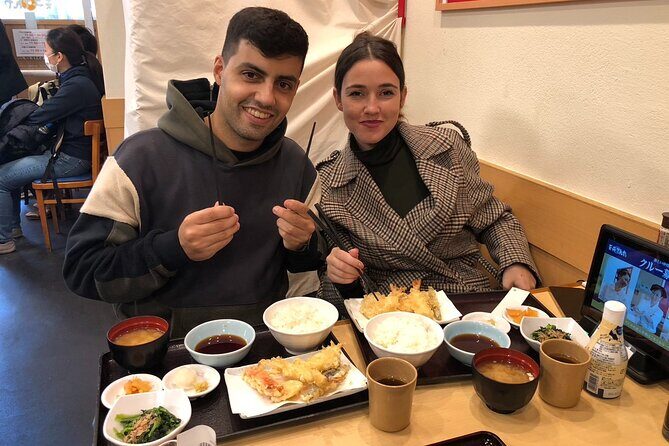
- Small group, max 8 people: easier pace, more personal questions, and less time just trying to squeeze through crowds
- Temple stop included: Tsukiji Hongwanji Temple gives you cultural context before you start eating
- 4 to 5 chef-chosen tastings: you get variety without having to guess what to order
- Guide commentary on history and culture: helps you connect flavors to the market’s role in everyday Japan
- Soft drinks and water included: a simple perk that keeps you comfortable while walking
- Mobile ticket and fixed route: less hassle during check-in and a clear plan for the full 4 hours
Tsukiji Market: why this area still earns attention
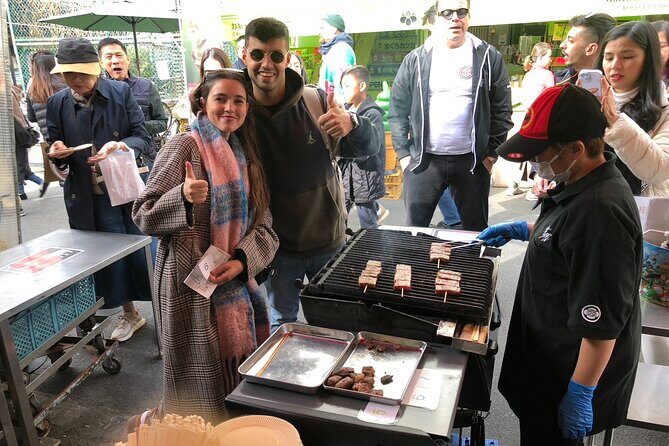
Tsukiji is famous for a reason, but it can also overwhelm you fast. The streets move in every direction: seafood stalls, small restaurants, snack stops, and shops selling everything from ingredients to kitchen gear. The trick is not trying to see everything. The win is knowing what matters and eating in a way that actually makes sense.
That’s where a guided format pays off. With only about four hours and a plan that goes from temple to outer market streets to fish-market territory, you get a logical flow. You also get someone who can explain what you’re looking at without turning it into a lecture. When I’m eating in a market, I want two things: clear choices and context that helps me taste better.
You can also read our reviews of more food & drink experiences in Tokyo

Tsukiji Hongwanji Temple: a calm start right by the action
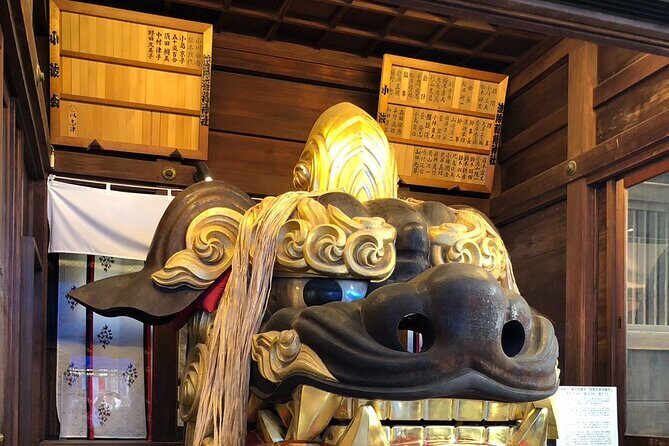
Your tour begins at Tsukiji Hongwanji Temple at 3-chōme-15-1 Tsukiji, Chuo City, Tokyo. It’s positioned near Tsukiji Station on the Tokyo Metro Hibiya Line, so you can reach it easily and arrive without a long commute.
This first stop matters because it changes the mood. Before you’re surrounded by seafood counters and fast-moving vendors, you get about an hour to slow down and understand the spiritual side of Tsukiji’s world. The temple is Jodo Shinshu Buddhist, and its presence next to the market district is a reminder that this area is not only about commerce. It’s also about routine, community, and values—things markets rely on as much as fresh ingredients.
Practical tip: take a moment at the start to look around and reset your senses. After, you’ll be walking, tasting, and scanning menus in a hurry. Use that temple time to mentally switch from sightseeing mode to food mode.
Jogai Market: where the route becomes your cheat code
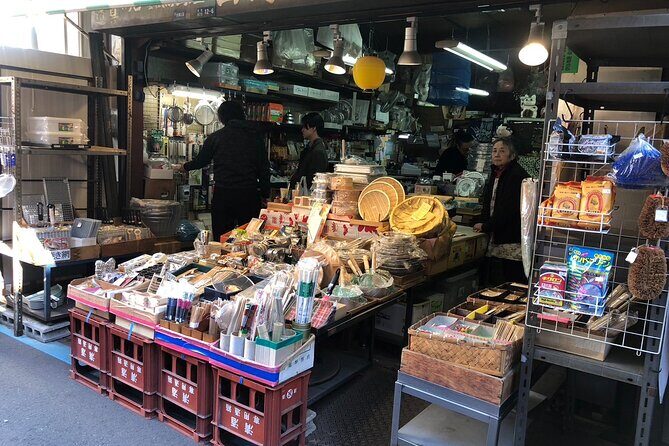
Next comes the Jogai Market, often called the outer market. This part is a mix of wholesale and retail shops, plus food spots tucked along the street. If you’ve ever wondered what market shopping looks like beyond the obvious seafood stalls, this is where you see it.
Here’s what makes Jogai Market useful on a food tour:
- You’re surrounded by the ingredients and tools that shape Japanese cooking, not only the finished dishes.
- It’s packed with places that sell groceries and kitchen items, so you understand what people stock up on day-to-day.
- It leads naturally to eating, because many nearby restaurants and sushi shops are built right into the same flow of shops.
You get about 1 hour 30 minutes in this zone. That’s enough time to hit multiple food stops without feeling like you’re constantly rushing. A guide helps you avoid the common trap: wandering, getting curious, and then realizing you’ve spent your appetite on things you didn’t really choose.
Fish-market streets and sushi culture: eating through the noise
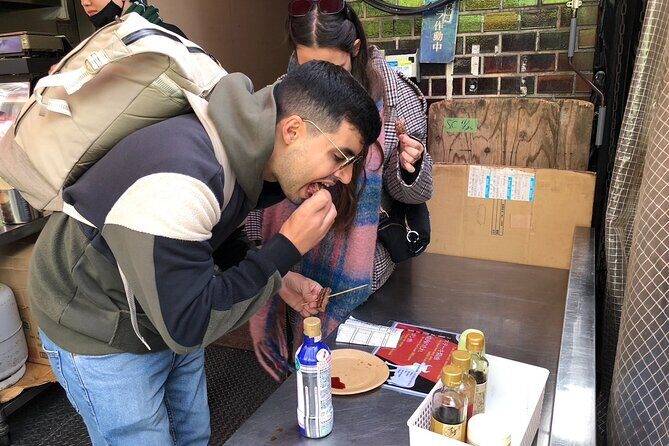
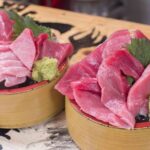
Then you reach the Tsukiji Fish Market area, where the streets function like Tokyo’s food town. It’s a blend of wholesale and retail shops with restaurants lining the lanes. Even if you’re not an expert, you’ll quickly notice that sushi isn’t the only game in town—this is where you can taste other local-style treats alongside the famous fish counters.
What I like about this stop is how it’s structured for eating, not just watching. You’re visiting with a guide who explains what you’re seeing while you’re tasting. That commentary is key because markets have their own logic: what looks similar at first glance can represent different cuts, different preparations, or different roles in Japanese cooking.
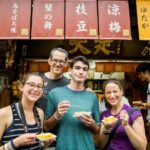
Also, this is where the group-size advantage really shows. With a cap of 8 people, you’re not playing human Tetris. You can pause, listen, and eat without losing your place. In one high-praise example from a guide named Amber, the overall experience was singled out for feeling welcoming from start to finish, with guide knowledge and a friendly energy that made the market easier to handle.
Practical tip: keep your plan simple. If you’re offered tastings, go with the guide’s sequence. In a market like this, the order matters because you’ll keep moving and tasting through the full route.
What 4 to 5 food stations mean (and how to get the best results)
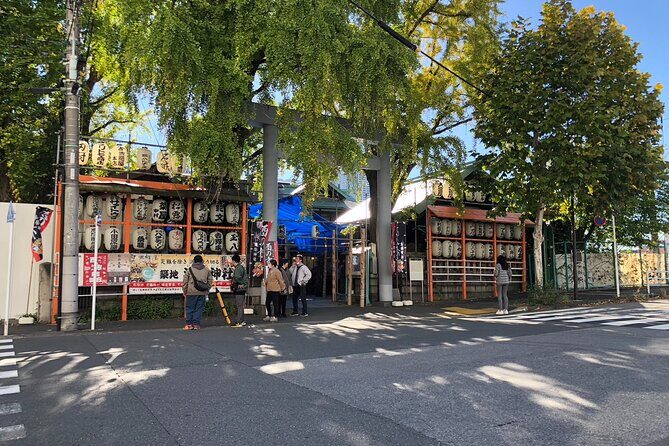
This tour includes 4 to 5 food stations, plus 2 soft drinks and water. That sounds straightforward, but the bigger value is pacing. You’re not spending your entire budget on one meal. You’re spreading flavor across the market, so you taste more variety than you would if you just ordered one big dish.
Why this helps you:
- You get a mini sampler of Tsukiji food culture rather than one single standout.
- You avoid the mental workload of deciding what to eat in a confusing, crowded setting.
- You can keep walking without feeling overly full too early, because the stations are built into a 4-hour route.
One more point: the tour is called From Ocean to Chopsticks, and that theme shows up in what you’re tasting. You’re moving from seafood-based culture toward the way Japanese cuisine transforms ingredients into bite-sized, snackable food. If you like learning through taste, this format makes that easy.
A few more Tokyo tours and experiences worth a look



Drinks, pacing, and the walking part you can’t skip
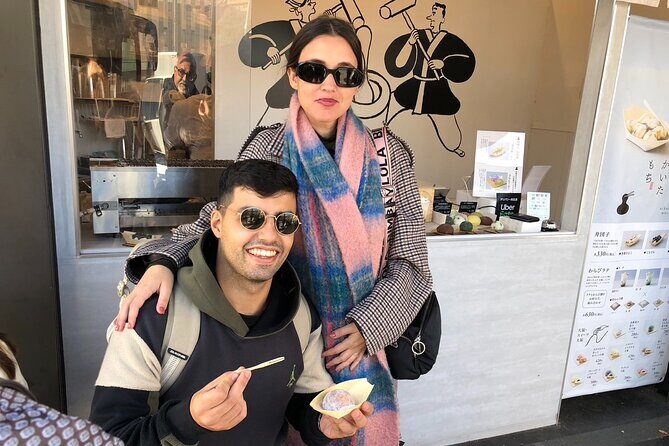
This is a 4-hour walking tour. Even though the stops are short enough to feel doable, you should still plan for standing, walking, and navigating busy lanes. Comfortable shoes are not optional; they’re the difference between enjoying the market and counting minutes.
Good news: the tour includes water and soft drinks, so you’re not stuck searching for hydration mid-walk. And because the group is small, the pace stays human. You don’t need to sprint to stay with the plan.
Alcohol is not included. If alcohol is available to purchase, the minimum age is 18+. That means the core experience stays focused on tastings and commentary rather than turning into a bar crawl.
Price and value: is $195 really worth it?
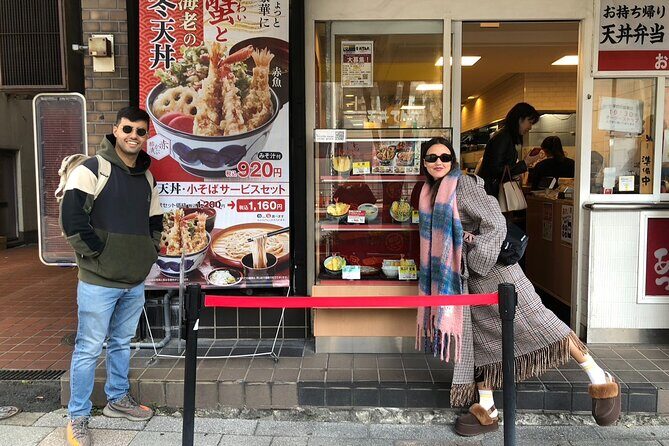
At $195 per person, it’s not a casual bargain. But in Tokyo’s top food neighborhoods, a guided tasting route can be worth it when you price in three things: time, decisions, and access.
Here’s the value logic I’d use:
- You’re paying for a professional guide who keeps the route on track and adds context as you eat.
- You’re getting multiple tastings, not just one meal, which helps you sample more variety in less time.
- You don’t have to figure out what to order across multiple vendors, where menus and choices can feel like a puzzle.
You also get temple time and market time in one session, which helps you understand the area rather than only consuming it. If you’re the type who likes to wander markets on your own, you could DIY. But if you want a structured, no-guessing way to eat your way through Tsukiji efficiently, the pricing starts to make sense.
Who should book this Tsukiji Market food tour
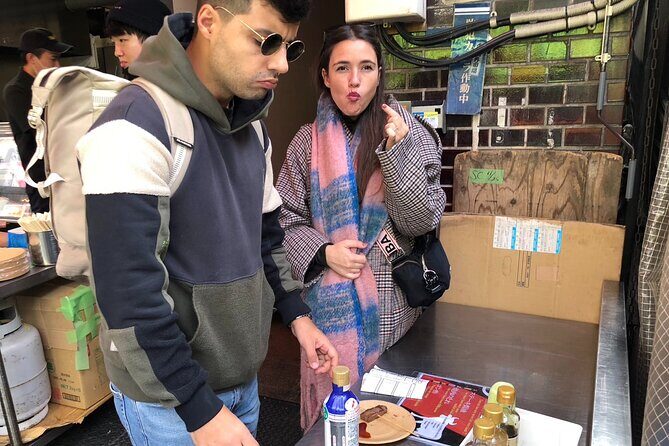
This tour is a strong fit if you:
- Want to eat across multiple spots in about half a day, without spending hours researching.
- Like learning context as you taste, not just collecting photos.
- Prefer a small group (max 8) over joining a huge crowd.
It’s also a good option for first-time visitors who feel nervous about ordering in a market environment. Having a guide basically reduces the uncertainty.
If you should think twice: if you’re avoiding seafood, or if you don’t enjoy standing/walking through busy food streets, you might find the core focus mismatches your preferences. Since it centers on Japan’s biggest fish market area, seafood culture is a big part of the experience.
Should you book this Ocean to Chopsticks Tsukiji Market Food Tour?
I’d book it if you want a guided Tsukiji route that balances history, market culture, and practical eating. The temple stop is a smart bonus that makes the experience feel more thoughtful, and the small group size keeps it from turning into a maze you have to muscle through.
You might skip it if seafood-heavy tastings aren’t your thing or if you’re looking for a slow, independent shopping stroll. But if you want to make Tsukiji easy—taste-focused, time-efficient, and guided—this one is a solid choice.
FAQ
How long is the Tsukiji Market Food Tour?
The tour is about 4 hours walking time.
How much does the tour cost?
It costs $195.00 per person.
What’s included in the price?
The tour includes a 4-hour walking tour with a professional guide, 2 soft drinks and water, and 4 to 5 food stations chosen by master chefs.
Is the temple admission included?
Yes. The stop at Tsukiji Hongwanji Temple lists admission ticket as free.
What is the group size?
There is a maximum of 8 travelers, keeping the experience intimate.
Where does the tour start and end?
It starts at Tsukiji Hongwanji Temple (3-chōme-15-1 Tsukiji, Chuo City, Tokyo 104-8435, Japan) and ends back at the meeting point.
Is the tour near public transportation?
Yes, it’s near public transportation.
Do I need a printed ticket?
No. It uses a mobile ticket.
Is alcohol included?
Alcohol is not included. Alcohol may be available to purchase, and 18 years old is only allowed.
What’s the cancellation policy?
Free cancellation is available up to 24 hours in advance for a full refund.