REVIEW · TOKYO
Tokyo: Mt Fuji Lake Kawaguchi & Yamanaka Hot Spring Day Tour
Book on GetYourGuide →Operated by Hakuu Co Ltd. · Bookable on GetYourGuide
Mt. Fuji looks different when it’s not a full-day hike. This 10-hour small-group tour strings together the best Lake Kawaguchi and Yamanaka views with a real hot-spring break, so you can get great photos without complicated logistics. I especially like that you still get several photo stops that feel very Japanese, not just another bus ride through the same viewpoint.
What I liked most is the small group size (capped at 9) and the ease of starting from Tokyo Station Marunouchi North Exit or a hotel pickup in select districts. The other standout is the hot spring at Benifuji no Yu, where you can relax with Mt. Fuji in sight while you reset for the ride back.
One thing to consider: this is a bilingual non-private tour with basic English and mostly self-guided time at each stop. That’s great for moving efficiently, but if you want long, detailed explanations at every attraction, you may wish for more guided storytelling.
In This Review
- Key things to know before you go
- Why this Mt. Fuji day trip feels easier than DIY
- The morning ride: how to use the first stretch of time
- Oishi Park (and the Maple Corridor swap) for seasonal Fuji color
- Lawson at Kawaguchiko Station: quick Fuji photos with zero fuss
- Hikawa Clock Shop: fast wandering in a Fuji-themed street area
- Oshino Hakkai: Fuji water village time that feels calm
- Lake Yamanaka views and the Benifuji no Yu hot spring reset
- Getting back to Tokyo: drop-offs and the end of the day
- Who should book this, and who should skip it
- Should you book this Tokyo to Mt. Fuji day tour?
- FAQ
- What is the duration of the Tokyo to Mt. Fuji and Lake Yamanaka tour?
- Where do I meet the guide if I do not choose hotel pickup?
- Is this a private tour?
- What languages can the guide speak?
- Are meals included?
- Are entry tickets or hot spring admission included?
- Is swimwear required for the hot spring?
- Is the itinerary the same in late October and November?
- What if I have tattoos?
Key things to know before you go
- Seasonal Fuji color at Oishi Park or the Maple Corridor (lavender in summer, Kochia in autumn, and a special fall swap in late Oct to late Nov)
- Lawson near Kawaguchiko Station for quick, iconic Fuji-distance photos and snack time
- Hikawa Clock Shop streets with a short walk that’s perfect for a fast photo loop
- Oshino Hakkai’s spring-water village gives you a calm break and time for lunch on your own
- Benifuji no Yu hot spring is a true reset, but admission is not included and hot-spring rules apply
Why this Mt. Fuji day trip feels easier than DIY
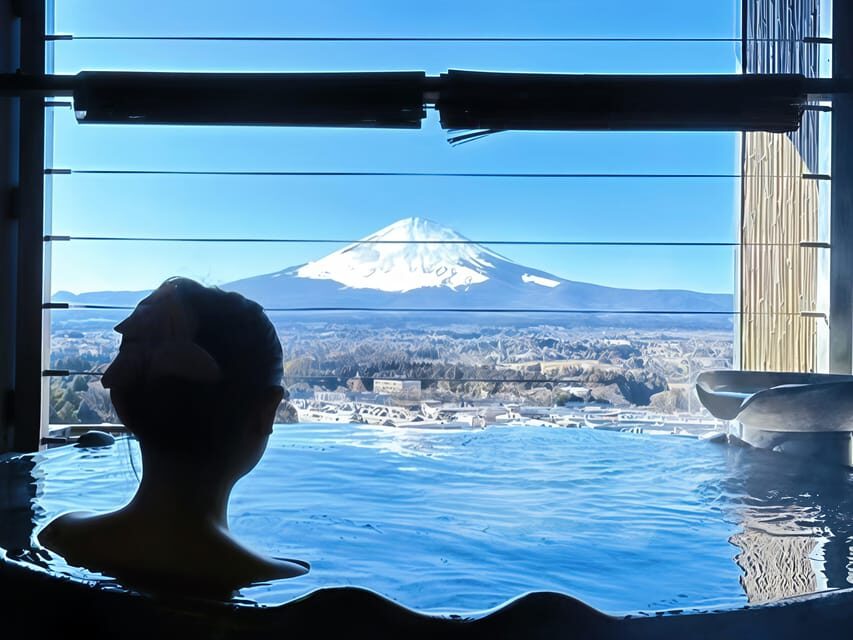
You’re going to spend most of your day looking at Mt. Fuji from multiple angles, and that part is the fun. The reason I think this tour works well is simple: getting to Lake Kawaguchi and Lake Yamanaka from Tokyo without rental car stress is the hardest part of the plan.
Starting from JR Tokyo Station (Marunouchi North Exit) makes it convenient if you’re already centered around Tokyo Station. If you’re staying in one of the 12 select pickup districts, the hotel option can save you time that’s better spent on the Fuji photo stops and the hot spring.
The transport is also built for this kind of day. You’re in a 10/14-seater Toyota Hiace or similar, and the schedule is structured so you’re not stuck transferring between trains and buses. With limited luggage space, you’ll want to travel light, even if you’re on a “just one day” trip.
A few more Tokyo tours and experiences worth a look
The morning ride: how to use the first stretch of time
You’ll spend about 2 hours on the bus/coach early in the day, which is normal for leaving Tokyo and reaching the Fuji area. Since the tour is paced around scenery stops with set photo windows, that ride is your buffer time—use it to settle in, check your camera settings, and get your head ready for daylight views.
This is also where the small-group setup matters. Fewer people means fewer surprises, and you’re more likely to have a predictable departure rhythm. The tour notes that the bus leaves on time with no exception, so if you’re running late, you’re taking a real risk of missing the day.
Practical tip: bring a hat and sunscreen even in cooler months. Fuji area light can feel bright fast, and you’ll be outside during several stops.
Oishi Park (and the Maple Corridor swap) for seasonal Fuji color
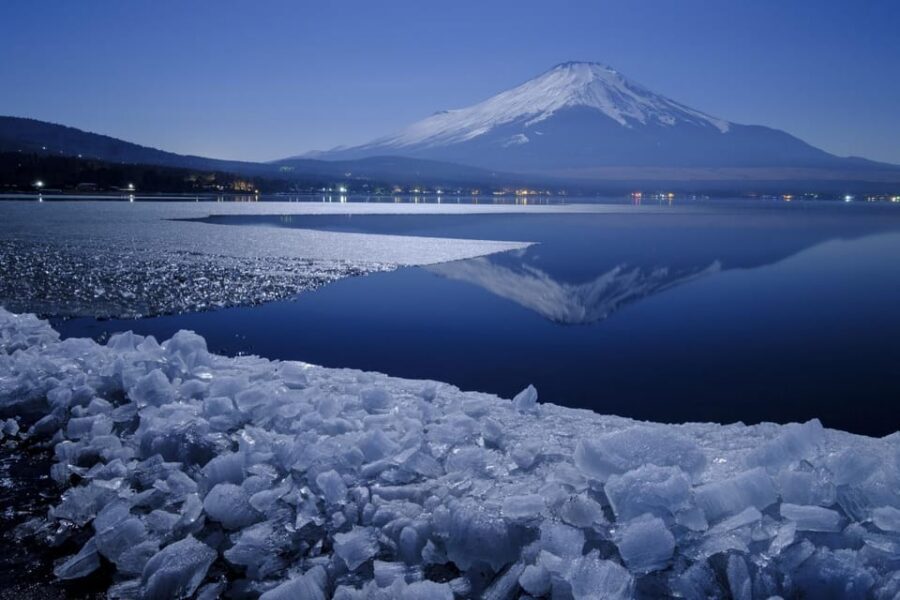
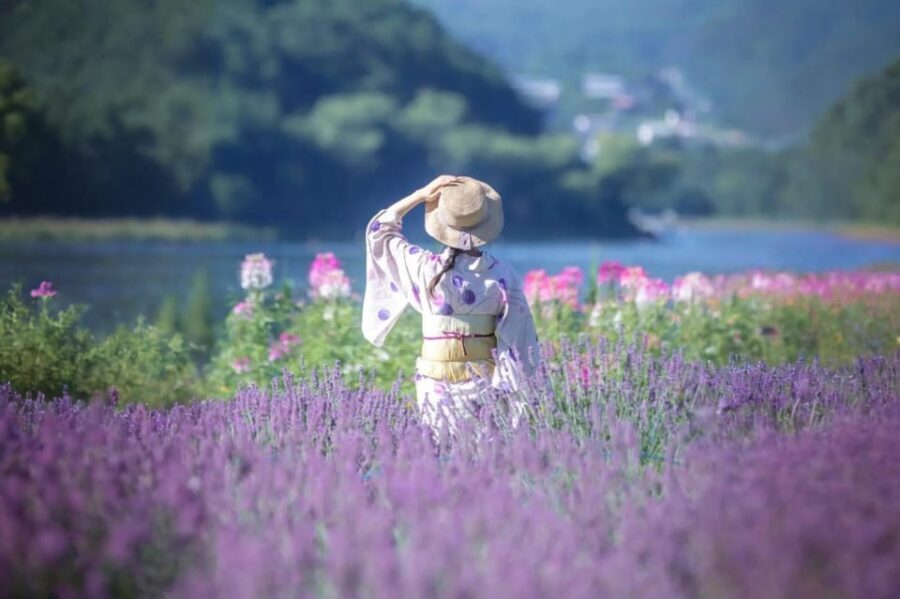
Your first big scenery hit is Oishi Park, usually with free time of about 50 minutes. This is where the tour gives you that “Mt. Fuji plus plants” combo that’s hard to replicate on your own in a single day.
What you see depends on the season:
- In summer, Oishi Park can feature lavender that creates a purple carpet against Fuji.
- In autumn, the focus shifts to Kochia, which turns a strong red and makes for striking compositions.
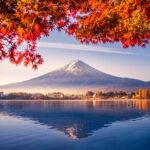
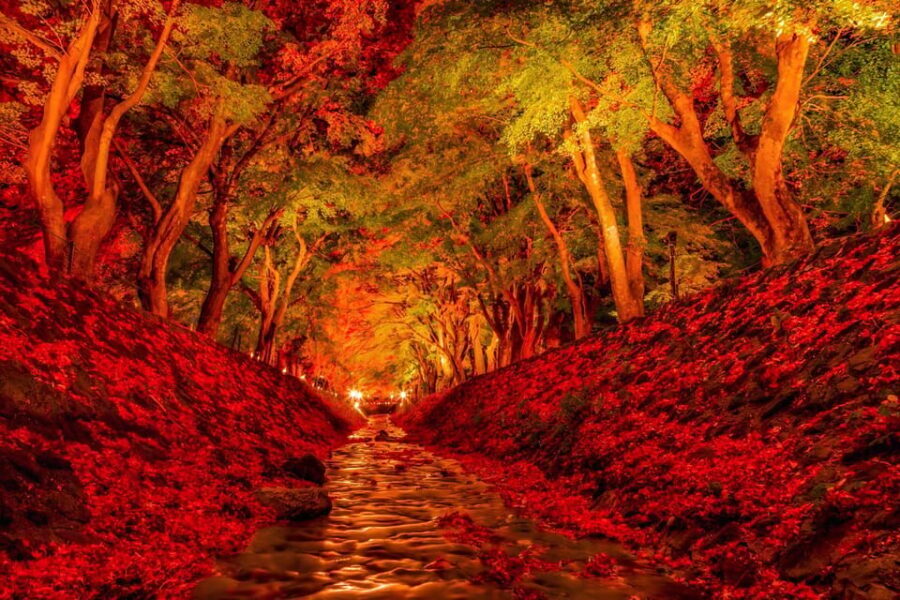
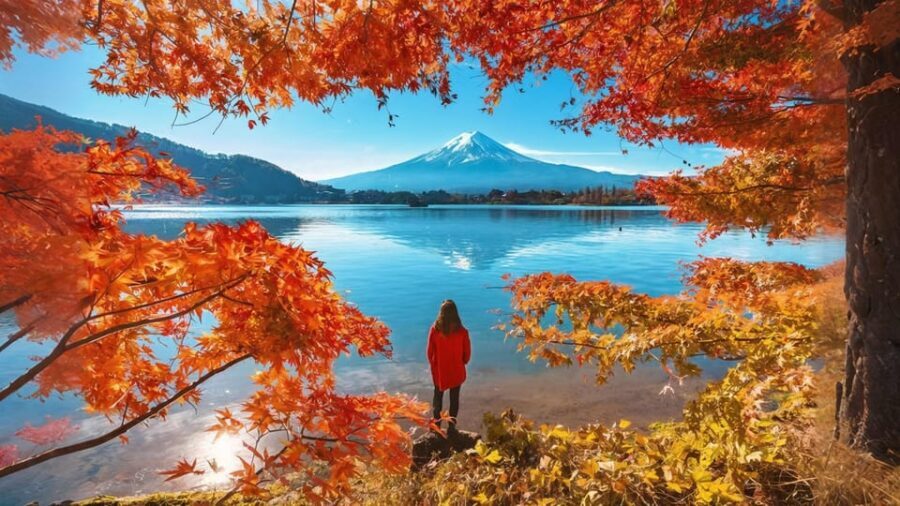
- During peak autumn timing, the tour swaps in the Kawaguchiko Maple Corridor instead of Oishi Park (roughly from October 30 to November 25). That’s when you can get the dramatic framing of snow-capped Fuji with red maple leaves.
For photography, this stop is valuable because it gives you a straightforward “foreground + Fuji” recipe. You don’t need fancy angles or long walks; you need good timing and patience for the sky. The drawback is also predictable: 50 minutes goes quickly, especially if you’re shooting seriously or waiting for the best light.
If you’re the type who likes strolling at an easy pace, this is still enough time to walk a small loop and grab a few different viewpoints. Just don’t plan on doing a full explore of the park if you want to keep the rest of the day comfortable.
Lawson at Kawaguchiko Station: quick Fuji photos with zero fuss
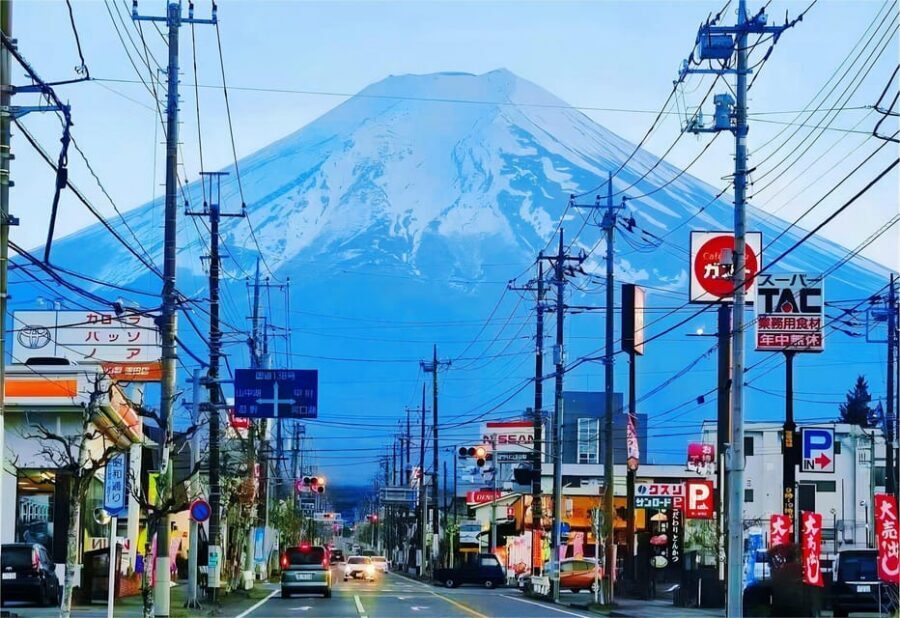
Next comes a short, practical break at Lawson near Kawaguchiko Station. Expect about 20 minutes for shopping and a snack stop.
This is one of those “why is this on the itinerary” moments that actually makes sense when you’re traveling all day. It’s convenient, it’s familiar, and it buys you real time flexibility. You can grab water, a local snack, and do a quick set of Fuji-in-the-distance photos without adding another destination.
The tour specifically calls out classic street views with Mt. Fuji in the background. You can treat this as your “reset moment” before the more scenic walking stops. The only downside is that the time is short, so this isn’t a lunch stop—think of it as fuel and photos, not a slow meal.
Hikawa Clock Shop: fast wandering in a Fuji-themed street area
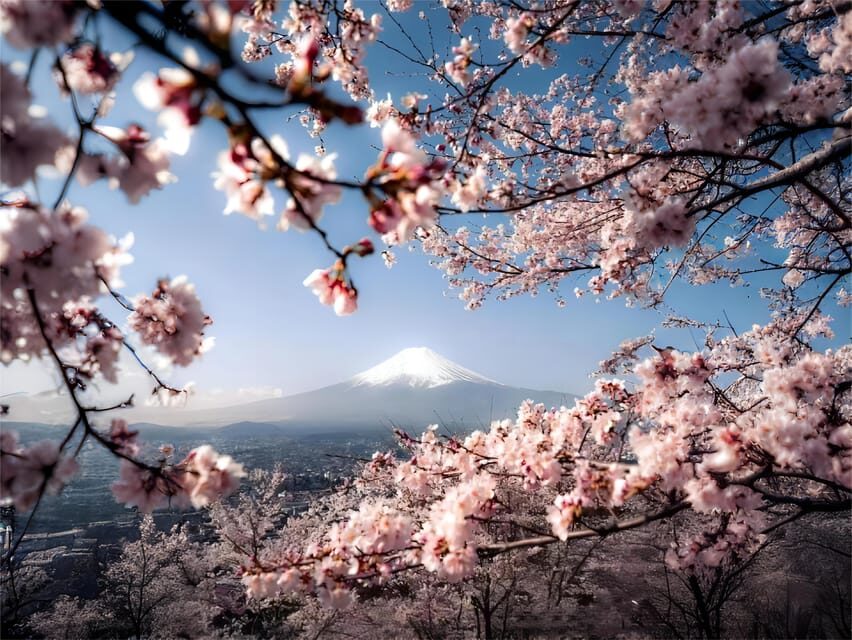
After Lawson, you’ll head to Hikawa Clock Shop with about 20 minutes for a photo stop and short sightseeing.
This is the stop I’d describe as low-effort, high-reward for quick pictures. The area is laid out for strolling, and it gives you a different look at Fuji than the parks. One neat detail here: the tour frames it as a place often called The Heavenly Town, and that idea shows up in the street-style views that are easy to photograph even if you only have a few minutes.
Because time is limited, you’ll want to decide what you want first:
- Do you want wide street shots with Fuji framing?
- Or do you want closer “shopfront and details” photos?
Either approach works, but you’ll need to move before the next stop calls. If you’re traveling with kids, this is also a good breather: short walks are easier than long park time.





Oshino Hakkai: Fuji water village time that feels calm
Then you get the stop that tends to slow people down—in a good way. Oshino Hakkai is a traditional village known for Fuji’s Hidden Pond, with about 80 minutes for free time, walking, shopping, and regional food.
This is one of the best breaks in the day because it’s not just “look at Fuji.” It’s the water itself—fresh spring-water atmosphere, calmer walking lanes, and a village vibe that makes the day feel more like culture than sightseeing.
Why I think 80 minutes is the right amount here: it’s enough time to walk without feeling rushed, but you’re still not far behind if you want to save energy for the hot spring at the end of the trip. If you’re hoping to eat something, this is also a natural place to do it since you have time to browse and choose.
Potential drawback: like many popular spots, it can feel busy in peak times. But because you’re wandering at your own pace, you can usually find moments where you’re not in the thickest crowd.
Lake Yamanaka views and the Benifuji no Yu hot spring reset
Your day’s scenery rhythm shifts again once you reach Lake Yamanaka. You’ll have time for photo stop, free time, and walking (about 1.5 hours), and then you move to the hot spring.
The hot spring part is at Benifuji no Yu, with about 1.5 hours of free time. Admission is not included, so you’ll want to budget a bit extra for the bath. This is also where you’ll feel the tour’s “practical authenticity” the most: you’re not just looking at Fuji from a viewpoint—you’re relaxing in the same region people come to for thermal waters.
Onsen reality check (important):
- Japanese hot springs are typically enjoyed without swimwear.
- Tattoos are generally not permitted. You may cover them with bandages, or opt for a private bath for an additional fee.
- The tour also notes that visible tattoos are not allowed in the vehicle, so plan ahead.
That’s not meant to scare you off. It’s meant to keep your day smooth. Bring yourself prepared so you can actually relax once you arrive.
About the views: the tour highlights that you can see Mt. Fuji from the bath area. In the colder months, that sight gets extra dramatic because you’re outdoors with a more wintry feeling day.
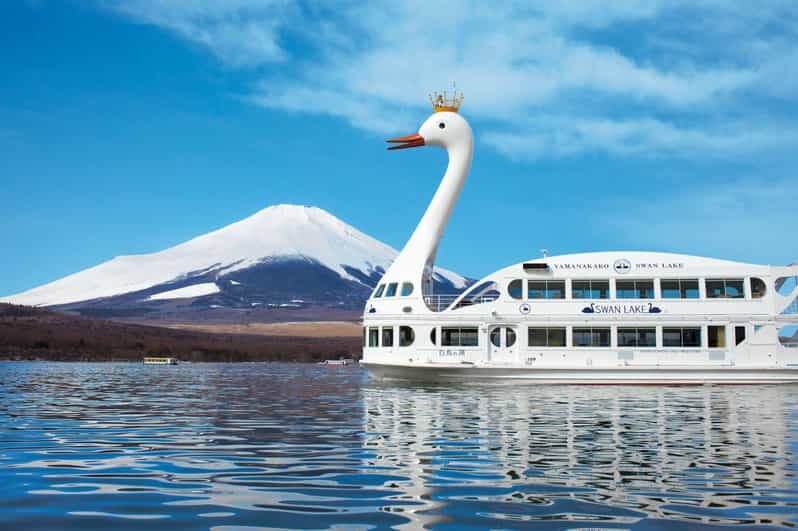
If you care about photography, Lake Yamanaka is a strong choice. One recent visitor noted how the clarity and altitude gave excellent compositions. During your free time around the lake, you might also notice swans and scenic areas for easy photos, and one family’s favorite moment was feeding swans during the time by the water.
If you’re looking for a more “active on-the-lake” moment, you may find additional options nearby while you have the 1.5 hours at the lake. The tour gives you time to walk and photo, not an official boat plan, so keep expectations flexible.
Getting back to Tokyo: drop-offs and the end of the day
The return ride is about 2.5 hours, and the tour aims to get you back to Tokyo around 6:30 PM. If you selected hotel drop-off, you’ll get returned to your accommodation (within the pickup/drop-off zone).
Drop-off options include Tokyo Station Marunouchi North Gate Dome and areas in Chiyoda, Chuo, Taito, and Shinjuku. This is useful if you’re not staying near Tokyo Station and want a straightforward end-of-day handoff instead of figuring out the last train legs while tired.
After a long day, you’ll probably appreciate having a pre-planned return. Fuji days can be unpredictable when it comes to light and crowds, and being back in Tokyo at a reasonable hour helps you keep your energy for dinner and evening plans.
Who should book this, and who should skip it
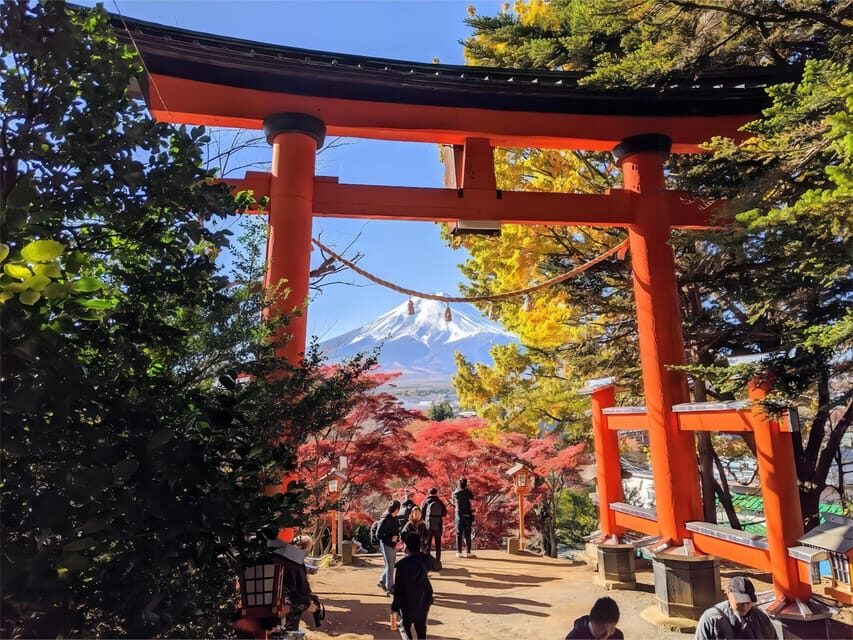
This is a good match if you want a single-day Fuji sampler:
- You’re there for photos but don’t want to spend hours on transit planning.
- You want a mix of nature views and a cultural village stop at Oshino Hakkai.
- You like the idea of ending the day with a real onsen rather than rushing back to Tokyo straight away.
It’s also a solid choice for solo visitors. One recent solo traveler said the setup was comfortable and that the schedule was well organized, with the guide being friendly and helpful.
On the guide side, you may get different personalities and language depth, but names like Jason and Li came up in positive feedback. The tour still describes itself as mostly self-guided, so don’t plan on a long lecture at each attraction.
Who should consider skipping:
- If you want deep, detailed commentary at every stop, this is not designed for that. The driver-guide can speak basic English, and the attractions are largely self-guided.
- If onsen rules or tattoo policies would be a problem for you, plan carefully before booking.
- The tour states it’s not suitable for people over 80 years, so it’s worth respecting that limit.
Also, time-per-stop is part of the deal. If you hate rushing, you might feel like you’d want more time at Oishi Park or Oshino Hakkai. The schedule is efficient, but it’s still a day packed with stops.
Should you book this Tokyo to Mt. Fuji day tour?
I’d book it if your top priorities are Mt. Fuji views plus an onsen, and you want a day that runs on rails. For $68, you’re paying for the big-ticket value most people can’t manage easily on their own: roundtrip transportation from Tokyo and a small-group experience that keeps the day moving.
The trade-off is also clear. You’re paying for convenience, not for long guided explanations or included attraction admissions and meals. You’ll do better if you’re comfortable with self-guided time and you’re okay treating each stop like a photo-and-stroll window.
If you’re going around late October into November, this tour can be especially attractive because of the Maple Corridor swap that’s designed for peak fall color.
If your schedule is tight and you want Mt. Fuji without the headache, this is a practical, photo-friendly way to do it. Just go in with realistic timing, bring what you need for onsen etiquette, and you’ll likely leave the day feeling both refreshed and satisfied.
FAQ
What is the duration of the Tokyo to Mt. Fuji and Lake Yamanaka tour?
The tour lasts about 10 hours, with a return to Tokyo around 6:30 PM.
Where do I meet the guide if I do not choose hotel pickup?
You meet at Tokyo Station Marunouchi North Exit (1-chōme-9-1 Marunouchi, Chiyoda City). The guide shares the gathering location photo via WhatsApp.
Is this a private tour?
No. It is a bilingual non-private tour with a small group size capped at 9 participants.
What languages can the guide speak?
The guide offers Chinese, English, and Japanese.
Are meals included?
No. Meals are not included.
Are entry tickets or hot spring admission included?
Entry tickets are not included. The hot spring at Benifuji no Yu is listed as admission not included.
Is swimwear required for the hot spring?
Japanese hot springs are typically enjoyed without swimwear.
Is the itinerary the same in late October and November?
No. From approximately October 30 to November 25, the tour visits the Kawaguchiko Maple Corridor instead of Oishi Park.
What if I have tattoos?
The tour notes that tattoos are generally not permitted in hot springs. You may cover tattoos with bandages, or choose a private bath for an additional fee. It also says visible tattoos are not allowed in the vehicle.