REVIEW · TOKYO
Tokyo: Mt Takao Tour with Ramen and Tattoo-Okay Hot Spring
Book on GetYourGuide →Operated by Irie Tokyo Tours · Bookable on GetYourGuide
Fuji on a half-day hike from Tokyo sounds hard to beat. This 8-hour Mt. Takao tour mixes monkeys, mountain viewpoints, Hachioji ramen, and a tattoo-friendly hot spring—so you get nature and comfort in one day. I love how the day is built around real time outside (not just quick stops), and I especially liked the easy end-point of soaking at an onsen you can actually use even with tattoos. One consideration: the meeting and ending stations are in the Hachiōji/Takaosanguchi area, about 1 to 1.5 hours from central Tokyo, depending on where you start.
What makes it feel worth the price is the small group and the guidance. With up to 7 people and an English-speaking guide (Jordan is the name I kept seeing), you’re not stuck guessing transit or translations. The day keeps a steady pace, with room to choose routes and slow down when you need to. That said, the summit walk does mean comfortable shoes and a bit of stamina.
In This Review
- Key Points If You Want the Best Part of Mt Takao
- Why Mt Takao Feels Like a Real Escape From Tokyo
- Getting Started at Takaosanguchi: The Easy Part You’ll Appreciate Later
- Takao 599 Museum: A Short Stop That Sets the Tone
- Cable Car Up, Then the View Game on Mt Takao
- Monkey Park and Wildflower Garden: Loud Nature, Close Up
- Suspension Bridge Walking: The Middle Stretch That Makes It Scenic
- Hachioji Lunch: Ramen (and Soba) That Actually Fits the Day
- Yakuou-in and the Shrines/Temples Stops on the Descent
- The Summit View Moment (and How to Make It Count)
- On the Way Down: Cable Car Back to the Base
- Tattoo-Friendly Natural Hot Spring: The Perfect Finish
- Price and Value: What $120 Buys You in Real Terms
- Who This Tour Is Best For (and Who Might Want Something Else)
- Final Call: Should You Book This Mt Takao Day Trip?
- FAQ
- How long is the Mt Takao tour?
- What’s included in the price?
- Is Mount Fuji guaranteed to be visible?
- Is the hot spring tattoo-friendly?
- Is the hot spring private or mixed?
- Where do we meet the guide?
- What kind of lunch do you eat?
- What should I bring?
Key Points If You Want the Best Part of Mt Takao
- Meet Jordan at Takaosanguchi Station using the easy yellow tennis ball cue
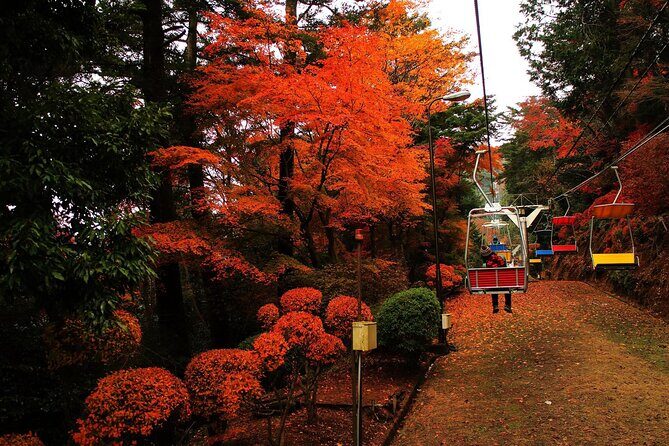
- Cable car and chair lift are included, so you can match the difficulty to your day
- Monkey Park + wildflower garden gives you a fun nature break above the city
- Lunch is Hachioji ramen (or soba), with local favorites built into the schedule
- Tattoo-friendly natural hot spring ends the day right, with towels included
- Small group (7 max) means more questions, less standing around
Why Mt Takao Feels Like a Real Escape From Tokyo
Mt Takao is one of those rare Tokyo-area trips where you don’t just “see nature.” You actually trade street noise for forest air fast. The route takes you from a rail station into a mountain world with shrines, viewpoints, and the Monkey Park vibe—wild energy, but not the chaos of the city.
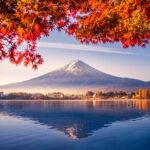
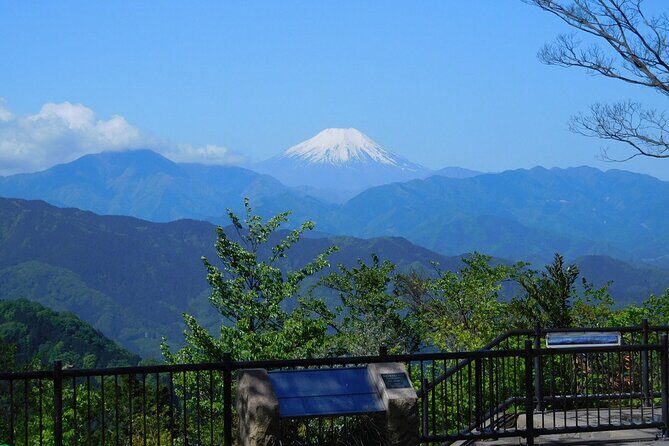
The strongest payoff is timing. If the sky cooperates, you can see Mt. Fuji from the summit area. That’s the kind of moment that makes the day feel bigger than the distance.
And then there’s the payoff at the other end: the hot spring. Japan’s onsen culture is a major part of the country’s appeal, but it can be a headache when you have tattoos. This tour specifically sends you to a tattoo-friendly bath, and the day ends with a calm reset after walking and cable-car rides.
A few more Tokyo tours and experiences worth a look
Getting Started at Takaosanguchi: The Easy Part You’ll Appreciate Later
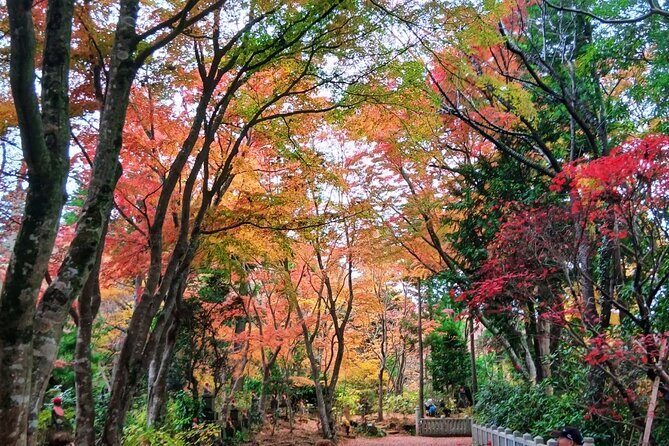
Your day starts at Takaosanguchi Station, with the guide waiting at the ticket gates holding a yellow tennis ball. It’s a small detail, but it’s the kind that prevents that awkward “is this my group?” moment. The tour is also designed for an English-speaking group and stays organized even if you’re slightly late.
Jordan’s style, based on what people consistently reported, is practical and hands-on: he keeps the group together, gives clear options, and helps coordinate at places where you might otherwise face language friction. People also noted that he waited when someone’s train got off-track, which matters if you’re trying to enjoy your day instead of sprinting between stations.
Takao 599 Museum: A Short Stop That Sets the Tone
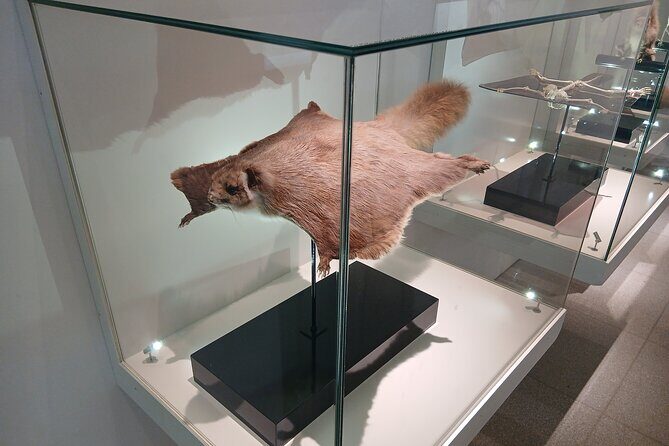
Before you go full mountain mode, you’ll stop at Takao 599 Museum for about 15 minutes. This isn’t a long “museum day.” It’s more like a quick orientation to the mountain and the nature themes you’ll see later.
This kind of warm-up is underrated. When you know what you’re looking at—flora, fauna, and the local way of interpreting the mountain—it turns the walk into something more than scenery. It helps the next stops feel connected rather than just a sequence of photos.
Cable Car Up, Then the View Game on Mt Takao
From the museum area, you head up to Mount Takao using a cable car ride (about 15 minutes), and the day includes options that affect how strenuous you feel. Some people go up by lift more directly, and others choose to hike more of the mountain paths. Either way, the schedule keeps you moving toward that summit-view payoff.
Once you’re in mountain territory, you’ll do a guided walk section with scenic opportunities on the way to the peak. The big point here is not just walking uphill. It’s getting to the viewpoint zone where Mt. Fuji can appear on clear days.
Fuji visibility is weather-dependent, and the tour does not promise a guarantee. But the planning works because the schedule builds in enough time for the experience, not just a fast ride-by.
Practical note: even in winter, the temperature can change quickly on a mountain. I’d dress in layers and assume you’ll get warm on the lift-and-walk sections.
Monkey Park and Wildflower Garden: Loud Nature, Close Up
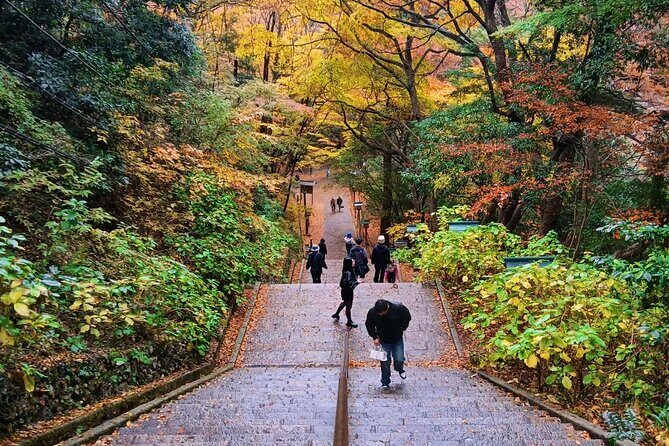
Next up is Mt Takao Monkey Park & Wildflower Garden (about 20 minutes). This is one of the easiest “wow” moments on the itinerary because the monkeys are active and you’re watching them in their habitat, not at some distant lookout.
This stop also breaks the rhythm. After cable car time and summit planning, it’s a reset: you switch from “climb and lookout” to “watch and react.” People often mention feeding and close-up monkey moments as a highlight, so expect the park to feel lively.
If you’re the type who likes nature but doesn’t want the whole day to be hiking, this is a great balance point. And if you’re traveling with a family, it’s a moment kids usually remember because it’s entertaining, not educational-only.




Suspension Bridge Walking: The Middle Stretch That Makes It Scenic
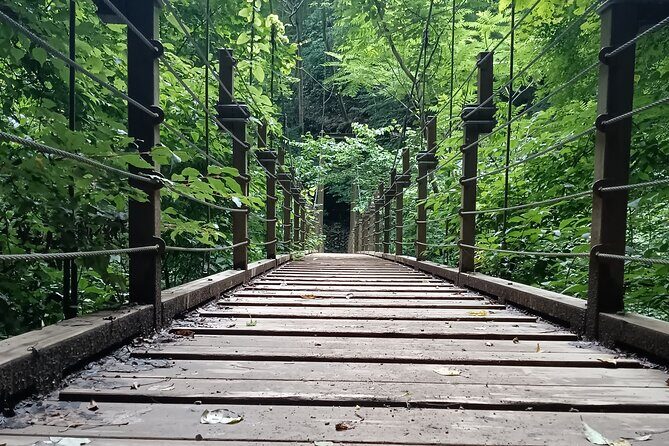
Between viewpoints and the descent, you’ll also walk past a scenic suspension bridge. This is a “small drama” kind of stop. You get the motion and the sense of being in a real mountain environment, not a theme park path.
This segment also helps you transition from the high-energy Monkey Park stop to the slower cultural stops later in the day. It’s the kind of walking that feels like travel—rather than just exercise.
Hachioji Lunch: Ramen (and Soba) That Actually Fits the Day
Lunch is built around Hachioji-style ramen, and you’ll get about 40 minutes for it. The tour is set up so you’re hungry at the right time—after enough walking and viewpoints to make that first slurp feel earned.
The ramen is a core part of the experience, with people describing it as rich and satisfying. If ramen isn’t your thing, the tour also offers soba options, and that’s a smart move. Soba is lighter and helps balance the saltier mountain-day appetite.
One detail I liked from the way people described the day: Jordan tends to handle small coordination needs with local staff. So if you have straightforward requests (like timing or allergies), the tour aims to make things smoother than trying to manage everything yourself.
Yakuou-in and the Shrines/Temples Stops on the Descent
After lunch, you’ll visit Yakuou-in (about 40 minutes). This is where Mt Takao stops being only nature and becomes cultural too—shrines, temple areas, and religious motifs tied to the mountain.
What makes this stop valuable is pacing. It’s not tacked on at the end as an afterthought. It’s placed after you eat and regain some energy, so you can actually pay attention to what you’re seeing.
As the day continues, you’ll do additional scenic walking back along the route toward the next viewpoints and descent sections. People described the guide explaining the meaning behind statues and temple elements, and that kind of interpretation changes the experience. You stop seeing random structures and start noticing patterns—what’s placed where, and why.
If you’re the type who cares about “why this matters” instead of just “what it looks like,” this part is worth your full attention.
The Summit View Moment (and How to Make It Count)
The tour includes time for Mt. Fuji sightseeing from the mountain area, typically about 15 minutes where you can look out and take in the view.
How do you make it count? Simple:
- Keep your expectations flexible for weather.
- Stay ready with your camera/phone charged.
- Pick a spot, take your time, and let the view come to you.
Clear-day Fuji views can be unusually crisp on certain days, and people repeatedly highlighted that kind of clarity as a standout moment. But even when Fuji is faint, the mountain itself still delivers: depth, forest texture, and that sense of being above the Tokyo sprawl.
On the Way Down: Cable Car Back to the Base
Toward later in the day, you take another cable car ride (about 15 minutes) back down. This helps keep the day from turning into an all-day grind.
You’ll also enjoy a final walking stretch with scenic views before you finish mountain time. This structure is a good value for most people: it gives you enough walking to feel the mountain, without forcing you into an exhausting, uncertain “will my legs survive” marathon.
Tattoo-Friendly Natural Hot Spring: The Perfect Finish
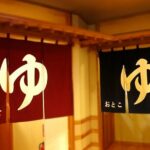
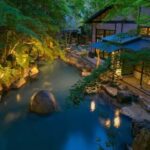
The last big act is the natural hot spring (onsen). It’s about a 1.5-hour visit, and you’ll drive roughly 35 minutes away from the mountain area through West Tokyo towns and mountain roads—so you get one more slice of local scenery on the way.
Important reality check: onsen bathing is nude and gender-separated. The tour provides towels, and it’s meant to be comfortable and welcoming for tattooed guests.
This is the part that pushes the tour beyond “just another nature day.” After walking, temples, and viewpoints, you end the day soaking in natural hot water—one of Japan’s most satisfying cultural experiences.
People also described the onsen atmosphere as relaxed and more local-feeling than a generic tourist setup. If you’ve been curious about onsen culture but worried about tattoos, this is exactly the kind of tour that reduces stress so you can actually enjoy the soak.
Price and Value: What $120 Buys You in Real Terms
At $120 per person for an 8-hour day, this tour can be a good value if you want convenience and don’t want to manage everything solo.
Here’s the value logic in plain terms:
- You’re getting transportation within the plan (including cable car and chair lift components).
- You’re getting admissions (Takao 599 Museum and Monkey Park).
- You’re getting a planned lunch (Hachioji ramen, with soba as an option).
- You’re getting a natural hot spring visit plus towels.
- You’re getting an English-speaking guide in a small group, which saves time and confusion.
If you were doing this yourself, the costs can add up fast: transit to the mountain area, paying for lifts, figuring out entry tickets, and then booking your onsen. Plus, the guide helps you avoid the awkward “where do I go next” gaps that waste the best hours of a day trip.
In short: you pay for a day that runs on rails.
Who This Tour Is Best For (and Who Might Want Something Else)
This is a strong fit if you:
- Want nature outside Tokyo without committing to a full multi-day hike.
- Like a mix of monkeys + viewpoints + shrines.
- Care about food that feels local, like Hachioji ramen.
- Want an onsen experience that includes tattooed guests.
- Prefer a small group pace so you can ask questions and adjust walking pace.
You might want a different plan if you:
- Don’t want to travel to the Hachiōji/Takaosanguchi area (it’s not central Tokyo).
- Have very limited comfort with walking on uneven mountain paths (there is a walking component to reach the summit and viewpoints).
Final Call: Should You Book This Mt Takao Day Trip?
Yes, I’d book it if you want a day that feels like a genuine Tokyo outskirts escape, with real payoff moments: monkeys, possible Fuji views, ramen that hits right after a hike, and a soak at a tattoo-friendly onsen.
Make the decision easy for yourself:
- If you’re excited about hot spring culture and want to avoid tattoo anxiety, this tour directly solves that.
- If your main goal is Fuji views, aim for a day with clear weather and bring warm layers for the mountain air.
- If you hate complicated planning, the small-group guided format is exactly what you’re paying for.
If you’re on the fence, the best sign is simple: you want more than Tokyo city photos. This day gives you mountain time, then hands you relaxation on a plate.
FAQ
How long is the Mt Takao tour?
The tour lasts about 8 hours.
What’s included in the price?
It includes cable car rides and chair lift, Monkey Park admission, Takao 599 Museum entry, Hachioji ramen lunch, a natural hot spring visit, and towels for the hot spring.
Is Mount Fuji guaranteed to be visible?
No. The view depends on clear days, but the itinerary includes time at the summit area for sightseeing.
Is the hot spring tattoo-friendly?
Yes. The tour is designed to take you to a tattoo-friendly hot spring.
Is the hot spring private or mixed?
Onsen bathing is nude and gender-separated.
Where do we meet the guide?
Meet at Takaosanguchi Station. The guide will be waiting at the ticket gates holding a yellow tennis ball.
What kind of lunch do you eat?
Lunch is Hachioji ramen, with soba as an option mentioned in the tour description.
What should I bring?
Comfortable shoes are the main must.