REVIEW · TOKYO
Mt. Fuji, Hakone Private Tour from Tokyo – Onsen, Arts and Nature
Book on Viator →Operated by Elie · Bookable on Viator
Fuji day trips live and die by the weather. What makes this one interesting is how it pairs Mt. Fuji viewpoints with a private guide who can adjust when clouds and rain change the day.
I love the smooth hotel pickup and drop-off, because it turns a long day into a simple one. I also like that the itinerary builds in real downtime at a top onsen in Hakone, not just quick photo stops.
The big consideration is the payoff: if Fuji stays hidden, the day still works, but you should expect less dramatic mountain views—and you’ll add paid extras like the onsen and the museums.
In This Review
- Key Things to Know Before You Go
- How a Private Guide Changes the Fuji-to-Hakone Day
- Starting Early: Pickup, Drive Time, and the Pace
- Mount Fuji Viewpoints: What to Expect From the Weather Game
- Hakone Shrine, Lake Ashi Torii, and the Turnpike Views
- Amazake Chaya Tea House: A Traditional Stop on the Old Tōkaidō
- Tenzan Tohji-kyo Onsen: Where the Day Actually Becomes Vacation
- Hakone Open-Air Museum vs. Pola Museum of Art
- Lake Ashi Sky Line: The Second Fuji Moment and the Sea Views
- Price and Value: Is $852 Worth It for Up to Five?
- Who This Tour Fits Best (and Who Might Want a Different Plan)
- Should You Book This Private Mt. Fuji and Hakone Tour?
- FAQ
- What time does the tour start, and how long is it?
- How many people can be in the group?
- Is pickup from my Tokyo hotel included?
- What costs extra besides the tour price?
- Are there any ticket fees for the main scenic stops before onsen?
- Will I still go to museums if the weather is bad?
- Is the open-air museum always included?
- What languages do the guides speak?
- What happens if weather prevents good conditions?
Key Things to Know Before You Go
- Private guide, flexible timing so you can spend more time where the views are best
- Round-trip Tokyo transfers in a modern vehicle, saving you from train and bus logistics
- Onsen is a centerpiece (plan for the onsen entry fee, and ask about optional services like massage)
- A stop at Amazake Chaya in Hakone, a traditional tea house with serious old-road history
- Rain-proof museum options with Hakone Open-Air Museum or the indoor Pola Museum of Art
- Multiple Fuji vantage points around the Fuji-Hakone area, with the best results on clear days
How a Private Guide Changes the Fuji-to-Hakone Day
This is a full-day private outing with pickup from your hotel in Tokyo, carried by a driver-guide team in a clean, modern car. That matters because Hakone is not a quick hop from the city. You’ll be moving for hours, and a good guide makes that time feel like part of the experience instead of wasted transit.
I also like the tone of the plan. It’s not built around sprinting between attractions. The rhythm is more like: panoramic stop, shrine and lakeside scenery, tea break, onsen reset, then art at a museum when you’re ready to shift gears. Guides such as Lucas, Elie, Lenny, Evan, and Dominik pop up in many different versions of this experience, and the common thread is guidance that feels human—friendly, organized, and ready to tweak the schedule.
You can also read our reviews of more private tours in Tokyo


Starting Early: Pickup, Drive Time, and the Pace
Start time is 8:30am, and the day runs about 9 to 10 hours total. That’s long enough that you’ll want a plan for comfort: wear layers, keep a light jacket in the car, and have a snack strategy for any gaps between stops.
Because you’re private, you get the real advantage most people miss in group trips: you can shape the pace. Some days are view-heavy; others are fog-and-rain days where the guide leans into what Hakone still does well—shrines, lakes, tea houses, and museums. If you care about museums, tell the guide early; if you’d rather prioritize the onsen and relax, say so.
One practical note: traffic can happen. Tokyo driving is busy, and even the best schedule can stretch a bit. The upside of doing it private is that your guide can juggle the order without leaving you behind.
Mount Fuji Viewpoints: What to Expect From the Weather Game

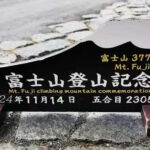
Mount Fuji is the headline, but it’s also the gamble. The plan includes several Fuji panoramic viewpoints with about 20 minutes at the first stop area. That short window is intentional: it gives you enough time to find the best angle and take photos, while still keeping the day flowing toward Hakone.
If clouds part even briefly, you’ll see why this region is famous. If not, don’t panic. You’ll still spend time in Hakone’s scenic zones and cultural sites, and the day ends in onsen calm. In other words, Fuji is your big moment, but it isn’t the only reason to go.
Hakone Shrine, Lake Ashi Torii, and the Turnpike Views
Hakone is where Fuji day trips become more than just a mountain photo. You’ll get a mix of Shinto atmosphere, lakeside scenery, and dramatic road overlooks—plus the benefit of not having to figure out transit connections yourself.
Here’s the shape of the morning:
- Hakone Turnpike Daikanyama parking area: This is the “drive for the view” start. Expect a scenic stretch where the panorama is part of the attraction. The payoff is best when visibility is decent.
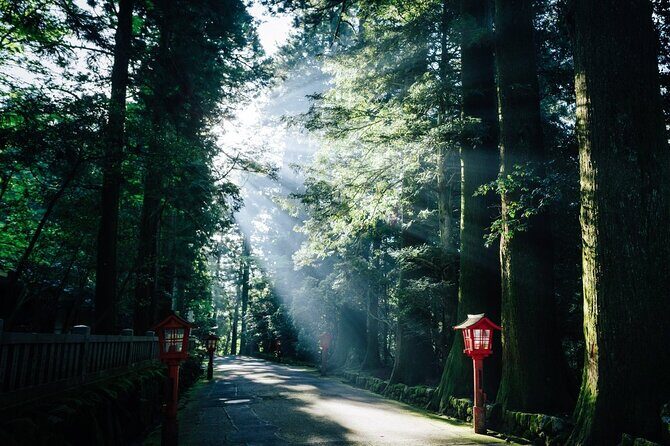
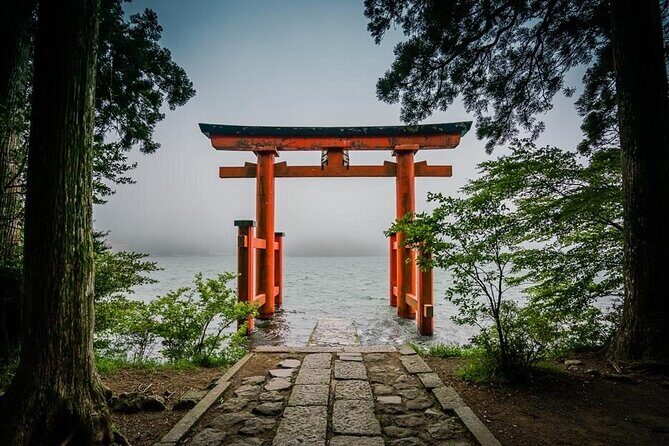
- Hakone Shrine (founded in 757): You’ll stop along the shores of Lake Ashi at this classic Shinto site. Plan for a relaxed walk and time to absorb the lake-and-gate scenery.
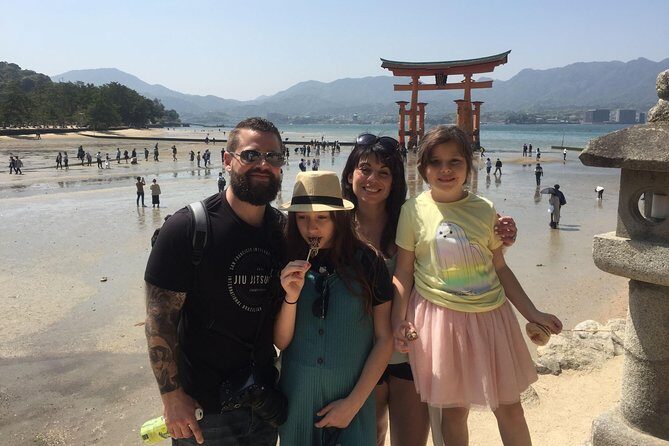
- Lake Ashi stops with torii gates: You’ll have time to view the famous gates and shrines around the lake.
These stops are ticket-free, so your main costs are later on (onsen and museums). The more you slow down here, the better the day feels. The views aren’t only for Instagram—this is also where you get the sense of Hakone’s spiritual and landscape mood.
Amazake Chaya Tea House: A Traditional Stop on the Old Tōkaidō
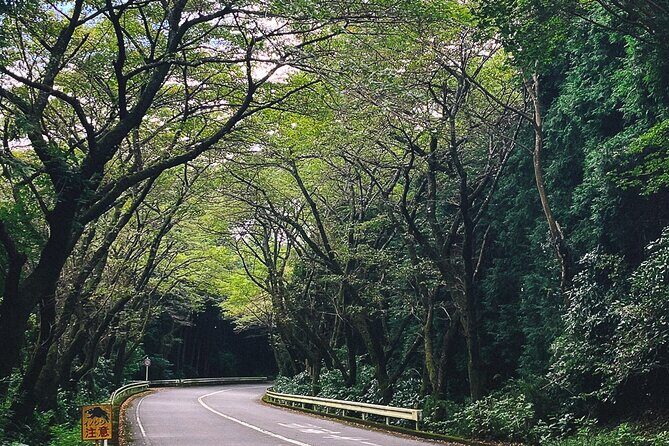
After the shrine and lake scenery, you’ll hit Amazake Chaya, a traditional teahouse in Hakone’s cedar forests. It’s described as part of the old Tōkaidō route history and has welcomed travelers for over 400 years.
You’ll usually spend about 30 minutes here. That’s not long, but it’s a good reset point. Tea house stops like this are valuable on a private tour because they’re not just quick souvenirs. They give you a taste of how older travel routes worked—simple, local, and built for travelers who wanted a pause.
If you’re traveling as a family or with older relatives, this is also a nice non-strenuous break between longer scenic driving blocks.
A few more Tokyo tours and experiences worth a look

Tenzan Tohji-kyo Onsen: Where the Day Actually Becomes Vacation
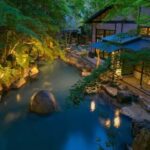
The onsen portion is one of the most praised parts of the experience, and for good reason. You’ll spend about 2 hours at the relaxation stop after lunch, and the tour includes access to one of the best onsen options in the region (specific choice depends on the day and plan).
Budget for the onsen entry: ¥1,500 per person is not included.
A couple of practical tips that come straight from real onsen logic:
- Bring cash or confirm what payment methods the facility supports. (Not listed here, so confirm with your guide if you want certainty.)
- If you’re hoping for something like a massage, ask at the onsen. One guest noted that arranging massage can depend on language support, so it’s smart to confirm during check-in or through your guide.
This is also where you’ll feel the tour’s “well-being” focus. Even if Fuji was cloudy earlier, the onsen is the moment that still feels like a win.
Hakone Open-Air Museum vs. Pola Museum of Art
After lunch and onsen downtime, the day moves into art and architecture—an excellent contrast after soaking in hot water and walking among shrines.
You may visit:
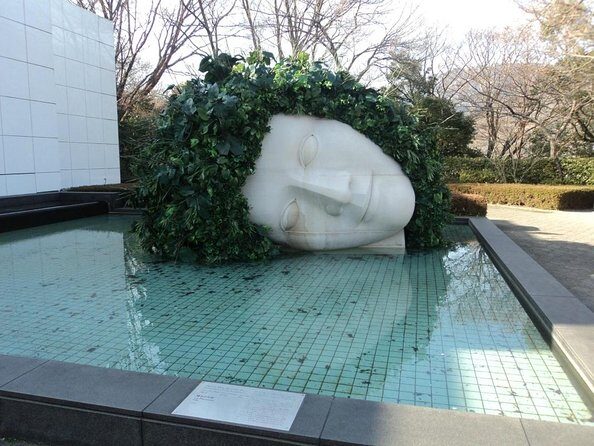
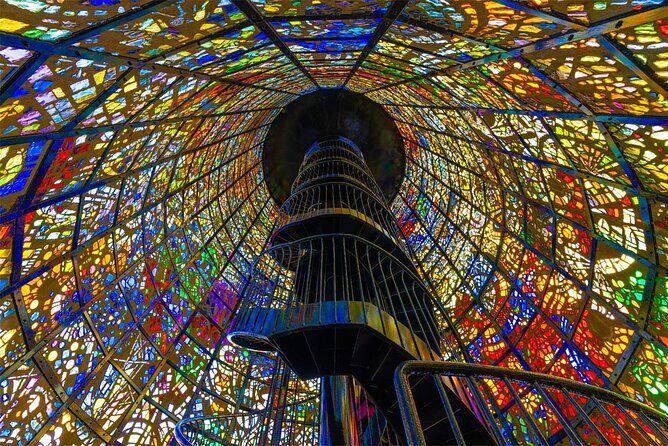
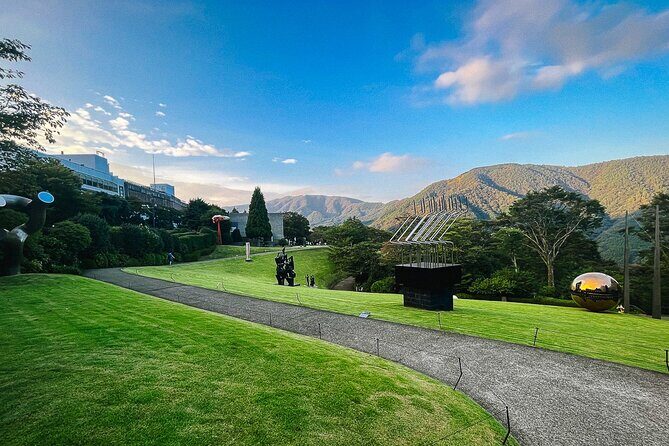
- Hakone Open-Air Museum (around 2 hours). It’s the outdoor option and includes artworks by Picasso, Henry Moore, Taro Okamoto, Yasuo Mizui, and Churyo Sato. Admission is not included (budget ¥1,900 per person).
- Pola Museum of Art (around 1 hour). This indoor option is used if weather turns bad or if you want to save time. It’s set in a forest environment and is a great way to keep the art day comfortable when rain hits.
The smart move here is to treat art time as flexible. If the weather is fine, you might enjoy the open-air museum’s blend of sculpture and garden views. If the weather is messy, Pola keeps the day calm and sheltered.
Lake Ashi Sky Line: The Second Fuji Moment and the Sea Views
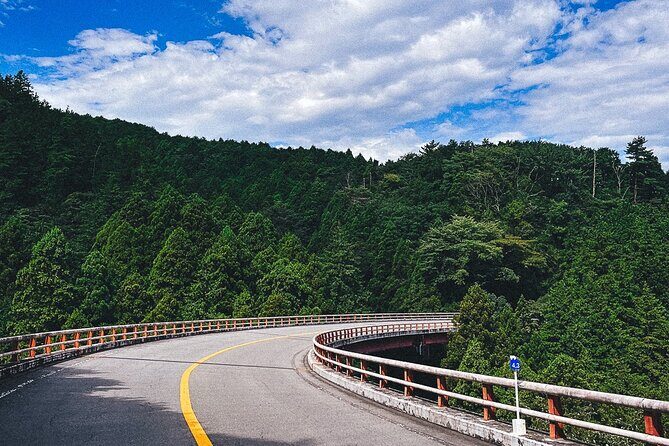
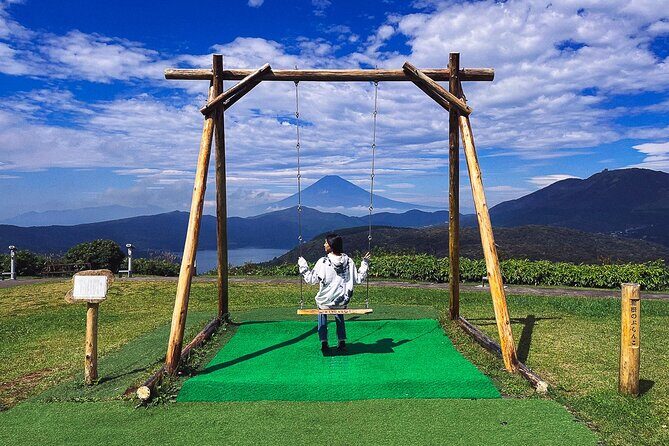
Later in the afternoon, if time permits, the route can include Lake Ashi Sky Line with multiple scenic pull-offs for panoramas. This is where you look for a closer Fuji angle, plus views toward the lake and even the sea on clearer days.
This stop is ticket-free and runs about 1 hour, with time spent moving between viewpoints. In practice, it’s one of those “take it slow or you’ll miss it” moments. If you’re chasing Fuji specifically, ask your guide where they think the light and angles are best when you arrive.
And yes, if it’s foggy, the road is still scenic. You just need to adjust expectations: you’ll be enjoying Hakone’s mood rather than locking in a perfect Fuji silhouette.
Price and Value: Is $852 Worth It for Up to Five?
The total price is $852.28 per group (up to 5 people), which includes hotel pickup/drop-off, parking fees, highway tolls, private modern transportation, and a guide in English/Japanese/French.
Value depends on how you fill the car:
- If you book as two people, you’ll feel the cost more because the $852 is divided by fewer travelers.
- If you book as five, the cost per person drops a lot, and the price starts to feel more like paying for convenience plus a guide who can shape the day.
Now add the parts not included:
- Lunch is not included.
- Onsen admission is ¥1,500 per person.
- Museum admission is ¥1,900 per person.
So the real question isn’t just the base price. It’s whether you want:
- a guided, driver-led day with multiple stops that are hard to manage solo, and
- a true Hakone experience where onsen time and museum time both happen,
instead of spending your day stitching together trains and buses.
If that sounds like your style, the price can feel fair. If you prefer self-guided travel and you’re comfortable with long transit days, you might decide differently.
Who This Tour Fits Best (and Who Might Want a Different Plan)
This tour is a strong match if you:
- want an easy first-time Hakone introduction from Tokyo
- care about the onsen experience and want time set aside for it
- like having a guide to explain what you’re seeing (shrines, the old travel road tea culture, art in context)
- would rather spend money on comfort and direction than on extra planning
It can be less perfect if you:
- hate long car days and want lots of short walks with minimal driving
- have very specific accessibility needs and want full control over every step and route
- are mainly chasing Fuji and will feel disappointed if weather hides the mountain for good
A good workaround in any of those cases: talk to your guide about priorities before the day starts. Private tours succeed when expectations are clear.
Should You Book This Private Mt. Fuji and Hakone Tour?
I’d book it if you want a Hakone day that feels like a real break: scenic roads, a shrine-and-lake morning, an old-road tea stop, onsen time that anchors the schedule, and art afterward. The private guide is the glue that makes the day smooth and customizable.
I would pause if Fuji views are the only thing you care about and you’re sensitive to weather uncertainty. If you do book, treat Fuji as a bonus and plan to enjoy Hakone’s other strengths even on cloudy days. And when you arrive, don’t hesitate to ask your guide to steer the schedule toward what matters most to you.
FAQ
What time does the tour start, and how long is it?
The tour starts at 8:30am and usually runs about 9 to 10 hours.
How many people can be in the group?
It’s priced per group for up to 5 people.
Is pickup from my Tokyo hotel included?
Yes. Hotel pickup and drop-off are included.
What costs extra besides the tour price?
Lunch is not included. Onsen admission costs ¥1,500 per person, and museum admission costs ¥1,900 per person (for the museum stop).
Are there any ticket fees for the main scenic stops before onsen?
The tour lists many of the viewpoint and shrine stops as ticket-free, including the Fuji viewpoint area, Hakone Shrine, Lake Ashi stops, Amazake Chaya, and Lake Ashi Sky Line.
Will I still go to museums if the weather is bad?
Yes, there’s a weather-based choice. If conditions are poor or you want to save time, the plan can shift to the indoor Pola Museum of Art instead of the open-air museum.
Is the open-air museum always included?
The plan includes the Hakone Open-Air Museum, but an indoor museum option like Pola Museum of Art may replace it when weather isn’t ideal or if you’re running ahead.
What languages do the guides speak?
Guides are available in English, Japanese, and French.
What happens if weather prevents good conditions?
This experience requires good weather. If it’s canceled due to poor weather, you’ll be offered a different date or a full refund.