REVIEW · TOKYO
Tokyo: Shibuya Highlights Walking Tour
Book on Viator →Operated by JLB Tours · Bookable on Viator
Tokyo’s Shibuya is a sensory overload. This small-group walking tour helps you turn the chaos into a plan, with a local guide who steers you toward Shibuya crossing photo moments plus the kind of side-street restaurants and bars you’d miss on your own. I also like how the guides share practical, trip-wide recommendations, with real-world advice coming through guides like Fumina, Sakura, Hiroko, and Shiho.
It is short and fast, so if you want slow, deep explanations or lots of extended stops, you may feel it moves on too quickly. The upside is it is built for first-timers who want to get bearings fast and leave with a list of where to eat, shop, and return later.
In This Review
- Key Shibuya Highlights to Look For
- Shibuya in 90 Minutes: What You Actually Get
- Meeting at SHIBU HACHI BOX and Finishing at Shibuya-san
- The Local Guide Factor: Why This Tour Works
- Shibuya Crossing and the Photo Problem (Solved, Mostly)
- Side Streets for Hidden Bars and Restaurants (The Real Win)
- Stop 1: SHIBU HACHI BOX as Your Orientation Hub
- How the Route Feels: Crowds, Pacing, and Building-to-Building Walking
- Who This Tour Is Best For (and Who Might Want More Time)
- Value Check: Why $19.77 Can Make Sense Here
- Practical Tips for Your Shibuya Walk (Do This, Not That)
- Should You Book the Shibuya Highlights Walking Tour?
- FAQ
- How long is the Shibuya Highlights Walking Tour?
- What does the tour cost?
- Is food included?
- Where do I meet the guide?
- Do I need to speak Japanese?
- What should I bring for the walk?
- How much walking is involved?
Key Shibuya Highlights to Look For

- Max 8 people keeps the vibe friendly and question-friendly
- SHIBU HACHI BOX is a clear starting point for getting right into the neighborhood
- Scramble crossing time for a great photo and orientation
- Side streets for bars and local restaurants instead of only main roads
- Local guide trip advice that goes beyond the tour route
- Rain or shine means bring an umbrella or raincoat and don’t overthink it
Shibuya in 90 Minutes: What You Actually Get
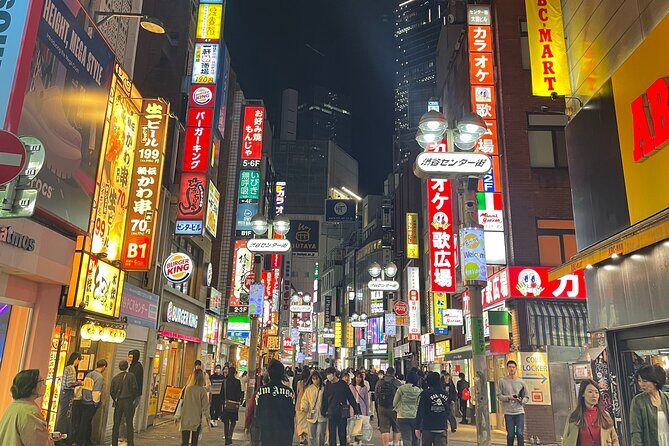
This tour is designed as an appetizer, not a feast. You’re in Shibuya long enough to learn how the neighborhood works, where the famous moments are, and which smaller streets feel more like everyday Tokyo. The duration lands around 1 hour 20 minutes to 1 hour 40 minutes, which is ideal if you’re jet-lagged or if Shibuya is just one stop on a bigger Tokyo plan.
The biggest value is the mix of big-and-small. Yes, you’ll hit the iconic Shibuya area and get oriented around the scramble-crossing zone. But the real payoff is the route that pushes you into the places people actually wander for a meal, a drink, or a quick browse without making it feel like a scavenger hunt.
Price also makes sense here. At about $19.77 per person, you’re paying for a timed, guided loop plus an English-speaking local guide, and the experience indicates an admission ticket is part of the activity. For a city where private help can jump quickly in cost, this format keeps the price in the “try it, you won’t regret it” zone.
You can also read our reviews of more walking tours in Tokyo

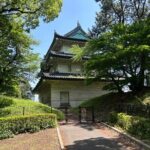

Meeting at SHIBU HACHI BOX and Finishing at Shibuya-san
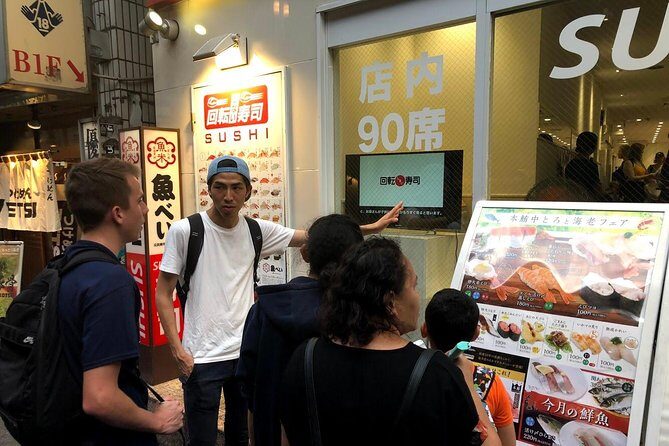
Logistics matter in Shibuya, because directions can get weird fast. Your meeting point is SHIBU HACHI BOX, located at 2-chōme-1-1 Dōgenzaka, Shibuya. That’s a good anchor because it’s specific, central, and reachable via public transport.
The end point is Shibuya-san – Info and Airport BusJapan, in Shibuya Fukuras (渋谷フクラス) 1F. Finishing there is useful if you’re planning to head toward transit next, or if you want an easy transition into shopping and cafes nearby.
One practical note: you’re moving on foot with a small walking amount of about 1 mile (1.6 km). It’s not a hike, but it is enough walking that comfortable shoes matter, especially if you’re visiting during peak crowd hours.
The Local Guide Factor: Why This Tour Works
A big reason this tour earns strong ratings is the human element. The route depends on the guide’s ability to explain what you’re seeing and then translate that into helpful choices for your trip.
You’ll see this in the kinds of feedback tied to guides’ styles. People highlighted guides like Fumina for insights into Japanese culture and strong restaurant and shop tips. Others praised Sakura for high-energy guidance and for taking them toward less crowded areas for better photo spots. Hiroko and Mayuka were noted for friendly, personable delivery and for mixing key stops with quieter detours. And one review singled out Shogo for food-first recommendations and follow-up suggestions after the tour.
So what should you expect from your guide, in plain terms?
- A route through the central Shibuya area that avoids dead ends
- Context for what you’re looking at, not just directions
- Advice you can use immediately that night, not only on the tour
If you like guided structure with room for questions, this is a good match.
Shibuya Crossing and the Photo Problem (Solved, Mostly)
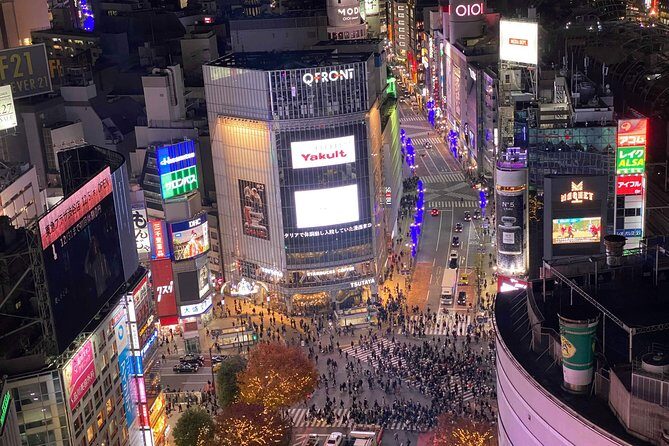
The Shibuya Scramble Crossing is famous for a reason. But getting your bearings around it is tricky, especially if it’s your first day in Tokyo and you’re surrounded by people, phone cameras, and constant motion.
On this tour, your guide uses the crossing area for more than a postcard moment. You get an orientation so you understand where you are in relation to the rest of Shibuya’s streets. You also get help aiming for photo angles.
Several reviews mention the possibility of getting a bird’s-eye view from an observatory for a better overview of the crossing. That’s the kind of stop that makes the tour feel smarter than a simple walk past the landmark. Just keep expectations realistic: it’s still Shibuya, and crowds are part of the deal.
Side Streets for Hidden Bars and Restaurants (The Real Win)
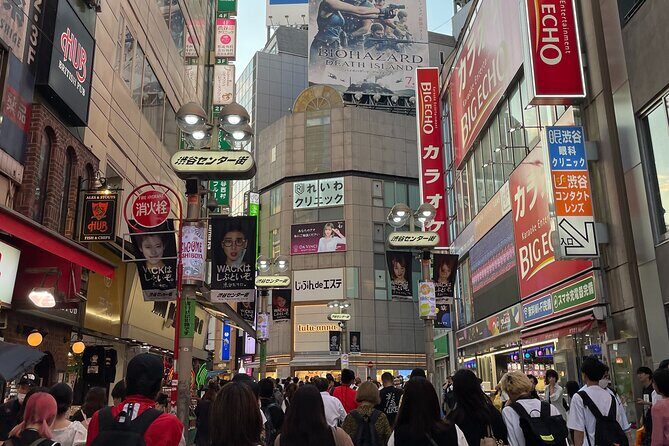
If you came to Shibuya for food and nightlife vibes, this tour is built for that. The experience focuses on discovering spots beyond the main pedestrian paths. That means you’re more likely to end up in areas with small restaurants and bars that feel like local routines rather than only tourist circulation.
In practice, that shows up in two ways:
First, the tour route brings you into different street pockets where the options change quickly. Shibuya can feel like one giant district from a distance, but on foot you realize how compartmentalized it is. Your guide helps you navigate those compartments.
Second, the guide turns observations into recommendations. Reviews repeatedly mention restaurant and cafe suggestions, shopping pointers, and advice for what to do next in Tokyo. This is the part that keeps paying off after your 90 minutes are over. Even if you only use a couple of suggestions during your stay, you’ve already gotten your money’s worth.
Important consideration: food and drinks are not included. That’s normal for a walking tour, and it also keeps the tour from turning into an awkward meal schedule. It means you should plan to use the guide’s tips right afterward.






Stop 1: SHIBU HACHI BOX as Your Orientation Hub
The itinerary centers on a guided circuit that starts around SHIBU HACHI BOX. This is where you get the framework for Shibuya: what the neighborhood is known for, how it developed, and how the streets connect.
What’s smart about this approach is you’re not “dropping” into Shibuya cold. You’re being oriented at the start, and then your route builds on what the guide explained. That makes it easier to remember where to return later.
Also, this is where the experience indicates an admission ticket is included. The specific venue isn’t spelled out in the basic details you’re given, so don’t assume it’s a museum or a long attraction. Think of it more like access tied to a viewpoint or a specific stop on the route. If you’re the type who likes to know exactly what’s included, check your booking details right before you go.
How the Route Feels: Crowds, Pacing, and Building-to-Building Walking
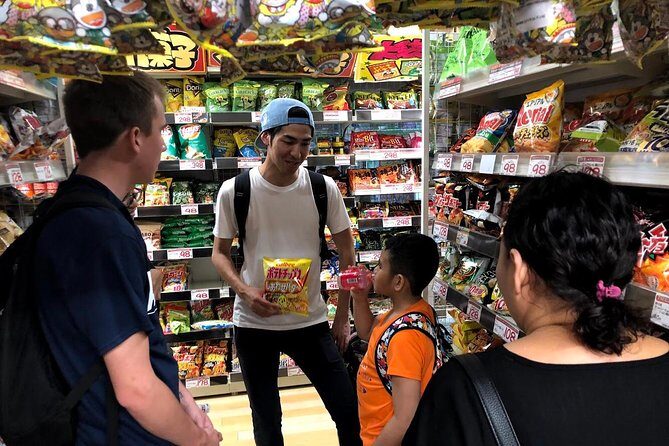
Shibuya is compact, but it is crowded. On a short tour like this, you’re likely to feel the pace. Reviews describe a route that moves around central Shibuya and includes circuitous segments, sometimes through passageways and into viewpoints.
That can be great, because it saves you decision-making time. You don’t have to figure out which side streets connect to where. But it can be less great if you prefer long, slow wandering with lots of time to linger.
A few comments also point out that some people wanted more detail or more informative stops, especially around higher viewpoints. So if you’re picky about explanations, set your goal to orientation and practical recommendations, not a museum-style narrative.
What I’d do in your shoes:
- Treat this as your Shibuya “first draft”
- Then do a second pass later on your own, using your guide’s restaurant and shopping leads
That two-step approach matches the tour’s length and goal.
Who This Tour Is Best For (and Who Might Want More Time)
This tour is built for people who want:
- A first-time Shibuya introduction
- A fast way to learn where key sights are and where to eat
- A structured route with a local guide who answers questions
It also works well if you want a short activity early in your Tokyo trip to reduce stress later. Several reviews frame it as a must-do for Shibuya newbies and as a short, budget-friendly choice that still feels personal.
Who might not love it:
- If you want deep, drawn-out history and long stops, the short duration will likely feel limiting.
- If you dislike crowds or you’re sensitive to quick pacing, plan to go at a time of day when you can handle the energy.
And if you’re traveling with kids, the experience notes that children must be accompanied by an adult. With only about 1.6 km of walking, it may be manageable, but you’ll still need to keep an eye on comfort levels.
Value Check: Why $19.77 Can Make Sense Here
At under $20, you’re not buying a full-day guided program. You’re buying focused help: a guide for about an hour and a half, a route that includes the scramble-crossing area, and time spent steering you into quieter lanes with better restaurant potential.
Here’s what you’re getting for the money, based on the provided details and the consistent themes:
- English-speaking local guide (the main deliverable)
- A guided loop that covers the highlights without forcing you to research everything
- Photo-oriented Shibuya crossing time
- Practical restaurant and nightlife guidance
- A small-group setting (maximum 8)
For Tokyo, that’s a solid value proposition, especially if Shibuya is a must-see for you and you’d otherwise spend hours trying to “figure out where to start.”
Practical Tips for Your Shibuya Walk (Do This, Not That)
Shibuya can be rainy, and the tour makes one thing clear: rain or shine. Bring an umbrella or raincoat. If it’s wet, the sidewalks can get slippery, and you’ll appreciate having coverage.
Also:
- Wear comfortable shoes. You’re walking about 1.6 km, plus navigating crowds.
- Bring a charged phone for photos, but don’t let it slow you down near intersections.
- Have a flexible mindset about pacing. This is a short tour, so your time is used efficiently.
One more good habit: after the tour, pick one guide recommendation for dinner and one for later browsing. That helps you use the advice while it’s fresh.
Should You Book the Shibuya Highlights Walking Tour?
Book it if you want a confident start in Shibuya. This tour is particularly good for first-timers who want the scramble-crossing area handled for them, plus side-street restaurant and bar leads from a local guide. The small group size (max 8) and the consistent emphasis on eating, drinking, and practical tips make it a high-return use of time.
Skip it or consider adding your own extra time if you need deep, slow explanations or lots of detailed stops. The trade-off for the low price and short duration is that you move quickly, and you might not get the kind of extended, teach-everything experience some people crave.
Bottom line: if your goal is to get oriented, see the icon, and leave with a plan for where to eat, this is an easy yes.
FAQ
How long is the Shibuya Highlights Walking Tour?
It runs about 1 hour 20 minutes to 1 hour 40 minutes.
What does the tour cost?
The price is $19.77 per person.
Is food included?
No. Food and drinks are not included.
Where do I meet the guide?
You meet at SHIBU HACHI BOX, located at 2-chōme-1-1 Dōgenzaka, Shibuya, Tokyo. The tour ends at Shibuya-san – Info and Airport BusJapan in Shibuya Fukuras 1F.
Do I need to speak Japanese?
No. The tour includes an English-speaking local guide.
What should I bring for the walk?
The tour runs rain or shine, so bring an umbrella or raincoat. Wear shoes suited for walking.
How much walking is involved?
There is a small amount of walking, about 1 mile (1.6 km), and the tour lists a moderate physical fitness level as the guideline.