REVIEW · TOKYO
Kamakura&Enoshima Tour to-and-from Tokyo, Yokohama, up to 12
Book on GetYourGuide →Operated by GLOBAL GUIDE&TRANSPORT SERVICE 株式会社 · Bookable on GetYourGuide
Kamakura to Enoshima without the time crunch. It’s a private, English-led day that connects powder tea at a bamboo temple with Mount Fuji views from Enoshima. I like that the route is built for history without making you fight transit. One thing to plan for: entry fees and your meals are not included, so expect extra costs on top of the tour price.
The big win is the private vehicle. You get to cover what would take a walk-and-transit marathon (the schedule can feel like 1.5 days on foot). You’ll also have real flexibility, including seasonal temple-garden swaps, plus pickup options from Tokyo, Yokohama, Odawara, or Maihama.
In This Review
- Key moments that make this trip worth it
- Private transport is the real luxury: timing, pacing, and fewer headaches
- Hokoku-ji bamboo temple and powder tea: calm start, strong atmosphere
- Tsurugaoka Hachimangu: where samurai-era power meets a shrine stroll
- Kotoku-in Great Buddha: the stop that anchors the whole day
- Hase-dera Kannon and seasonal gardens: why timing matters
- Enoshima Island: Fuji in the background and ukiyo-e style views
- Lunch on Enoshima: local comfort, seafood or rice and curry
- Shopping arcades and Enoshima Shrine: small souvenirs, real local feel
- Price and value: $878 per group only makes sense if you fill it
- Who this day trip fits best (and who should skip it)
- Extra practical notes that make the day smoother
- Should you book this Kamakura and Enoshima private day trip?
- FAQ
- Where can the tour pick me up and drop me off?
- How long is the tour?
- Is there an English-speaking guide?
- What’s included in the price?
- What isn’t included?
- Is the tour wheelchair accessible?
- Is it suitable for motion sickness?
- FAQ
- Can I cancel for a full refund?
- Do I need to pay immediately to reserve?
Key moments that make this trip worth it

- Door-to-door pickup across Tokyo and Yokohama, with cruise terminal suitability
- Hokoku-ji bamboo temple with powder tea in a café setting
- Tsurugaoka Hachimangu shrine tied to Minamoto Yoritomo and early shogun history
- Kotoku-in Great Buddha time for a proper pause and photos
- Enoshima views with Fuji that match famous ukiyo-e images
- Local shopping arcades near Enoshima Shrine for small gadgets and accessories
Private transport is the real luxury: timing, pacing, and fewer headaches
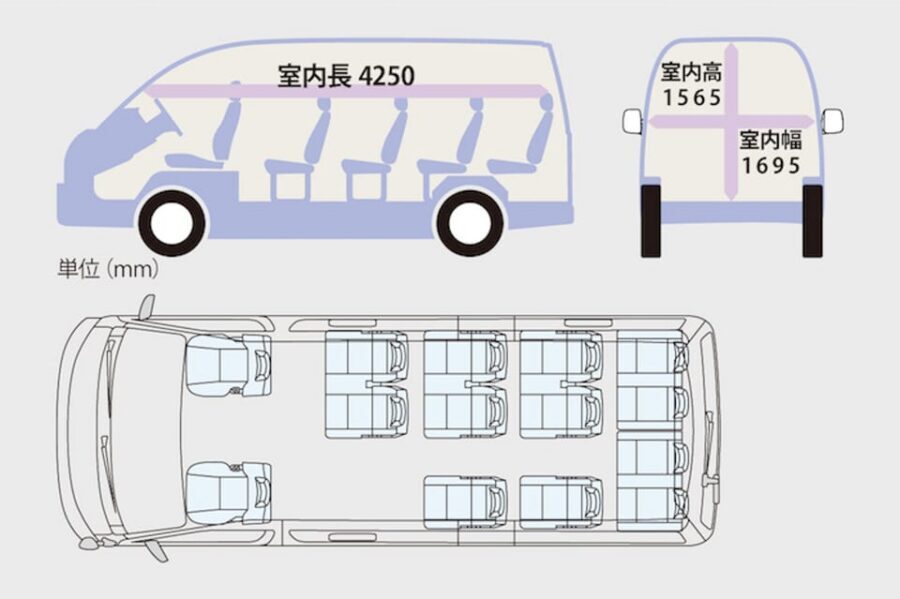
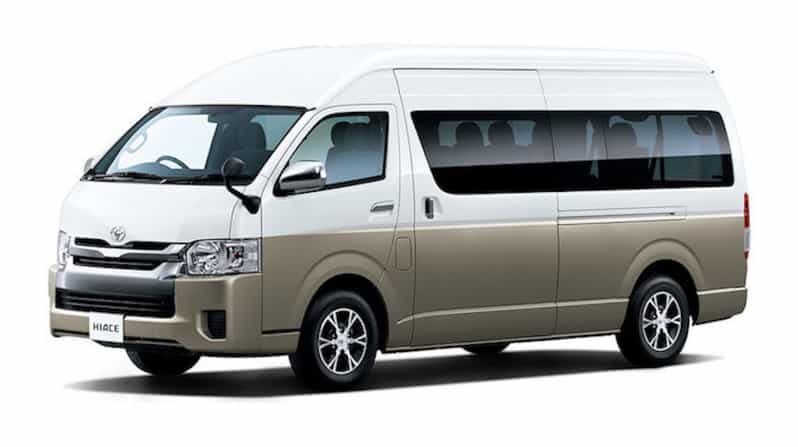
This day trip is set up around one simple idea: you shouldn’t lose your day to getting there. With a private driver-guide and group transportation, you’re not juggling trains, station transfers, or crowded schedules. The tour runs about 9 hours, and that time stays focused on the sites you actually want.
Pickup is also practical. You can start from Tokyo, Yokohama, Odawara, or Maihama, and drop off back at one of those areas. A driver will meet you with a name board and you’re told to wait in the lobby about 5 minutes before pickup. If you’re coming by ship, the pickup choices are designed to work with that too.
A quick heads-up on fit: this isn’t a good match if you get motion sick. The itinerary depends on car time between coastal and temple areas.
You can also read our reviews of more tours and experiences in Tokyo.



Hokoku-ji bamboo temple and powder tea: calm start, strong atmosphere
Most of your day begins in Kamakura at Hokoku-ji Temple, known as the bamboo temple. The best part here isn’t only the setting. It’s the small café experience inside, where you can enjoy powder tea (matcha-style powder tea). It turns a temple stop into something more personal and slow.
You’ll typically have about 45 minutes for this segment, with guided interpretation. That matters because bamboo-temple visits can feel like a quick photo stop if you don’t have someone to explain what you’re seeing. Here, you’re given the story, then you get time to take it in at your own pace.
Practical note: this is one of those spots where comfortable shoes help immediately. You’ll be on temple paths, and Kamakura’s walking gets added up fast once you start bouncing between sites.
Tsurugaoka Hachimangu: where samurai-era power meets a shrine stroll

Next comes Tsurugaoka Hachimangu, a major Shinto shrine with roots tied to samurai government. The guiding focus here is the connection to Minamoto Yoritomo, noted as the first shogun of samurai rule. That single thread helps a lot, because Kamakura isn’t just old temples in the abstract. It’s tied to political origins.
You’ll usually get around 45 minutes at this stop, including a guided visit. The shrine grounds tend to reward a slower pace: look past the main postcard view and pay attention to the transitions in space—approach paths, side areas, and how the site guides your movement.
If your group likes context (why things were built, who influenced them, and what changed over time), this stop tends to land well. If your group is mostly about photos and quick hits, the guide’s timing still helps you avoid wasting time wandering.
Kotoku-in Great Buddha: the stop that anchors the whole day

Then you reach Kōtoku-in Temple, home to the Statue of the Great Buddha of Kamakura. This is usually where the day feels most “real,” because the scale can be hard to appreciate until you’re standing there.
You’ll typically have about 30 minutes here. That’s not a lot of time, but it’s enough for a respectful viewing window, photos, and a guided explanation. The guide also helps you understand what you’re looking at beyond the surface image.
One reason I like this design: it gives you a confident anchor in the middle of the route. After the shrine and bamboo temple, the Great Buddha acts like a pivot point. You can feel the day shift from origin stories to the spiritual center of Kamakura.
Hase-dera Kannon and seasonal gardens: why timing matters

After Kotoku-in, your route continues to Hase-dera, which enshrines the Kannon Buddha. This stop is longer than Kotoku-in—typically 45 minutes—and it’s designed to let you walk and focus.
A key detail here is the garden aspect. Temple gardens here can have flowers that bloom by season, and the visiting spots might change depending on the time of year. So you’re not always getting the same “template” visit. If you’re traveling in a specific season, it can be worth paying attention to what that means on the ground.
Hase-dera is also a good place to slow down. The site is easier to enjoy when you’re not rushing. If you’ve been walking since morning, this stop gives the kind of pace that helps your legs recover a little.






Enoshima Island: Fuji in the background and ukiyo-e style views
Enoshima Island is the coastal reward. Your tour brings you there for both lunch time and an extended visit, usually about 75 minutes with guided sightseeing.
This is where you’ll often get the “how did they capture that” feeling. Enoshima’s scenery is famously associated with ukiyo-e (woodblock print paintings), and the views from here can line up with those classic compositions—especially when Mount Fuji appears in the background.
The tour guides the timing so you’re not just standing in one spot hoping for clear sight lines. Instead, you get movement and interpretation, which helps you understand why the views were attractive enough to be printed and sold as art.
If you like photography, this is the part of the day where you’ll want to be ready. Light and weather can change fast, and a good guide helps you find the best angles within the limited time.
Lunch on Enoshima: local comfort, seafood or rice and curry
Lunch is usually 1 hour at Enoshima. The tour is built around a local restaurant feel, not a generic pit stop. The local specialties you may see are seafoods or rice and curry—and that fits the coastal setting.
The value here is mostly practical. When you arrive with a group and a schedule, it’s easy to waste time searching or worrying about menus. With a guided plan, you spend your energy enjoying lunch rather than decoding chaos.
Food and drinks aren’t included in the tour price, so you’ll want to factor that in. Still, having a solid lunch slot keeps the day from turning into a series of rushed half-stops.
Shopping arcades and Enoshima Shrine: small souvenirs, real local feel
After Enoshima’s main sightseeing, the route includes time for shopping arcades leading toward Enoshima Shrine. This is ideal if you want practical gifts: small accessories, simple gadgets, or items you wouldn’t bother shipping from a far-away market.
The tour’s timing helps here. You’re not trying to shop while your group is already hungry or tired. And because the shopping areas are close to the sightseeing flow, you can browse without adding extra travel time.
Keep an eye on what you actually want. Japanese souvenirs can be tempting, but you’ll enjoy this part more if you already have a short list. I find the best approach is: decide what category you want (food items, small accessories, or themed trinkets) and then shop with that in mind.
Price and value: $878 per group only makes sense if you fill it
The price is $878 per group up to 12 for a private day trip. That sounds high if you’re traveling solo. It can feel like a bargain if you’re traveling as a small group and you’d otherwise pay for private transport, timed museum-level guiding, and multiple train rides.
What you’re getting for your money:
- Driver-guide
- Private flexible tour
- Transportation for the day
What’s extra:
- Entry fees
- Food and drinks
So the value equation comes down to two things: how many people are in your group, and whether you’d pay for private routing on your own. If you’re a family or a friend group, this tour can save you time and mental energy. If you’re just two people and you’re comfortable navigating trains, you might be able to build a cheaper DIY day. But if your priority is smooth pacing from place to place, this is one of those times where paying for convenience buys back real vacation hours.
Who this day trip fits best (and who should skip it)
This tour is a strong match if you:
- Want a private day trip with an English-speaking guide
- Prefer seeing multiple major sites without transit stress
- Like structured history stops that include spiritual context
- Travel in a group size where the private vehicle makes sense
It’s less ideal if you:
- Get motion sickness (car time is a big part of the day)
- Want no extra spending beyond the tour price (entry fees and meals will add up)
- Expect a “stay all day in one neighborhood” vibe (this is a route)
Also, if you’re traveling with mobility needs, it’s listed as wheelchair accessible. That’s a meaningful advantage in a region where walking routes can be uneven.
Extra practical notes that make the day smoother
A few small things matter with Kamakura and Enoshima:
- Bring comfortable shoes. You’ll walk temple paths and coastal areas.
- Dress for the weather. Coastal sight lines can change quickly.
- The vehicle follows rules: no smoking, no explosive substances, and no alcoholic drinks in the vehicle.
- Seasonal timing can affect what you see in gardens. The tour may adjust visiting spots based on bloom.
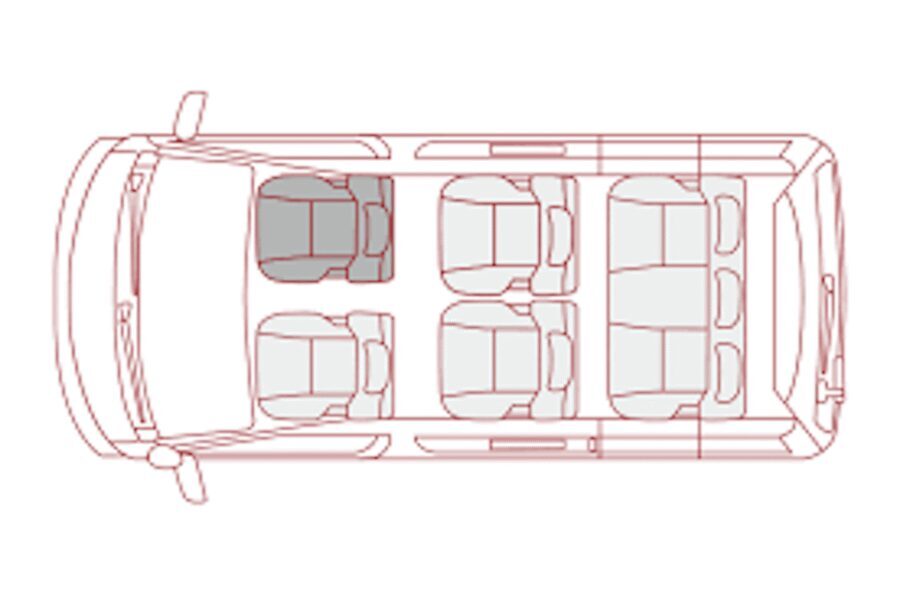
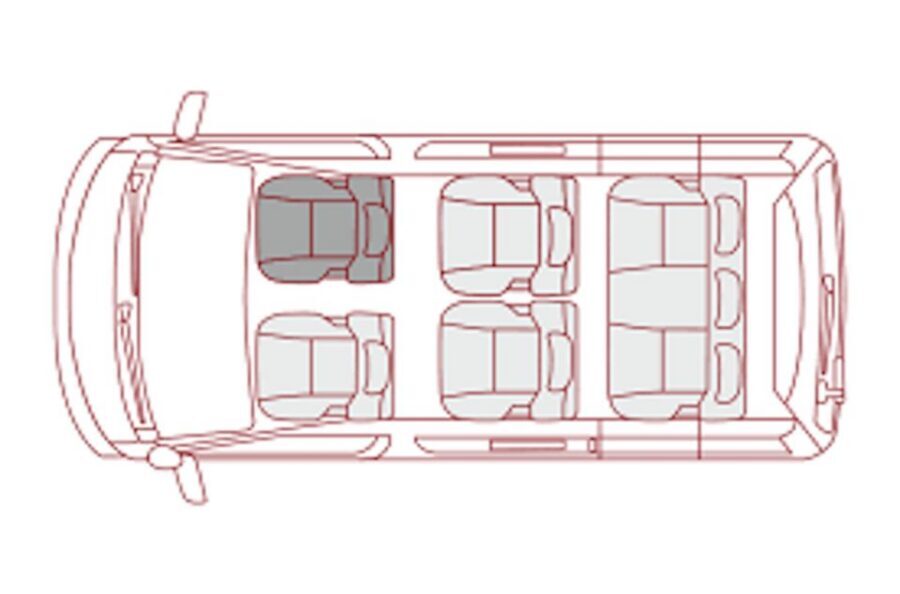
If you have more luggage than usual, ask about the possibility of vehicle sizing. There’s a mention of size-up requests if you bring many pieces.
Should you book this Kamakura and Enoshima private day trip?
I’d book it if your goal is to see Kamakura’s most important spiritual stops and Enoshima’s Fuji-linked coastal views in one efficient day, without turning it into a logistics puzzle. The tour format is especially good for groups who want a guided day with a predictable flow, and for anyone who values a local-food lunch slot.
Skip it or think twice if you’re a light walker who hates car rides, or if you’re traveling solo on a tight budget and you’d rather build your own schedule.
If you can fill the group seats and you’re coming from Tokyo, Yokohama, Odawara, or Maihama, this is one of the more straightforward ways to get both the temples and the sea view payoff.
FAQ
Where can the tour pick me up and drop me off?
Pickup and drop-off are offered at Tokyo, Odawara, Yokohama, and Maihama. The information also notes that cruise voyagers can use the Tokyo/Yokohama style pickup-and-drop options, and travelers moving between Tokyo and Kyoto can use the Tokyo to Odawara station route.
How long is the tour?
The duration is 9 hours, with starting times depending on availability.
Is there an English-speaking guide?
Yes. You’ll have a live tour guide in English.
What’s included in the price?
The tour includes a driver-guide, transportation, and a private flexible tour.
What isn’t included?
Entry fees for each attraction and food and drinks are not included.
Is the tour wheelchair accessible?
Yes. The tour is listed as wheelchair accessible.
Is it suitable for motion sickness?
It is not suitable for people with motion sickness.
FAQ
Can I cancel for a full refund?
Free cancellation is offered up to 24 hours in advance for a full refund.
Do I need to pay immediately to reserve?
No. You can reserve now & pay later, keeping your travel plans flexible.