REVIEW · OSAKA
Osaka: Noh Performance with English Subtitles and Workshop
Book on GetYourGuide →Operated by Yamamoto Noh Theater · Bookable on GetYourGuide
A quiet mask can tell a loud story. This Osaka experience at Yamamoto Noh Theater pairs an easy pre-show explanation with a Noh performance that includes English subtitles. Afterward, you get the fun part: you can try on Noh masks, costumes, and even musical instruments, plus learn more about the theater and the art form. One practical thing to keep in mind: video recording and photography inside are not allowed.
I like that this is set up for first-timers who do not read Japanese. The theater sits in the former samurai residence area, about a 10-minute walk from Osaka Castle, and the venue itself is historic—established in 1927 and registered as a Japanese Tangible Heritage in 2006. If you are hoping to capture every moment on your phone, plan to watch closely instead and rely on memory and notes.
In This Review
- Key takeaways before you go
- Noh in Osaka: why Yamamoto Noh Theater fits first-timers
- The 2-hour flow: explanation, subtitled performance, hands-on workshop
- What the pre-show explanation actually helps you notice
- The performance: how English subtitles change the game
- Trying Noh masks and costumes: the hands-on moment that sticks
- Osaka Castle area: pairing this with a walk through the old neighborhood
- Price and value: why $32 makes sense for what you get
- Theater rules that affect your plan (and your phone habits)
- Who should book this Noh experience, and who might skip it
- Should you book this Osaka Noh performance?
- FAQ
- How long is the Osaka Noh performance and workshop?
- Where does this Noh performance take place?
- Is there English support?
- Can I take photos or record video inside the theater?
- What can I do after the performance?
- Is the venue wheelchair accessible?
- Is it suitable for young children?
Key takeaways before you go
- English subtitles for a smoother first watch of Noh
- Hands-on time trying Noh masks, costumes, and instruments after the show
- Beginner-friendly explanation before the performance starts
- Historic setting in the oldest Noh theater in Osaka (since 1927)
- Staff support in English and Japanese, so questions are manageable
Noh in Osaka: why Yamamoto Noh Theater fits first-timers
Noh can look mysterious if you come in cold. Movements are slow, voices are controlled, and the story is often carried by symbolism more than plain dialogue. That is exactly why I like this format: you get an explanation up front, then you watch with English subtitles, so you are not stuck guessing the whole time.
The setting also matters. Yamamoto Noh Theater is the oldest Noh theater in Osaka, established in 1927, and it was designated as a Japanese Tangible Heritage in 2006. Walking into a venue with that kind of continuity helps your brain switch from modern entertainment mode to traditional performance mode.
And because it is in the former samurai residence area near Osaka Castle, you can roll this into a larger Osaka day. You are not traveling somewhere remote and isolated; you are stepping into a quieter pocket of the city that feels like a different era.
A few more Osaka tours and experiences worth a look

The 2-hour flow: explanation, subtitled performance, hands-on workshop
This experience runs about 2 hours end to end, and the pacing is built for newcomers. You start with an explanation before the performance, which helps you understand what you are looking at. Think of it as a quick decoder ring for Noh: why the masks look the way they do, what the gestures often communicate, and how the music supports the mood.
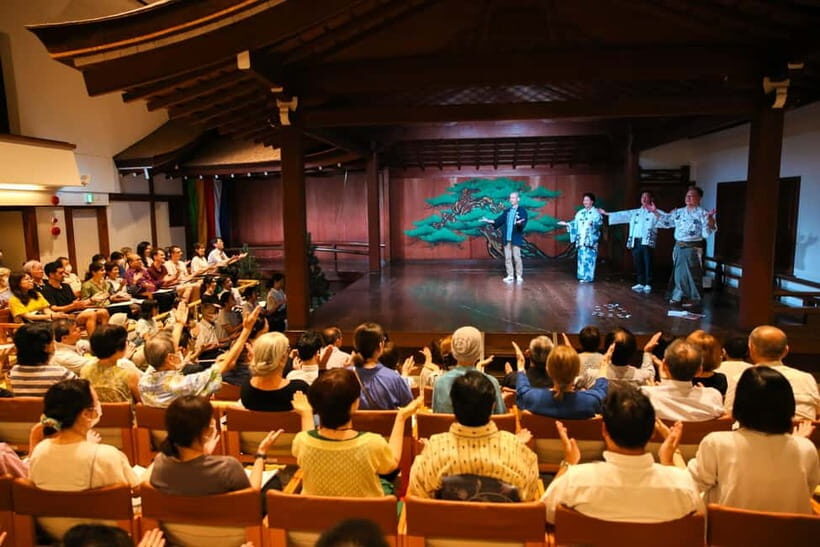
Then comes the main event: a Noh performance with English subtitles. Subtitles do a lot of good here. Noh does not move like pop theater, and the language can be tough even when you follow along visually. With subtitles, you can track the essentials without needing Japanese fluency.
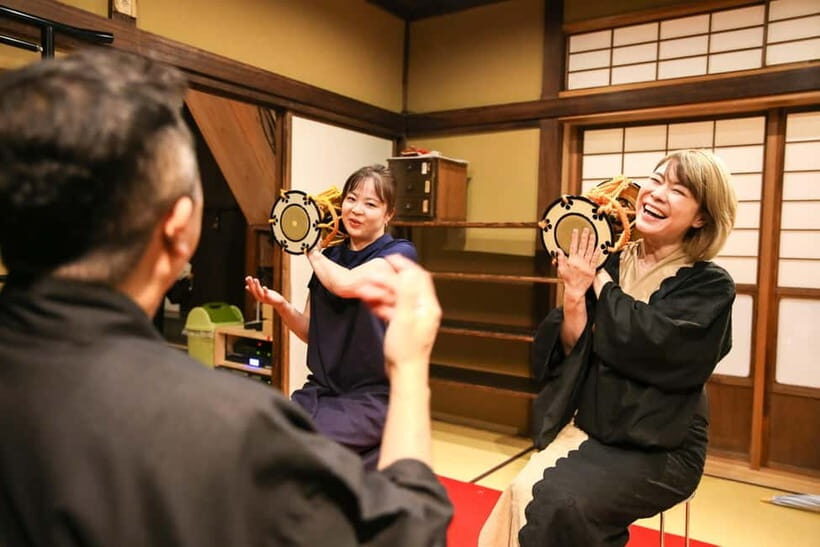
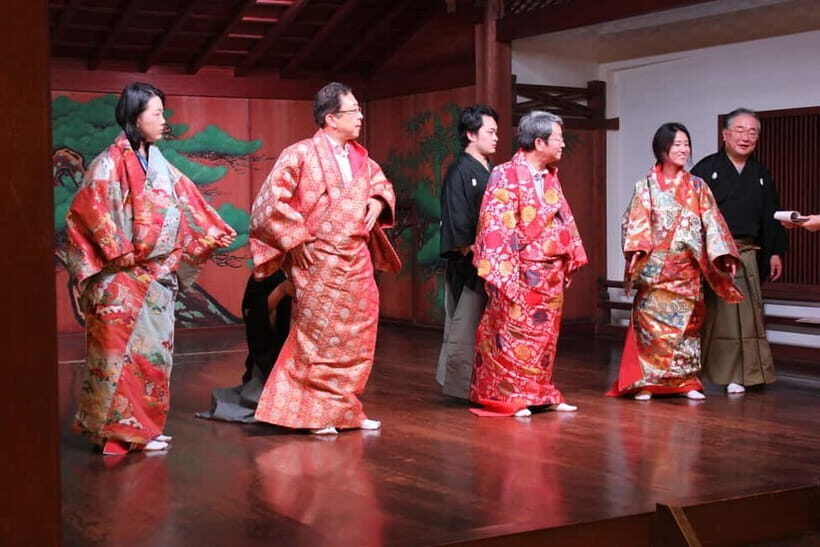
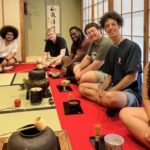
After the performance, the workshop part becomes the payoff. You get time to try on Noh masks and costumes, and you can also explore the musical instruments used in Noh. This is one of the most valuable parts for beginners because you learn through touch and close-up observation, not just watching from your seat.
One review specifically noted that after the performance, the theater owner answered over 10 audience questions, with translation support. That is not something I would assume will happen every time, but it does show the atmosphere can be interactive, not just lecture-and-leave.
What the pre-show explanation actually helps you notice
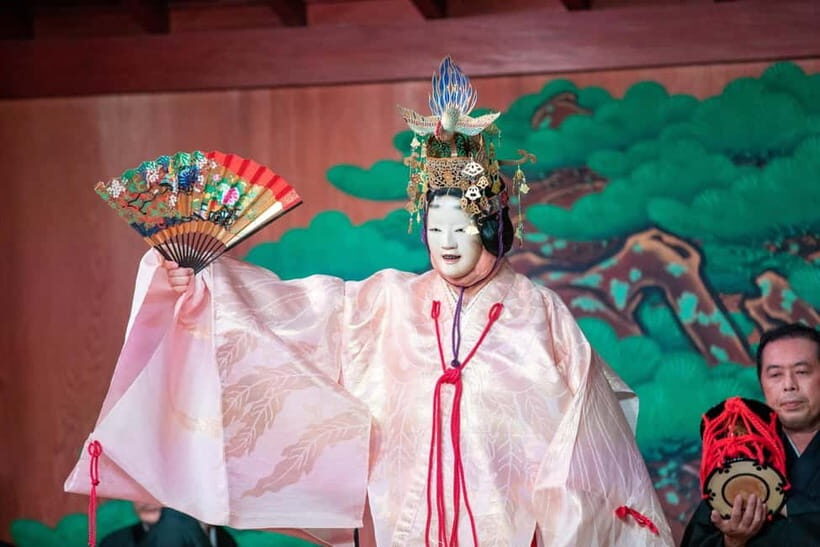
If you have never seen Noh before, the biggest challenge is context. You might notice the costumes, the mask, the slow pace, and the chanting, but still miss the meaning. The pre-show explanation is designed to reduce that frustration fast.
Here is what that kind of briefing tends to unlock for you during the performance:
- You start recognizing patterns in movement instead of treating each motion as random.
- You understand why the music and chanting feel central, not background.
- You are better prepared for the mask experience, including how facial expression changes with the costume and mask shape.
Because the experience is meant to be beginner-friendly, you do not need prior knowledge. If you want a Noh show where you actually leave feeling like you understood what you saw, this structure is a strong match.
The performance: how English subtitles change the game
Noh can be satisfying even if you miss some details. But English subtitles are a game-changer for first-time viewers because they reduce the pressure to decipher everything in real time. You can concentrate on posture, timing, and the way the music shapes the scene.
The subtitles also make the performance feel less like a closed ceremony. Instead of feeling like you are watching something you cannot enter intellectually, you can follow along and connect the visuals to the story beats.
If you prefer following along with language, this is the right kind of support. If you prefer learning from visuals only, subtitles still help because they give you a second channel of meaning.
Trying Noh masks and costumes: the hands-on moment that sticks
The workshop part is where this experience becomes memorable. Trying on Noh masks and costumes turns the show from something you watched into something you can physically understand. You feel the weight, the fit, and how a mask changes your perception of expression.
There is also a practical benefit: once you wear (or at least handle closely) a mask, you stop treating it like a prop and start seeing it like a communication tool. Noh masks are designed to carry specific impressions, and experiencing that up close makes the performance language easier to decode.
You also get to explore musical instruments used in Noh. Even if you do not play anything, seeing and handling the instruments helps you connect the sound you heard to the physical objects producing it. One review even suggested that it would be nice to see all the instruments more clearly and have a booklet with the music, which is a useful note: you may want to bring curiosity and accept that this is a brief hands-on introduction, not a full instrument museum tour.



Osaka Castle area: pairing this with a walk through the old neighborhood
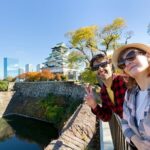
The theater sits about a 10-minute walk from Osaka Castle, in the former samurai residence area. That matters because it makes your day easier to plan. You can turn this into a meaningful cultural circuit: castle-adjacent historic atmosphere in the daytime, then a traditional performance experience afterward.
Before the show, you can use that short walk to get your bearings. You are stepping into a neighborhood that feels older than the surrounding city streets, and that contrast can enhance the performance mood.
After the show, you have a natural transition back into Osaka’s modern rhythm. You do not feel like you have to stay in one bubble. You can keep exploring without the logistics headaches that sometimes come with performances in faraway districts.
Price and value: why $32 makes sense for what you get
At $32 per person for about 2 hours, this is not just a ticket. You are paying for three layers: a performance, an explanation geared toward beginners, and a hands-on try-on workshop that includes masks, costumes, and instruments.
If you have ever paid for a show where you sit quietly and hope your brain figures it out, this is a different value model. You are given context, then you get to interact with the very elements that create the art. That interaction is the value multiplier.
You also benefit from language support: English subtitles during the performance and hosts who speak English and Japanese. That reduces the risk of paying for something that becomes frustrating because you cannot follow it.
With an overall rating of 4.9 out of 5 from 8 reviews, the pattern is consistent: people like the beginner access, the kindness of the staff, and the fact that the experience does not leave non-Japanese speakers behind.
Theater rules that affect your plan (and your phone habits)
There are clear restrictions inside. Video recording is not allowed, and photography inside is also not permitted. So treat your phone like it is not part of the show. If you want photos, plan for the exterior area around the neighborhood and then focus on watching once you are seated.
Because the performance is traditional and rule-based, that restriction also helps create the right atmosphere for everyone. You will likely have a quieter, more respectful environment, which makes it easier to hear the music and chanting.
Who should book this Noh experience, and who might skip it
You will likely enjoy this more if:
- You are seeing Noh for the first time and want a beginner-friendly start.
- You want English support, not just subtitles as an afterthought.
- You enjoy hands-on cultural activities like trying costumes or handling instruments.
- You are interested in where the tradition lives in Osaka, not just the performance itself.
You might consider skipping if:
- You strongly want to take lots of interior photos or record video.
- You are traveling with kids under 7, since it is not suitable for children below that age.
- You want a long workshop with deeper instruction. This is a short, focused introduction around the performance.
Should you book this Osaka Noh performance?
If your goal is to understand Noh without getting lost, I think it is an easy yes. The mix of a pre-show explanation, English subtitles, and the chance to try masks, costumes, and instruments is exactly how you turn a foreign performance into real comprehension. Add the fact that it is in an historic theater (oldest Noh theater in Osaka, established in 1927), and you get a cultural experience that feels grounded, not touristy.
Book it especially if you like the idea of learning through both watching and doing. Just remember: phones stay down inside, so give your attention to the performance and the hands-on portion afterward.
FAQ
How long is the Osaka Noh performance and workshop?
The experience lasts about 2 hours.
Where does this Noh performance take place?
It takes place at Yamamoto Noh Theater in Osaka, in the former samurai residence area near Osaka Castle.
Is there English support?
Yes. The performance includes English subtitles, and the host or greeter speaks English and Japanese.
Can I take photos or record video inside the theater?
No. Video recording and photography inside the theater are not allowed.
What can I do after the performance?
You can try on Noh masks and costumes and explore the musical instruments used in Noh.
Is the venue wheelchair accessible?
Yes, the experience is wheelchair accessible.
Is it suitable for young children?
It is not suitable for children under 7 years old.